For over seven decades, Topps has remained the most recognizable name in the trading card industry, shaping how generations of collectors engage with sports, entertainment, and pop culture. From its groundbreaking 1952 baseball card set to modern digital innovations, this company has defined what it means to preserve moments of athletic achievement and cultural significance in cardboard form. Whether you're a seasoned collector or someone rediscovering childhood memories, understanding Topps' influence provides essential context for navigating today's dynamic collectibles marketplace.
The Foundation of Modern Trading Cards
The Topps Company transformed from a chewing gum manufacturer into a trading card powerhouse during the early 1950s. Sy Berger, the designer credited with creating the modern baseball card, revolutionized the industry by introducing the standard card dimensions and design elements still used today. His 1952 Topps baseball set established the template that would influence card production for generations.
This pivotal moment created several industry standards:
- Standard card size of 2.5 by 3.5 inches
- Player statistics printed on the reverse
- Full-color photography on card fronts
- Team logos and branded designs
- Statistical information spanning multiple seasons
The company's early success stemmed from its exclusive contracts with Major League Baseball players. These agreements positioned Topps as the dominant force in baseball cards for decades, creating a monopoly that defined the collectibles landscape until the late 1980s. Collectors could rely on consistent annual releases, building comprehensive sets year after year.
Baseball Card Dominance
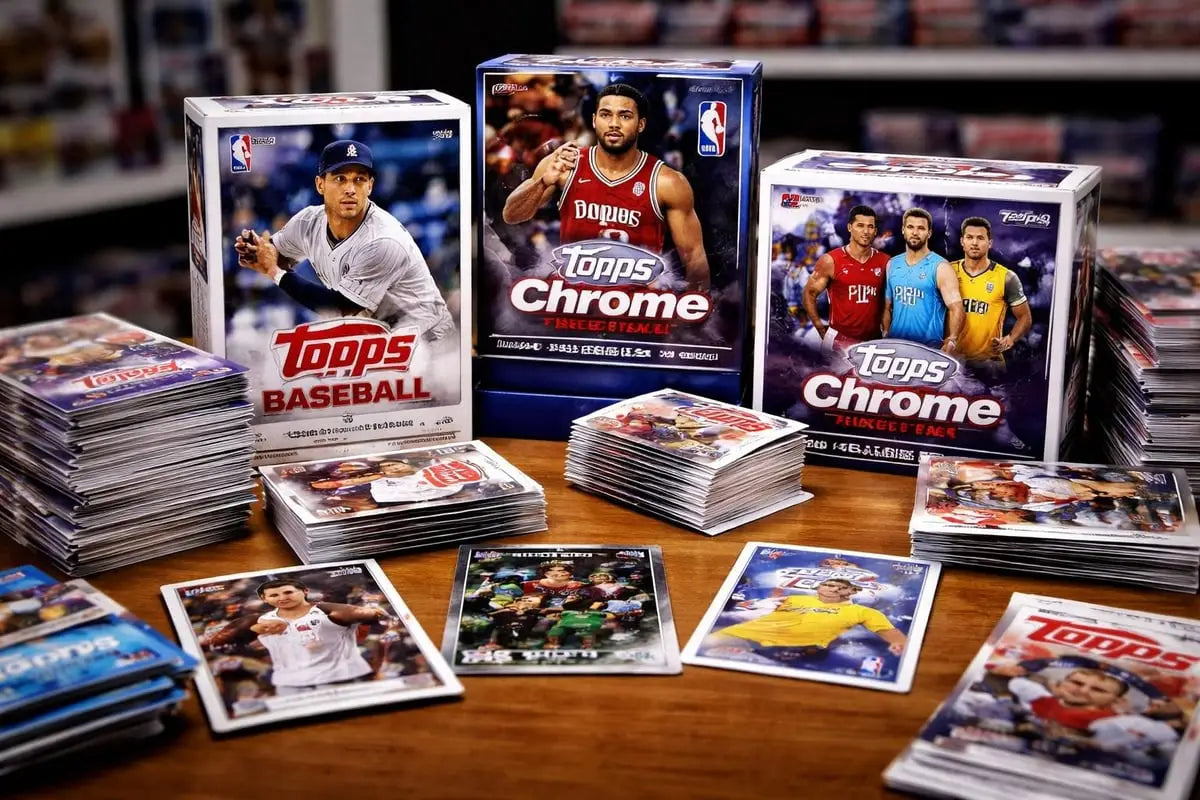
Baseball remains the cornerstone of Topps' identity. Each year, the company releases multiple baseball card products targeting different collector segments, from affordable retail boxes to premium offerings featuring autographs and memorabilia cards. The flagship Topps Series 1 and Series 2 sets arrive annually, capturing every major league player and rookie sensation.
Recent headlines demonstrate Topps' continued relevance in baseball. An 11-year-old collector declined a trade offer from the Pittsburgh Pirates for a rare Paul Skenes rookie card, illustrating how modern Topps products create significant value. This particular card, featuring a debut patch, represents the type of premium insert that drives collector excitement.
Product innovation keeps baseball card collecting vibrant in 2026. Topps Chrome, Topps Heritage, and Bowman each serve distinct purposes within the hobby. Chrome products deliver refractor technology and modern aesthetics, Heritage recreates vintage designs with contemporary players, and Bowman focuses on prospects and first-year players. These specialized offerings allow collectors to pursue specific interests rather than generic sets.
Expansion Beyond Baseball
While baseball established Topps' foundation, the company has successfully diversified across multiple sports and entertainment properties. This strategic expansion has protected the brand during periods when individual sports faced declining interest or licensing challenges.
Basketball Returns and Innovations
Topps launched NBA basketball cards for the first time since the 2010 season through a partnership with Fanatics Collectibles in 2026. This development marks a significant shift in the basketball card landscape, which Panini had dominated for over a decade. The return brings fresh competition and new product designs to NBA trading cards collectors.
The new basketball offerings include several product tiers:
| Product Line | Target Audience | Key Features |
|---|---|---|
| Topps NBA | Entry-level collectors | Base sets, common inserts, affordable price points |
| Topps Chrome NBA | Mid-tier enthusiasts | Refractor technology, autographs, parallels |
| Topps Finest NBA | Premium collectors | High-end cards, patch cards, low print runs |
This structured approach mirrors successful strategies from baseball, creating accessible entry points while maintaining premium options for serious investors. The NCAA's first NIL licensing deal allowing Topps trading cards to feature March Madness branding further expands basketball opportunities, connecting college stars with the trading card market before they reach professional leagues.
Soccer's Global Appeal
Topps returned as an official Premier League licensee, launching a comprehensive collection featuring players from every club. This development strengthens Topps' position in soccer trading cards, a category experiencing tremendous growth as football gains traction among American collectors.
Soccer products demonstrate Topps' global perspective. The company produces cards for multiple leagues including the UEFA Champions League, Bundesliga, and international competitions. These products incorporate region-specific designs while maintaining the quality standards collectors expect. Special editions highlight tournament moments, creating time-capsule collections of major football events.
The international nature of soccer collecting presents unique opportunities. Cards feature players from dozens of countries, appealing to collectors based on nationality, club affiliation, or playing style. This diversity expands the potential collector base far beyond traditional American sports card enthusiasts.
Entertainment and Non-Sports Cards
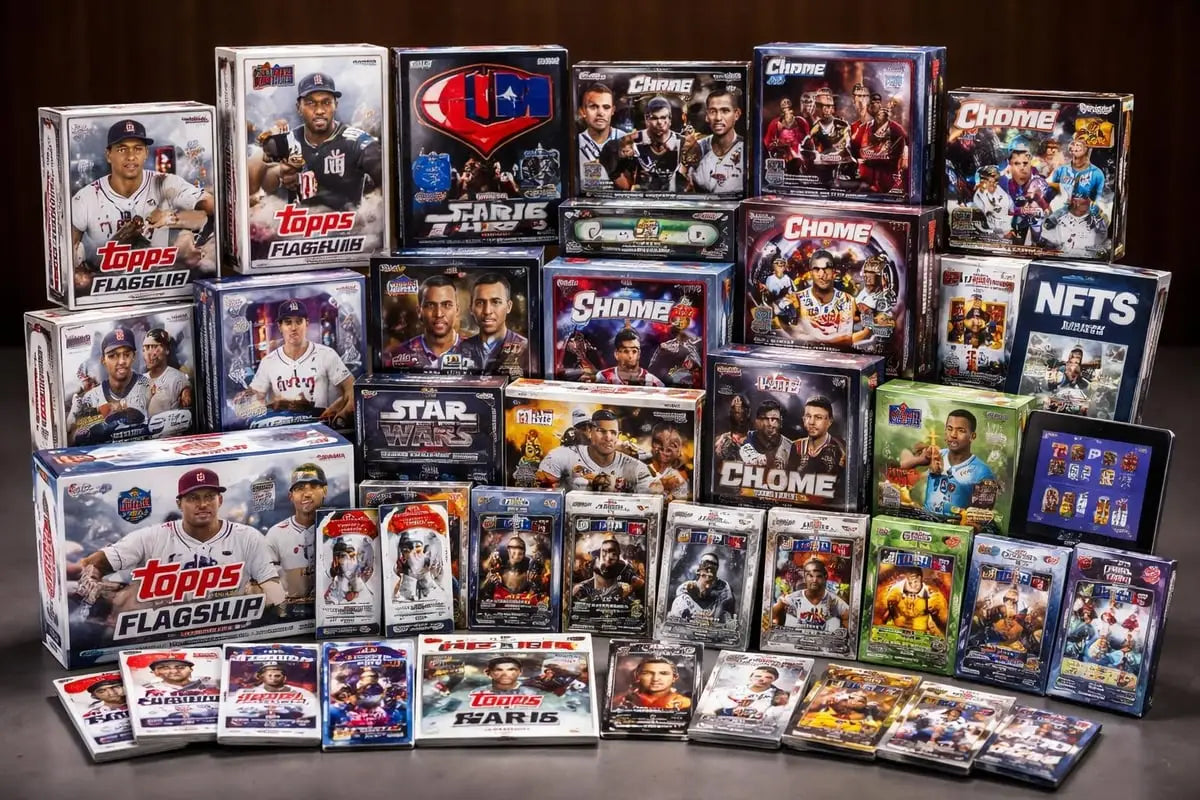
Topps' success extends well beyond athletic competitions. The company holds licenses for major entertainment properties, creating cards that capture pop culture moments and beloved characters. Star Wars, Marvel, Disney, and Garbage Pail Kids represent just a few franchises under the Topps umbrella.
Entertainment cards serve different purposes than sports cards. While athlete cards derive value from performance and career trajectories, entertainment cards connect to storytelling, character popularity, and cultural impact. A rare Darth Vader card or vintage Marvel superhero appeals to fans who may never collect baseball or basketball.
The Entertainment Card Ecosystem
These products create crossover opportunities. Someone interested in Marvel trading cards might discover Star Wars cards through similar design aesthetics and collecting mechanics. Topps leverages this synergy by applying successful sports card innovations to entertainment properties, including autograph cards signed by actors, costume relic cards featuring fabric from costumes, and sketch cards with original artwork.
The entertainment category also provides stability during sports off-seasons. While baseball card releases peak during spring and summer, entertainment properties maintain year-round interest. New movie releases, streaming series premieres, and comic book events create natural moments for special edition releases.
Collecting and Investment Strategies
Modern Topps collecting requires understanding various product types, release schedules, and market dynamics. The company produces thousands of different cards annually across all licenses, creating both opportunity and complexity for collectors entering or expanding their involvement in the hobby.
Product Release Categories
Understanding the product hierarchy helps collectors make informed purchasing decisions:
- Retail Products: Available at mass-market retailers, these offer accessible price points and straightforward configurations
- Hobby Boxes: Sold through specialty dealers, featuring enhanced odds for autographs and memorabilia cards
- Premium Products: High-end releases with guaranteed hits and exclusive parallels
- Direct-to-Consumer: Limited releases available only through Topps' official channels
Each category serves specific collecting goals. Retail products allow casual participation without significant investment. Hobby boxes deliver better value for serious collectors seeking premium inserts. Premium products target investors willing to pay substantial amounts for guaranteed high-value cards.
Grading and Preservation
Professional grading has become essential for high-value Topps cards. Third-party authentication companies evaluate condition using standardized criteria, encapsulating cards in protective holders with numeric grades. CGC graded baseball cards and other professionally authenticated items command premium prices compared to raw cards.
The grading process considers multiple factors:
- Centering: How well the image aligns with card borders
- Corners: Sharpness and absence of wear
- Edges: Smoothness and freedom from damage
- Surface: Absence of scratches, print defects, or staining
High grades (9 or 10) dramatically increase value, particularly for rookie cards or vintage issues. A 1952 Mickey Mantle Topps card in mint condition sells for millions, while poorly preserved examples fetch mere thousands. This disparity emphasizes proper sports card grading for valuable items.
The Digital Transformation
Topps has embraced digital collecting through various platforms and technologies. NFTs (non-fungible tokens) represent one avenue, with blockchain-based cards offering ownership verification and scarcity comparable to physical cards. These digital products attract younger collectors comfortable with cryptocurrency and digital ownership concepts.
Physical cards maintain advantages despite digital innovations. The tactile experience of opening packs, arranging cards in binders, and displaying prized possessions creates emotional connections that screen-based collecting cannot replicate. Many collectors pursue both physical and digital assets, viewing them as complementary rather than competing formats.
Hybrid Collecting Approaches
Modern technology enhances physical collecting without replacing it. Mobile apps help track collections, check values, and connect with other enthusiasts. QR codes on packaging link to digital content, including player interviews and behind-the-scenes footage. Augmented reality features bring cards to life when viewed through smartphone cameras.
These technological enhancements preserve traditional collecting's essence while adding contemporary features. A vintage 1970s baseball card still appeals to nostalgia-driven collectors, while enhanced 2026 releases incorporate interactive elements for tech-savvy participants.
Market Dynamics and Trends
The trading card market experiences cycles influenced by player performance, economic conditions, and cultural trends. Topps products respond to these fluctuations, with certain releases appreciating significantly while others remain stable or decline.
Rookie cards consistently drive collector interest. When a baseball player wins Rookie of the Year or a basketball player dominates their first season, their Topps rookie cards increase in value. This pattern creates speculative opportunities but also risks, as many prospects fail to maintain early success.
Vintage Topps cards represent safer long-term investments. Established Hall of Fame players from the 1950s through 1980s maintain steady demand from collectors who grew up watching these athletes. Supply constraints for high-grade vintage cards support premium pricing, as damaged or lost cards reduce available inventory over time.
Regional and Sport-Specific Variations
Geographic location influences which Topps products generate strongest interest. Football cards dominate in NFL cities during football season, while soccer cards find concentrated enthusiasm in areas with strong international populations or Major League Soccer franchises. Understanding these regional preferences helps collectors identify undervalued opportunities before broader market recognition.
The company's diverse portfolio means collectors can specialize based on personal interests rather than chasing every release. Someone passionate about basketball can focus exclusively on Topps NBA products without engaging with baseball or entertainment offerings. This specialization allows deeper knowledge development and more strategic collecting decisions.
Building a Topps Collection
Starting a Topps collection requires defining clear objectives. Are you pursuing complete sets, focusing on specific players, or seeking investment-grade cards? Each approach demands different strategies and budgets.
Complete Set Collectors purchase factory sets or build series by acquiring individual cards. This methodical approach creates comprehensive representations of specific years or product lines. Modern sets typically include 300-700 base cards, making completion achievable but requiring dedication.
Player Collectors acquire every available card of favorite athletes. This specialized focus creates manageable collecting parameters while allowing deep engagement with player careers. Player collectors often pursue CGC graded baseball cards of their favorites to ensure authenticated quality.
Investment Collectors target cards with appreciation potential, studying market trends and identifying undervalued opportunities. This approach requires research, market knowledge, and willingness to make strategic purchases based on data rather than emotional attachment.
| Collecting Approach | Typical Budget | Time Investment | Knowledge Required |
|---|---|---|---|
| Complete Sets | Moderate | High | Medium |
| Player Focus | Variable | Medium | Medium |
| Investment Strategy | High | Very High | Very High |
| Casual Opening | Low | Low | Low |
Successful collecting combines elements from multiple approaches. Someone might maintain a complete run of flagship baseball sets while also pursuing specific rookie cards for investment purposes. This balanced strategy provides immediate enjoyment from set building while creating potential financial upside.
Authentication and Counterfeit Concerns
As Topps card values have increased, counterfeit concerns have grown correspondingly. High-value vintage cards face particular scrutiny, with sophisticated reproductions sometimes entering the market. Professional authentication services protect collectors by verifying card legitimacy and condition.
Authentic Topps cards display specific characteristics including proper paper stock, correct printing techniques, and accurate color registration. Experienced collectors develop recognition skills through handling genuine cards and studying known examples. Reference guides document production variations, helping distinguish authentic cards from reproductions.
Modern cards incorporate security features making counterfeiting more difficult. Holograms, special coatings, and embedded elements provide visual verification of authenticity. These protections particularly benefit premium products where individual cards may sell for hundreds or thousands of dollars.
The Future of Topps Collecting
The trading card industry continues evolving as Topps adapts to changing collector preferences and market conditions. The Fanatics acquisition has brought capital investment and strategic direction, supporting product development and licensing negotiations. A comprehensive look at Topps baseball cards' history and future demonstrates the company's ability to innovate while respecting tradition.
Emerging technologies will shape upcoming releases. Blockchain authentication may become standard for high-end products, providing immutable ownership records. Enhanced digital integration could connect physical cards to exclusive online content, creating hybrid collecting experiences. Sustainability initiatives might introduce recycled materials or carbon-neutral production processes, appealing to environmentally conscious collectors.
Despite technological advances, fundamental collecting motivations remain constant. People collect Topps cards to connect with favorite athletes, preserve memories, pursue financial returns, and participate in shared hobby communities. The company's success depends on serving these core needs while embracing innovations that enhance rather than replace traditional collecting pleasures.
Partnership expansions will drive growth. The comprehensive overview of Topps' history and impact shows how licensing agreements shape product availability and market position. Securing rights to additional sports leagues, entertainment properties, or emerging celebrities creates new collecting categories and revenue streams.
Community and Cultural Impact
Topps cards facilitate connections between generations. Parents share childhood collections with children, creating family traditions around pack opening and card discussion. This intergenerational appeal strengthens brand loyalty and ensures continued market participation as younger collectors mature into adult enthusiasts.
The cultural significance extends beyond collecting communities. Topps cards appear in museums, documentaries, and academic studies examining American culture and consumerism. They serve as historical artifacts documenting athletic achievements, fashion evolution, and design trends across decades. A 1960s baseball card reveals period-appropriate uniforms, stadium architecture, and photographic techniques as much as player statistics.
Card shows and conventions create physical gathering spaces for collectors. These events facilitate trading, buying, selling, and relationship building among participants. Large conventions attract thousands of attendees, featuring celebrity guests, exclusive releases, and educational programming. The social dimension transforms solitary collecting into community participation.
Understanding Topps' extensive history, product diversity, and market dynamics positions collectors to make informed decisions whether pursuing nostalgic childhood favorites or strategic investment opportunities. The company's evolution from bubble gum cards to multimedia collecting experiences demonstrates remarkable adaptability while maintaining core values that resonate with enthusiasts worldwide. Whether you're searching for vintage treasures, current releases, or professionally graded specimens, TradingCardsMarketplace provides the trusted platform you need to build and expand your collection with confidence.