The world of sports card grading is experiencing a remarkable resurgence in 2026. Recent record-breaking card sales have captured global headlines, highlighting the powerful impact of grading on a card’s value and authenticity.
Whether you are a new enthusiast or a seasoned collector, understanding sports card grading can dramatically increase the worth and enjoyment of your collection. This essential guide will walk you through the latest grading standards, top companies, the step-by-step grading process, and market trends shaping the industry.
Unlock the full potential of your cards by learning how grading can protect, validate, and maximize your investments. Follow our expert advice to ensure your collection stands out in today’s evolving marketplace.
The Basics of Sports Card Grading
Understanding sports card grading is essential for anyone entering the collectibles market. Sports card grading refers to the professional evaluation of a card’s condition and authenticity by third-party experts. The practice began in the late 20th century as collectors sought standardized ways to assess value and protect investments.
Grading standards have evolved, with companies now using precise criteria and advanced tools. Raw cards are those not yet graded, while graded cards are encapsulated in tamper-evident holders with a certified score. This distinction is crucial, as graded cards often fetch higher prices, especially when authenticated by trusted companies.
What is Sports Card Grading?
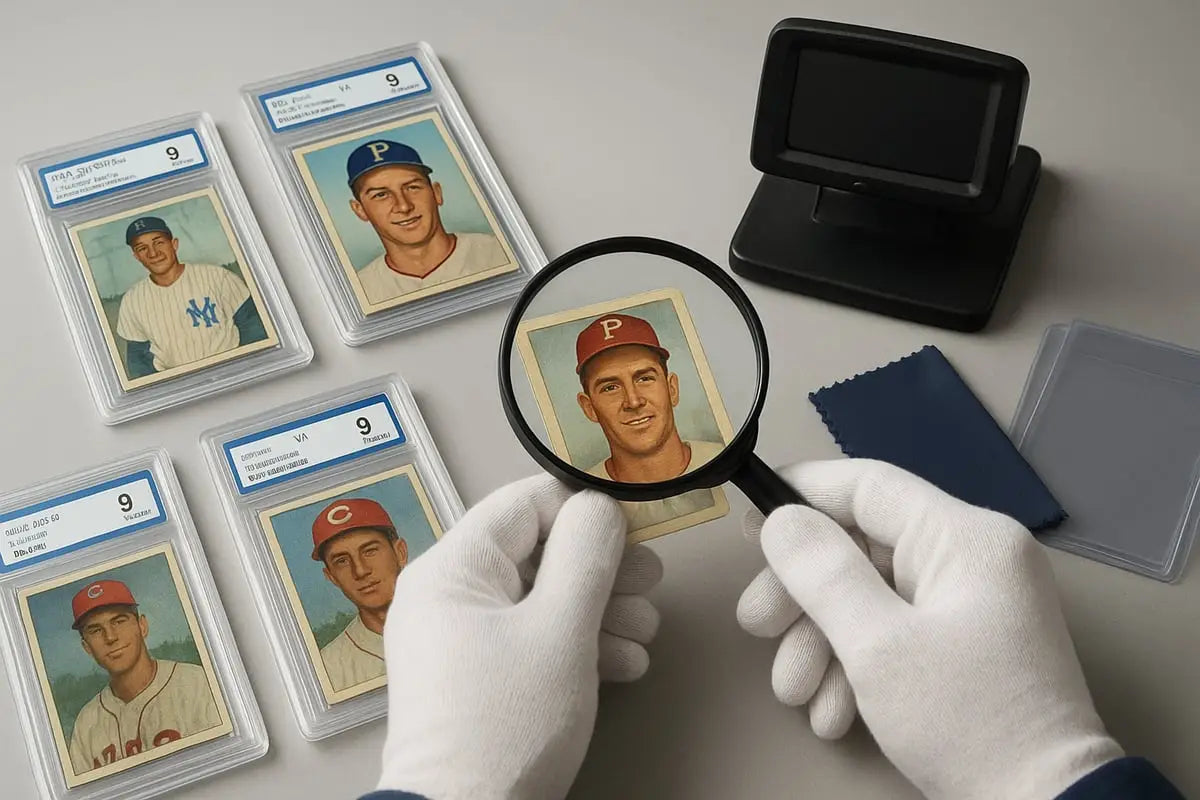
Sports card grading is the process of having a card examined and evaluated by a trusted third-party company. The goal is to determine the card’s authenticity and assign a grade based on its physical condition. Over time, this process has become the gold standard in the collectibles world, offering a universal language for buyers and sellers.
Raw cards are ungraded and handled directly, while graded cards are sealed in protective slabs. Third-party authentication is vital, providing peace of mind for collectors and investors. For example, a PSA 10 rookie card can command far greater value than its raw counterpart, highlighting the impact of professional sports card grading.
Why Grading Matters in 2026
In 2026, sports card grading is more important than ever. Graded cards not only increase a card’s resale value but also make transactions smoother and more secure. Buyers trust graded cards, knowing they are protected from counterfeiting and misrepresentation.
Graded cards are now considered investment assets. They play a key role in insurance and estate planning for valuable collections. According to industry data, PSA-graded cards can bring 30 to 50 percent higher premiums, making sports card grading a critical step for anyone looking to maximize returns and protect their collection.
Key Grading Terms and Scales
Navigating sports card grading means understanding several important terms and scales. Most grading companies use a numerical scale from 1 to 10, with terms like Gem Mint (10) and Pristine reserved for the highest quality cards. Subgrades for centering, corners, edges, and surface provide deeper insights into a card’s strengths and weaknesses.
Collectors will encounter terms such as “Population Report,” which shows how many cards have achieved a specific grade, “Slab” for the protective case, and “Serial Number” for individual tracking. Some companies use half-point grading (e.g., 9.5), while others stick to whole numbers. Comparing a BGS Black Label to a PSA Gem Mint 10 illustrates the nuances in sports card grading standards.
Types of Cards Commonly Graded
Sports card grading covers a wide range of collectibles. The most frequently graded are baseball, basketball, football, soccer, and hockey cards. Non-sports cards, including Disney, Star Wars, and trading card games, are also gaining popularity among grading enthusiasts.
Both vintage and modern cards are submitted, each requiring unique considerations. Autographed and memorabilia cards need specialized handling and grading. Market trends show a surge in graded pop culture and limited-edition cards. For deeper insight into soccer card trends and grading, visit the Soccer trading cards market for a comprehensive look at this expanding segment.
Leading Grading Companies in 2026
The landscape of sports card grading in 2026 is more competitive and advanced than ever before. Collectors and investors have a wide array of options, each with unique strengths and market influence. Understanding the differences between leading grading companies is essential for maximizing value and making informed decisions in the modern collectibles market.

PSA (Professional Sports Authenticator)
PSA remains the most recognized authority in sports card grading. Their 10-point scale is the industry standard, with “Gem Mint 10” cards consistently setting auction records. PSA’s process emphasizes consistency, detailed population reports, and robust third-party authentication, making them the first choice for many high-end cards.
While PSA offers the highest resale value, collectors often face higher costs and longer turnaround times. According to PSA's 2025 Grading Statistics, PSA’s market share and gem rates remain industry benchmarks. Choosing PSA for sports card grading often means prioritizing long-term value and market trust.
BGS (Beckett Grading Services)
BGS is well known for its detailed subgrade system, breaking down centering, corners, edges, and surface. This transparency appeals to basketball, TCG, and premium collectors who want granular feedback on their cards. The elusive Black Label Pristine 10 is one of the most coveted distinctions in sports card grading, commanding top-tier prices.
Collectors appreciate BGS’s sturdy slabs and detailed grading reports, though the company’s brand recognition is slightly lower than PSA’s. Turnaround times can vary, but BGS remains a top pick for those seeking thoroughness and market respect.
SGC (Sportscard Guaranty Corporation)
SGC has earned a reputation for the fastest turnaround times in the sports card grading industry. Their competitive pricing makes them especially popular among vintage card collectors. The black tuxedo slab design stands out visually, appealing to those who value presentation.
SGC’s strength lies in the vintage market, with many collectors now seeing SGC-graded cards match PSA prices at auction. While modern card grading is growing, SGC is often the go-to for classic cards and large submission batches, offering both speed and reliability.
Other Notable Grading Companies
The sports card grading field has seen innovative entrants like CGC and HGA, alongside established names. In 2026, these companies are pushing boundaries with AI-assisted grading, blockchain authentication, and specialized grading for entertainment and international cards.
CGC, for example, has experienced rapid growth in non-sports card grading. New technologies provide enhanced accuracy and tamper-proof slabs. While these companies may not have the same market share as PSA or BGS, their advancements are shaping the future of sports card grading and offering collectors new choices.
Choosing the Right Grading Company for Your Cards
Selecting the best company for sports card grading depends on several factors. Consider card type, desired turnaround, cost, and your goals for resale or collection. Brand perception and collector preferences also play a major role in determining value.
Submission requirements vary by company, so review guidelines carefully. Recent trends show shifting market shares, with PSA, BGS, and SGC leading the way but facing increased competition from innovative newcomers. By staying informed about market dynamics, you can optimize your sports card grading strategy and maximize your collection’s potential.
The Sports Card Grading Process: Step-by-Step in 2026
Navigating the sports card grading process in 2026 can feel overwhelming, but breaking it into clear steps makes it manageable. Each phase, from initial evaluation to receiving your graded card, plays a crucial role in determining your card’s final value and authenticity. Understanding these steps helps collectors avoid costly mistakes and maximize their returns.
Step 1: Card Evaluation and Preparation
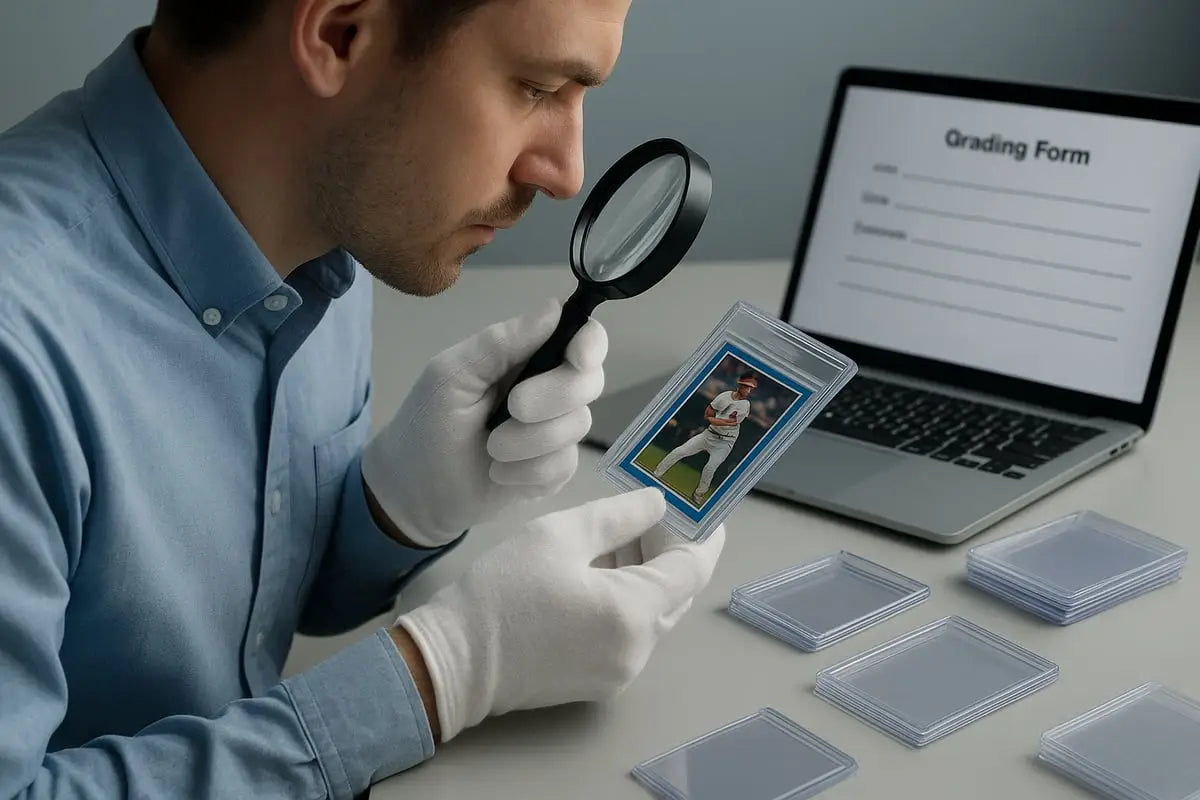
The first step in sports card grading is a thorough evaluation of your card’s condition. Inspect the centering, corners, edges, and surface for any visible flaws. Use a magnifying glass to catch imperfections that might not be obvious at first glance.
Careful handling is essential. Wear gloves to avoid fingerprints and oils. Place the card in a protective sleeve and then a card saver to shield it from dust and scratches. Some collectors use pre-grading services or digital tools to estimate potential grades, which can help determine if submission is worthwhile.
Pre-screening your cards increases the likelihood of achieving a high grade, ultimately impacting your collection’s value. Remember, proper preparation is the foundation of successful sports card grading.
Step 2: Selecting a Grading Company and Service Level
Choosing the right grading company is critical for sports card grading success. Consider the card’s type, value, and your goals. Compare turnaround times, pricing tiers, and available services such as autograph authentication or encapsulation.
Service levels vary from standard to express and bulk submissions. High-value cards often benefit from express services, ensuring faster returns and added security. Research each company’s reputation, market impact, and submission requirements.
Industry reports, like the 2024 Card Grading Industry Report, reveal the rapid growth and changing landscape of grading services. Use this data to make informed decisions and align your choice with current trends in sports card grading.
Step 3: Completing Submission Forms and Packaging
Accurate submission forms are vital in sports card grading. Double-check all information to avoid delays or processing errors. Incorrect details can lead to misidentification or even lost cards.
When packaging, use a bubble mailer or sturdy box. Place your sleeved card in a card saver, then cushion it with bubble wrap. Add a copy of your submission form inside the package.
Insure your shipment based on the card’s estimated value. Use a tracked shipping method for peace of mind. Avoid common mistakes, such as taping cards directly or failing to secure them inside the package, to ensure your cards arrive safely for grading.
Step 4: Shipping and Tracking Your Cards
Shipping is a crucial step in the sports card grading journey. Select a reputable carrier that offers insurance and reliable tracking. For high-value cards, consider overnight or signature-required services.
Track your submission online using the grading company’s portal. This keeps you updated on the status and estimated completion date. International submissions may have additional requirements, including customs forms and local regulations.
Group submissions, often organized by hobby shops or collector groups, can save on shipping and grading fees. Always pack cards securely and maintain detailed records of your shipment to prevent issues during transit.
Step 5: The Grading Process Explained
Once your cards arrive, the sports card grading company initiates a multi-stage process. Initial reviews check for authenticity and major issues. Graders then assess subgrades like centering, corners, edges, and surface, sometimes using advanced AI tools for precision.
Quality control is a key focus, with human and digital checks to minimize errors. Cards are encapsulated in tamper-evident slabs, which protect them and display the grade and serial number.
Recent advancements, such as AI-driven flaw detection, have enhanced accuracy in sports card grading. These innovations ensure your cards are evaluated thoroughly and consistently, reflecting the latest industry standards.
Step 6: Receiving and Understanding Your Grades
When your graded cards return, review the assigned grades and any subgrades provided. Population reports and unique serial numbers help you understand rarity and market position.
If you disagree with a grade, most companies offer review or re-evaluation services. Decide your next steps: sell, insure, or display your graded cards. Use population data to set competitive prices, especially for rare or high-grade examples.
Understanding the grading report empowers you to make informed decisions about your collection and future submissions. This final step completes the sports card grading cycle and sets the stage for maximizing your cards’ value.
Grading Criteria and What Impacts Your Card’s Grade
Grading criteria are the foundation of sports card grading. Understanding how professionals evaluate cards helps you maximize potential value and make informed submission decisions. Each grading company uses strict guidelines, but the core principles remain consistent. Let’s break down the main factors, common pitfalls, and how evolving standards are shaping the hobby in 2026.
Centering, Corners, Edges, and Surface
When it comes to sports card grading, four main criteria determine a card’s final score: centering, corners, edges, and surface. Centering measures how well the image aligns within the card’s borders. Even slight misalignments can drop a grade from Gem Mint to Near Mint.
Corners are inspected for sharpness. Blunt or frayed corners often signal handling or storage issues. Edges are examined for chips, nicks, or layering, which can result from factory cuts or mishandling.
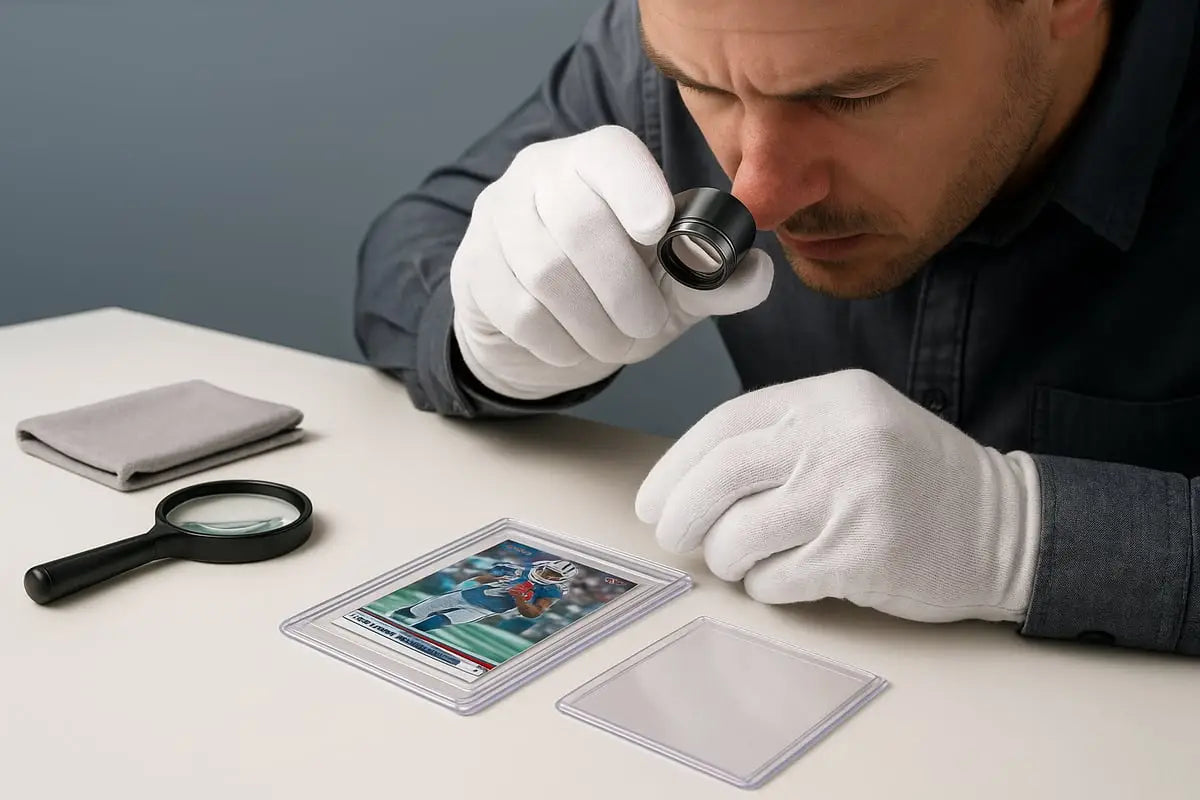
Surface evaluation checks for scratches, print lines, stains, or gloss imperfections. Advanced tools like magnifiers and AI-assisted scanners are now common in sports card grading, catching flaws invisible to the naked eye.
For example, a card with perfect corners but off-center printing may receive an 8 instead of a 10. Small imperfections can have a significant impact on overall grade and market value.
Autographs, Inserts, and Special Features
Autographed and memorabilia cards require unique considerations in sports card grading. Authenticity is key: graders verify signatures using databases and expert review. Sticker autographs are generally less desirable than on-card signatures, but both are evaluated for clarity and placement.
Inserts, patches, and relics present additional grading challenges. Loose materials or manufacturing defects can affect grades. Dual grading, such as PSA/DNA, assesses both the card’s condition and the autograph quality.
A powerful example is the surge in value seen with certain rookie autographed cards. For instance, Patrick Mahomes rookie card insights highlight how authenticated, high-grade signatures can command record prices, reinforcing the importance of expert sports card grading for special features.
Common Flaws and How to Avoid Them
Understanding common flaws is essential in sports card grading. Print lines, scratches, edge chipping, and dings are frequent culprits. Many flaws occur from improper storage, such as stacking cards without sleeves or exposing them to heat and humidity.
Proper handling techniques are vital. Always use clean, dry hands or gloves and store cards in protective sleeves and top loaders. Cleaning cards can help, but aggressive cleaning risks further damage.
Surface scratches alone can lower a card’s grade and value by 20 percent or more. Investing in professional pre-grading services or using a magnifier can help spot flaws before submission and improve your sports card grading results.
How Grading Standards Evolve: 2026 Updates
In 2026, sports card grading standards are adapting to new technologies. AI and machine learning now assist graders, providing more consistent and objective assessments. These advancements reduce human error and increase transparency.
Grading companies have introduced new protocols for digital and NFT-linked cards. Blockchain-backed certificates are becoming the norm for provenance and tamper-proof authentication.
For collectors, staying updated on evolving standards is crucial. Recent changes, such as integrating blockchain verification, ensure your cards meet the highest standards for authenticity and value in sports card grading.
Sports Card Market Trends and the Value of Grading in 2026
The sports card grading landscape in 2026 is evolving rapidly, opening new opportunities for collectors and investors. Modern technology, expanding markets, and increased demand for authenticity are shaping the way cards are valued and traded worldwide. Understanding these trends helps collectors navigate the market with greater confidence and maximize their returns.
The Impact of Grading on Card Values
Sports card grading directly affects how much a card is worth on the open market. A graded card, especially one with a top score, can sell for several times the price of its raw counterpart. Recent sales data shows PSA 10 cards often achieve three to five times the value of ungraded versions. High-profile auctions have set new records, fueled by the trust buyers place in graded cards. For basketball enthusiasts, the impact of grading is clear in the NBA trading cards value market, where well-graded cards consistently command premium prices. As more collectors prioritize graded cards, the sports card grading process becomes essential for maximizing both liquidity and long-term investment potential.
Population Reports and Card Rarity
Population reports reveal how many copies of a specific card have received each grade, allowing collectors to assess rarity. Cards with low population counts in high grades often become especially sought after, driving up prices and competition. This trend extends beyond traditional sports, with entertainment cards like Star Wars seeing a surge in demand as collectors monitor pop reports for rare finds. For insights into how this affects non-sports cards, the Star Wars cards grading trends article highlights the growing interest in tracking graded card populations across genres. Whether for vintage baseball or modern entertainment cards, sports card grading data is critical for making informed investment decisions.
Technology and Innovations in Grading
Cutting-edge technology is transforming sports card grading in 2026. AI-driven systems now assist human graders, improving consistency and reducing turnaround times. Blockchain authentication offers digital proof of provenance, making it easier to verify a card's history. Many grading companies have introduced mobile apps that provide instant previews of potential grades, helping collectors decide whether to submit a card. These advancements not only boost confidence in the grading process but also help reduce errors and fraud. As a result, sports card grading is becoming more accessible and transparent for collectors at every level.
Globalization and New Grading Markets
The global reach of sports card grading is expanding fast. Collectors in Asia, Europe, and Latin America are increasingly submitting cards to major grading companies, driving up demand for international services. New grading companies are emerging abroad, catering to regional preferences and offering localized expertise. This globalization has led to a surge in the value of graded cards from sports like soccer and cricket, as well as niche collectibles. As more collectors worldwide recognize the benefits of sports card grading, the international market is expected to remain robust and dynamic.
Risks, Scams, and Counterfeit Prevention
With the growth of sports card grading, the risk of scams and counterfeits has also increased. Unscrupulous actors have produced fake slabs and false certificates to deceive buyers. Leading grading companies have responded by adding security features such as QR codes, tamper-evident cases, and online verification tools. Collectors are encouraged to verify serial numbers through official databases before making purchases. A few best practices for safe collecting include:
- Always buy from reputable dealers or auction houses.
- Double-check slab authenticity using the grading company's website.
- Request proof of recent grading or population report data.
Staying vigilant and informed is the best defense against fraud in the sports card grading world.
Expert Tips for Maximizing Your Card’s Grading Potential
Unlocking the full value of your collection requires a strategic approach to sports card grading. The following expert tips can help you achieve the best possible results, whether you are a seasoned investor or a first-time submitter.
Preparing Cards Like a Pro
Preparation is crucial for maximizing your results in sports card grading. Always handle cards with clean, dry hands and use protective sleeves or card savers to prevent accidental damage. Examine each card under bright light, looking for surface flaws, edge nicks, or corner wear.
Essential tools include:
- Microfiber cloths for gentle surface cleaning
- Magnifiers or loupes to spot hidden imperfections
- Soft card holders and top loaders for safe handling
Avoid aggressive cleaning, as it can reduce your card's grade. For valuable cards, consider professional pre-grading services to get an expert opinion before submitting for sports card grading.
Timing Your Submissions for Maximum Value
Strategic timing can make a significant difference in sports card grading outcomes. Submitting cards before major events, player milestones, or product releases can help you capitalize on market peaks. Review population reports and recent sales data to identify trends.
For example, according to the March 2025 Grading Recap by GemRate, grading activity often spikes around major sports events, impacting turnaround times and potential resale value. Plan your submissions to avoid bottlenecks and maximize your return from sports card grading.
Understanding When (and When Not) to Grade
Not every card is a candidate for sports card grading. Evaluate each card's condition, rarity, and potential value increase compared to grading fees. Calculate your expected return on investment to ensure grading is worthwhile.
Consider alternatives like bulk grading for lower-tier cards or authentication-only services for items with sentimental value. Reserve premium grading services for high-value or rare cards where the benefits of sports card grading clearly outweigh the costs.
Displaying and Storing Graded Cards
Proper storage and display preserve your investment and ensure lasting value after sports card grading. Store graded cards in a cool, dry environment, away from direct sunlight and humidity. Use display cases with UV protection or lockable safes for high-value items.
For collections exceeding certain values, insurance may be required by your provider. Protecting your graded cards with these best practices helps maintain their condition and supports long-term sports card grading success.
Now that you understand how grading can elevate your sports card collection—boosting value, protecting against counterfeits, and helping you make informed decisions—it's the perfect time to put your knowledge into action. Whether you're a seasoned collector or just starting out, having access to trusted cards and collectibles is essential for building a collection you can be proud of. If you're ready to take the next step, explore our curated selection and discover cards worth grading and collecting. Let’s make your next find a true standout—Shop Now.