The thrill of opening a hobby box has never been higher in 2026, with collectors and investors eagerly chasing rare cards and exclusive hits. Hobby boxes offer a unique blend of excitement and value, drawing fans from sports, gaming, and entertainment card communities. This guide is designed to deliver expert insights and practical tips, empowering you to make smart decisions in the evolving hobby box market. You will discover what sets a hobby box apart, the latest trends, strategies for choosing the right box, best practices for opening and storing cards, and proven investment tactics. Ready to level up your hobby box experience?
Understanding Hobby Boxes: What Makes Them Special?
The world of collecting has seen the hobby box rise as a coveted treasure chest for enthusiasts and investors alike. Understanding what sets the hobby box apart is essential for maximizing your collecting experience in 2026.
Defining Hobby Boxes and Their Role in Collecting
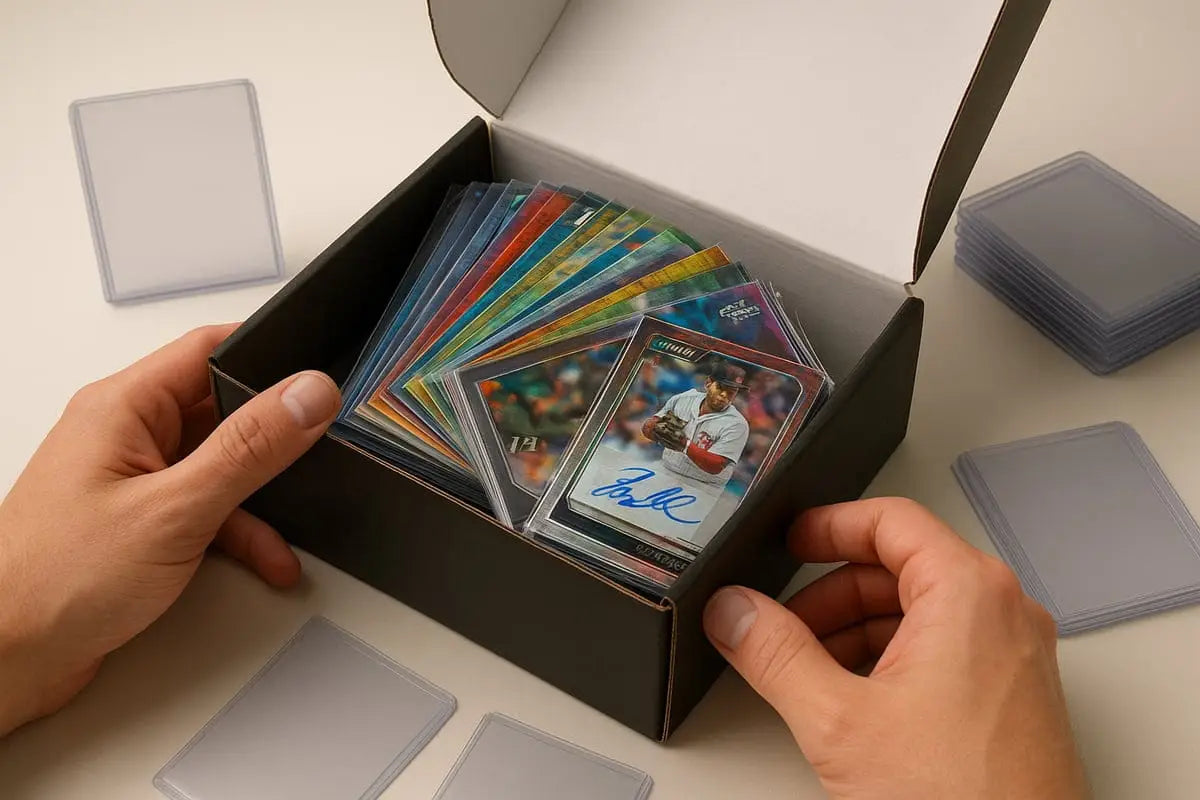
A hobby box is a sealed product designed for collectors seeking premium content, distinct from retail, blaster, or booster boxes. Unlike their retail counterparts, hobby boxes feature exclusive inserts, autographs, limited parallels, and often guarantee a set number of hits per box. For example, the 2026 Topps Chrome Premier League Hobby Box at $329.95 offers better odds for rare pulls than the blaster version.
Typical hobby box contents include a higher count of packs, special parallels, and unique cards not found elsewhere. This makes them particularly appealing to collectors and investors who want the best shot at valuable hits. For a detailed breakdown of the differences and the latest inventory trends, see the Inventory update: hobby exclusives.
Types of Hobby Boxes by Category and Brand
Hobby boxes span a wide range of categories, from sports like baseball, basketball, football, soccer, and UFC, to trading card games (Pokémon, Magic), and entertainment franchises (Star Wars, Marvel). Leading brands in 2026 include Topps, Panini, Leaf, and Upper Deck, each offering unique box structures and exclusive content.
For example, Panini Prizm Basketball hobby boxes differ from Topps Chrome Baseball in terms of parallels and guaranteed autographs. Special editions, like St. Patrick’s Day or Sapphire Editions, are highly sought after, with some, such as the Topps Chrome Sapphire Edition Basketball Box, priced at $4,809.95. International versions may offer distinct inserts compared to domestic releases, adding another layer of collecting strategy.
How Hobby Boxes Fit into the Modern Collector’s Strategy
The hobby box serves as a primary source for rare cards, autographs, and investment-grade pulls, making it a cornerstone of the modern collector’s approach. Group breaks, where collectors share the cost and excitement of opening a box together, have surged in popularity, particularly on YouTube and social media platforms.
Set builders appreciate hobby boxes for their consistent collation, while “chase” collectors are drawn to the thrill of uncovering elusive hits. With over 590 sealed hobby box products available from major retailers, these boxes continue to shape card values and drive market trends. The risk and excitement of box breaking only add to their allure.
The Evolution of Hobby Boxes (2020–2026)
Hobby box design has evolved significantly since 2020, with manufacturers introducing more premium packaging, clearer content guarantees, and a broader array of exclusive parallels and inserts. Premium offerings, such as “Breakers Delight” cases and guaranteed autograph boxes, have become more prevalent in 2026.
Manufacturers now prioritize collector experience and transparency, often including authentication elements in the packaging. The rise of grading and authentication services has further increased the value of box contents. With more pre-sale and new release options than ever before, online marketplaces have made the hobby box more accessible to collectors worldwide.
2026 Hobby Box Trends: What’s New and Hot?
The hobby box market in 2026 is bursting with innovation, limited editions, and a surge in collector engagement. Whether you are eyeing the next big release or seeking investment opportunities, this year brings a dynamic mix of products, pricing evolutions, and community-driven trends. Let’s break down the hottest developments shaping the hobby box world.
Key Product Releases and Innovations for 2026
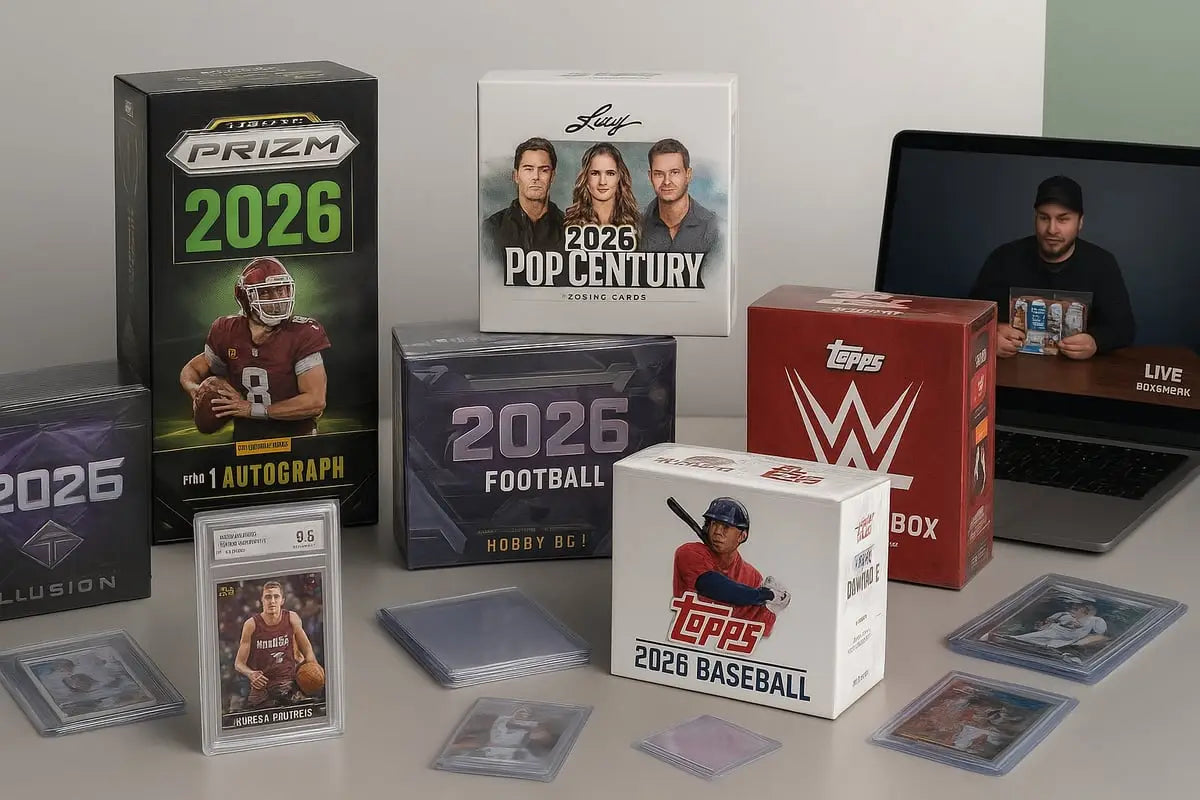
This year, hobby box enthusiasts are treated to an exciting lineup of releases. Standouts include the 2026 Topps Series 1 Baseball, Chrome Premier League EPL, and the festive Leaf Metal St. Patrick’s Day edition. New parallels, creative insert sets, and case hit formats are redefining the chase. For example, the 2026 Topps Chrome Premier League “Breakers Delight” 6-Box Case ($4,184.95) offers exclusive content and guaranteed hits for group breaks. Crossovers with entertainment properties, like the Star Wars Chrome Superbox, are attracting fans beyond sports. Premium and commemorative hobby box products are more prevalent, with presell opportunities increasing collector access. For a deeper look at key headlines and what’s driving the market, check out the Hobby Preview: Top 4 Headlines That Lie Ahead in 2026.
Market Shifts: Pricing, Availability, and Demand
The 2026 hobby box market is witnessing notable changes in pricing and availability. Entry-level products like Topps Series 1 begin at $139.95, while premium offerings such as Topps Chrome Sapphire Edition Basketball climb above $4,800. Demand for high-end boxes continues to outpace supply, leading to lightning-fast sellouts and heightened resale values. Pre-sale models and allocation scarcity have become the norm, with only 113 out of 590 hobby box products in stock at major retailers. Changing distribution channels and improved logistics are reshaping how collectors secure their favorite releases. These shifts are making it more important than ever to plan purchases and monitor restocks closely.
Collector Preferences and Breaker Culture
Collector behavior is evolving alongside hobby box innovations. Group breaks and community box openings have surged in popularity, especially for sports like soccer and emerging segments such as women’s sports cards. Social media and live streaming platforms are fueling hobby box excitement, with more collectors participating in team and player break formats. Breaker culture has become a driving force, influencing product designs and release schedules. Authenticity and transparency are now top priorities, as collectors seek trustworthy environments for sharing, trading, and celebrating big pulls. The hobby box landscape is more interactive and community-driven than ever.
Grading, Authentication, and Investment Impacts
Graded cards are now a central focus in the hobby box chase. In 2026, manufacturers often include redemption cards for high-value, pre-graded items, elevating both the appeal and market confidence in sealed products. More hobby box releases feature guaranteed graded cards, helping collectors secure investment-grade pulls. Grading trends are directly impacting box pricing and the secondary market, with graded hits commanding two to ten times the value of raw cards. This shift is encouraging hobby box buyers to think strategically about both immediate enjoyment and long-term investment, making authentication and grading integral to the modern collecting strategy.
How to Choose the Right Hobby Box in 2026
Selecting the ideal hobby box in 2026 can be the difference between a rewarding collecting experience and disappointment. With so many options, understanding your goals, researching products, and knowing where to buy are critical. This section provides a step-by-step guide to help you make informed choices and maximize your hobby box investment.
Assessing Your Collecting Goals and Budget
Before purchasing a hobby box, clarify your collecting objectives. Are you building a set, chasing autographs, or seeking investment-grade cards? Set a realistic budget that matches your goals and current market prices. Entry-level hobby box options range from $100 to $300, while premium boxes can exceed $1,000. Consider the risk and reward of each tier. For a deeper dive into why many collectors are investing more in premium boxes, see the Hobby Box vs Blaster Debate: Why Collectors Spent Big in 2026. This insight will help you align your hobby box purchase with your expectations and avoid unnecessary impulse buys.
Researching Products, Brands, and Release Calendars
Staying informed about upcoming releases is essential when choosing a hobby box. Use manufacturer and retailer release calendars to track new launches and presales. Leading brands like Topps, Panini, and Leaf regularly update their product lineups. Research box checklists and hit rates for each release. Online reviews, forums, and social media can provide valuable feedback from other collectors. Over 100 new hobby box releases and presales are available at any time, so it pays to investigate thoroughly. Always verify sellers to avoid counterfeit products and ensure you get genuine boxes.
Evaluating Box Contents, Odds, and Exclusives
Understanding the contents and odds of a hobby box is key to making a smart purchase. Each box advertises specific guarantees—autographs, relics, parallels, or case hits. For example, a 2026 Topps Chrome EPL hobby box might guarantee certain autographs and numbered parallels. Compare the value of exclusive inserts against base cards. Typical configurations include one autograph, two relics, and multiple parallels per box. Short prints and limited-numbered cards can significantly impact resale value. By analyzing box odds and exclusives, you increase your chances of pulling high-value cards from your hobby box.
Balancing Risk and Reward: Investment vs. Enjoyment
Deciding whether to pursue a hobby box for profit or pleasure is crucial. Calculate the potential return on investment by reviewing recent sales of top hits from similar boxes. Group breaks can offer a lower-risk, high-entertainment alternative if you want to experience the thrill without the full cost. Remember, even the best hobby box can yield average results, so set realistic expectations. Strategies like joining community breaks or focusing on cards you personally enjoy can help you avoid burnout and maximize satisfaction from your collecting journey.
Where to Buy: Trusted Sources and Marketplaces
Choosing where to purchase your hobby box is as important as the box itself. Reputable online retailers and local hobby shops offer secure buying experiences and access to new releases. Major platforms may stock over 590 distinct hobby box products, but high demand means only a fraction are available at any given time. Always check for pre-sales and early access options. Look for buyer protection policies, return guarantees, and transparent seller ratings to minimize risk. Avoid deals that seem too good to be true, as scams and counterfeit boxes remain a concern in 2026.
TradingCardsMarketplace.com: Your One-Stop Hobby Box Source
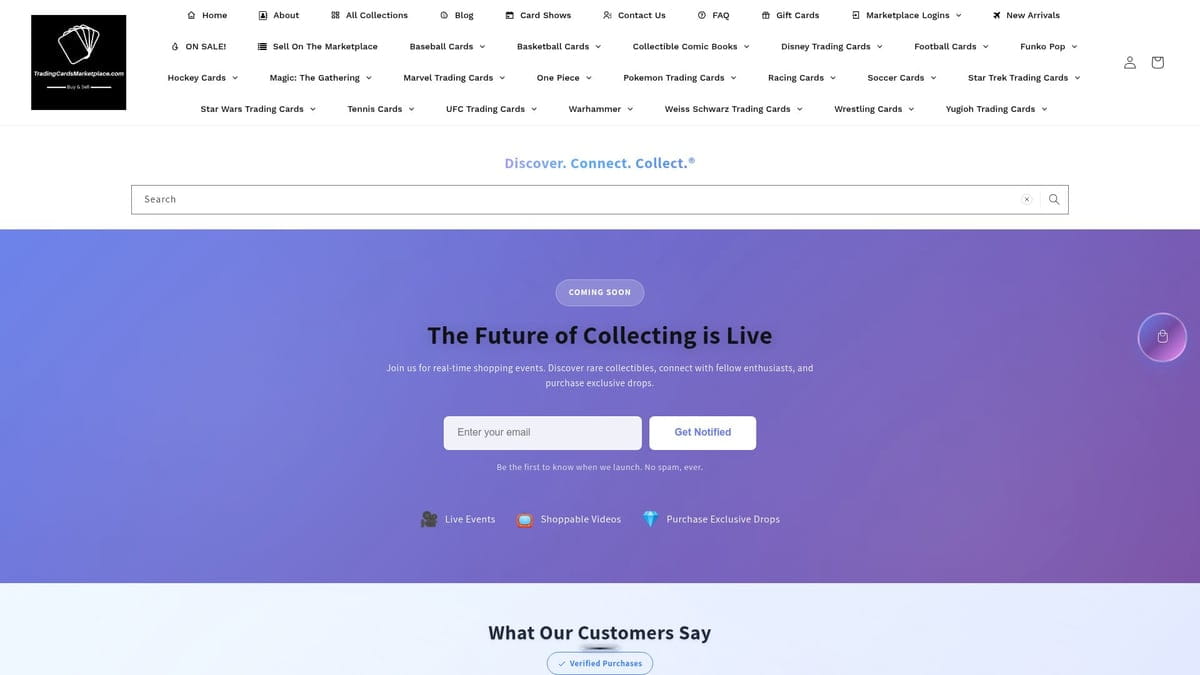
For a reliable and comprehensive shopping experience, TradingCardsMarketplace.com is a top destination for hobby box collectors. The site features a vast selection across sports, gaming, and entertainment, including new releases and hard-to-find boxes from leading brands like Topps and Panini. Collectors benefit from frequent inventory updates, options for graded cards, and secure buying and selling services. The user-friendly interface, dedicated support, and community resources—such as blogs and card show information—make it easy to stay informed and connected. Flexible gifting options and robust transaction protections ensure peace of mind for every hobby box purchase in 2026.
Expert Tips for Opening and Handling Hobby Boxes
Opening a hobby box in 2026 is an event every collector anticipates. To maximize enjoyment, value, and card safety, follow proven strategies from seasoned collectors. Here, you'll find professional insights to help you prepare, open, and manage your hobby box pulls with confidence.
Preparing for the Break: Tools and Setup
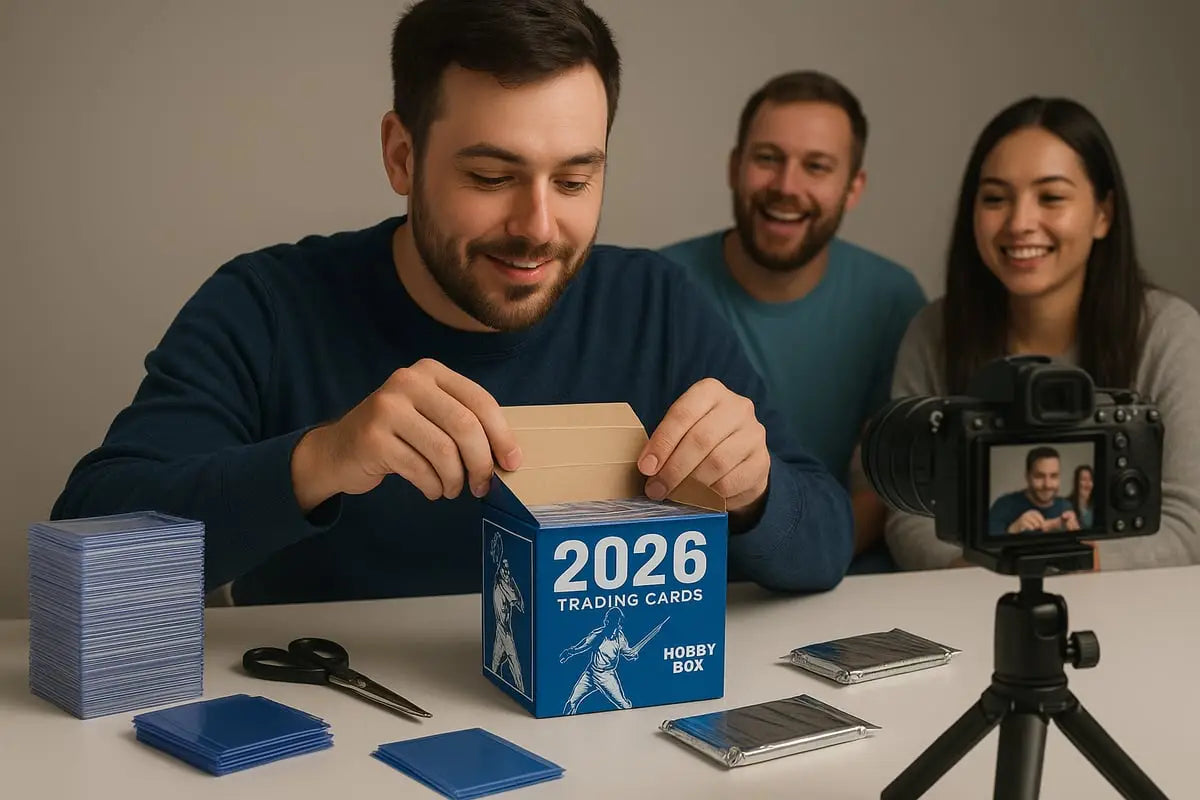
Preparation is essential before breaking open your hobby box. Start by gathering supplies: card sleeves, top loaders, scissors, and a microfiber cloth. Create a clutter-free workspace and ensure proper lighting, especially if you plan to record or stream your session.
A checklist helps prevent mistakes:
- Inspect your hobby box for tampering
- Prepare sleeves and loaders for immediate use
- Set up a camera or phone for documentation
In 2026, 70% of collectors record or stream their hobby box breaks for transparency. Invite friends or join online group breaks to share the excitement and expertise.
Step-by-Step: Opening Your Hobby Box Like a Pro
When opening your hobby box, inspect the outer packaging for damage or signs of resealing. Carefully open each pack, holding cards only by the edges to avoid fingerprints or dings.
Sort your cards as you go—place valuable hits directly into sleeves or top loaders. For especially rare pulls, use a one-touch magnetic holder for added protection. Document significant cards with photos or video, which is useful for insurance and resale purposes. Keep your workspace organized, separating base cards, inserts, and hits for easy cataloging.
Identifying, Protecting, and Storing Key Cards
Spotting valuable cards in a hobby box requires a keen eye for parallels, short prints, and autographs. Use penny sleeves and top loaders immediately for high-value cards.
Best practices for protection include:
- Sleeving autographs or low-numbered cards within minutes
- Labeling top hits clearly for future reference
- Cataloging new additions in a digital or physical inventory
According to recent data, 80% of experienced collectors sleeve valuable pulls within five minutes. For long-term storage, use acid-free boxes or dedicated vaults to maintain condition and value.
Recording and Sharing Your Break Results
Documenting your hobby box break results is key for both personal records and community engagement. Use a high-quality camera or scanner to capture images of your top hits. Share your pulls on social media platforms like Instagram or hobby forums to connect with other collectors.
Consider writing a recap of your hobby box experience for added value and visibility. Videos and detailed photos can increase resale value by 10–15%. Always protect your privacy by sharing only necessary details about your collection.
Handling Redemptions, Errors, and Customer Support
If your hobby box yields a redemption card, follow the manufacturer’s instructions and keep all packaging materials and receipts. Submit your redemption promptly, as timelines may vary by brand. For damaged or misprinted cards, contact customer support with clear photos and purchase proof.
Keep a log of box codes and communication with manufacturers. Recent studies show that 5–10% of hobby boxes include a redemption or error card. For unresolved issues, seek help from collector groups or consider legal recourse when appropriate.
Maximizing Value: Grading, Selling, and Trading Hits
To get the most from your hobby box, decide which cards are worth grading based on their condition and desirability. Top grading companies in 2026 include PSA, BGS, SGC, and CGC. Graded cards can fetch between two and ten times the price of raw cards on the secondary market.
Selling options include auctions, fixed-price listings, and consignment services. Always ship graded or high-value cards using secure, tracked methods. For more expert advice on maximizing your hobby box results, explore these hobby cards collecting tips for additional strategies and insights.
Storing, Displaying, and Insuring Your Collection
Protecting the value and condition of your cards is just as important as the thrill of opening a hobby box. Proper storage, thoughtful display, and comprehensive insurance ensure your collection remains safe and continues to grow in value. As collections expand, digital tools are also becoming essential for modern collectors.
Best Practices for Card Storage and Organization
Storing your cards from a hobby box correctly is the foundation of long-term collecting. Use acid-free sleeves and rigid top loaders for valuable cards. Organize cards by set, year, player, or value to simplify access and tracking.
- Place cards in storage boxes that shield against dust and light.
- Avoid exposure to humidity or direct sunlight, which can damage card surfaces.
- After a large hobby box break, customize your storage to accommodate different card sizes and types.
According to recent surveys, 60% of collectors use dedicated safes or vaults for their hobby box pulls. Digital cataloging also helps you manage and locate cards efficiently.
Showcasing Your Collection: Display Options
A hobby box often yields unique cards worth displaying. Popular display solutions include wall-mounted cases, frames, and stands designed for graded or autographed cards. Rotating the cards on display keeps your collection engaging and allows you to highlight new hobby box hits.
- Use UV-protected glass or acrylic to prevent fading.
- Position displays away from direct sunlight and sources of moisture.
- Combine security features, such as lockable cases, with your display setup.
About 30% of collectors showcase their top hobby box hits in their homes or offices. A well-presented collection not only enhances enjoyment but can also increase perceived value.
Insuring Your Collection: Protecting Your Investment
Insuring your hobby box collection is essential for peace of mind. High-value cards and complete sets should be covered by a homeowner’s rider or a specialized collectibles policy.
- Document your collection with photos and up-to-date appraisals.
- Maintain purchase receipts and grading certificates for proof of value.
- Review your policy annually to reflect changes in your hobby box inventory.
Serious collectors often insure collections averaging over $10,000 in value. In the event of loss or damage, detailed records can streamline the claims process and ensure fair compensation.
Digital Tools for Inventory and Security
Modern collectors use digital tools to track and protect their hobby box cards. Inventory apps and software make it easy to catalog each card, monitor market values, and manage collection growth.
- Use cloud backups to secure your data and images.
- Share inventories for trading, sales, or estate planning.
- Pair digital records with physical security systems for maximum protection.
For more insights on digital innovations and staying ahead in the hobby box world, see The State of Trading Cards in 2026: What Every Collector Should Know. With half of collectors now using digital management, these tools are a vital part of safeguarding your collection.
Advanced Collecting and Investment Strategies for 2026
Staying ahead in the evolving hobby box market requires a strategic approach. Whether you are collecting for passion or profit, advanced strategies can help you maximize both enjoyment and returns. Let us explore the key steps for thriving as a hobby box collector and investor in 2026.
Tracking Market Trends and Card Values
Understanding the current market landscape is essential for any hobby box enthusiast. Card values can fluctuate dramatically in the first six months after a release, driven by player performance, pop culture events, and collector demand. Using price tracking tools and auction data, you can monitor real-time values of recent hobby box hits.
For example, many collectors use online price trackers to identify undervalued boxes and sleeper sets before prices surge. Engaging with hobby forums and social media groups offers timely insights into trending products. According to the Panini Style Collectible Card Market Report 2026, the industry’s growth is accelerating, making informed market tracking more important than ever.
Staying alert to hype cycles helps avoid overpaying when demand spikes. Always review recent sales data before making a hobby box purchase.
Diversifying Your Hobby Box Portfolio
Building a resilient collection means spreading your investments across different categories. By including hobby box products from sports, TCG, and entertainment lines, you can buffer against volatility in any single segment. For instance, a portfolio combining 2026 Topps Baseball, Panini Basketball, and Star Wars Chrome boxes has historically shown 15 percent less value fluctuation than single-sport collections.
Rotating inventory and holding sealed hobby box products for the long term can further reduce risk. Consider tracking emerging brands and categories to spot future growth opportunities. Sealed boxes often appreciate over time, especially when they feature limited print runs or special editions.
Balance your collecting interests and investment goals to create a hobby box portfolio that is both enjoyable and financially sound.
Participating in Group Breaks and Community Collecting
Group breaks have become a cornerstone of the hobby box scene in 2026. By joining team or player break formats, collectors can access high-end hobby box products without the full financial commitment. Data shows that 40 percent of collectors now participate in group breaks monthly, reflecting the popularity and accessibility of this approach.
Choosing reputable breakers and established communities is vital to ensure transparency and fairness. Building relationships within the collecting community offers social and educational benefits, from sharing advice to trading cards and celebrating big pulls together.
Group breaks not only lower the barrier to entry for premium hobby box experiences but also foster a sense of camaraderie and shared excitement.
Planning for the Future: Exit Strategies and Legacy
Every advanced collector needs a well-defined exit strategy. Whether planning to sell part or all of your hobby box collection, timing and preparation are key. For major sales or auction events, document provenance and maintain detailed records to maximize value.
Data indicates that 25 percent of collectors intend to sell their collections within five years. Estate planning is also crucial if your hobby box collection has significant value. Consider passing items to family or donating to charitable causes, ensuring your legacy endures.
Stay adaptable by monitoring market trends and adjusting your approach as the hobby box landscape evolves. A thoughtful exit strategy safeguards both your investment and your collecting legacy.
Whether you are just starting your collecting journey or looking to refine your strategy with the latest 2026 trends, having access to the right hobby boxes—and trusted resources—makes all the difference. We have explored expert tips, market shifts, and advanced storage solutions to help you maximize both enjoyment and investment value. If you are ready to apply these insights and take your collection to the next level, discover a wide range of hobby boxes from leading brands, updated inventories, and secure buying options. Start building your dream collection today—Shop Now.