

The world of sports cards is experiencing a remarkable surge, with collectors and investors driving record sales and excitement in 2026. Recent industry reports highlight tremendous growth, as more people recognize the financial and nostalgic value of sports cards.
Whether you are new to the hobby or a seasoned enthusiast, this guide is designed to provide you with everything you need to navigate the dynamic sports cards landscape this year.
Discover how sports cards have evolved, learn about the latest collecting trends, explore different card types, and gain practical tips for building, protecting, and trading your collection. Get ready to unlock the full potential of your sports cards journey.
The Evolution of Sports Card Collecting
The world of sports cards has experienced a dramatic transformation, captivating collectors new and old. From humble beginnings to a booming market in 2026, the journey of sports cards reflects shifts in culture, technology, and investment. Let us explore how this fascinating hobby has evolved through history, recent booms, and the trends shaping its future.

The History of Sports Cards
Sports cards trace their origins to the late 1800s, when tobacco companies included small cards featuring baseball players in cigarette packs. These early cards were simple, yet they sparked the first wave of collecting enthusiasm. In the 1950s, Topps revolutionized the hobby by standardizing card sizes and focusing on baseball, making their sets instantly recognizable.
Through the decades, new players entered the market. Upper Deck launched in 1989, introducing premium photography and holograms, setting new quality standards. Panini, arriving later, expanded the reach of sports cards worldwide with innovative designs and exclusive licenses. Collectors witnessed shifts in focus, from set building in the 1970s to chasing star rookie cards in the 1990s.
Key milestones include the introduction of autographed cards, game-used memorabilia, and the first serial-numbered parallels. For a deeper dive into the rich background and pivotal moments of the hobby, you can explore this Sports Trading Cards: History & Innovations guide.
| Year | Milestone | Brand |
|---|---|---|
| 1880s | First tobacco sports cards | Various |
| 1952 | Topps baseball set launches | Topps |
| 1989 | Upper Deck introduces holograms | Upper Deck |
| 2009 | Panini acquires NBA license | Panini |
These developments set the stage for the modern era of sports cards.
The Modern Boom: 2020s to 2026
The last few years have seen a remarkable surge in the sports cards market. According to industry reports, the market experienced a 142 percent jump in trading card sales on major platforms since 2020. The pandemic played a significant role, as collectors sought nostalgia and new hobbies during uncertain times.
Digital transformation has been a game changer. NFT sports cards and blockchain authentication brought a new dimension, allowing collectors to buy, sell, and trade digital assets alongside physical cards. Companies responded with limited online releases and exclusive digital content, bridging traditional and modern collecting.
Social media platforms and online communities fueled growth by connecting enthusiasts worldwide. Influencers, live card breaks, and viral content increased awareness and drove demand for rare sports cards. The boom also attracted investors, with high-profile sales making headlines and drawing new participants into the hobby.
Key Drivers of 2026 Trends
Several factors continue to shape the sports cards landscape in 2026. Social media remains a powerful tool for discovery, networking, and showcasing prized collections. Platforms like Instagram and TikTok amplify rookie card hype cycles and highlight breaking news on record-setting sales, such as the recent $8,000 Michael Jordan autograph.
Star athletes and emerging rookies drive demand and set market trends. Collectors closely follow player performance and media buzz, adjusting their strategies accordingly. Technological advancements, including blockchain verification and AR/VR card displays, enhance authenticity and create interactive experiences.
Online communities and digital tools help collectors organize, trade, and protect their sports cards. The hobby is now more accessible, dynamic, and global than ever, with innovation and passion fueling its continued growth.
Types of Sports Cards Every Collector Should Know
The world of sports cards offers collectors a diverse array of options, each with unique appeal and value. Understanding these types is essential for building a well-rounded collection in 2026.
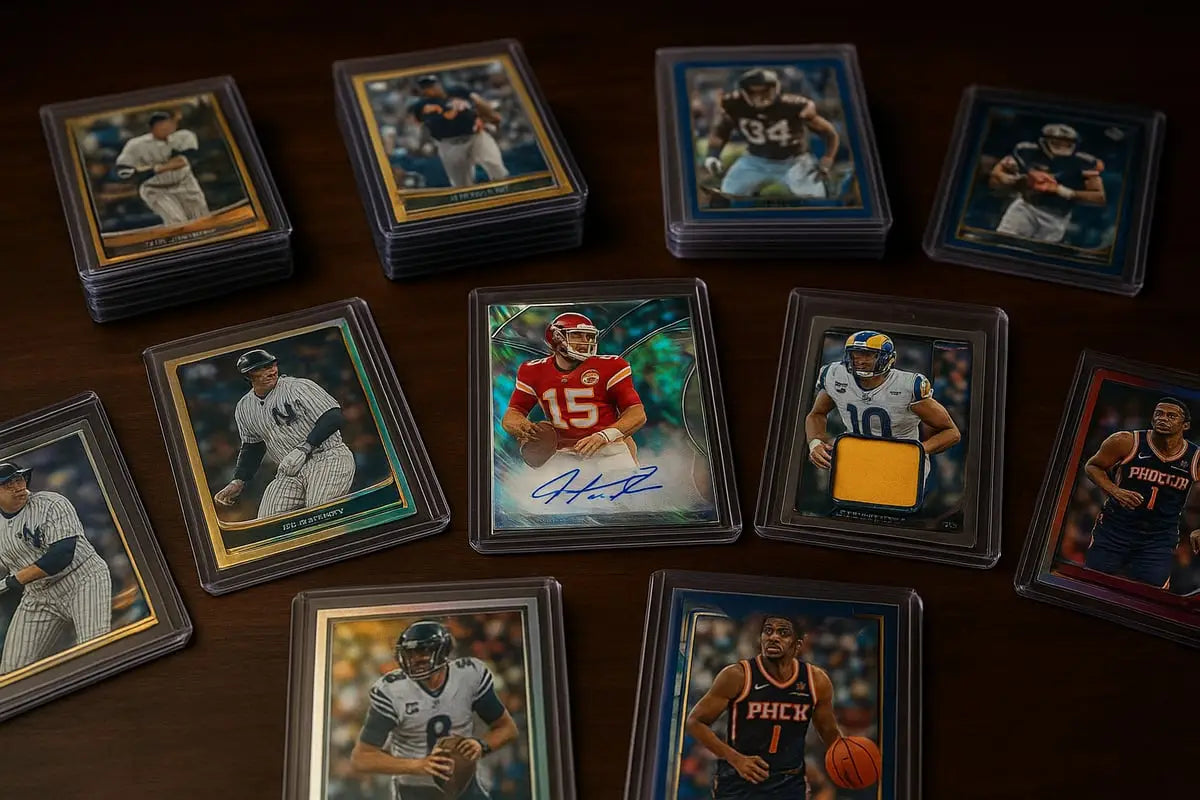
Base Cards, Inserts, and Parallels
Base cards are the foundation of every sports cards set, featuring standard player images and stats. Collectors often use them to complete sets or build team collections.
Inserts are special themed cards randomly packed in boxes. They feature unique artwork, short prints, or tributes to key moments. Parallels are versions of base or insert cards that differ by color, foil, or serial numbering, often limited in quantity.
Popular 2026 parallels include neon refractors and mosaic patterns, which command higher prices due to rarity. Collectors value these sports cards for their visual appeal and investment potential.
Rookie Cards and Autographs
Rookie cards continue to be the most coveted sports cards, marking a player's first official appearance. These cards often become the centerpiece of any collection, especially when the athlete achieves stardom.
Autograph cards add another level of excitement. On-card autographs, where athletes sign directly on the card, are preferred over sticker autos. Recent 2025-2026 rookie releases, like standout NBA and NFL prospects, have driven demand for premium autographed sports cards.
The combination of rookie status and authentic signature can significantly boost a card's desirability and value.
Memorabilia and Patch Cards
Memorabilia cards contain actual pieces of equipment, such as jerseys, bats, or shoes, embedded into the card. Game-worn patches are especially prized, as they connect collectors directly to historic moments.
Event-worn patches, used during promotional events, are also popular but may not carry the same prestige. Unique memorabilia cards, like multi-color patches or logo tags, have become a highlight for high-end sports cards collectors.
These cards offer tangible links to the athletes and moments that define the hobby, making them essential additions to any serious collection.
Graded Cards and Their Importance
Grading has become crucial in the sports cards market. Third-party companies like PSA, BGS, SGC, and CGC assess a card's condition, assigning a grade that can dramatically affect its value and liquidity.
A graded card provides confidence for buyers and sellers, ensuring authenticity and protection against counterfeits. For an in-depth overview, see the Sports Card Grading Guide.
In 2026, graded sports cards are often considered the gold standard for investment and long-term preservation, making grading an essential step for collectors.
Building and Managing Your Collection
Building a successful collection of sports cards in 2026 starts with a clear plan and a passion for the hobby. Whether you are a new or experienced collector, having a strategy ensures you maximize enjoyment and long-term value. Let’s break down the key steps to help you navigate the evolving world of sports cards.
Setting Your Collecting Goals
Start by defining what you want from your sports cards collection. Are you collecting for the love of the game, nostalgia, or as an investment? Some focus on a favorite player, team, or era, while others aim to complete specific sets or chase high-value rookies.
Clarifying your goals shapes every decision you make, from what to buy to how you organize. If investment is your priority, research which sports cards have strong resale potential. Hobbyists might find more joy building themed sets or focusing on personal favorites.
Budgeting and Planning
Establishing a realistic budget is essential for any sports cards collector. Entry-level collecting can start with affordable base cards and packs, while high-end pursuits require significant investment for rare inserts or graded cards.
Track your spending and set limits to avoid overextending. Many collectors allocate a monthly or yearly budget for purchases. Consider future expenses such as grading fees, storage supplies, and attending shows. Planning helps you avoid impulse buys and focus on cards that align with your goals.
Sourcing Cards: Packs, Boxes, Singles
Where you get your sports cards matters. Buying sealed packs and hobby boxes offers the excitement of a surprise, but singles allow you to target specific needs for your collection. Each sourcing method has pros and cons: packs and boxes bring the thrill of the hunt, while singles provide certainty and often better value.
To make informed choices, explore reputable shops, online marketplaces, and card shows. For practical tips on sourcing and trading, visit Sports Card Shop Resources for guidance on navigating today’s market. Diversifying your sources increases your chances of finding rare sports cards and exclusive releases.
Organizing and Cataloging
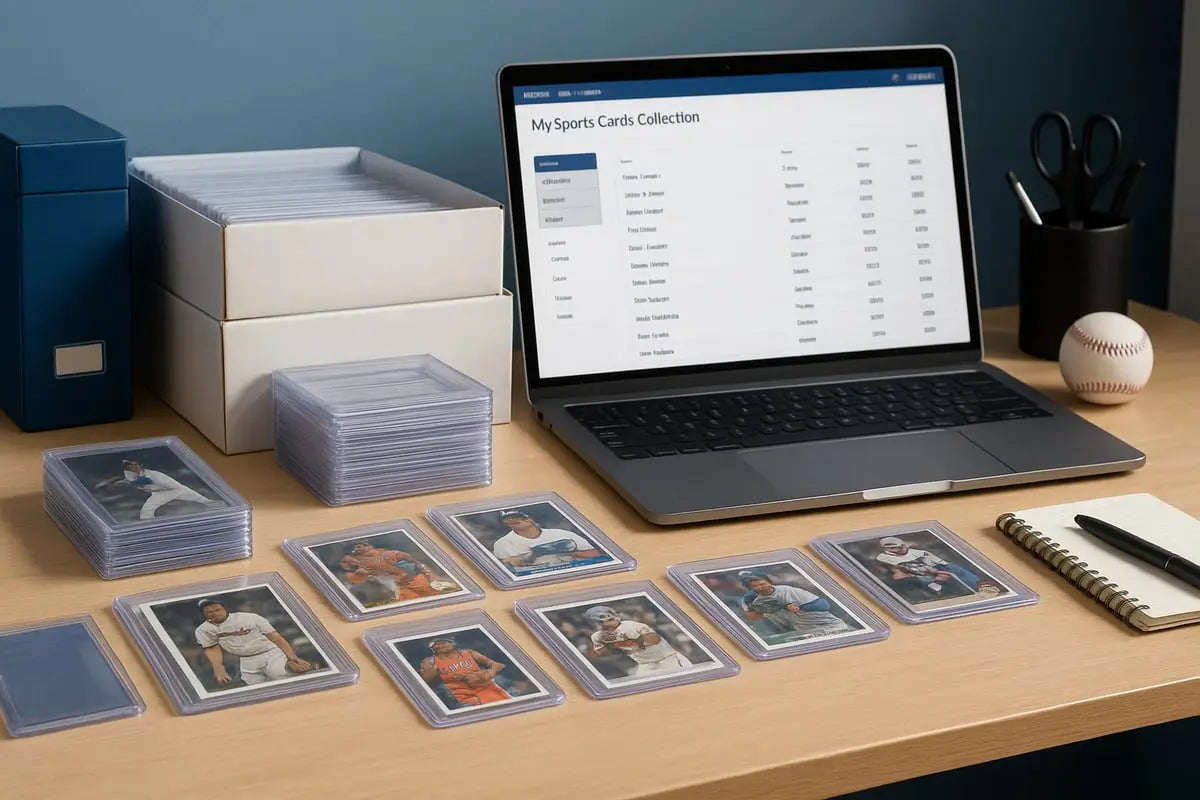
Proper organization protects your investment and enhances enjoyment. Use digital inventory apps to track your sports cards, noting details like condition, value, and location. Popular tools let you scan barcodes or add photos for easy access.
Physical organization matters too. Store cards in labeled boxes, binders, or top loaders, and sort by sport, year, or player. Regularly updating your catalog helps you avoid duplicates and quickly locate specific sports cards when trading or selling.
Trading and Networking
Connecting with fellow collectors is vital for expanding your sports cards collection. Participate in online forums, join local card shows, and attend trading events to discover new opportunities. Building relationships opens doors to exclusive deals and insights into market trends.
Trading allows you to fill gaps in your collection and share your passion with others. Stay active in the community by offering fair trades, seeking advice, and keeping up with the latest news. Networking strengthens your knowledge and helps you get the most from your sports cards journey.
The Role of Grading and Authentication in 2026
Grading and authentication have become the backbone of the sports cards market in 2026. Collectors and investors alike rely on these services to ensure authenticity, maximize value, and protect their investments. As the hobby grows, understanding grading's role is essential for anyone serious about sports cards.
Why Grading Matters More Than Ever
In 2026, grading is more important than ever for sports cards. Recent data shows that graded cards consistently sell for two to ten times more than their raw counterparts. This premium is driven by buyer confidence in a card's condition and authenticity.
Grading also protects against the growing threat of counterfeits and altered sports cards. As technology improves, so do the tactics of counterfeiters. Professional grading companies use advanced tools and rigorous standards to verify cards, making it much harder for fakes to enter the market.
For collectors, a graded card provides peace of mind and a clear benchmark for value. Whether you are collecting for passion or investment, prioritizing grading is a smart move to safeguard your sports cards.
Major Grading Companies and Their Processes
Several leading companies dominate the grading landscape for sports cards: PSA, BGS, SGC, and CGC. Each has its own grading scale and reputation within the hobby. In 2026, these companies have introduced innovations like faster turnaround times and AI-assisted grading for more consistent results.
- PSA (Professional Sports Authenticator): Known for its strict grading standards and high resale value.
- BGS (Beckett Grading Services): Popular for subgrades and detailed slabs.
- SGC (Sportscard Guaranty Corporation): Recognized for vintage expertise.
- CGC (Certified Guaranty Company): Gaining ground with modern and non-sports cards.
For a detailed comparison of grading companies and their market impact, see this Top Card Grading Companies Ranked guide. Choosing the right grader can significantly affect your sports cards' value and liquidity.
How to Submit Cards for Grading
Submitting sports cards for grading involves several steps. First, choose the grading company that fits your collection goals. Next, create an online submission account and fill out the required forms. Carefully package each card using sleeves and top loaders to prevent damage.
Send your package using a tracked and insured shipping method. Most companies will update you through each stage of the process, from receipt to grading and return shipping. Fees vary by service level and card value, with standard turnaround times ranging from a few weeks to several months in 2026.
Plan your submissions around card release schedules and market demand. Proper timing can help you maximize the potential value of your sports cards.
Reading a Graded Card Slab
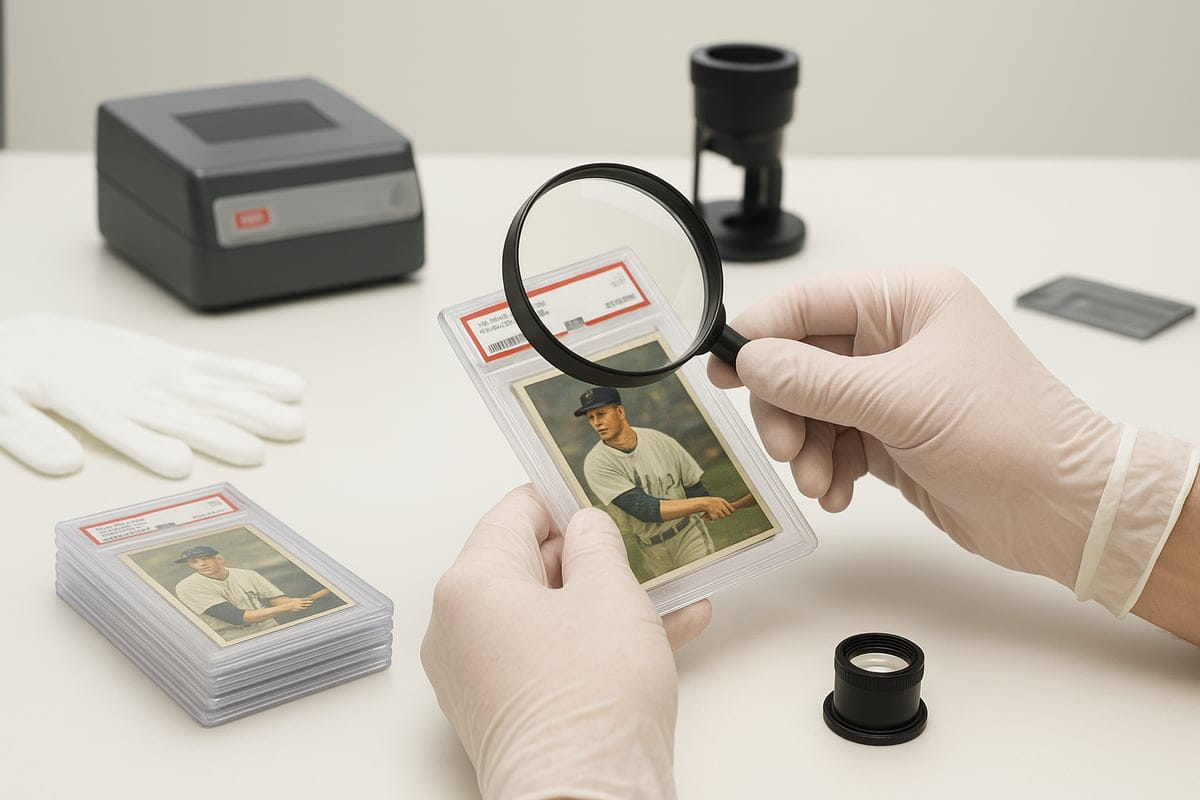
Understanding a graded card slab is essential for evaluating sports cards. Each slab displays the card's grade, typically on a 1-10 scale, with higher numbers indicating better condition. Some companies provide subgrades for centering, corners, edges, and surface, offering deeper insight into the card's quality.
Population reports, available on grading company websites, show how many copies of a specific card have received each grade. This information helps collectors assess rarity and market value. Learning to interpret slab details ensures you make informed decisions when buying or selling sports cards.
Buying and Selling Sports Cards Online
Navigating the online world of sports cards in 2026 presents collectors and investors with more opportunities than ever before. Whether you are searching for rare finds or looking to sell prized cards, understanding the digital landscape is essential for success. With so many platforms and trends evolving rapidly, it is crucial to stay informed and make smart choices every step of the way.
The Best Online Platforms in 2026
In 2026, several platforms stand out for buying and selling sports cards. eBay remains the industry leader, boasting over 60,000 items sold from top stores each month. Its robust search features and buyer protections make it popular among both new and experienced collectors.
Specialized marketplaces like TradingCardsMarketplace.com, COMC, and Goldin Auctions focus exclusively on sports cards and memorabilia. These sites offer curated selections, authentication services, and secure payment options, making them ideal for high-value transactions.
Auction sites continue to gain traction, providing a competitive environment for rare or graded cards. For those seeking a community-driven experience, online forums and social media groups offer direct trading opportunities and peer-to-peer sales. Regardless of the platform, always review terms and conditions before listing or purchasing.
How to Evaluate Sellers and Listings
When buying sports cards online, evaluating the credibility of sellers is essential. Start by checking feedback ratings and reading recent reviews. Reputable sellers provide clear, high-resolution images of cards, detailed descriptions, and information about card condition and grading.
Look for listings with authenticity guarantees or return policies. These features signal a trustworthy seller who stands behind their products. Be cautious of deals that appear too good to be true, as scams and counterfeit cards are still concerns in the digital marketplace.
Consider reaching out to sellers directly with questions about the sports cards you are interested in. Open communication builds trust and helps you make informed decisions. Trusted sellers are transparent about shipping times, packaging, and any potential flaws in the cards.
Pricing Strategies and Market Trends
Setting the right price for sports cards requires a careful look at recent market data. Use completed sales on major platforms to gauge current values. Factor in card condition, grading, rarity, and player performance, as these elements heavily influence demand and price fluctuations.
Seasonal trends, such as the start of a sports season or major events like championships, can cause spikes in card values. Staying updated on Sports Trading Card Market Trends will help you anticipate shifts and make strategic buying or selling decisions.
To maximize returns, consider listing sports cards during peak demand periods or after standout player performances. Regularly monitor the market to adjust your pricing and stay competitive. Patience and timing often lead to the best results in this fast-moving environment.
Safe Shipping and Payment Methods
Protecting your investment when shipping sports cards is vital. Always use top loaders, team bags, and bubble mailers to prevent damage during transit. For high-value or graded cards, opt for signature confirmation and insurance for added peace of mind.
Select secure payment platforms such as PayPal Goods & Services or escrow services provided by reputable marketplaces. These methods offer buyer and seller protection, reducing the risk of fraud. Avoid wire transfers or payment methods that lack security features.
After completing a sale, promptly provide tracking information and maintain clear communication with buyers. Following these best practices ensures a smooth transaction and builds your reputation within the sports cards community.
Protecting and Preserving Your Collection
Safeguarding your sports cards is essential for maintaining their value, appearance, and long-term investment potential. Whether you are a hobbyist or a seasoned investor, knowing how to protect your collection ensures it stands the test of time and market shifts.
Proper Storage Solutions
The foundation of protecting sports cards lies in using the right storage methods. Start with penny sleeves, which offer a basic layer of defense against scratches and fingerprints. For added protection, place cards in rigid top loaders or magnetic holders, especially for high-value or graded items.
Climate control is equally important. Store your sports cards in a cool, dry environment to prevent warping, fading, or mold growth. Avoid direct sunlight and fluctuating temperatures. Use storage boxes specifically designed for cards and keep them off the floor to reduce the risk of water damage.
By investing in quality storage, you can ensure your sports cards remain in pristine condition for years to come.
Insurance and Documentation
As the value of sports cards continues to rise, insuring your collection becomes increasingly important. Make a detailed inventory, including photos, serial numbers, and authentication details for each card. This documentation streamlines the claims process and helps establish proof of ownership.
Consider the current market value when determining your insurance coverage. Referencing resources like the Sports Trading Card Market Size & Industry Report can help you understand industry trends and accurately estimate your collection's worth. Store backup copies of your records digitally and offsite for added security.
Proper documentation and insurance provide peace of mind, protecting your investment against unexpected loss.
Handling and Displaying Cards
Handling sports cards with care is critical for preservation. Always wash and dry your hands before touching cards, and avoid eating or drinking nearby. Use both hands to support the card, holding it by the edges to prevent fingerprints or bends.
When displaying your collection, opt for UV-protected frames and display cases. This shields sports cards from harmful light exposure and dust. Rotating displayed cards periodically can minimize potential damage and keep your showcase looking fresh.
By following these handling and display practices, you safeguard both the appearance and value of your sports cards.
Preventing Loss and Theft
Protecting your sports cards from loss or theft involves multiple layers of security. Install home security systems and consider storing your most valuable cards in a safe deposit box or a high-security home safe.
Keep a current inventory and update it whenever you acquire or sell cards. If theft or disaster occurs, contact authorities and your insurance provider immediately, providing them with your documentation and photos.
By proactively addressing risks, you ensure your sports cards collection is protected against unforeseen threats and can recover quickly if needed.
The Future of Sports Card Collecting: Trends to Watch in 2026 and Beyond
The landscape of sports cards is evolving rapidly, shaped by innovation, global demand, and new collector expectations. As we look ahead, several trends are setting the stage for how collections will be built, valued, and enjoyed. Whether you are a seasoned investor or a newcomer, understanding these emerging shifts is key to staying ahead in the world of sports cards.
Digital Cards and Blockchain Authentication
Digital transformation is revolutionizing sports cards. The rise of NFTs and blockchain technology has introduced digital cards that offer verifiable ownership and provenance. Collectors can now buy, sell, and trade digital assets alongside traditional cardboard, making the hobby more accessible and secure.
Blockchain authentication helps prevent counterfeiting, and platforms are integrating AI to verify authenticity in real time. Major sports leagues have launched their own digital collections, with basketball at the forefront. For a deeper look at how basketball cards are leading digital innovation, see NBA Trading Cards Insights.
Augmented Reality and Interactive Cards
Augmented reality is adding a new dimension to sports cards. In 2026, collectors can use their smartphones or AR glasses to unlock interactive experiences, such as 3D player highlights or real-time stats, by scanning physical cards.
Major releases from 2025 and 2026 feature AR-enabled inserts that bring athletes to life right on your desk. These innovations not only enhance the thrill of collecting but also attract younger audiences to sports cards, ensuring the hobby remains vibrant and relevant.
Sustainability and Eco-Friendly Initiatives
Sustainability is becoming a priority in the world of sports cards. Manufacturers are adopting biodegradable packaging and eco-friendly printing processes to reduce environmental impact. Collectors now seek out brands that prioritize green initiatives, making sustainability a competitive advantage.
Companies leading the charge are introducing recycled materials for card stock and packaging, responding to collector demand for responsible practices. As more sports cards embrace eco-friendly solutions, the hobby is aligning with broader global values.
Globalization of the Hobby
The global market for sports cards is expanding at an unprecedented rate. Collectors from Asia, Europe, and South America are fueling demand for both local and international sports cards, driving up values and creating new opportunities.
International trading platforms and improved shipping logistics make it easier than ever to buy, sell, and trade cards across borders. As the hobby becomes more interconnected, understanding global trends is essential for anyone serious about sports cards.
Community and Social Engagement
Community engagement is at the heart of the sports cards resurgence. Influencers, live streaming card breaks, and social media groups are connecting collectors worldwide, turning card collecting into a shared, interactive experience.
Card shows and conventions in 2026 are larger and more diverse, with online meetups allowing collectors to build relationships and share insights. For those interested in the basketball community's impact on the hobby, NBA Trading Cards Insights provides valuable perspectives on trends and engagement.
Now that you’ve explored the evolving world of sports card collecting in 2026—from historic milestones to cutting edge trends and the essentials of protecting your collection—you might be wondering where to find the best cards and trusted resources. Whether you’re just starting out or looking to expand your collection with graded cards, memorabilia, or the latest releases, having a reliable marketplace makes all the difference. At TradingCardsMarketplace.com, you’ll discover a curated selection, secure checkout, and a supportive community that understands collectors’ needs. Ready to take your next step in this exciting hobby?
Shop Now


