

Sports card collecting is experiencing explosive growth as 2026 approaches, drawing in both seasoned enthusiasts and a new wave of collectors. Today’s collectors expect more than just transactions when they visit a sports card shop—they crave unique, interactive experiences that foster excitement and community. For shop owners, adapting to these evolving demands is not just smart, it is essential for long-term success. In this article, discover seven innovative sports card shop ideas designed to captivate collectors in 2026, from cutting-edge technology to community engagement and unforgettable in-store events.
The Future of Sports Card Shops: Trends Shaping 2026
The landscape for every sports card shop is evolving rapidly as we approach 2026. Collectors expect more than simple transactions—they want immersive, tech-driven, and community-focused experiences. Several key trends are shaping the next generation of shops, driving innovation and new business models. For a detailed look at market growth and forecasts, review the latest Sports Trading Card Market Trends.
The Rise of Digital and Hybrid Collecting Experiences
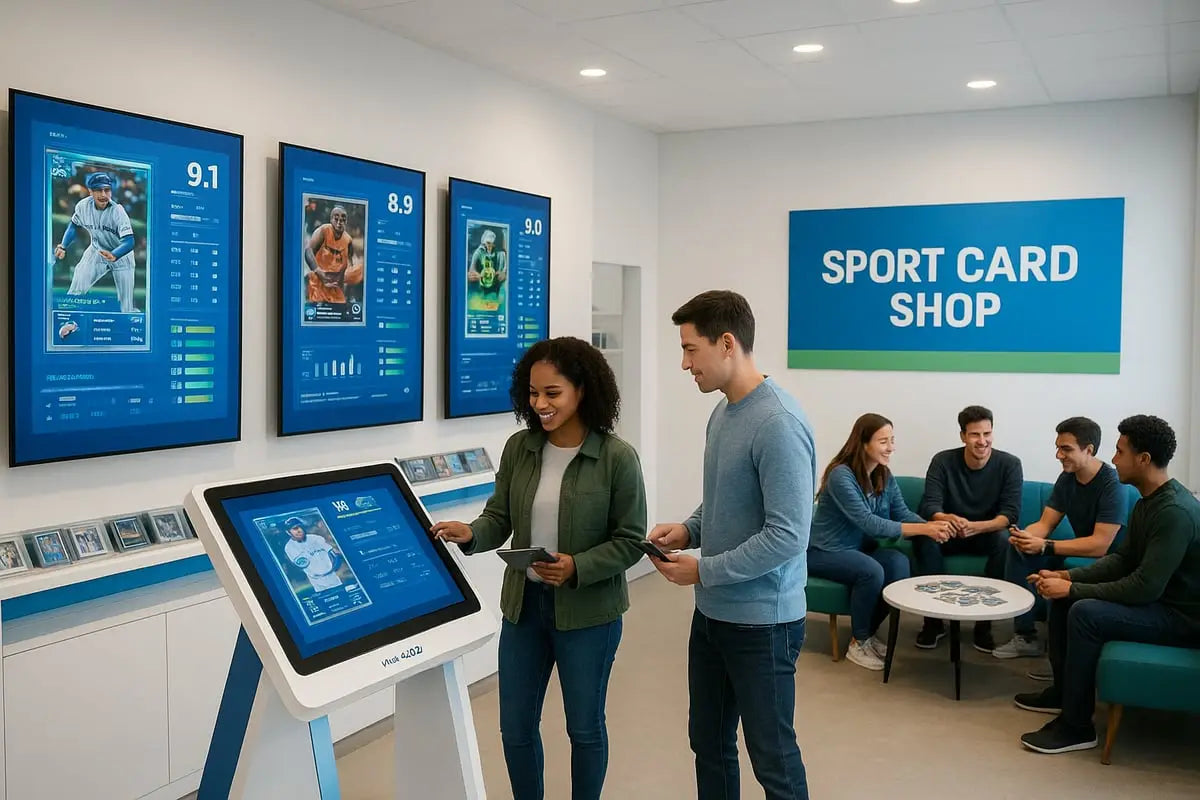
Digital collectibles are transforming the sports card shop experience. NFT integrations and blockchain authentication give collectors new ways to engage with both digital and physical cards. Shops now blend physical packs with digital redemption codes, appealing to a broader audience.
Major brands, such as Panini and Topps, have launched digital platforms alongside traditional offerings. This hybrid approach attracts tech-savvy buyers while future-proofing the sports card shop for the next generation of collectors.
Community-Driven Collecting and Events
A thriving sports card shop is no longer just a retail space, but a hub for community. In-person events, local trading nights, and collector meetups are growing in popularity. Statistics show a notable rise in card show attendance and local trading events since 2024.
Shops that offer engaging community spaces foster relationships and loyalty among collectors. Hosting regular events increases foot traffic and positions the sports card shop as a center for hobbyists of all ages.
Tech-Enhanced Shopping and Authentication
Technology is reshaping how collectors interact with every sports card shop. AI grading solutions, augmented reality card previews, and smart store layouts build trust and transparency. For example, AR lets customers preview card stats and history before making a purchase.
These innovations not only boost confidence in card authenticity but also make the in-store experience more dynamic. As technology advances, the sports card shop that embraces these tools will stand out in a crowded market.
Sustainability and Ethical Collecting
Eco-friendly practices are becoming central to the modern sports card shop. Collectors now expect recyclable packaging and ethically sourced collectibles. Some shops have introduced recycling programs for used card supplies and storage solutions.
These initiatives appeal to environmentally conscious families and younger collectors. By prioritizing sustainability, a sports card shop builds a positive brand image and meets evolving consumer demands.
Personalized and Curated Collector Services
Personalized service is a hallmark of the leading sports card shop in 2026. Collectors want tailored recommendations, subscription boxes, and concierge-level support. Shops that curate offerings based on collector preferences see higher satisfaction rates.
Subscription services, in particular, provide recurring revenue and deepen customer loyalty. By delivering a unique, individualized experience, the sports card shop keeps collectors engaged and coming back for more.
7 Brilliant Sports Card Shop Ideas for Collectors in 2026
Collectors in 2026 are looking for more than just a place to buy cards. The modern sports card shop must blend technology, community, and unique experiences to stay ahead. Below, discover seven innovative strategies that can transform any sports card shop into a thriving hub for collectors, investors, and families alike.
1. Launch a Hybrid Physical-Digital Card Experience
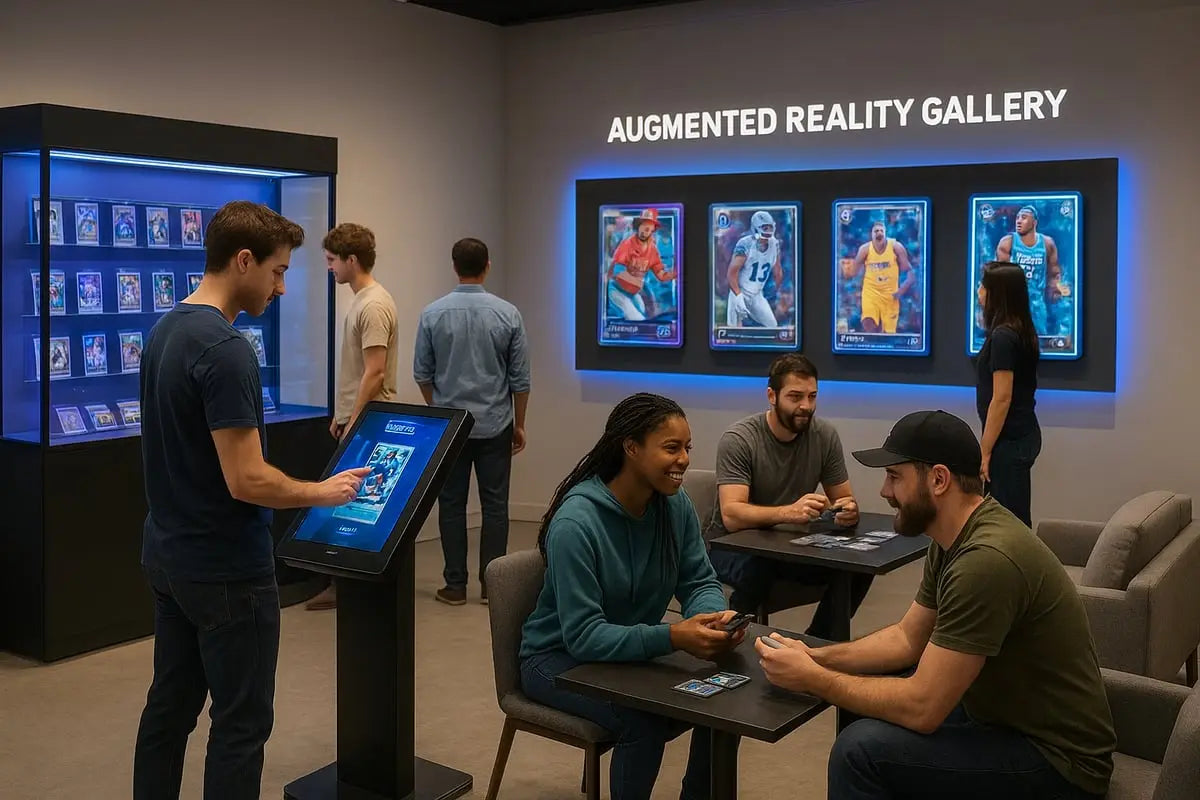
The future of the sports card shop lies at the intersection of physical and digital collecting. By integrating digital collectibles such as NFTs and blockchain-verified cards alongside traditional inventory, a sports card shop can appeal to both tech-savvy newcomers and seasoned collectors.
Offer digital redemption codes with every physical pack. This approach incentivizes customers to engage across both mediums, creating a seamless collecting experience. Partnering with established NFT platforms for exclusive shop-only drops can further set your sports card shop apart from competitors.
A practical example is the collaboration between leading card brands and digital platforms, as detailed in Digital and Physical Card Evolution. These partnerships demonstrate how a sports card shop can expand its audience and future-proof its business by embracing hybrid models.
Pros and Cons Table
| Pros | Cons |
|---|---|
| Attracts younger collectors | Requires tech investment |
| Expands customer base | Needs staff training |
| Future-proofs shop | May face digital adoption curve |
Embracing this strategy means your sports card shop remains relevant as collecting habits evolve. It also positions your business as a leader in the rapidly changing hobby landscape.
2. Host Live Pack Breaks and Streaming Events
Live pack breaks and streaming events are redefining the sports card shop experience. Hosting these events, both in-store and online, allows collectors to participate regardless of location.
Utilize platforms such as YouTube, Twitch, and Instagram Live to broadcast events. Integrate interactive chat, instant giveaways, and group breaks to foster excitement and engagement. This approach appeals to social collectors and those unable to visit the sports card shop in person.
Key features of successful streaming events include:
- Real-time audience interaction
- Scheduled group breaks for popular releases
- Exclusive in-stream promotions
The sports card shop benefits by increasing brand visibility and building a loyal community. Repeat business is driven by the excitement and anticipation these events create.
Pros and Cons Table
| Pros | Cons |
|---|---|
| Builds community | Requires streaming equipment |
| Boosts sales | Needs moderation and planning |
| Drives repeat engagement | Technical hurdles for beginners |
By leveraging streaming, your sports card shop can create buzz and stand out in a crowded market. The result is a dynamic, interactive environment that keeps collectors coming back.
3. Create Collector Subscription Boxes
Subscription boxes are a powerful way for a sports card shop to generate recurring revenue and deepen customer loyalty. By curating monthly or quarterly boxes tailored to individual interests—such as rookie cards, vintage selections, or graded cards—you provide collectors with an ongoing sense of discovery.
Offer tiered pricing options, for example:
- $29.99/month: Starter box with recent releases
- $49.99/month: Mid-tier box with exclusive merchandise
- $99.99/month: Premium box with limited-edition cards and supplies
Collaborate with brands to include exclusive items or early access to new releases. Predictable income helps your sports card shop plan inventory and staffing more effectively.
Pros and Cons Table
| Pros | Cons |
|---|---|
| Recurring revenue | Requires inventory forecasting |
| Customer retention | Box assembly logistics |
| Increases shop loyalty | Managing personalized curation |
This approach not only secures steady income for your sports card shop but also fosters a sense of anticipation and exclusivity among your customers.
4. Offer On-Site and Remote Grading Services
Authentication and grading are crucial for serious collectors and investors. By partnering with reputable grading companies such as PSA, BGS, or CGC, your sports card shop can provide in-store drop-offs and consultations that boost credibility.
Install virtual grading submission kiosks to serve remote collectors. Offer pre-grading assessments and bulk submission discounts to add value. These services differentiate your sports card shop, making it a trusted destination for authentication and investment-grade transactions.
Key Features:
- Secure card handling
- Staff trained in grading procedures
- Transparent submission tracking
Pros and Cons Table
| Pros | Cons |
|---|---|
| Attracts serious collectors | Requires staff expertise |
| Increases foot traffic | Secure handling protocols needed |
| Adds value to shop | Dependent on grading company TAT |
A focus on grading ensures your sports card shop meets the needs of collectors seeking authentication, helping you stand out in today’s competitive market.
5. Develop an In-Store AR Card Gallery
Augmented reality (AR) is transforming the sports card shop into a cutting-edge destination. Install AR displays or interactive kiosks that allow visitors to preview cards, view player stats, and access historical data through tablets or smartphones.
Create immersive experiences such as virtual “try before you buy” previews and AR overlays showcasing player highlights. These features not only educate newer collectors but also make the sports card shop more engaging for all ages.
Benefits:
- Modernizes the in-store experience
- Appeals to tech enthusiasts
- Encourages longer visits
Pros and Cons Table
| Pros | Cons |
|---|---|
| Enhances engagement | Upfront tech investment |
| Educates customers | Maintenance and updates needed |
| Differentiates shop | Requires digital content creation |
By embracing AR, your sports card shop becomes a destination, not just a store, providing a memorable and interactive collecting journey.
6. Build a Collector Lounge and Trade Hub
Creating a comfortable, Wi-Fi-enabled lounge within your sports card shop fosters community and encourages collectors to connect. Designate space for trading, research, and relaxation, and host regular events like trading nights, hobby workshops, and expert Q&A sessions.
Equip the area with:
- Charging stations for devices
- Card sorting tables
- Refreshments and snacks
This setup increases dwell time, builds loyalty, and drives word-of-mouth marketing for your sports card shop.
Pros and Cons Table
| Pros | Cons |
|---|---|
| Fosters community | Requires dedicated space |
| Drives loyalty | Ongoing event planning |
| Appeals to families | Additional operational costs |
A collector lounge transforms your sports card shop into a local hub, making it the go-to place for both seasoned and novice collectors.
7. Implement Eco-Friendly and Sustainable Practices
Sustainability is increasingly important to collectors and families. By adopting eco-friendly packaging, LED lighting, and digital receipts, your sports card shop demonstrates a commitment to ethical collecting.
Introduce trade-in programs for used supplies and promote partnerships with green suppliers. Highlight sustainability efforts in marketing, such as running “Green Collector” campaigns or offering discounts for eco-friendly actions.
Benefits:
- Appeals to environmentally conscious customers
- Enhances brand image
- Potential for long-term cost savings
Pros and Cons Table
| Pros | Cons |
|---|---|
| Positive brand reputation | Initial higher material costs |
| Attracts new demographics | Supplier sourcing challenges |
| Potential cost savings | May require staff training |
By making sustainability a core part of your sports card shop strategy, you create a positive impact on both the environment and your business reputation.
Maximizing Revenue and Customer Engagement with Innovative Shop Strategies
In 2026, maximizing revenue and deepening customer engagement require a modern approach for every sports card shop. Successful shops blend technology, community, and strategic thinking to stand out in a competitive landscape. Below, we explore five actionable strategies for future-focused shop owners.
Leveraging Technology for Sales and Loyalty
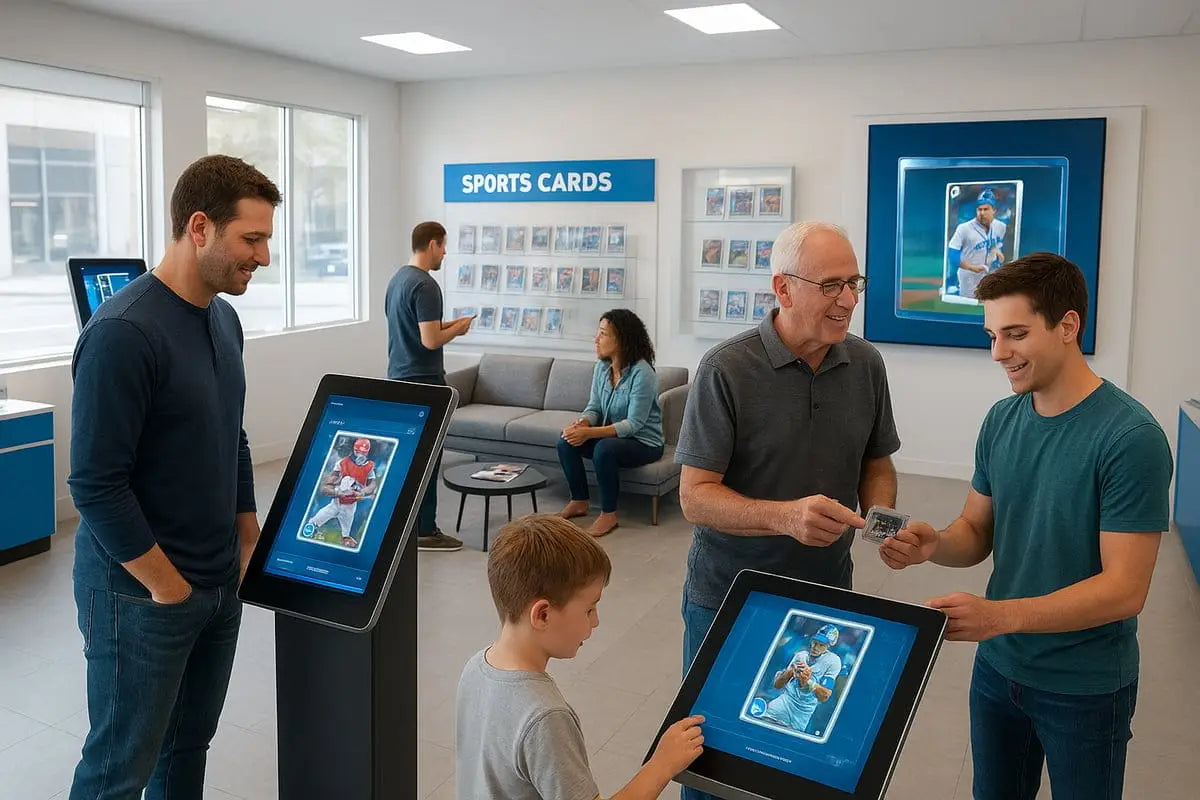
Adopting advanced technology can transform the sports card shop experience. Customer Relationship Management (CRM) systems streamline interactions, while loyalty apps reward repeat visits and purchases. Shops can use AI-driven tools to recommend products based on collector history, increasing the likelihood of return visits.
Personalized marketing, such as targeted emails or push notifications, keeps collectors informed about new arrivals and exclusive offers. In-store digital kiosks or AR previews also create memorable experiences, setting a sports card shop apart from the competition.
Community Building and Retention
Building a loyal collector community is vital for any sports card shop. Hosting exclusive events, creating collector clubs, and launching referral programs help foster meaningful relationships. According to industry data, shops with active communities see up to 30 percent higher retention rates.
Participating in or promoting upcoming sports card shows is another effective way to connect collectors and grow a shop’s reputation. These gatherings encourage networking, trading, and shared enthusiasm, all of which drive engagement and business growth.
Diversifying Product Offerings
Expanding inventory is a proven method for boosting sales in a sports card shop. In addition to traditional sports cards, offering comic books, Funko Pops, and other pop culture collectibles attracts a broader audience. Shops that cater to diverse collector interests often report increased foot traffic and higher transaction values.
Staying informed about market trends is crucial. For example, reviewing resources like the NBA trading cards guide can help a sports card shop curate inventory that aligns with current collector demand and seasonal trends.
Strategic Partnerships and Collaborations
Forming partnerships with local artists, athletes, or influencers opens up new opportunities for a sports card shop. Collaborations can lead to exclusive card releases, special events, or limited-edition merchandise. These initiatives not only boost sales but also broaden the shop’s reach within the community.
Featuring local talent or hosting athlete signings can generate excitement and attract new visitors. Such partnerships position the sports card shop as a dynamic hub for both collectors and creators.
Data-Driven Decision Making
Making informed decisions is essential for ongoing growth. Tracking sales trends, gathering customer feedback, and analyzing market data allow a sports card shop to refine its offerings and respond quickly to changing preferences.
By leveraging real-time analytics, owners can identify best-sellers, predict demand, and adjust marketing strategies. This proactive approach ensures that the sports card shop remains agile and competitive in a rapidly evolving marketplace.
Overcoming Common Challenges for Sports Card Shops in 2026
Running a sports card shop in 2026 means facing challenges that require agility and foresight. Supply chain issues and inventory shortages can be managed with flexible sourcing and strong supplier relationships. Counterfeit cards remain a concern, but adopting robust authentication methods, such as advanced grading systems, helps protect your business and customers.
Rising operational costs can be reduced through automation and digital management tools. Staying relevant means adapting to evolving collector interests and embracing new trends. Continuous learning, gathering community feedback, and updating shop practices ensure long-term success for every sports card shop owner.
As we look ahead to 2026, it’s clear that sports card collecting is evolving faster than ever—from digital innovations and immersive in-store experiences to sustainable practices and community-driven events. If you’re ready to take your collection to the next level or simply want to explore what’s new in the world of trading cards and collectibles, I invite you to discover a trusted source that’s keeping pace with these trends. Whether you’re a seasoned collector or just starting out, you’ll find the latest releases, exclusive products, and expert support when you Shop Now.


