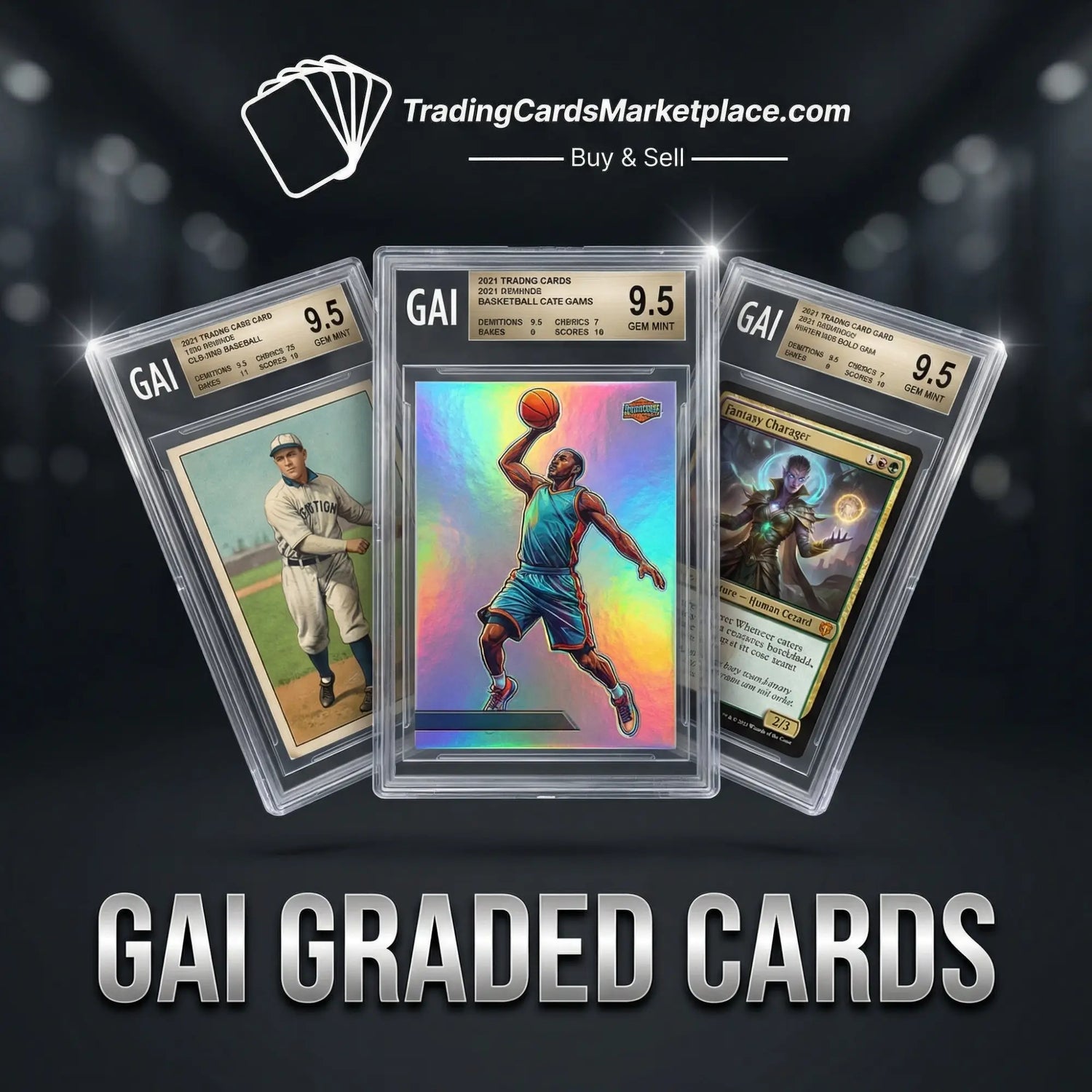
The Origin & Lore: GAI Graded Cards represent an important chapter in...
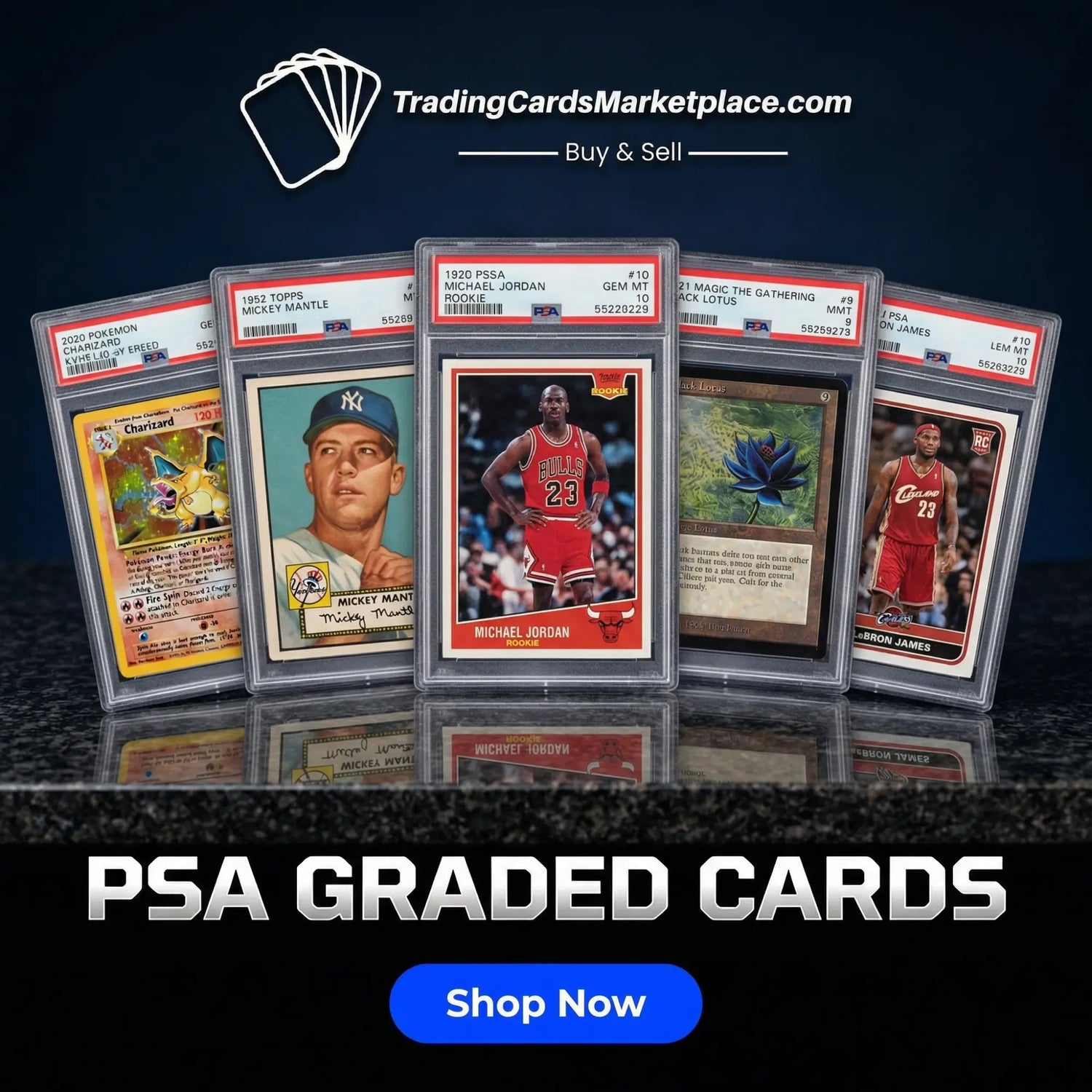
The Origin & Lore: The PSA Graded Cards collection encompasses a significant...
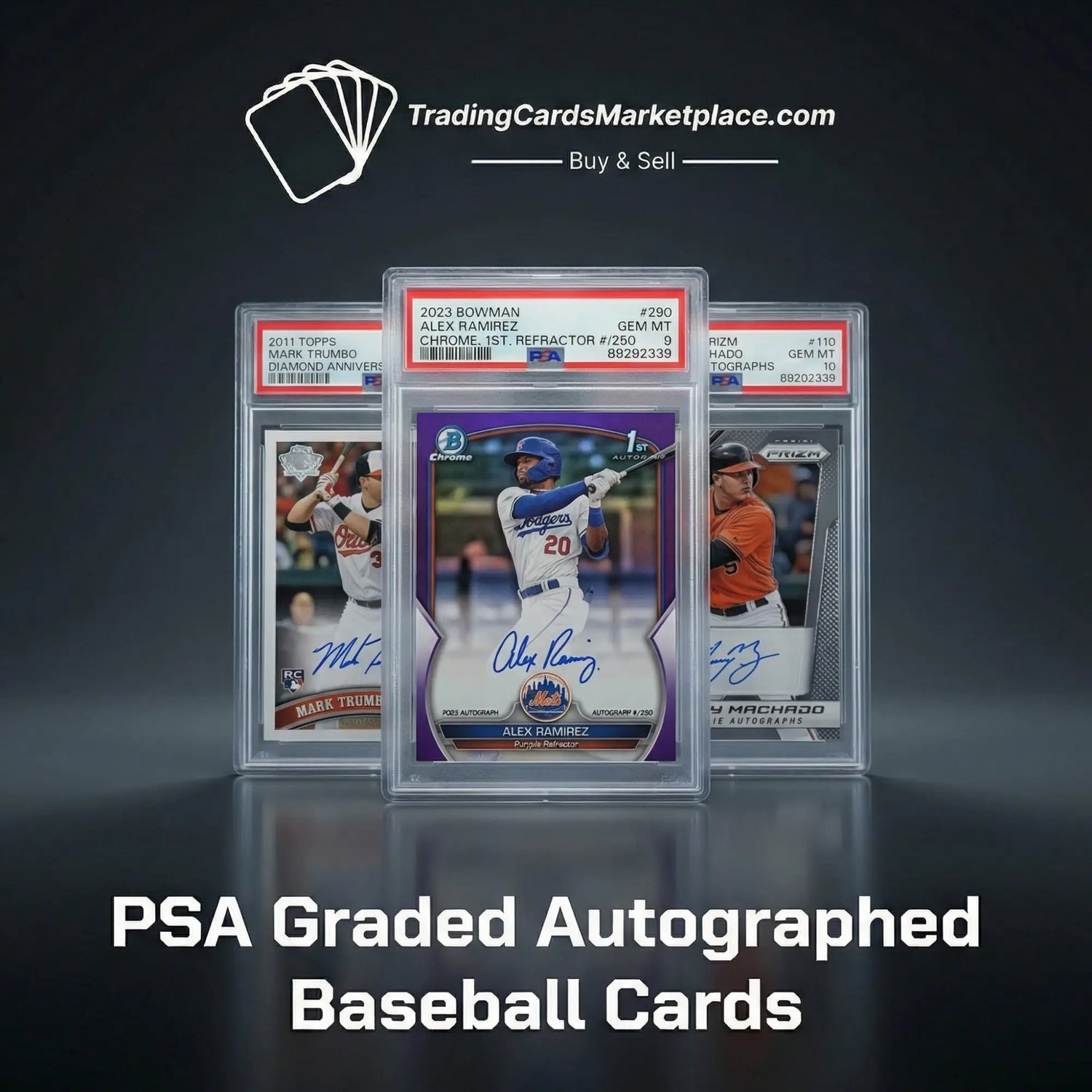
The Origin & Lore: The PSA Graded Autographed Baseball Cards collection stands...
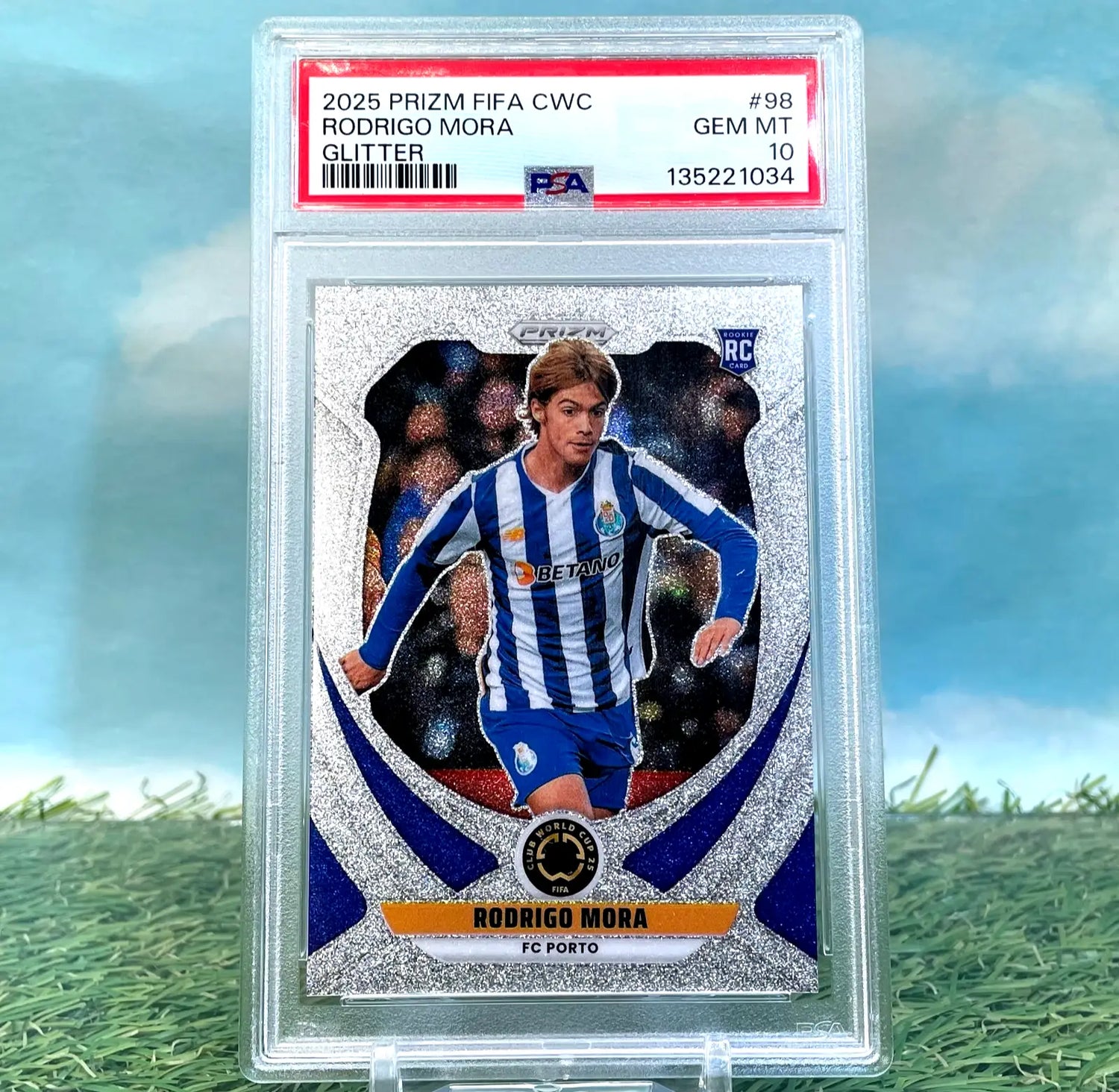
```html The Origin & Lore: Graded Cards have become a significant sub-collection...
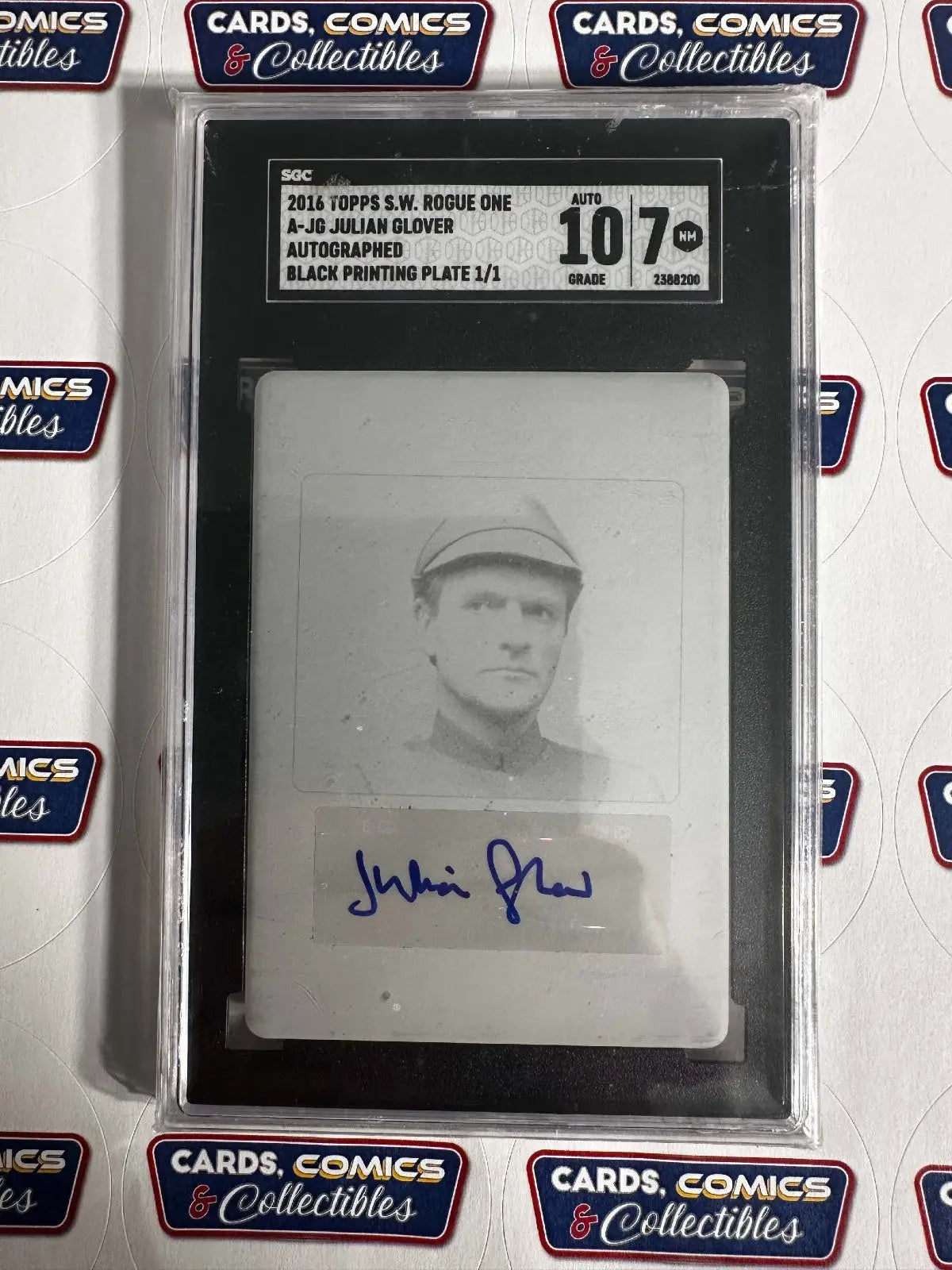
The Origin & Lore: The SGC Graded Cards collection celebrates the legacy...
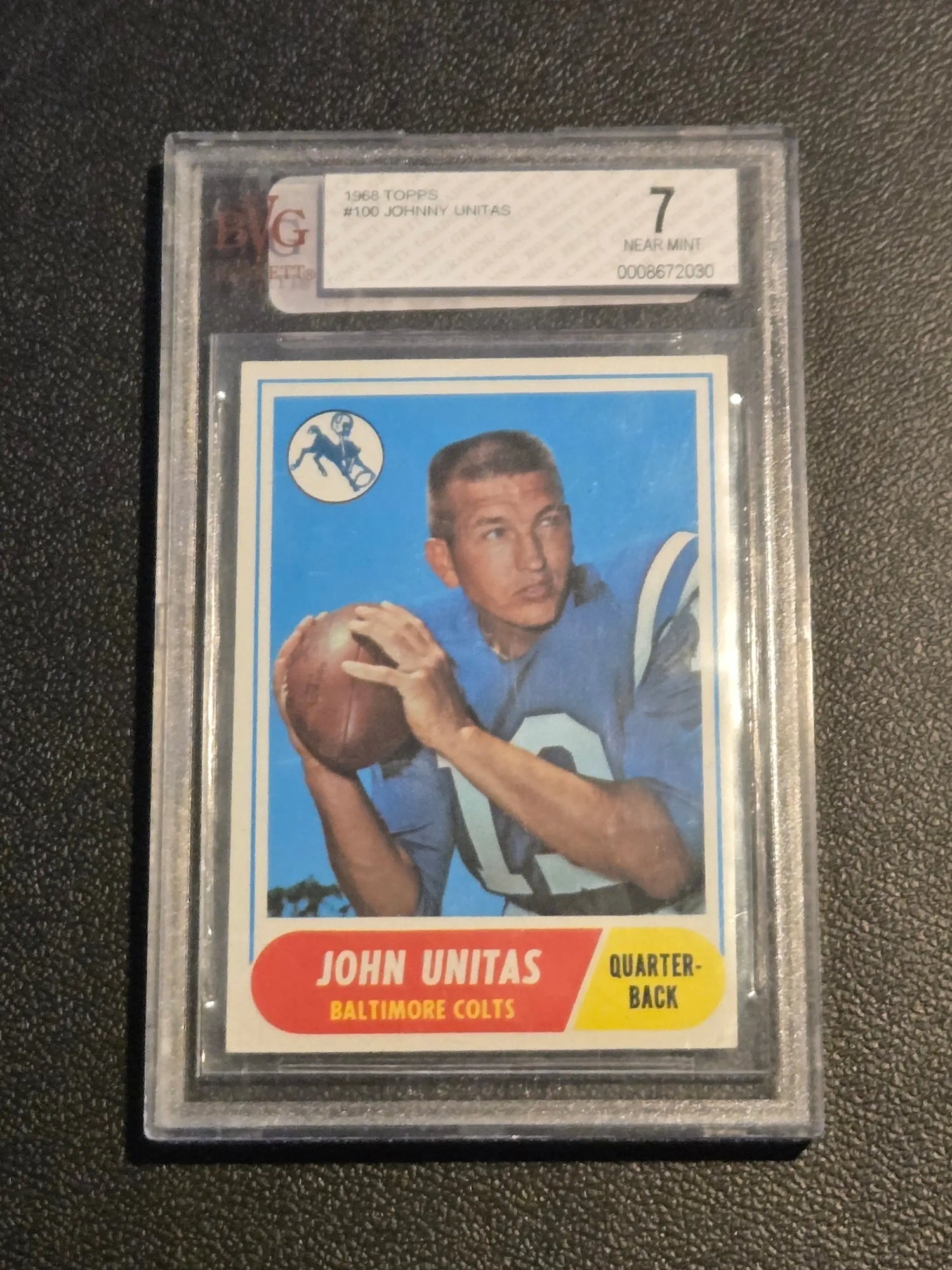
The Origin & Lore: The BVG (Beckett Vintage Grading) Graded Cards collection...
Little Rock’s collecting culture feels distinctly Arkansas: steady, community-driven, and closely tied to regional sports. While Razorbacks fandom sets the tone statewide, the capital city nurtures an active mix of sports card enthusiasts and trading card game (TCG) players. From weekend box breaks to weeknight Pokémon leagues, locals often hop between a few anchor shops to find singles, sealed product, and tables to trade or play.
The metro area spans Little Rock, North Little Rock, Sherwood, and nearby suburbs, which means collectors can access several different store types—sports-forward counters, comic shops with curated TCG sections, and full-service game stores that host events throughout the week.
Can't find a local shop? Browse our full inventory online at TradingCardsMarketplace.com — we ship nationwide.
Baseball interest runs deep thanks to the Arkansas Travelers just across the river in North Little Rock and the strong minor league tradition in the region. Many locals follow prospects who pass through town, hunting first chromes and on-card autos that could pop later. Basketball also has a stable presence—Razorbacks alumni who make the NBA can drive short-term spikes, and college hoops fans regularly chase rookie classes during draft season.
Football remains a staple with statewide Razorbacks support and national NFL storylines influencing wax demand. While Little Rock isn’t saturated with pro teams, collectors often split their attention between college standouts and broader national markets, which keeps demand balanced across sports releases.
When selling in Little Rock, timing and condition matter. Shops may offer cash or trade depending on their inventory needs; high-demand rookies, popular TCG staples, and clean vintage tend to move fastest. Many collectors seek a second opinion by checking recent comps and browsing online marketplaces like TradingCardsMarketplace.com to set expectations before negotiating.
For local buyers, releases can sell out quickly during peak windows—preorders or early visits on launch week are common strategies. Trade nights and event schedules are useful for meeting other collectors and moving duplicates without fees.
Values shift with player performance, print runs, and grading outcomes. A prospect’s hot streak can boost chrome autos overnight, while grading pop reports may temper hype once supply hits the market. For TCGs, ban lists and metagame changes affect singles value; staples usually hold more steadily than niche tech picks. In-store advice helps, but collectors often cross-reference auction results and population data before sending in a card for grading.
Little Rock’s shops differ in strengths: Game Goblins leans into events and TCG depth, Kapow Comics balances community play with a practical product mix, and The Comic Book Store adds that classic browsing experience. The right choice depends on your goals—casual play, hunting a specific single, or picking up supplies for a grading submission.
Some do, especially if the cards match current demand. Expect different offers for raw versus graded and for trade-credit versus cash.
Yes. Pokémon remains a mainstay with steady playgroups and consistent interest in sealed product.
Trade nights and event days at local stores are best. Community groups sometimes organize casual swaps as well.
It depends on condition and comps. High-end rookies and low-pop inserts often benefit, but budget for turnaround times and fees.
From minor league baseball ties to weekly TCG meetups, Little Rock supports a grounded, collector-first hobby culture. The best approach is to stay engaged—visit events, compare offers, and keep an eye on broader market trends through resources like TradingCardsMarketplace.com to make informed decisions.
Disclaimer: Shop details, inventory, and policies can change. Always confirm hours, event schedules, and buying policies directly with the store.
The Origin & Lore: The CSG Graded Cards collection showcases a range...
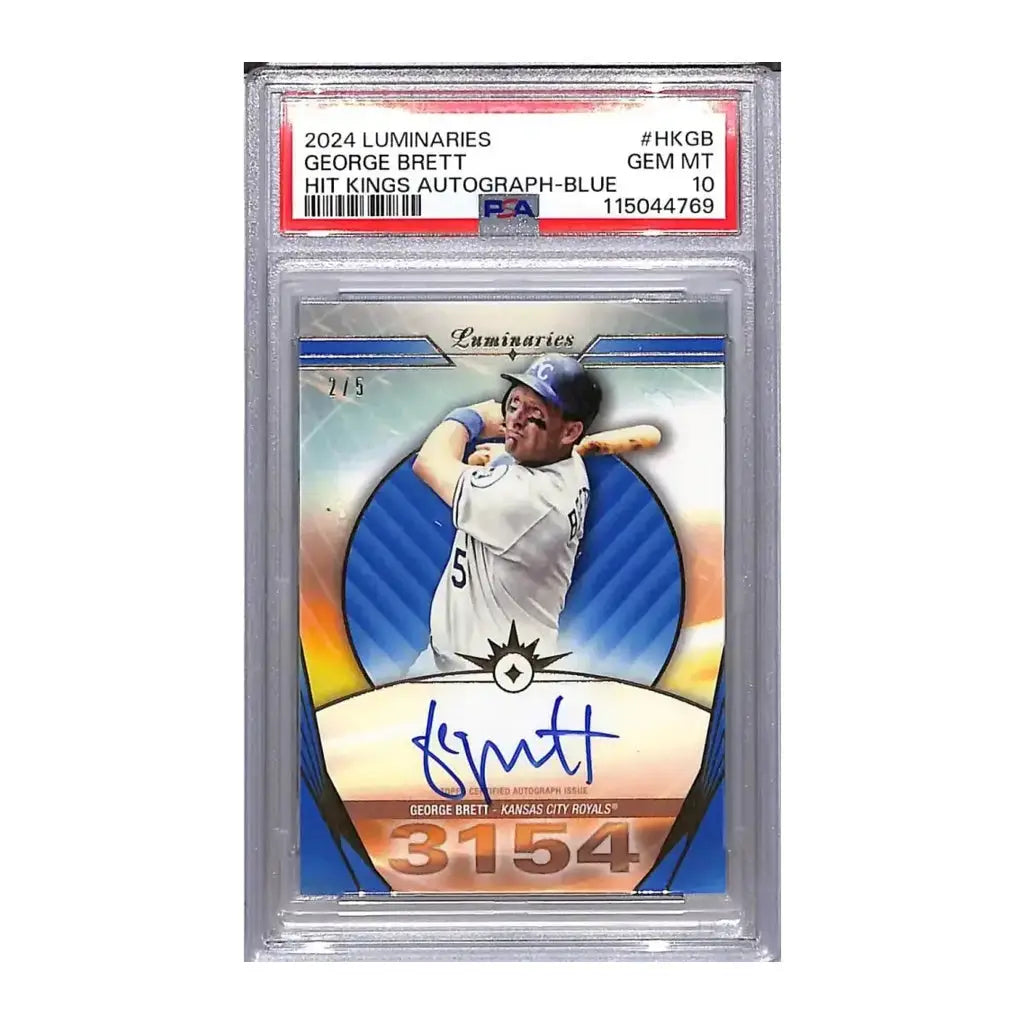
The Origin & Lore: The world of PSA Graded Baseball Cards is...
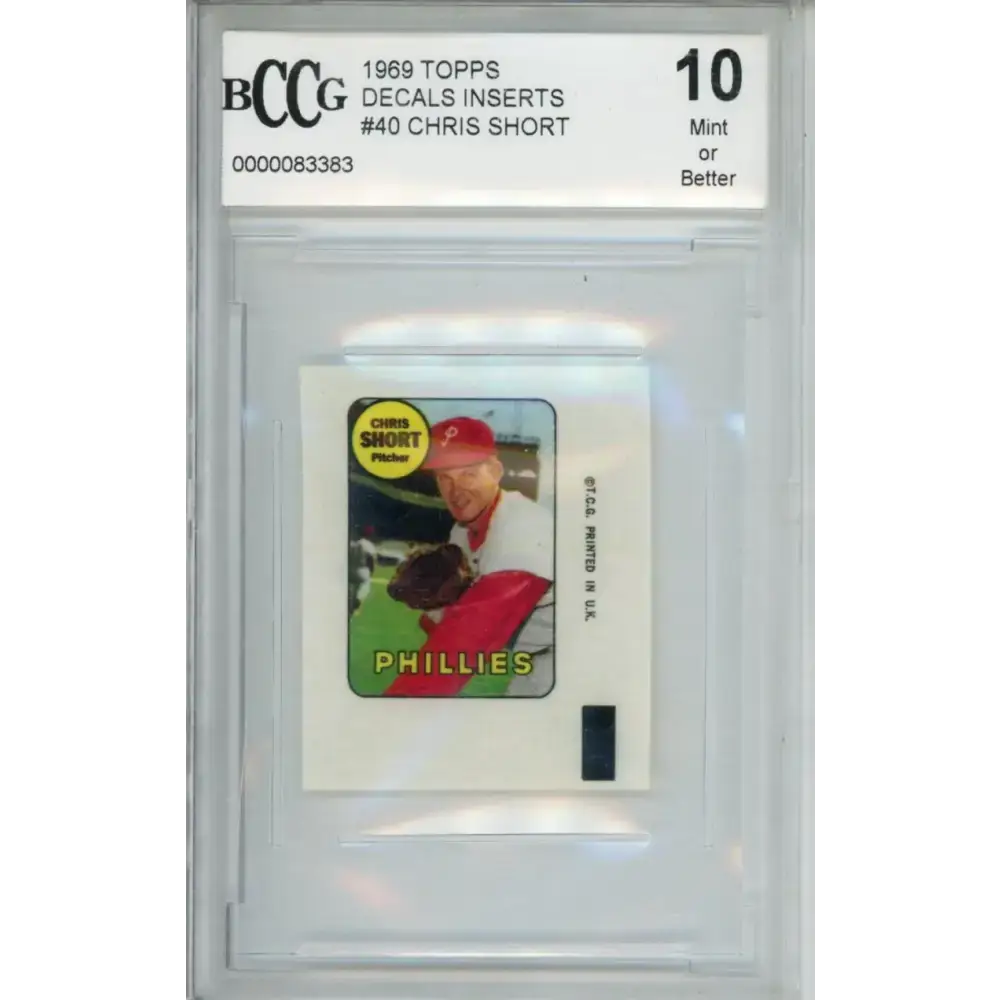
The Origin & Lore: The BCCG Graded Cards collection has its roots...
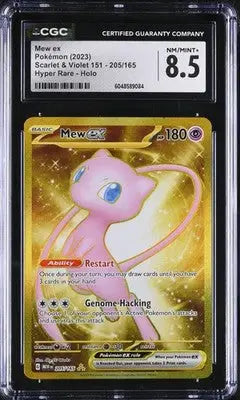
```html The Origin & Lore: The Pokemon Trading Card Game (TCG) first...
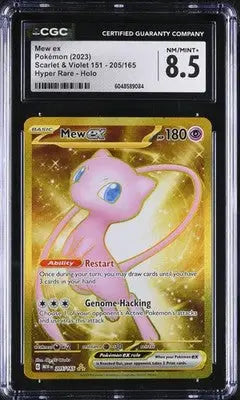
The Origin & Lore: The Pokémon Trading Card Game (TCG) made its...
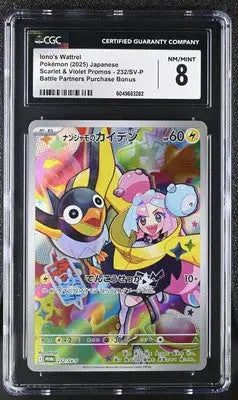
The Origin & Lore: The Pokémon Trading Card Game (TCG) was first...