The trading card marketplace is evolving at an unprecedented pace, driven by new technology and a surge of global interest. Collectors and investors now face a landscape filled with fresh opportunities and unexpected challenges.
Success in the trading card marketplace no longer comes from luck alone. It demands a keen understanding of trends, tools, and smart strategies. Whether you are building your collection or aiming for profit, knowing how to navigate this world is essential.
In this guide, you will discover nine essential tips designed to help you thrive in 2026. From mastering market research to protecting your investments, these insights will give you the confidence to make informed decisions and achieve your goals.
Understanding the 2026 Trading Card Marketplace Landscape
The trading card marketplace has experienced a remarkable transformation in recent years. Collectors, investors, and sellers now navigate a landscape defined by innovation, global connectivity, and rapidly shifting trends. As we approach 2026, understanding the forces shaping the trading card marketplace is essential for anyone aiming to succeed.
The Digital Revolution in Trading Cards
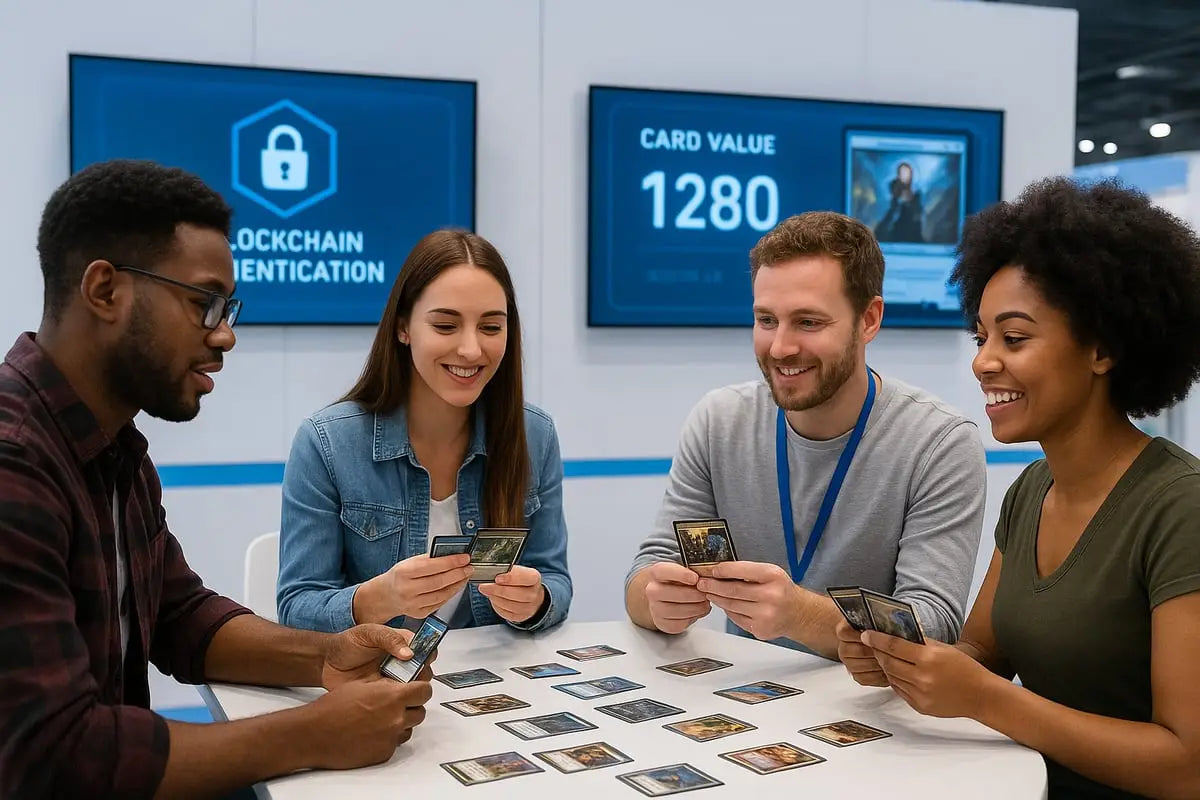
In the past, trading cards were exchanged mainly at local shops or events. Today, the trading card marketplace thrives on digital platforms that connect buyers and sellers worldwide. Online auctions, digital wallets, and instant payments have made transactions faster and more secure.
Blockchain technology is a game-changer for authentication. Digital certificates and blockchain provenance are now standard for high-value cards, reducing fraud and building buyer confidence. Platforms like eBay and TCGPlayer have invested heavily in these technologies, further boosting trust in the trading card marketplace.
The Rise of Niche Communities and Micro-Markets
Collectors’ interests have diversified. Micro-markets for sports cards, trading card games (TCGs) like Pokémon and Magic, and pop culture collectibles are flourishing. Niche online communities, from Discord groups to specialized forums, help enthusiasts share insights and spot emerging trends.
Demographics are shifting, too. Younger buyers and international participants are entering the trading card marketplace in record numbers. These new entrants bring fresh perspectives, driving demand for both traditional and digital card formats.
Social Media and Influencer Impact
Social media platforms have become powerful engines for the trading card marketplace. Influencers on YouTube, Instagram, and TikTok can spark a surge in demand for specific cards or genres overnight. Viral trends and live breaks have made collecting more interactive and accessible.
Influencer marketing also affects card values. When a popular creator highlights a card, its price can rise quickly. Staying engaged with these communities is now crucial for anyone active in the trading card marketplace.
The Importance of Grading and Authentication
Trust is paramount in the trading card marketplace. Third-party grading services like PSA, BGS, and CGC provide standardized assessments of card condition, which directly impact value and liquidity. Graded cards often sell for a premium, and buyers feel more secure knowing a card’s authenticity has been verified.
Authentication is evolving with digital tools. Blockchain-backed certificates and advanced image analysis help detect counterfeits and alterations, protecting both new and seasoned participants in the trading card marketplace.
Key Challenges: Volatility, Counterfeits, and Fees
Despite its growth, the trading card marketplace faces real challenges. Market volatility can cause sharp price swings, especially for trending cards. Counterfeit cards remain a persistent threat, requiring constant vigilance and updated authentication practices.
Fee structures on major platforms can also eat into profits. Sellers must account for listing fees, payment processing, and shipping costs, which vary across different trading card marketplace options.
Platform Growth and Market Statistics
Growth in the trading card marketplace is measurable and impressive. From 2023 to 2025, platforms like eBay and TCGPlayer reported double-digit increases in both sales volume and active users. This explosive expansion is echoed in broader market reports, with global market size expected to continue rising into 2026 and beyond. For a closer look at these trends and projections, see the Collectible Trading Cards Market Size report.
| Platform | 2023 Sales Volume | 2025 Sales Volume | % Growth |
|---|---|---|---|
| eBay | $2.5B | $3.6B | 44% |
| TCGPlayer | $800M | $1.2B | 50% |
| COMC | $250M | $350M | 40% |
The trading card marketplace is more interconnected and competitive than ever. To thrive, staying informed about these shifts and embracing new technologies is not just recommended, but required.
9 Essential Trading Card Marketplace Tips for 2026 Success
The trading card marketplace in 2026 is more dynamic than ever, and achieving success requires a modern, strategic approach. Below are nine essential tips to help collectors, sellers, and investors confidently navigate the evolving trading card marketplace and reach their goals.
1. Research Market Trends and Set Realistic Goals
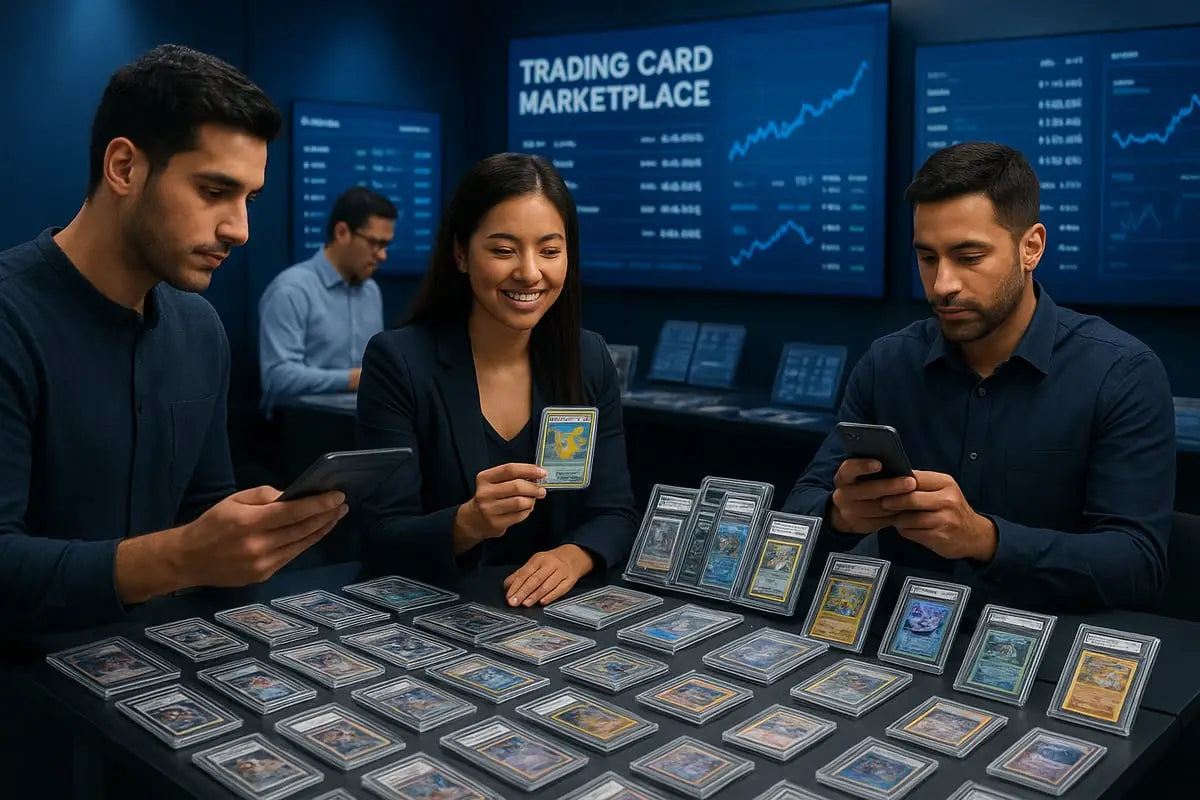
Staying ahead in the trading card marketplace demands a keen awareness of market trends. Analyze historical sales data, review price guides, and monitor industry reports to understand which card genres are heating up. For example, rare sports inserts and limited-edition TCGs are forecasted to be top performers in the 2026 trading card marketplace.
Set clear, achievable goals for your collection or investment. Decide if you want to focus on short-term flips or build a legacy collection. Use platforms such as eBay and TCGPlayer for data, and supplement your research with dedicated tools that track price fluctuations.
Remember, hype cycles can cause sudden spikes in value, but sustainable growth comes from understanding long-term demand. Avoid chasing every new fad blindly, and always check multiple sources before making big purchases. For a deeper dive into specific genre trends, explore the Pokémon trading cards trends for insights on what drives value in the current trading card marketplace.
Balance your ambitions with market realities, and revisit your strategy regularly to stay aligned with the ever-changing trading card marketplace.
2. Prioritize Card Authentication and Grading
Trust is the foundation of the trading card marketplace. Authentication and grading services such as PSA, BGS, and CGC ensure your cards are genuine and accurately assessed. Graded cards often command higher prices and sell faster, reflecting buyer confidence in the trading card marketplace.
Before sending your cards for grading, inspect them carefully for flaws. Handle them with gloves and store them in protective sleeves. Grading costs vary, so assess whether the potential value increase justifies the expense.
Be vigilant for fakes or altered cards. Learn common red flags, like mismatched fonts or suspicious surface textures. The use of blockchain for digital certificates is growing, providing tamper-proof provenance in the trading card marketplace.
A graded card versus a raw card can mean a value difference of hundreds, if not thousands, of dollars. For comprehensive guidance, consult the Sports card grading guide, which details best practices for authentication and grading in the trading card marketplace.
3. Master Platform Selection and Fee Structures
Choosing the right trading card marketplace platform can make or break your profitability. Compare major options like eBay, TCGPlayer, and COMC based on their audience reach, seller protections, and fee structures.
Each platform in the trading card marketplace has unique benefits. For instance, eBay offers vast exposure and auction flexibility, while TCGPlayer specializes in TCGs with targeted buyers. Understand all fees, including listing, final value, and payment processing.
Shipping costs and policies on returns or authenticity also differ. Use the table below to compare core features:
| Platform | Audience | Fees | Protections | Best For |
|---|---|---|---|---|
| eBay | Global | Moderate | Strong | General/sports/TCG |
| TCGPlayer | TCG-focused | Low-Med | Good | TCGs |
| COMC | Niche/TCG | Low | Fair | Bulk sales |
Leverage multiple platforms to maximize visibility, but be mindful of scams and unreliable sites. Optimize your listings for each marketplace, and always factor in all costs before pricing your cards.
4. Build a Robust Buying and Selling Network
A strong network is a cornerstone of success in the trading card marketplace. Tap into online forums, Discord groups, and local meetups to connect with reputable buyers and sellers. These networks offer insight, deal opportunities, and community support.
Trade shows and conventions in 2026 are thriving venues for face-to-face transactions and relationship building. Attend events to discover rare cards, negotiate bulk deals, and learn from seasoned pros. For a list of upcoming events and tips, check out Trading card collectibles shows.
Social media platforms amplify your reach within the trading card marketplace. Engage in reputable groups, maintain a positive reputation, and use feedback systems to build trust. Collaborate with others for group submissions or bulk buys, but always protect yourself from fraud.
Networking stories abound where collectors landed grail cards or expanded their collections through community connections. Invest time in your network, and the trading card marketplace will reward you.
5. Optimize Card Listings for Maximum Visibility
Success in the trading card marketplace depends on how your listings stand out. Craft compelling titles with relevant keywords and include detailed, honest descriptions. High-quality images showing multiple angles and close-ups of the card’s condition boost buyer confidence.
Use accurate condition grades and reference professional grading standards. Leverage SEO by incorporating popular search terms relevant to the trading card marketplace. Timing is crucial—list cards during peak demand periods or before major events.
Promotional tools like featured listings, bundle discounts, and flash sales can enhance visibility. Regularly update your inventory and promptly remove sold or outdated listings to maintain credibility.
A well-optimized listing can mean the difference between a quick sale and a stagnant item. Avoid common mistakes like blurry photos, vague descriptions, or inflated prices that deter buyers in the trading card marketplace.
6. Embrace Digital Tools and Automation
Modern success in the trading card marketplace relies on digital efficiency. Inventory management software helps track cards, automate pricing updates, and manage shipments. Use pricing tools that integrate with live market data to stay competitive.
Automation streamlines repetitive tasks, freeing up time for strategic decisions. Sales dashboards provide analytics on performance, helping you identify trends in the trading card marketplace. Mobile apps let you manage your business on the go, with alerts for price drops or sales.
AI-powered tools can predict market trends and recommend optimal pricing. Leading sellers in the trading card marketplace use a blend of technology and personal customer service for best results.
Be cautious not to rely solely on automation. Regularly review automated actions to ensure accuracy and maintain a personal touch with buyers in the trading card marketplace.
7. Protect Your Investments: Security and Insurance
Safeguarding your assets is vital in the trading card marketplace. Use protective sleeves, rigid cases, and climate-controlled storage to prevent damage. Invest in safes for high-value cards and use two-factor authentication for online accounts.
Insure valuable collections with collectors’ insurance tailored to trading card marketplace needs. Shipping insurance and tracking are essential for peace of mind when sending cards.
If a shipment is lost or damaged, act quickly by documenting everything and contacting your insurer. Preventing theft and fraud requires vigilance, secure storage, and strong digital security.
Case studies show that insured collectors recover faster from major losses. Choose reputable insurance providers who understand the trading card marketplace and offer tailored policies.
8. Stay Compliant with Tax and Legal Regulations
The trading card marketplace is subject to evolving tax and legal frameworks. Keep meticulous records of all sales, purchases, and related expenses to simplify compliance.
Understand the rules around sales tax, capital gains, and income thresholds. Many platforms now issue tax forms like 1099-K, which must be reported accurately. For international sales, learn about customs, VAT, and cross-border laws affecting the trading card marketplace.
Legal considerations can arise with high-value or rare cards, including authenticity disputes or export restrictions. Use professional resources and compliance tools to stay informed.
Penalties for non-compliance can be steep, so prioritize education and consult tax experts when needed. Staying compliant protects your reputation and future in the trading card marketplace.
9. Continuously Educate Yourself and Adapt
The trading card marketplace evolves rapidly, and ongoing education is your best defense against stagnation. Follow industry news, listen to podcasts, and read expert blogs to stay informed.
Participate in webinars, workshops, and certification courses to deepen your knowledge. Adapt your strategies as the market shifts, and seek feedback from peers and mentors.
Building resilience is key to weathering downturns or sudden trend changes. Examples abound of collectors who thrived by embracing new technologies or pivoting their focus within the trading card marketplace.
Mentorship and peer learning accelerate growth and help you avoid common pitfalls. Never become complacent—continuous learning is your edge in the trading card marketplace.
The Future of Trading Card Collecting: Trends and Predictions
The trading card marketplace is entering a new era, shaped by groundbreaking technologies, global shifts, and evolving collector expectations. As we look toward 2026 and beyond, understanding these trends is essential for anyone aiming to succeed in this dynamic environment.
Digital Collectibles and NFTs: Reshaping the Landscape
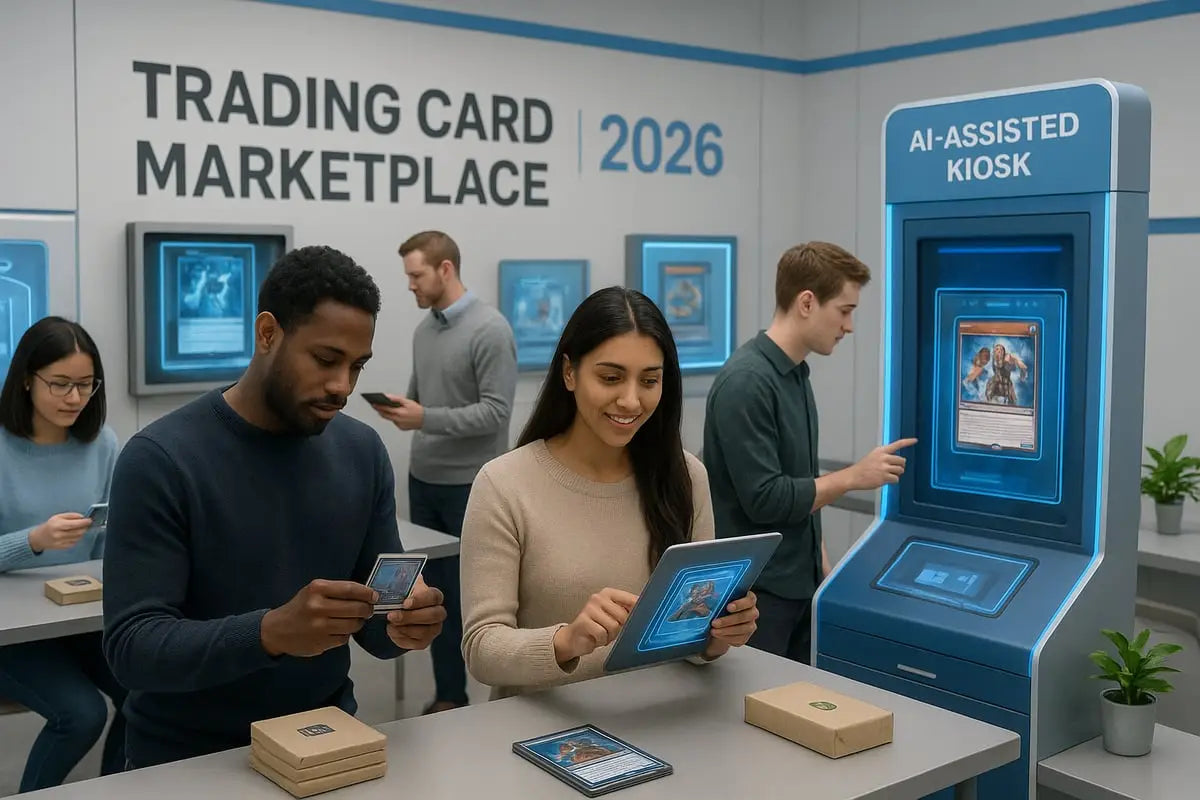
Digital assets are redefining the trading card marketplace. NFTs (non-fungible tokens) have enabled collectors to own, trade, and showcase digital cards with unique provenance. The seamless integration of blockchain technology ensures authenticity and creates new possibilities for limited releases and interactive collectibles. As digital wallets and NFT platforms become mainstream, expect the trading card marketplace to blend physical and virtual assets, expanding the collector base and driving new investment opportunities.
AI and Machine Learning: Smarter Pricing and Authentication
Artificial intelligence is transforming the trading card marketplace by automating pricing analysis, detecting counterfeits, and streamlining authentication. Machine learning models review historical data, recent sales, and social media sentiment to predict value trends. Leading grading services now use AI to enhance accuracy and reduce human bias. These advancements not only improve market transparency but also empower collectors to make informed decisions and minimize risk.
Immersive Technology and Evolving Genres
Virtual reality and augmented reality are making the trading card marketplace more interactive than ever. Collectors can display cards in virtual galleries, participate in immersive online shows, and even trade using AR overlays. This shift is attracting tech-savvy buyers and introducing creative new themes, from esports to pop culture crossovers. According to Sports Trading Card Market Trends, digital integration is driving innovation and expanding market segments, positioning the trading card marketplace for continued diversification.
Global Economics and Changing Demographics
Economic shifts and demographic changes are influencing the trading card marketplace in profound ways. Fluctuations in currency, inflation, and consumer confidence impact card values and demand. Younger collectors and international buyers are becoming increasingly active, shaping preferences and setting new trends. The trading card marketplace is now more global, with cross-border transactions and multicultural influences becoming standard. Staying attuned to these changes is critical for long-term marketplace success.
Sustainability and Future-Ready Skills
Sustainability is gaining traction as eco-friendly packaging and responsible sourcing become priorities for the trading card marketplace. Collectors and companies alike are seeking greener solutions without compromising quality. To thrive in the years ahead, marketplace participants must develop digital literacy, adaptability, and a willingness to embrace innovation. Continuous learning and networking will remain key as the trading card marketplace evolves, ensuring collectors stay ahead of new challenges and opportunities. For a deeper dive into these technological and market shifts, review the latest Trading Card Game Market Growth analysis.
Now that you’ve learned the most effective strategies for navigating the competitive trading card marketplace in 2026, you’re ready to take your collecting or selling journey to the next level. Whether you’re eager to apply fresh research, explore new platforms, or secure your investments, having access to a trusted source for cards and collectibles makes all the difference. If you’re looking for a reliable place to discover, buy, or expand your collection with confidence, I invite you to Shop Now and see what’s waiting for you. Your next great find could be just a click away.