

Since 1951, one name has dominated the trading card industry with unmatched consistency and innovation. Topps trading cards have shaped the collectibles market for over seven decades, creating iconic designs that transcend generations of collectors. From the groundbreaking 1952 baseball set to recent partnerships with major sports leagues, Topps has maintained its position as the gold standard in the industry. Whether you're a seasoned investor or just beginning your collection journey, understanding the significance of Topps products is essential for making informed purchasing decisions in today's dynamic marketplace.
The Historical Foundation of Topps Trading Cards
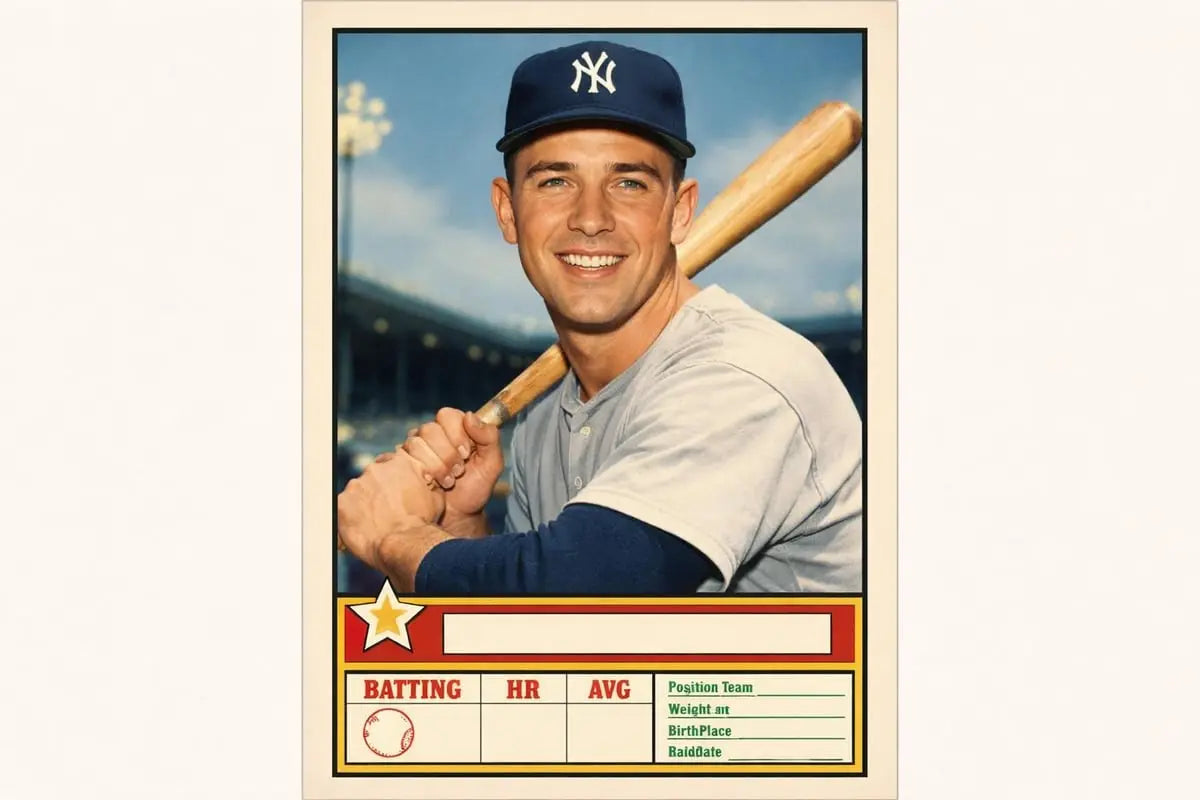
The story of topps trading cards begins with chewing gum. Originally founded as a confectionery company in 1938, Topps transformed the collectibles landscape when they introduced modern baseball cards in 1951. The company's true breakthrough came in 1952 with the release of their flagship baseball set, featuring 407 cards with the now-iconic design that revolutionized the modern baseball card format.
Sy Berger, the visionary designer behind this transformation, created a template that balanced player photography, statistics, and biographical information in a way that had never been done before. This innovation established the blueprint for sports cards that remains influential today.
Building a Multi-Sport Empire
While baseball remained their cornerstone, Topps expanded their portfolio throughout the 1950s and 1960s. The company secured exclusive licenses with major sports organizations, creating comprehensive sets for football, basketball, and hockey. This strategic expansion positioned Topps as a comprehensive sports collectibles provider rather than a single-sport specialist.
The exclusivity agreements proved crucial for market dominance. Between 1956 and 1980, Topps held an exclusive contract with Major League Baseball, effectively eliminating competition and establishing their designs as the definitive representation of each season. Collectors knew that owning the Topps set meant possessing the official record of that year's players and achievements.
Beyond Sports: Topps Cultural Impact
Topps trading cards extended far beyond athletic fields into popular culture and entertainment. The company demonstrated remarkable versatility by creating non-sports card series that captured the zeitgeist of their respective eras. These releases showed that Topps understood their audience wanted more than just statistics and player photos.
Iconic Non-Sports Series
The company's creative output included several groundbreaking series:
- Mars Attacks (1962) - This science fiction trading card series featured graphic depictions of alien invasion scenarios, generating controversy while building a devoted cult following
- Wacky Packages (1967) - These parody stickers mocking consumer products became a phenomenon among young collectors and spawned numerous revival series
- Garbage Pail Kids (1985) - Perhaps their most controversial release, these satirical sticker cards parodying Cabbage Patch Kids generated millions in revenue despite widespread criticism
These non-sports releases demonstrated that topps trading cards could transcend their original purpose, becoming cultural artifacts that reflected societal trends, humor, and even criticism of consumerism.
The Modern Topps Renaissance
After decades of market fluctuations and competition from rival manufacturers, Topps has experienced a remarkable resurgence in the 2020s. Strategic partnerships and licensing agreements have repositioned the company at the forefront of the collectibles boom, particularly following the COVID-19 pandemic's impact on hobby interest.
Strategic League Partnerships
Topps has aggressively pursued and secured major licensing deals that expand their market reach:
| Sport | Partnership Status | Key Details |
|---|---|---|
| Baseball | Primary License | Continued MLB partnership with exclusive Bowman Chrome prospects |
| Basketball | Renewed 2024 | Return to NBA cards after 14-year absence through Fanatics |
| Soccer | Premier League License | Official Premier League licensee launching comprehensive club collections |
| Global Sports | Expanding Portfolio | International cricket, Formula 1, and additional soccer leagues |
The return to NBA trading cards represents a particularly significant milestone, introducing products like Rookie Debut Patch Autograph cards and Gold NBA Logoman Patch cards that appeal to premium collectors.
Superstar Exclusivity Agreements
Beyond league partnerships, Topps has secured individual player deals that create unique value propositions. The company's exclusive agreement with Shohei Ohtani exemplifies this strategy, featuring autographed cards and game-used memorabilia pieces available only through Topps products. These exclusivity arrangements generate collector excitement and drive demand across product lines.
Understanding Topps Product Lines and Tiers
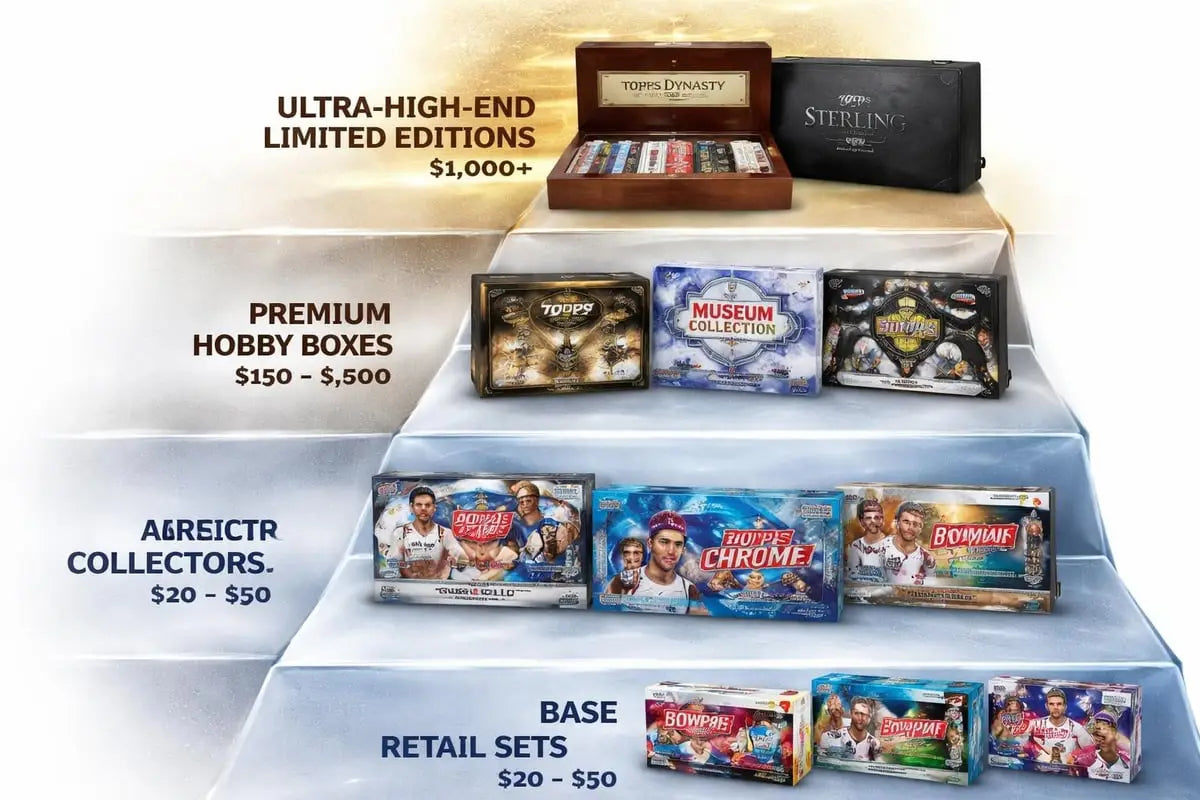
Navigating the diverse landscape of topps trading cards requires understanding the distinct product categories and their intended audiences. Topps has developed a sophisticated tiering system that serves collectors at every budget level and collecting philosophy.
Base Sets and Retail Products
Entry-level Topps products provide accessible collecting experiences without requiring significant financial investment:
- Flagship Series - Annual base sets featuring comprehensive player rosters with standard photography and simple designs
- Opening Day - Simplified versions of flagship sets targeted at younger collectors and casual fans
- Heritage - Retro-designed sets replicating classic Topps designs from specific past years
- Chrome Series - Refractor technology applied to base designs, offering multiple parallel variations
These products typically retail between fifteen and fifty dollars per box, making them ideal starting points for new collectors or those building comprehensive team or player collections.
Premium Hobby Boxes
Mid-tier products elevate the collecting experience with guaranteed autographs, memorabilia cards, and limited parallel variations. For collectors interested in understanding these products better, hobby box configurations offer significantly better odds than retail alternatives.
Premium hobby releases include:
- Topps Series 1 and Series 2 Hobby - Enhanced versions of base sets with exclusive inserts and autograph opportunities
- Bowman Chrome - Prospect-focused products featuring rookie cards and first-year autographs
- Stadium Club - Photography-focused releases emphasizing artistic card design
- Finest - Premium chromium cards with sophisticated designs and high-end hits
These products range from one hundred to four hundred dollars per box, attracting dedicated hobbyists seeking investment-grade cards.
Ultra-Premium and Limited Releases
At the market's apex, Topps produces exclusive products with extraordinary price points and corresponding value potential:
| Product | Price Range | Key Features |
|---|---|---|
| Topps Dynasty | $400-$600 | All autographs, premium memorabilia, metal cards |
| Triple Threads | $250-$400 | Multi-relic cards, booklet designs, low serial numbers |
| Transcendent | $15,000-$25,000 | Single-box products with dozens of autographs and 1/1 cards |
| Five Star | $500-$800 | Premium rookie autographs, thick card stock, limited production |
These products target serious investors and high-end collectors willing to make substantial financial commitments for potential significant returns.
Collecting Strategies for Topps Trading Cards
Successful collecting requires more than simply purchasing products. Strategic approaches maximize enjoyment while building collections with both personal and financial value. Topps products accommodate various collecting philosophies, from team-focused accumulation to investment-oriented acquisition.
Player and Team Collecting
Many collectors concentrate on specific players or franchises, creating comprehensive collections that document careers or organizational histories. This approach works particularly well with topps trading cards because of the company's consistent annual releases spanning decades.
Player collecting considerations:
- Focus on flagship sets first to establish base collection foundation
- Add premium autographs and memorabilia cards as budget allows
- Track variations and parallels to achieve completion goals
- Monitor player performance and market trends affecting values
Team collecting advantages:
- Lower overall costs compared to high-end singles collecting
- Easier completion targets with defined parameters
- Connection to personal fandom and regional loyalty
- Opportunities to acquire complete rainbow sets of team players
For collectors building team-specific collections, exploring baseball teams, basketball teams, or football teams can help identify available inventory and market pricing.
Investment-Focused Approaches
Some collectors view topps trading cards primarily as alternative investments, prioritizing potential appreciation over personal attachment. This strategy requires different considerations than hobby-focused collecting.
Investment collectors should:
- Research historical price trends for specific products and players
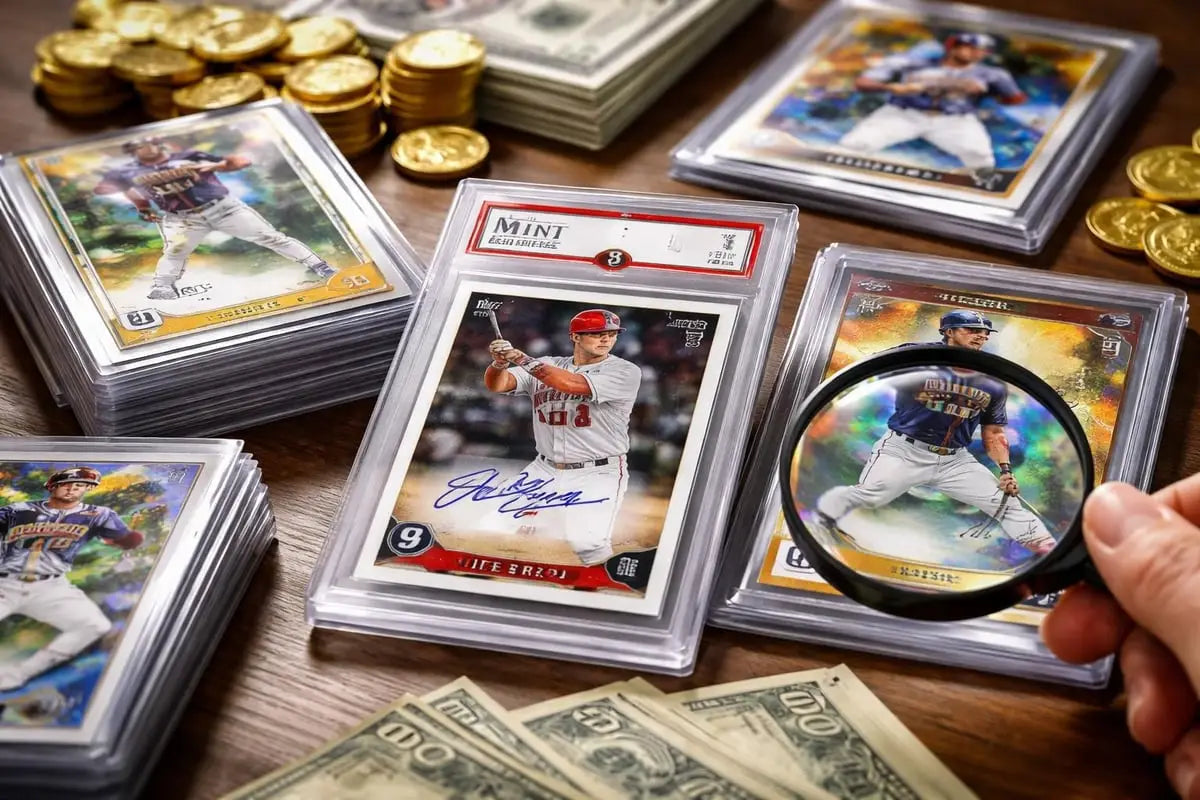
- Prioritize condition through professional grading services
- Focus on rookie cards and first-year autographs with upside potential
- Diversify across multiple players and sports to manage risk
- Monitor sports performance metrics that influence card values
The investment approach demands patience and market knowledge. Short-term speculation rarely succeeds in the trading card market, while long-term holdings of quality cards from top performers typically appreciate steadily.
Authentication and Condition Considerations
The value proposition of topps trading cards depends heavily on authenticity and condition. Understanding grading standards and authentication processes protects collectors from costly mistakes while maximizing collection value.
Professional Grading Services
Third-party grading companies provide objective condition assessments that establish market standards:
| Grading Company | Market Position | Key Features |
|---|---|---|
| PSA | Industry leader | Largest population reports, highest premiums for vintage |
| BGS/Beckett | Premium modern cards | Subgrades for corners, edges, surface, centering |
| SGC | Vintage specialist | Competitive pricing, strong reputation for pre-1980 cards |
| CGC | Emerging competitor | Lower turnaround times, growing market acceptance |
Grading costs typically range from twenty to several hundred dollars depending on service level and declared value. The investment makes sense for cards worth several hundred dollars or more, where grading certification significantly impacts resale value.
Condition Factors Affecting Value
Even without professional grading, understanding condition elements helps collectors make informed purchase decisions:
- Centering - Image positioning relative to card borders, ideally 50/50 on all sides
- Corners - Sharp corners without whitening, fraying, or damage
- Edges - Smooth, clean edges without chips or wear
- Surface - Free from scratches, print defects, or discoloration
- Authenticity - Legitimate Topps production without alterations or counterfeiting
Cards in pristine condition command substantial premiums over similar cards with even minor flaws. A PSA 10 rookie card might sell for ten times the price of the same card in PSA 8 condition.
The Digital Evolution: Topps in Web3
Topps has embraced digital collecting through blockchain-based trading cards and non-fungible tokens (NFTs). These digital releases represent a fundamental shift in how collectors engage with topps trading cards, creating new opportunities and challenges.
Digital Product Offerings
Topps launched several digital platforms offering virtual cards with varying degrees of blockchain integration. These products appeal to younger collectors comfortable with digital ownership and cryptocurrency transactions while also attracting traditional collectors exploring new frontiers.
Digital advantages include:
- Lower entry costs compared to physical premium products
- Instant global trading without shipping logistics
- Built-in scarcity through blockchain verification
- Integration with gaming and fantasy sports applications
However, digital collecting faces skepticism from traditional hobbyists who value physical cards' tangible nature and established market history. The long-term viability of digital topps trading cards remains uncertain as the broader NFT market experiences volatility.
Market Trends and Future Outlook
The topps trading cards market has experienced dramatic growth and volatility since 2020. Understanding current trends helps collectors make strategic decisions about acquisitions, holdings, and divestments in an evolving marketplace.
Current Market Dynamics
Several factors influence the contemporary Topps market:
- Fanatics Acquisition - Fanatics' 2022 purchase of Topps fundamentally altered the competitive landscape, consolidating licensing power
- Breaking Culture - Group breaks of hobby boxes democratize access to premium products while creating new market dynamics
- Social Media Influence - YouTube breakers and Instagram dealers shape demand and pricing through exposure
- Economic Conditions - Inflation and discretionary spending patterns affect collector budgets and market liquidity
- Sport Performance - Player achievements directly impact corresponding card values in real-time
The market has cooled from pandemic-era peaks but remains substantially elevated compared to pre-2020 baseline levels. Serious collectors view this normalization as healthy market correction rather than concerning decline.
Emerging Product Categories
Topps continues innovating with new product concepts that blend traditional collecting with modern preferences:
- Women's Sports Cards - Expanding WNBA and women's soccer products addressing underserved markets
- International Releases - Cricket, rugby, and international soccer cards reaching global audiences
- Collaborative Designs - Artist partnerships creating unique aesthetic interpretations
- Sustainability Initiatives - Environmentally conscious packaging and production methods
These innovations position topps trading cards for continued relevance among younger collectors with different values and priorities than previous generations.
Buying and Selling Topps Cards Strategically
Whether acquiring cards for personal collections or investment portfolios, strategic purchasing and selling practices maximize value while minimizing risks. The secondary market for topps trading cards offers numerous venues with distinct advantages and considerations.
Purchase Channels and Considerations
Collectors access Topps products through multiple channels, each offering different benefits:
Retail stores provide immediate access to base products at standard pricing but limited selection and lower hit rates compared to hobby products. Online marketplaces offer vast inventory with competitive pricing but require careful seller vetting and authenticity verification. Card shows and conventions enable personal inspection and networking but involve travel costs and limited shopping windows.
For collectors seeking comprehensive inventory across multiple sports and product lines, dedicated platforms specializing in trading cards offer curated selections with authentication guarantees and competitive pricing structures.
Timing Strategic Acquisitions
Market timing significantly impacts purchase value for topps trading cards. Several patterns emerge across collecting categories:
- Pre-season purchases of rookie cards before performance validation offer maximum upside but highest risk
- Mid-season accumulation during player slumps creates value opportunities if rebounds occur
- Post-season sales after playoff eliminations or disappointing campaigns generate motivated sellers
- Off-season buying during sports dead periods produces lower demand and better pricing
Patient collectors willing to monitor markets throughout annual cycles consistently achieve better value than impulse purchasers responding to immediate hype.
Authentication Resources and Community Engagement
Successful collecting requires ongoing education and community connection. The comprehensive history of trading cards provides context for understanding Topps' industry significance, while collector communities offer real-time insights and market intelligence.
Educational Resources
Several resources help collectors develop expertise:
- Price guides tracking historical sales data and market trends
- Population reports from grading companies showing condition census information
- Collector forums facilitating knowledge sharing and authentication assistance
- YouTube channels providing product reviews, breaking content, and market analysis
- Social media groups connecting collectors with shared interests and trading opportunities
Engaging with multiple information sources develops well-rounded understanding that protects against misinformation and poor decisions. The most successful collectors combine independent research with community insights to make informed choices.
Building Collector Networks
Networking with fellow collectors provides advantages beyond information access. Trading opportunities, bulk purchase arrangements, and collaborative projects emerge from established relationships within the collecting community. Many serious collectors find that connections made through the hobby become personally meaningful beyond card transactions.
Topps trading cards represent more than collectibles-they're cultural artifacts documenting sports history, artistic evolution, and changing consumer preferences across seven decades. Whether you're pursuing vintage baseball cards, modern basketball rookies, or international soccer stars, understanding Topps products and markets positions you for collecting success. TradingCardsMarketplace provides the inventory, expertise, and competitive pricing to support your collecting journey, offering everything from entry-level base sets to premium investment-grade singles across all sports and eras.


