Topps cards have defined the trading card industry for over seven decades, transforming from simple bubble gum promotions into highly sought-after collectibles worth millions of dollars. Whether you're a seasoned collector or just beginning your journey into the world of trading cards, understanding the significance and value of Topps products is essential. From baseball legends to basketball superstars and soccer icons, these cards represent not just sports memorabilia but tangible pieces of cultural history that continue to captivate collectors worldwide.
The Historical Foundation of Topps Cards
The Topps Company began its journey in 1938, but it wasn't until 1951 that baseball cards became their flagship product. Sy Berger, the visionary designer who created the modern baseball card format, established design principles that would influence the entire industry. His 1952 Topps baseball set introduced the standard card size and featured full-color photographs that collectors still cherish today.
Throughout the 1950s and 1960s, Topps established itself as the dominant force in baseball card production. The company secured exclusive contracts with Major League Baseball players, effectively creating a monopoly that lasted for decades. This exclusivity allowed Topps to develop consistent product lines that collectors could rely on year after year.
Building Brand Recognition
The distinctive Topps logo and card design became instantly recognizable to multiple generations of collectors. Each year brought new innovations in photography, design elements, and card stock quality. The company's commitment to capturing pivotal moments in sports history created an archive of athletic achievement that transcends mere cardboard and ink.
During this formative period, Topps cards became more than collectibles. They served as educational tools for young fans learning about their favorite players, statistical references before the internet era, and conversation starters that brought communities together. The cultural impact of these early sets cannot be overstated.
Expansion Beyond Baseball
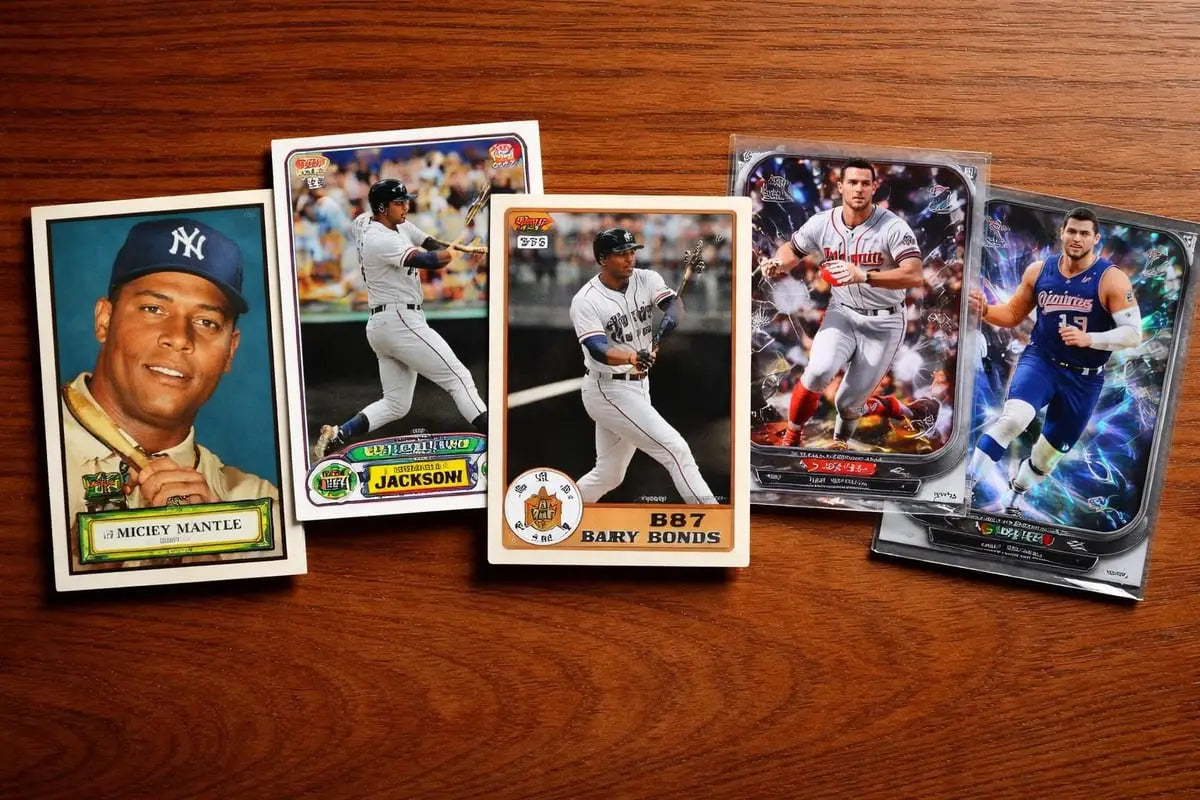
While baseball remained the cornerstone of Topps card production for decades, the company diversified into other sports and entertainment properties. Football cards gained prominence in the 1960s, followed by hockey and basketball offerings. Each sport presented unique challenges and opportunities for card design and collector engagement.
Key expansion milestones include:
- 1950s: Football card production begins
- 1960s: Hockey cards enter the lineup
- 1970s-1990s: Basketball cards with intermittent production
- 2000s: Entertainment properties including Star Wars and other franchises
- 2010s: Digital card innovations and online platforms
The company's return to NBA basketball cards for the 2025-26 season through Fanatics Collectibles marks a significant moment in trading card history. After more than a decade away from basketball, Topps brings fresh perspectives and innovative features like the NBA Debut Patch to modern collectors.
International Market Growth
Topps expanded internationally with particular success in soccer markets. The company's football (soccer) sticker albums and card collections became cultural phenomena across Europe and Latin America. In 2026, Topps launched a new Premier League collection featuring ultra-rare cards that demonstrate the company's continued innovation in international sports markets.
These international expansions allowed Topps to diversify revenue streams while introducing American-style card collecting to markets that previously focused primarily on sticker albums. The cross-pollination of collecting cultures enriched the hobby globally.
Understanding Topps Card Value and Grading
The value of Topps cards varies dramatically based on numerous factors. Card condition, player significance, scarcity, and historical importance all contribute to market prices. Professional grading services like PSA and BGS provide standardized assessments that help collectors and investors make informed decisions.
| Grading Factor | Impact on Value | Key Considerations |
|---|---|---|
| Centering | High | Card image alignment within borders |
| Corners | High | Sharpness and absence of wear |
| Edges | Medium | Smoothness and color consistency |
| Surface | High | Scratches, print defects, staining |
Recent sales demonstrate the incredible potential value of Topps cards. A unique Paul Skenes rookie card sold for $1.11 million to Dick's Sporting Goods, showcasing how modern cards can achieve investment-grade status. This transaction highlights the evolution of the hobby from nostalgic pastime to serious financial market.
Investment Considerations
Collectors approaching Topps cards as investments should understand market dynamics and long-term trends. While certain cards appreciate significantly, the market remains subject to fluctuations based on player performance, economic conditions, and collecting trends. Diversification across different years, players, and sports provides more stable portfolio growth than concentrating on single high-value cards.
Investment strategies for Topps cards:
- Research historical price trends using auction data
- Focus on rookie cards of emerging superstars
- Consider graded cards for authentication and condition assurance
- Monitor sports performance and career trajectories
- Balance vintage and modern card investments
Modern Topps Card Products and Releases
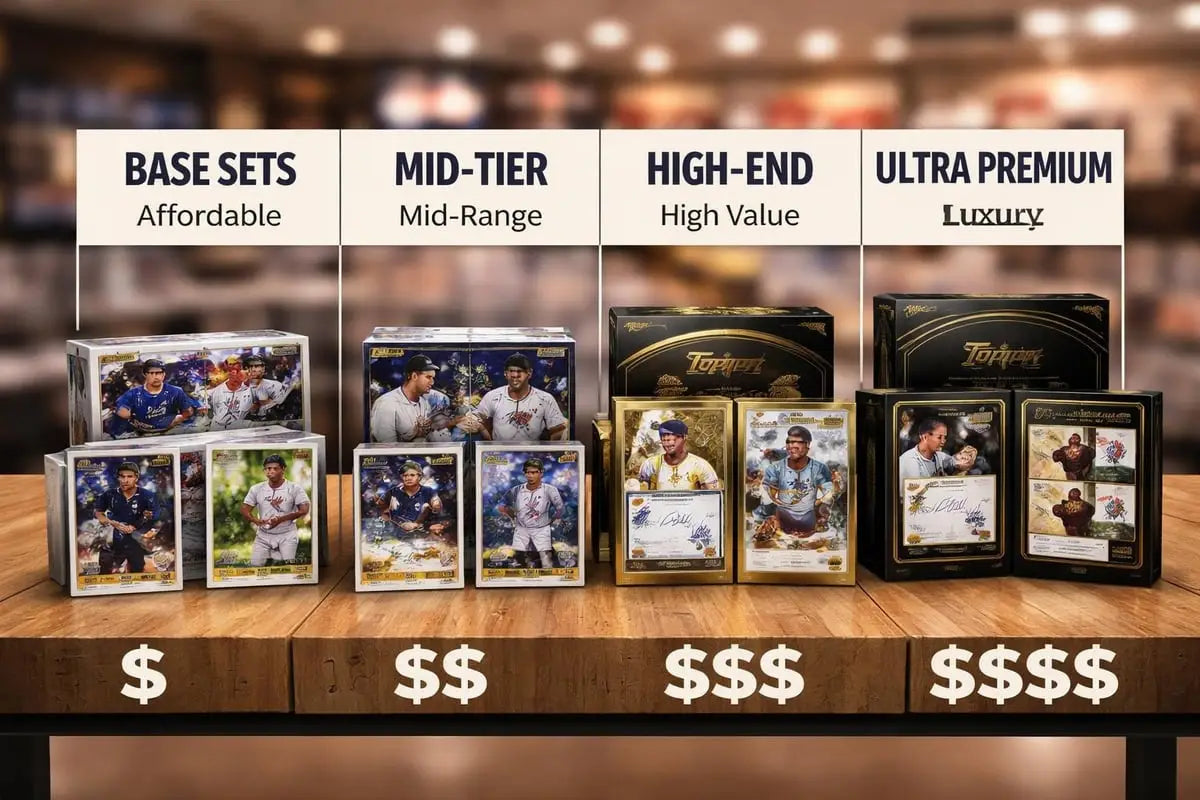
Contemporary Topps offerings include diverse product lines targeting different collector segments. Flagship series maintain traditional designs with updated photography and printing techniques. Chrome products feature refractor technology that creates distinctive visual effects. Heritage lines replicate vintage designs while featuring current players.
Understanding hobby boxes represents an important aspect of modern collecting. These sealed boxes typically contain cards unavailable in retail products, including exclusive parallels, autographs, and memorabilia cards. Hobby-exclusive content commands premium prices but offers higher potential returns for collectors seeking rare inserts.
Digital Integration
Topps pioneered digital card collecting through various platforms and applications. Digital cards provide instant gratification, eliminate condition concerns, and create unique collecting opportunities through limited digital releases. However, physical cards remain the foundation of the hobby, offering tangible assets that digital versions cannot replicate.
The company's recent licensing agreement with the NCAA to produce "March Madness" trading cards demonstrates ongoing innovation in licensing and market expansion. This first-of-its-kind NIL deal allows college basketball stars to appear on officially licensed cards, creating new collecting opportunities and revenue streams.
Collecting Strategies for Topps Cards
Successful collecting requires clear objectives and systematic approaches. Some collectors focus on completing specific sets, while others chase individual cards of favorite players. Investment-minded collectors target undervalued cards with appreciation potential, while nostalgic collectors seek cards from their childhood.
Popular collecting approaches:
- Set building: Completing entire annual releases
- Player collecting: Accumulating all cards of specific athletes
- Team collecting: Focusing on hometown or favorite teams
- Rookie card investing: Targeting first-year player cards
- Parallel chasing: Collecting color variations and limited editions
- Autograph collecting: Pursuing signed cards and memorabilia
Each strategy requires different financial commitments and time investments. Set building demands patience and systematic purchasing, while player collecting allows flexibility and targeted acquisitions. Understanding personal goals helps collectors allocate resources effectively and maximize enjoyment.
Storage and Preservation
Proper storage protects Topps cards from environmental damage and maintains long-term value. Penny sleeves provide basic protection against handling wear, while top-loaders offer rigid protection for valuable individual cards. Storage boxes designed specifically for trading cards prevent bending and moisture damage.
Climate control represents a critical factor in long-term preservation. Excessive humidity promotes mold growth and paper deterioration, while extreme temperatures cause warping and adhesive failure. Maintaining stable room temperature and moderate humidity levels preserves card condition indefinitely.
The Cultural Impact of Topps Cards
Beyond financial value, Topps cards hold significant cultural importance. They document sports history through photography and statistics, preserving moments that might otherwise fade from collective memory. The comprehensive history of Topps reveals how these cards influenced American culture and childhood experiences across multiple generations.
Educational benefits extend beyond sports knowledge. Young collectors develop organizational skills, mathematical abilities through statistics analysis, and negotiation capabilities through trading. The hobby fosters social connections between collectors of all ages, creating communities built around shared interests.
Topps in Popular Media
References to Topps cards appear throughout popular culture, from movies and television shows to literature and music. These cultural touchstones reinforce the brand's significance beyond the collecting community. The distinctive sound of opening wax packs and the smell of bubble gum trigger powerful nostalgia for millions of adults who collected as children.
Athletes themselves often speak emotionally about appearing on their first Topps card, viewing it as validation of their professional achievement. This mutual respect between the company and the sports world strengthens the brand's authenticity and collector appeal.
Authenticity and Counterfeit Prevention
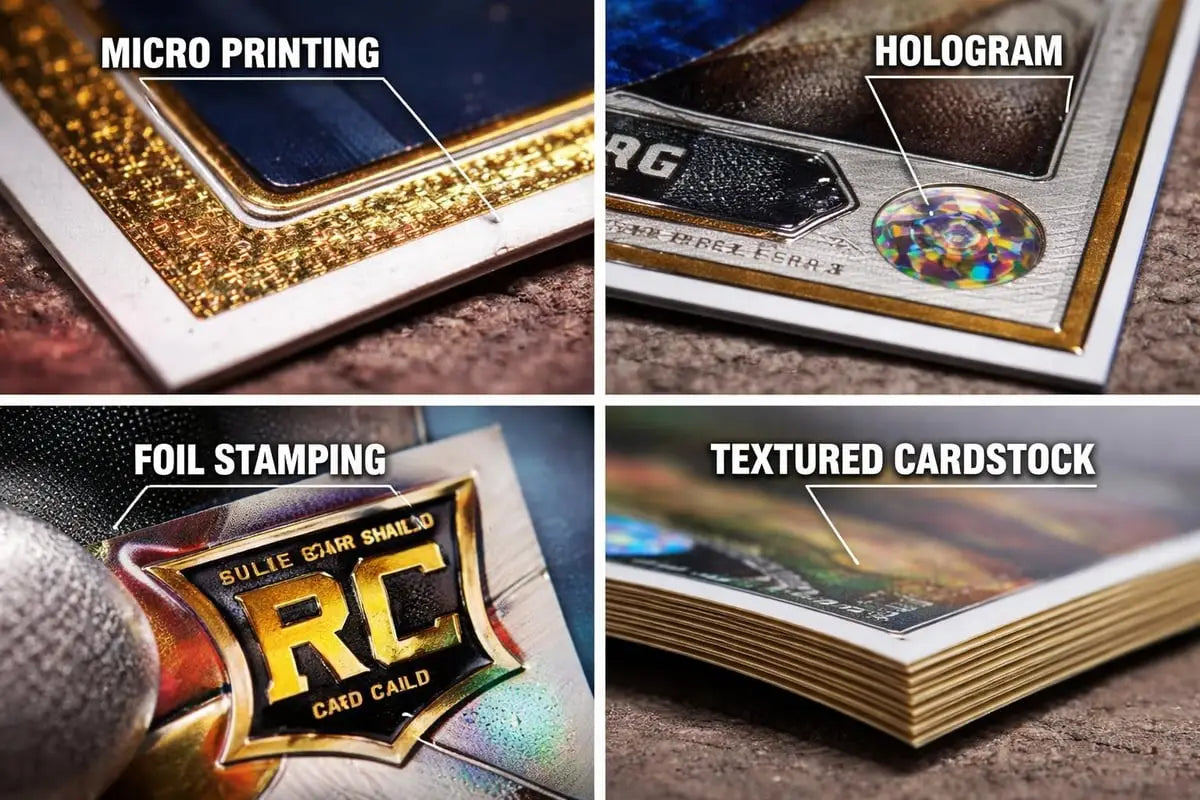
As Topps card values have increased, counterfeit products have emerged as significant concerns. Learning to identify authentic cards protects collectors from fraudulent purchases. Printing quality, cardstock characteristics, and design details help distinguish genuine Topps products from reproductions.
| Authentication Method | Reliability | Accessibility |
|---|---|---|
| Professional grading | Very High | Moderate cost |
| UV light examination | High | Low cost |
| Paper stock analysis | High | Requires experience |
| Print quality assessment | Medium | Visual inspection |
| Third-party verification | Very High | Variable cost |
Purchasing from reputable dealers and established marketplaces reduces counterfeit risk significantly. TradingCardsMarketplace provides authenticated products and buyer protection, ensuring collectors receive genuine cards matching product descriptions.
Future Trends in Topps Card Collecting
The trading card industry continues evolving rapidly in 2026. Technology integration, blockchain authentication, and augmented reality features represent potential future developments. However, traditional physical cards remain the hobby's foundation, appealing to collectors who value tangible assets and nostalgic connections.
Demographic shifts influence product development and marketing strategies. Younger collectors gravitate toward modern players and innovative card designs, while older collectors often focus on vintage cards and player legends. Topps successfully balances these competing interests through diverse product lines serving multiple market segments.
Emerging Markets and Categories
Women's sports cards represent a growing category with significant potential. As professional women's leagues gain visibility and media coverage, collector interest in female athletes increases correspondingly. Topps has begun expanding women's sports offerings, recognizing this demographic shift's importance.
Entertainment properties beyond sports continue expanding. Trading cards featuring musicians, actors, and other celebrities attract collectors outside traditional sports enthusiasts. These crossover products introduce new audiences to the collecting hobby while diversifying revenue streams for manufacturers and retailers.
Building Your Topps Card Collection
Starting a Topps card collection requires understanding both personal interests and market realities. New collectors should begin modestly, purchasing cards within comfortable budgets while learning about condition grading, pricing trends, and authentication methods. Experience provides knowledge that prevents costly mistakes during the learning phase.
Steps for beginning collectors:
- Define collecting goals and interests
- Establish realistic budgets for purchases
- Research current market prices and trends
- Join online communities and local collecting groups
- Start with recent products before tackling vintage cards
- Learn proper handling and storage techniques
- Consider professional grading for valuable acquisitions
Online resources including price guides, auction archives, and collector forums provide valuable information for decision-making. Visual histories of Topps sports cards help collectors understand product evolution and identify desirable sets or cards for their collections.
Networking and Community Engagement
Connecting with other collectors enhances the hobby experience through shared knowledge and trading opportunities. Card shows, online forums, and social media groups facilitate these connections. Experienced collectors often mentor newcomers, sharing insights about authentication, pricing, and collecting strategies.
Local card shops provide community gathering spaces where collectors examine inventory, discuss recent releases, and participate in group breaks. These physical spaces maintain importance despite online marketplace growth, offering tangible social experiences that digital platforms cannot replicate.
Topps Anniversary Releases and Special Editions
Commemorative products celebrating company milestones or player achievements generate significant collector interest. Topps revealed its top 10 baseball cards of all time during its 75th anniversary celebration, highlighting the most iconic cards in company history. These special releases often feature premium materials, unique designs, and limited production runs.
Anniversary sets typically incorporate vintage design elements while showcasing current players. This approach appeals to both nostalgic collectors and younger enthusiasts, creating cross-generational interest. Limited numbering and exclusive content drive secondary market premiums for these special releases.
Topps cards represent a unique intersection of sports, culture, and investment opportunity that continues captivating collectors in 2026. Understanding their history, value factors, and market dynamics empowers collectors to make informed decisions while enjoying this rewarding hobby. Whether you're seeking vintage classics, modern rookies, or specialty releases, TradingCardsMarketplace offers authenticated products and expert guidance to help you build a collection that brings lasting enjoyment and potential financial returns.