Card collecting is experiencing a thrilling revival in 2026, bringing back the joy and nostalgia of discovering rare treasures in every pack. Whether you are drawn to sports legends, iconic trading card games, or pop culture favorites, the collecting card world has never been more diverse or exciting.
This guide is designed to help beginners confidently start and grow their collecting card journey. You will learn about the different types of cards and collectors, essential supplies, step-by-step strategies, how to understand card values, and proven tips for building a collection you can be proud of.
Ready to join a booming global community, unlock investment potential, and experience the thrill of the hunt? Let this guide be your trusted roadmap as you dive into the dynamic world of card collecting.
Understanding the World of Collecting Cards
Stepping into the collecting card world means joining a vibrant community rich in history, diversity, and excitement. Whether you are driven by nostalgia, investment, or the thrill of the hunt, understanding the landscape is essential. Each aspect, from the origins of trading cards to the trends shaping 2026, will help you make informed choices and build a collection you are proud of.
The Evolution of Card Collecting
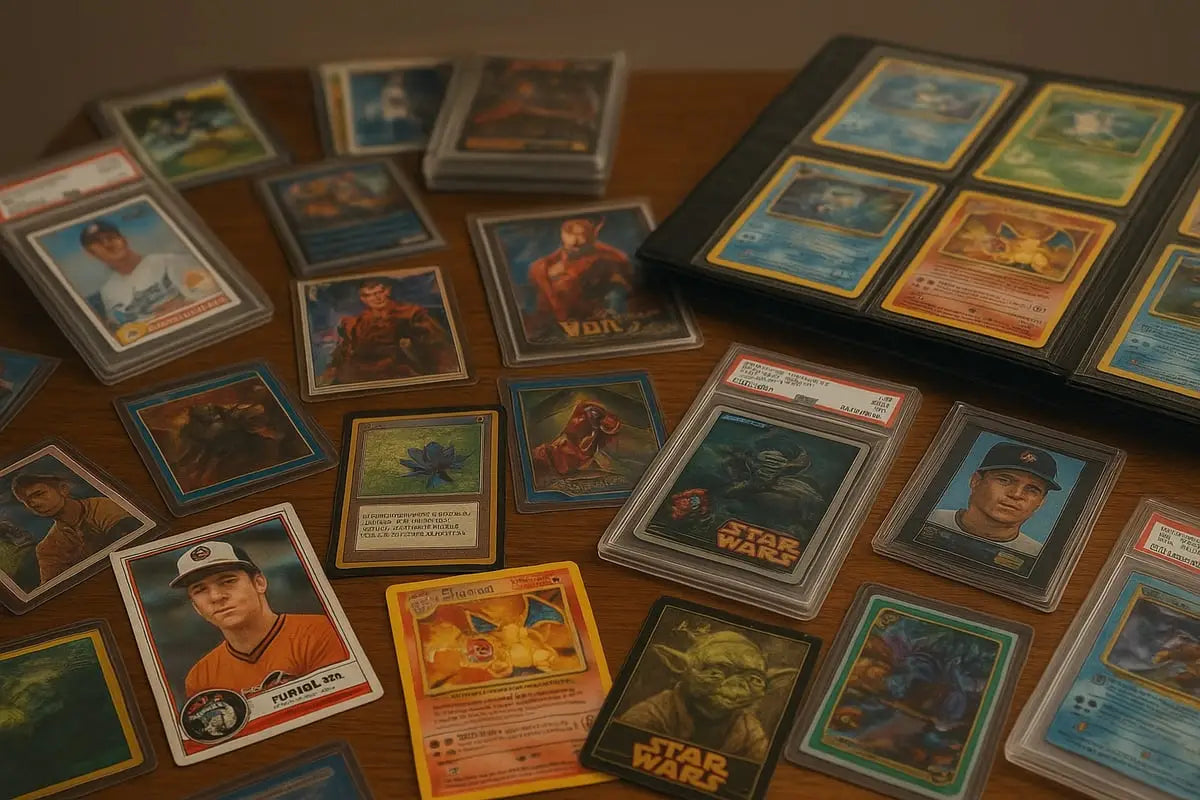
The collecting card hobby traces its roots to the late 19th century, when tobacco companies first inserted trade cards into cigarette packs. Over time, the hobby evolved, with iconic moments like the 1952 Topps baseball set and the 1990s boom in Pokémon and Magic: The Gathering captivating new generations.
Today, digital transformation has revolutionized the collecting card space. Online marketplaces and digital collectibles have expanded accessibility and global reach. One remarkable example is the 1952 Mickey Mantle rookie card, which soared from $50,000 in 1991 to $12.6 million in 2022. This growth reflects the collecting card industry's status as a multi-billion dollar global market.
Types of Collecting Cards
The collecting card universe is vast and varied. Sports cards remain a cornerstone, featuring baseball, basketball, football, soccer, and racing. Trading card games (TCGs) like Pokémon, Magic: The Gathering, Yu-Gi-Oh!, and One Piece attract strategic players and collectors alike.
Pop culture and entertainment cards, such as Disney, Marvel, and Star Wars, offer something for every fan. Graded cards, which are professionally authenticated and valued, appeal to those seeking security and investment potential. Both vintage and modern cards have their unique allure, with differences in design, rarity, and value shaping the collecting card experience.
Motivations for Collecting
Why do people start a collecting card journey? For many, nostalgia plays a big role, as cards rekindle memories from childhood. Others see cards as an alternative investment, hoping their collection will appreciate over time.
Community is another powerful motivator. Collecting card enthusiasts gather at shows, join clubs, and connect on online forums or Discord groups, sharing knowledge and excitement. The thrill of the hunt—searching for rare finds or completing a set—adds to the adventure. These motivations often overlap, making every collecting card story unique.
Types of Collectors and Their Goals
Collectors approach their collecting card journey with different goals. Hobbyists enjoy collecting for fun and sentimental reasons, while investors analyze trends and focus on long-term value. Set builders aim to complete entire collections, often using checklists and binders.
Player or character collectors specialize, seeking every card of a favorite athlete or fictional figure. Flippers buy cards at a low price and sell quickly for profit. Most people blend these styles, and understanding your motivation helps shape your collecting card strategy for greater satisfaction.
The 2026 Landscape: Trends and Opportunities
The collecting card scene in 2026 is defined by several exciting trends. Graded cards and limited editions are more popular than ever, appealing to both investors and hobbyists. Digital and hybrid collectibles are expanding the hobby's reach, while increased transparency and data empower collectors.
Soccer and F1 trading cards are gaining traction, reflecting global interests. According to Global trading card market trends and forecasts, modern trading cards are outperforming some traditional investments, further fueling the collecting card resurgence. Staying aware of these trends helps collectors maximize both enjoyment and value.
Essential Supplies and Tools for Beginners
Starting your collecting card journey means investing in the right supplies from the outset. Protecting, storing, and handling your cards properly will preserve their value and make your experience more enjoyable. Let us explore the must-have tools and where to find them.
Card Protection: Sleeves, Top Loaders, and Cases
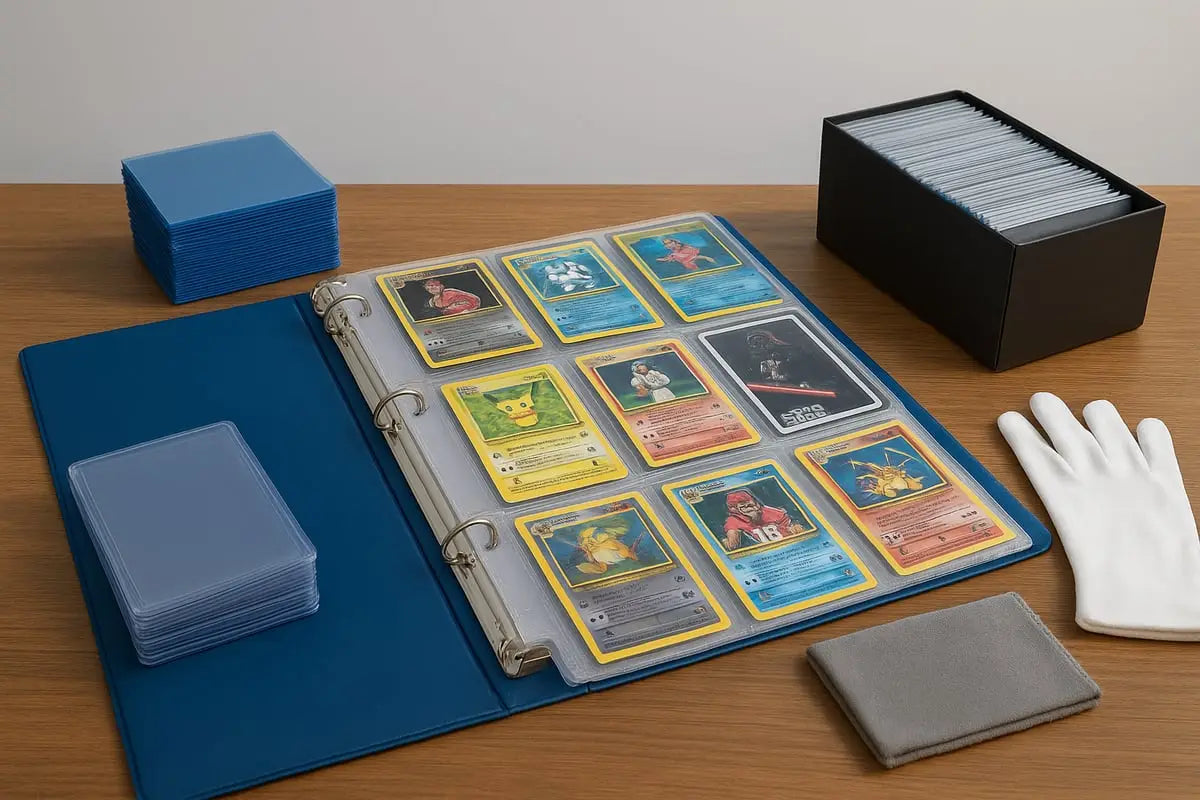
Every collecting card enthusiast quickly learns that proper protection is essential. The condition of your cards directly affects their value and longevity. Start with penny sleeves for basic, everyday protection. For more valuable cards, use toploaders or magnetic holders, which provide extra rigidity and security.
Graded card slab cases offer the highest level of protection, especially for investment pieces. For those interested in understanding why grading is crucial for collectors, the Sports card grading basics guide explains how professional grading impacts value and preservation.
Remember, even a tiny crease or scratch can significantly reduce a card's worth. Prioritize quality protection from day one of your collecting card adventure.
Storage Solutions: Boxes, Binders, and Display Options
Storing your collecting card assets safely and accessibly is just as important as protecting them individually. Storage boxes are ideal for large quantities or bulk cards, keeping them organized and stackable. Binders with 9-pocket pages are popular among set builders and TCG collectors, offering easy sorting and viewing.
Display cases are perfect for showcasing prized cards or completed sets. Always store your collection in a climate-controlled area, away from direct sunlight and humidity. This prevents fading and warping that can lower the value of your collecting card items.
Organizing cards by set, year, or theme makes it easier to track your progress and enjoy your growing collection.
Cleaning and Handling Tools
Proper handling is critical for any collecting card hobbyist. Always wash your hands and consider using cotton gloves to avoid transferring oils or fingerprints to the cards. Soft microfiber cloths help remove dust before grading or display, ensuring your cards remain in top shape.
Hold cards only by the edges, never the faces, to prevent surface scratches. Even small marks can decrease a card's grade and market value by more than 20 percent. Investing in the right cleaning and handling tools protects your collecting card treasures for years to come.
Regular maintenance and careful handling will keep your collection looking fresh and desirable.
Where to Buy Supplies and Cards
Finding trusted sources for collecting card supplies and new cards is vital. Local hobby shops offer personalized advice and the chance to connect with other collectors in your area. Online marketplaces provide a wide selection and competitive prices, letting you compare options before buying.
Attending card shows can yield exclusive deals and rare finds, as well as valuable networking opportunities. Be cautious of counterfeit or low-quality supplies that can harm your collecting card investment. Since 2020, online supply stores have grown, making it easier than ever to access what you need.
Shop smart and always choose reputable sellers to ensure your collection thrives.
Step-by-Step: How to Start Your Collecting Card Journey
Embarking on your collecting card journey is both exciting and rewarding. With the right approach, even beginners can navigate this vast hobby with confidence. Follow these structured steps to build a collection you are proud of, avoid common mistakes, and become part of a passionate community.
Step 1: Define Your Collecting Goals and Budget
Start by clarifying your goals in the collecting card world. Are you a hobbyist, investor, set builder, or do you prefer to chase your favorite players or characters? Understanding your motivation helps you stay focused and enjoy the process.
Set a realistic budget before making any purchases. Many new collectors begin with $100 to $300, which allows for a balanced mix of packs and singles. Track your spending and resist the urge to overspend on impulse buys.
Decide on your main focus, whether it is sports cards, TCGs, pop culture, or a combination. Defining your collecting card goals early will keep your journey enjoyable and efficient.
Step 2: Research and Choose Your Card Niche
Explore the wide range of collecting card genres and brands. Consider sports cards like baseball or soccer, or popular TCGs such as Pokémon and Magic: The Gathering. Research current trends, personal interests, and the market’s top performers.
For those drawn to trading card games, the Pokemon trading card guide is an excellent resource for understanding one of the most accessible and rewarding niches.
Join forums and read price guides to compare popularity and values. Remember, TCGs now account for about 40% of new collectors. Choosing a niche that excites you will make your collecting card experience more meaningful.
Step 3: Learn Card Rarity, Sets, and Terminology
Mastering the basics of card rarity and terminology is essential. Learn to distinguish between base sets, inserts, parallels, and limited editions. Key terms you will encounter include rookie card, holographic, serial-numbered, and graded.
Familiarize yourself with the concept of 1/1 cards, which are unique and often the most valuable in any set. Use checklists and official set guides to keep track of your progress and prevent gaps in your collection.
Understanding the language of the collecting card hobby protects you from costly mistakes and ensures you buy cards that truly fit your goals.
Step 4: Make Your First Purchases
Begin your collecting card journey by purchasing affordable packs, singles, or starter sets. Shop from reputable sources, whether at local hobby shops, online marketplaces, or card shows. Compare prices and always check for authenticity.
Consider the difference between buying a blaster box, which offers variety, and picking individual singles for targeted collecting. Avoid the “junk wax era” unless you are interested in nostalgia, as these cards rarely hold significant value.
Starting small and smart helps you build confidence and establish good collecting card habits from the outset.
Step 5: Organize and Protect Your Collection
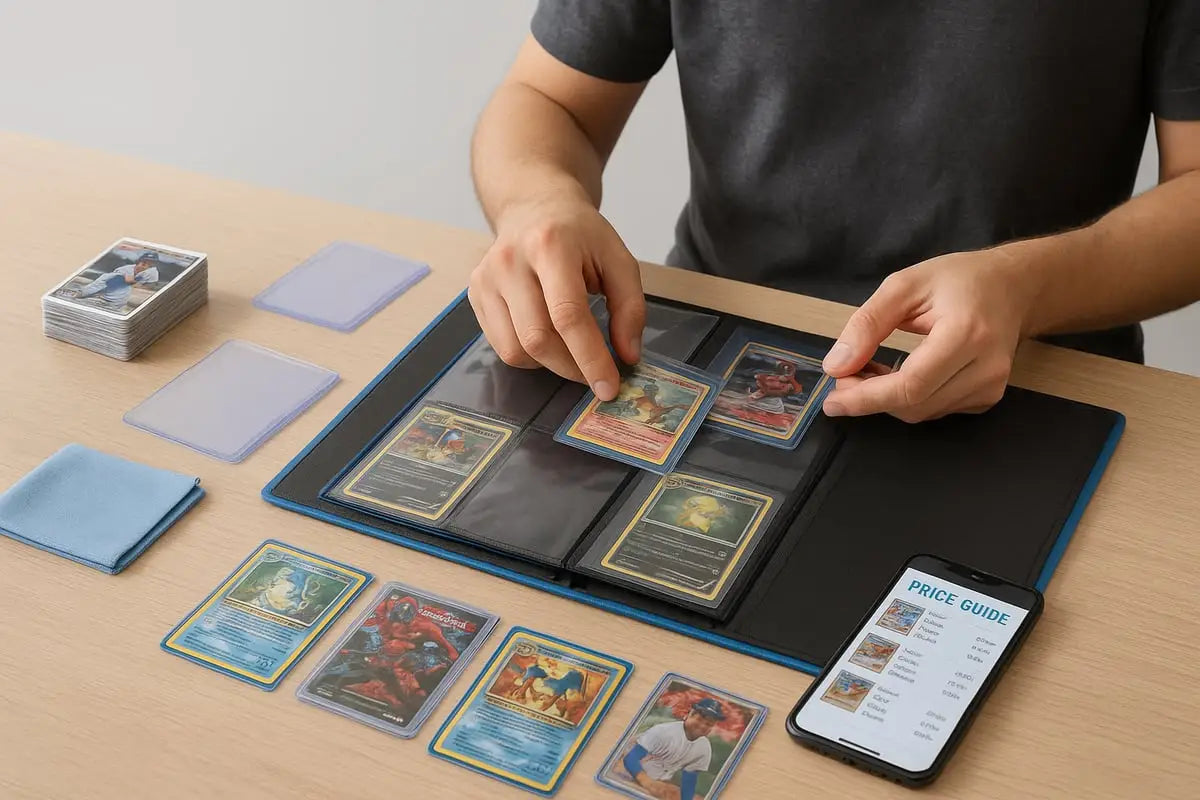
After acquiring new cards, immediately place them in protective sleeves to prevent damage. Use binders, boxes, or display cases based on your organizational style and the value of your cards.
Catalog your collection with spreadsheets or collector apps, sorting by set, year, player, or theme. Set builders often prefer binders with 9-pocket pages for easy tracking and display.
A well-organized collecting card collection not only retains higher value but also makes trading, showcasing, and enjoying your cards much easier.
Step 6: Connect with the Collecting Community
Joining the collecting card community accelerates your learning and opens up opportunities for trading and networking. Engage in online forums, Discord groups, and social media communities dedicated to your niche.
Attend local card shows and hobby events to meet fellow collectors, discover exclusive deals, and find rare cards. Trading duplicates at these events helps build valuable connections and expand your collection.
Over 60% of collectors say that community engagement is a top motivator, making this step essential for a fulfilling collecting card experience.
Step 7: Monitor Value and Market Trends
Track the value of your collecting card portfolio using online price guides, auction results, and dedicated apps. Stay informed about player performances, new set releases, and hobby news, as these factors can cause significant value shifts.
A player’s breakout season or the release of a limited edition can double a card’s value overnight. Regularly reviewing your collection’s worth ensures you make informed buying, selling, and trading decisions.
Staying proactive with market trends positions you as a knowledgeable collecting card enthusiast and helps you maximize the potential of your collection.
Understanding Card Value, Grading, and Investment Potential
Unlocking the secrets behind card value is essential for every collecting card enthusiast. Whether you are drawn by nostalgia or investment, understanding what drives price, condition, and demand will shape your success. Each element below is a building block for making informed choices and maximizing your collection’s potential.
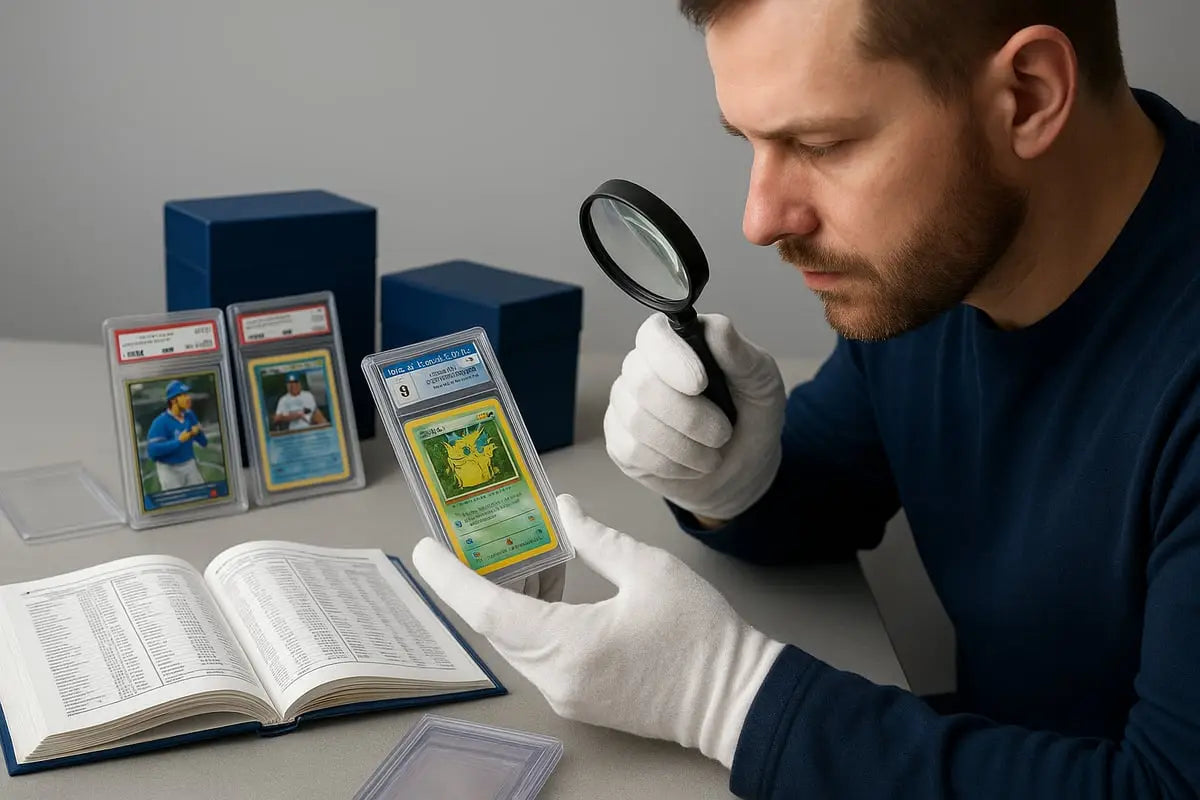
What Determines Card Value?
The value of any collecting card is influenced by several key factors. Rarity and scarcity play a major role, especially with limited prints or serial-numbered editions. Condition is critical, as cards with sharp corners, vibrant color, and clean surfaces are far more desirable.
Demand also drives price. Cards featuring popular players, characters, or sets often command premium prices. For instance, the 1999 Pokémon Charizard saw dramatic value spikes during pop culture resurgences. Graded Gem Mint 10 cards can sell for five to ten times more than ungraded versions.
| Factor | Impact on Value |
|---|---|
| Rarity | Higher scarcity increases demand |
| Condition | Gem Mint grades fetch top prices |
| Popularity | Trending subjects boost value |
Understanding these drivers is the first step in building a valuable collecting card portfolio.
The Card Grading Process
Grading is a cornerstone of the collecting card world. Leading companies such as PSA, BGS, CGC, and SGC assess cards on a scale from Poor (1) to Gem Mint (10). The process involves careful inspection for centering, corners, edges, and surface flaws.
Submitting cards for grading requires preparation, payment of fees, and patience for turnaround times. A PSA-graded card often sets the market standard, giving buyers confidence in authenticity and condition. For a detailed breakdown, refer to PSA's guide to card grading.
Only send cards with high value or exceptional rarity for grading. With a graded collecting card, you unlock greater trust, liquidity, and sometimes dramatic price appreciation.
Investing in Cards: Opportunities and Risks
The collecting card market offers both excitement and uncertainty for investors. Long-term appreciation is most common with vintage or iconic modern cards, while short-term speculation can occur with trending rookies or limited inserts.
However, market volatility, speculative bubbles, and counterfeit risks must be considered. The "junk wax era" is a well-known example where overproduction led to a crash in values. Only about 1–2 percent of modern cards become standout investments.
A smart collecting card investor studies trends, avoids hype, and diversifies. Research and patience are your best tools for navigating this dynamic market.
Protecting and Insuring Your Investment
Once you acquire valuable cards, safeguarding them is crucial. Use secure storage options such as safes or climate-controlled environments, and consider specialized insurance policies for collections valued over $1,000.
Maintain a detailed inventory with photos and up-to-date valuations. This documentation is vital for both insurance claims and potential sales. Regularly review your collecting card portfolio to ensure continued protection and accurate records.
Taking these steps not only shields your investment but also brings long-term peace of mind.
How to Sell or Trade Cards for Profit
Selling and trading are integral to the collecting card experience. Popular platforms include eBay, dedicated card marketplaces, and local card shows. Graded cards tend to sell 30–50 percent faster and at higher prices than raw cards.
Use negotiation strategies like bundling, auctions, or best offers to maximize returns. For example, major auctions have set records with iconic cards, drawing global attention. Always compare graded versus raw prices before listing a collecting card for sale.
Building relationships and staying informed on market trends will help you profit and enjoy the journey of collecting.
Navigating the Collecting Card Community and Marketplace
Connecting with the larger collecting card community is essential for both enjoyment and success in the hobby. Whether you are just starting or looking to expand your network and expertise, understanding where and how to engage with other collectors will shape your experience. Explore the main avenues below to make the most of your collecting card journey.
Online Marketplaces and Safe Buying Practices
Online marketplaces have become the backbone of the modern collecting card world. Platforms like eBay, TCGPlayer, and sport-specific sites offer access to an enormous selection of cards and supplies. Recent data shows that online card sales grew by 25 percent in 2025, reflecting the surge in digital buying and selling.
When purchasing collecting card items online, always use secure payment methods and verify seller ratings. Look out for red flags such as unclear photos, vague descriptions, or prices that seem too good to be true. For high-value transactions, consider using escrow services. The record-breaking trading card market reaches $305 million in June 2025 highlights both the popularity and the need for caution in this space. Staying vigilant ensures a safe and rewarding collecting card experience.
Local Card Shops and Shows
Local card shops remain a cornerstone of the collecting card hobby, offering in-person advice, community events, and the chance to inspect cards before buying. These shops often host trade nights, tournaments, and special events where you can meet fellow collectors and share tips.
Card shows are another invaluable resource, providing access to rare cards, exclusive deals, and face-to-face networking. Participating in these events can lead to unique finds and lasting relationships. For a schedule of upcoming events and tips on making the most of your visit, explore attending card collectible shows. Engaging with your local collecting card scene adds depth and enjoyment to your collection.
Trading and Networking with Other Collectors
Building relationships with other collectors is a core part of the collecting card experience. Online forums, Discord groups, and social media platforms are vibrant spaces for discussion, advice, and trading. Many collectors join groups dedicated to specific genres or sets, making it easier to find trading partners and complete collections.
When trading, always practice transparency and fairness. Clearly communicate card conditions, values, and expectations. Collaborating with trusted collectors helps you grow your collecting card collection efficiently, while also making the journey more enjoyable.
Trading Cards Marketplace: Your Trusted Online Source
Trading Cards Marketplace stands out as a leading online destination for sports, TCG, and pop culture collecting card products and supplies. With an extensive selection, including graded options and essential protection supplies, it offers a one-stop solution for both beginners and experienced collectors.
Shoppers benefit from a user-friendly platform, reliable shipping, and opportunities to buy or sell cards. The site also supports community engagement through card shows and informative blogs. Whether you are starting or growing your collecting card collection, Trading Cards Marketplace delivers the resources and support you need at every step.
Pro Tips and Common Mistakes to Avoid for Beginners
Starting your collecting card journey is both exciting and rewarding. With the right strategies, you can build a collection that stands the test of time and brings personal satisfaction. Let’s explore expert tips and avoidable pitfalls, so your collecting card experience is as smooth and enjoyable as possible.
Pro Tips for Building a Rewarding Collection
To make your collecting card experience truly rewarding, begin with a clear focus. Start slow by selecting a niche or set that resonates with you. Specializing allows you to develop expertise and recognize valuable opportunities, especially as trends shift. For example, soccer cards have surged in popularity, as discussed in soccer trading cards trends, making them a timely choice for collectors.
Stay organized by cataloging your cards and updating your wish list regularly. Use technology, such as collector apps, to track values and trades. Remember, patience and consistency are the foundation of every successful collecting card journey.
Mistakes to Avoid When Starting Out
Every collector faces obstacles in the beginning, but knowing what to avoid can save time and money. One common mistake is overpaying for hype cards or large ungraded lots without proper research. Protect your collecting card investments by prioritizing card protection and secure storage from the start.
Be wary of counterfeit cards, especially when purchasing from unfamiliar sources. Ignoring market trends or overestimating the investment potential of certain cards can lead to disappointment. Learn from past speculative bubbles and always buy with both your head and your heart.
How to Spot and Avoid Counterfeit Cards
Counterfeit cards are a growing concern in the collecting card world, especially for popular franchises like Pokémon. Watch for poor print quality, off-color fonts, and missing holograms. Compare potential purchases to official images or use magnification tools for close inspection.
Given the massive production volume highlighted in Pokémon trading card production statistics, fakes have become increasingly sophisticated. Always buy from reputable sellers and consider professional authentication for high-value cards. Staying vigilant protects both your collection and your investment.
Staying Up-to-Date: Resources and Continuing Education
The collecting card landscape evolves quickly, so continuous learning is essential. Follow hobby news, blogs, and YouTube channels to stay informed about new releases and trends. Join collector groups, attend webinars, and subscribe to price guides for valuable insights.
Regular updates help you spot emerging opportunities and avoid outdated advice. Embracing ongoing education ensures your collecting card decisions are grounded in the latest information, maximizing both enjoyment and value.
Building for the Long Term: Enjoyment and Legacy
Ultimately, the most fulfilling collecting card experiences are built on genuine passion. Collect what you love, not just what you think will appreciate in value. Share your hobby with friends and family, and consider documenting your journey for future generations.
Multi-generational collections often become cherished family heirlooms. By focusing on enjoyment and legacy, your collecting card hobby can offer lasting rewards far beyond monetary gains.
Now that you have a solid foundation for starting your card collecting journey—from understanding card types and values to essential supplies and community tips—you are ready to take the next step. Building a collection is not just about the cards themselves; it's about the memories, the excitement of discovery, and the connections you make along the way. If you're eager to put your new knowledge into action, explore a wide range of trading cards, supplies, and resources at your own pace. Begin or grow your collection with confidence—Shop Now.