

The world of basketball cards is experiencing a remarkable surge in both popularity and investment value in 2026. Collectors of all backgrounds, from passionate newcomers to seasoned investors, are diving into this dynamic hobby.
This comprehensive guide will cover everything you need to know about basketball cards in 2026. You will discover the latest card types, market trends, collecting strategies, and essential investment tips.
Explore the evolution of basketball cards, key brands, grading, and actionable strategies to maximize your collection’s worth. Ready to start or elevate your collection? Let’s jump in.
The Evolution of Basketball Cards: Past to 2026
The journey of basketball cards has been marked by innovation, nostalgia, and surging collector demand. As the hobby enters 2026, understanding its evolution is essential for anyone looking to appreciate, collect, or invest in basketball cards.
The Early Days and Vintage Classics
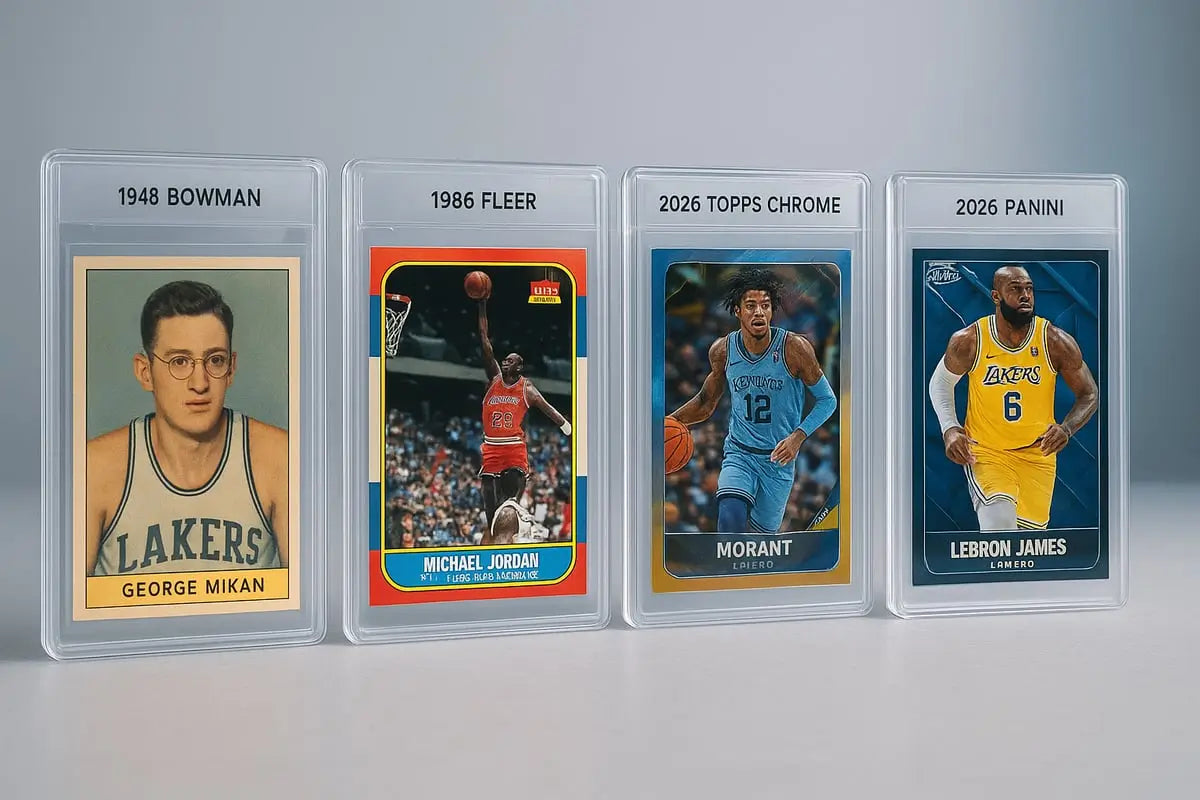
Basketball cards began their story in the early 20th century, first appearing as tobacco and regional promotional issues. It wasn't until the late 1940s that the hobby gained a foothold, with the 1948 Bowman set introducing the legendary George Mikan rookie card. These early releases were produced in small quantities, making them highly sought after by collectors today.
The 1980s witnessed a renewed surge in popularity, spotlighted by the 1986 Fleer Michael Jordan rookie card. This card, now iconic, represents a turning point for basketball cards, drawing mainstream attention and establishing a foundation for the hobby's future growth.
Vintage basketball cards have demonstrated remarkable value appreciation. For example, a high-grade 1948 Bowman Mikan or a pristine 1986 Jordan rookie can command six-figure sums at auction. Their scarcity and historical significance continue to drive collector interest.
The Modern Era: 1990s–2020s
The 1990s ushered in a new era for basketball cards, with innovations such as autographed cards, memorabilia inserts, and parallel versions. Brands like Upper Deck, Topps, and Panini became household names, each introducing unique product lines that captured the imagination of fans and investors alike.
Technological advancements transformed the look and feel of basketball cards. Holographic foils, refractors, and creative designs became standard, adding excitement to every pack. Notable modern cards include the 2003-04 LeBron James Exquisite Collection rookie patch autograph and the widely collected Prizm rookie cards.
This period saw the hobby embrace digital tools and online communities, bringing collectors together and expanding the reach of basketball cards globally. The combination of nostalgia, star power, and innovation fueled steady market growth.
The 2026 Landscape: What’s New?
Entering 2026, basketball cards are experiencing unprecedented momentum. The highly anticipated return of Topps Chrome Basketball after a fourteen-year hiatus has stirred significant excitement among collectors. Recent years have also seen the expansion of WNBA cards and the inclusion of international stars, reflecting the sport's growing diversity.
Digital integration is now central to the hobby. NFT-linked cards and blockchain authentication offer new ways to collect and trade, while limited print runs and exclusive parallels create scarcity and drive demand. The landscape is shaped by data-driven releases, with recent sales spikes for 2025/26 Topps Chrome and Panini Impeccable products. According to a recent report, basketball cards have dominated the sports card market in 2025, underscoring the hobby's explosive growth.
The combination of technology, inclusion, and strategic scarcity has positioned basketball cards as both a cultural phenomenon and a compelling investment class in 2026.
The Role of Licensing and Brand Competition
Licensing agreements continue to shape the basketball cards industry. In 2026, the NBA and WNBA have restructured their licensing deals, opening the door for fierce competition among Panini, Topps, and Upper Deck. These rivalries have led to innovative product releases and exclusive brand partnerships.
Collectors now navigate a landscape where brand exclusives can significantly influence card values and market demand. Whether it is a Panini Prizm exclusive rookie or a limited-run Topps Chrome insert, licensing drives both scarcity and desirability.
The future of basketball cards will depend on how brands leverage their licenses, respond to collector preferences, and innovate within an ever-evolving marketplace.
Types of Basketball Cards in 2026
The world of basketball cards in 2026 is more dynamic than ever, offering collectors a wide array of options. Whether you are just starting out or looking to refine your collection, understanding the main types of cards is essential. Each category holds unique appeal, value potential, and collecting strategy.
Base Cards, Parallels, and Inserts
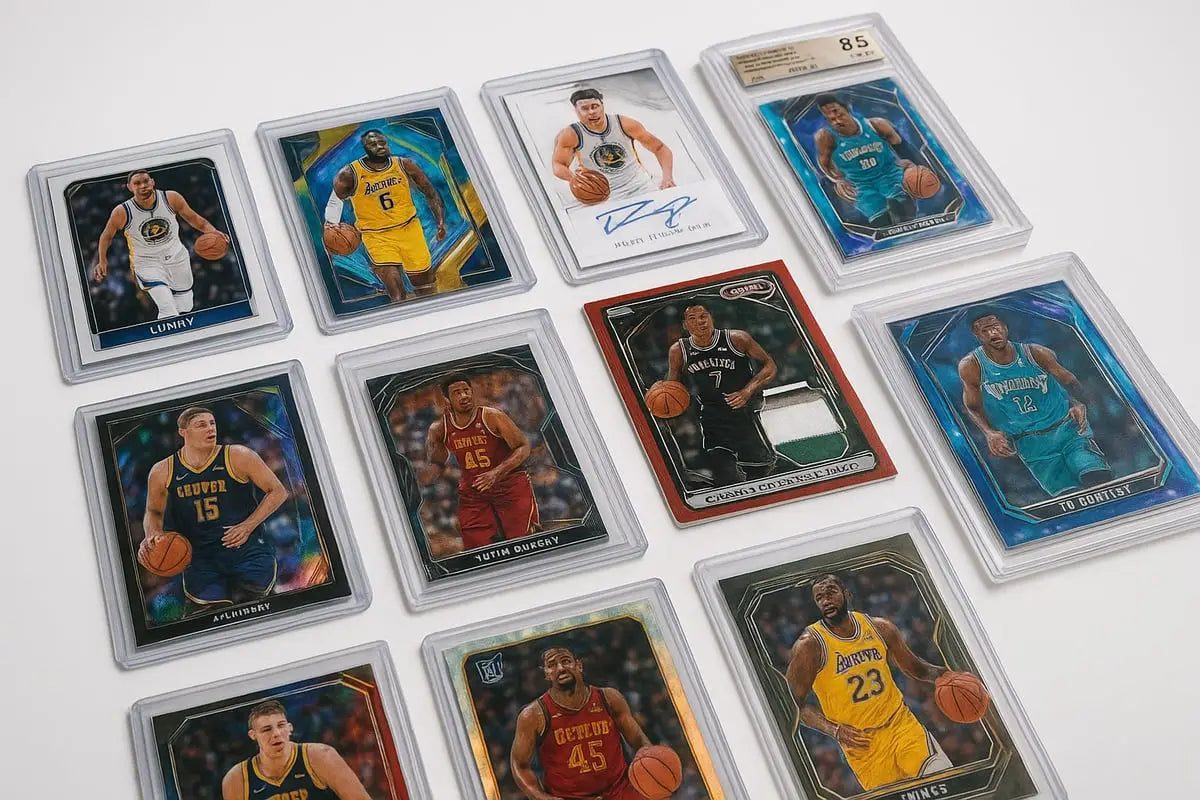
Base cards form the foundation of every basketball cards set. They typically feature player photos, stats, and team information. Parallels are special versions of base cards, often with refractor or prizm finishes, and may be serial-numbered in red, orange, or gold variations. Inserts add another layer of excitement, introducing themed sets, short prints, and coveted case hits that are much rarer than base cards.
Collectors often seek out parallels and inserts for their scarcity and unique designs. The difference between these types can be summarized as follows:
| Card Type | Features | Rarity |
|---|---|---|
| Base | Standard design, high print | Common |
| Parallel | Colorful, numbered, shiny | Uncommon to rare |
| Insert | Themed, limited, special | Rare to ultra-rare |
For a deeper dive into these card types and their significance, the NBA trading cards guide offers a comprehensive overview for both new and experienced collectors.
Autograph and Memorabilia Cards
Autograph and memorabilia cards remain some of the most sought-after basketball cards in 2026. On-card autographs, signed directly by the athlete, are more desirable than sticker autographs, which use pre-signed labels. Memorabilia cards feature authentic jersey swatches, patches, or even multi-material pieces embedded within the card.
Key types include:
- On-card autographs
- Sticker autographs
- Jersey and patch cards
- Multi-material cards
The 2025/26 Topps Chrome release, for example, guarantees an autograph in every hobby box, raising the stakes for collectors chasing star signatures and rare memorabilia.
Rookie Cards and Prospecting
Rookie cards are the cornerstone for many basketball cards enthusiasts. In 2026, the chase for rookies like Cooper Flagg and Kon Knueppel has intensified, with collectors hoping to identify the next superstar early. Prospecting involves evaluating new talent and investing in their rookie cards, balancing the risk and reward of potential future value.
Recent trends show that rookie card appreciation rates have remained strong, especially for players who make an immediate impact in the league. The excitement of prospecting keeps the hobby fresh and engaging for everyone.
Graded and Slabbed Cards
Grading has become a defining aspect of basketball cards collecting in 2026. Major companies such as PSA, BGS, SGC, and CSG assess cards for condition, authenticity, and overall quality. Graded cards receive a score and are sealed in tamper-proof slabs, increasing their value, liquidity, and trust among collectors.
For example, a graded 1986 Fleer Michael Jordan commands significantly higher prices than a raw version. Understanding the grading process and its impact on card value is crucial for anyone looking to maximize their basketball cards collection.
Key Basketball Card Brands and 2026 Releases
The landscape of basketball cards in 2026 is more dynamic than ever, thanks to innovative releases, fierce brand competition, and a surge in collector demand. Whether you are a long-time hobbyist or new to the world of basketball cards, understanding the flagship brands and their latest products is essential for making informed collecting and investment decisions.
Panini: Flagship and Premium Products
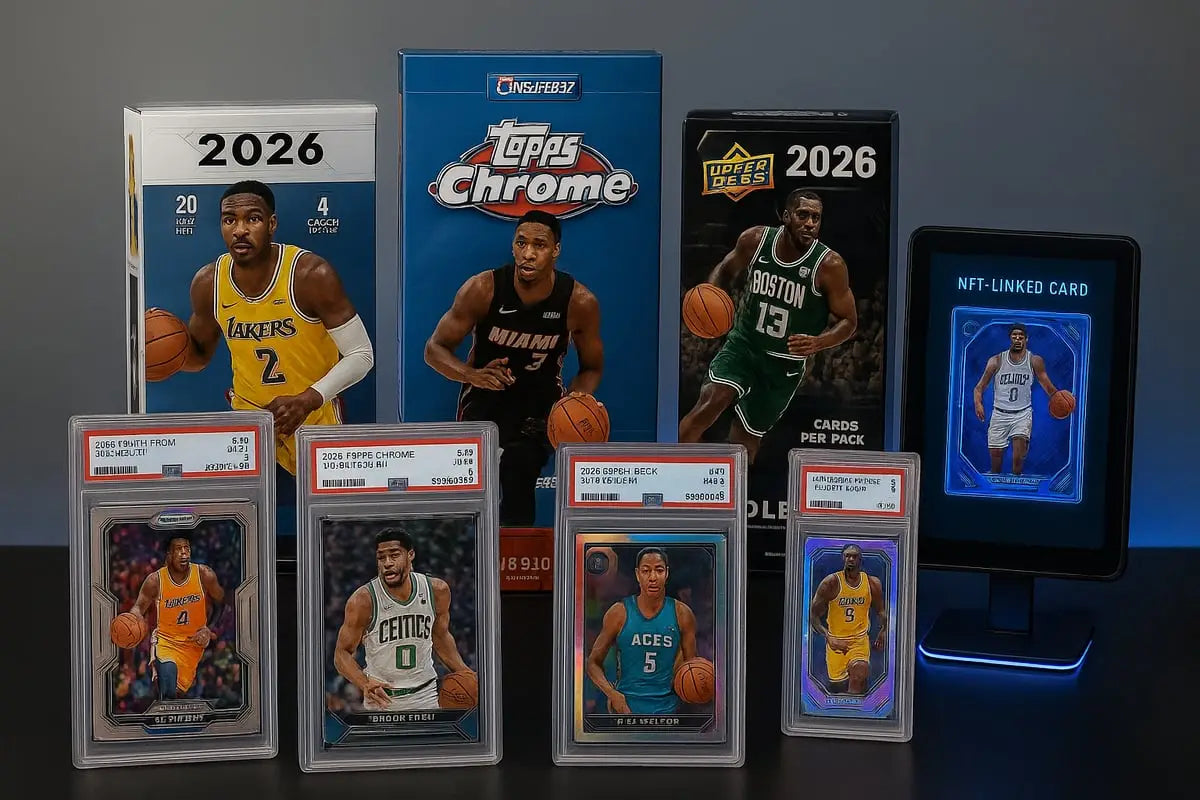
Panini remains a cornerstone of the basketball cards industry in 2026, offering a deep lineup that appeals to collectors at every level. Their flagship Prizm set continues to be a benchmark for rookies and parallels, with 2024/25 Panini Prizm Black editions commanding significant attention for their low print runs and striking designs.
Premium lines like Immaculate and Flawless focus on high-end autographs, patches, and exquisite finishing. The 2024/25 Eminence and Flawless releases are now considered ultra-premium, featuring on-card signatures and game-used memorabilia. Panini has also expanded its WNBA offerings, with Impeccable and Donruss WNBA gaining traction among enthusiasts. The brand’s consistent innovation and exclusive NBA and WNBA licenses ensure Panini basketball cards remain central to hobby and investment strategies.
Topps: The Return of Chrome and Innovation
Topps made waves in 2026 with the triumphant return of Topps Chrome Basketball, ending a 14-year hiatus and igniting excitement among collectors. The 2025/26 Topps Chrome release includes Hobby, Jumbo, and Breaker’s Delight editions, each offering unique refractor parallels and exclusive inserts. Collector response has been overwhelming, with pre-sale sellouts and sharp price increases on the secondary market. According to recent reports, Topps Basketball cards surge on secondary market, underscoring the brand's renewed influence.
Topps has also introduced innovative lines such as Inception and Royalty Collection, emphasizing bold artwork and limited print runs. The resurgence of Topps Chrome, combined with creative product design, has solidified Topps as a powerhouse in the basketball cards space for both NBA and international stars.
Upper Deck and Other Notables
Upper Deck continues to carve out a unique niche in basketball cards, focusing on international leagues, AEW, and exclusive athlete deals. While they no longer hold NBA rights, their releases attract collectors looking for rare autographs, overseas prospects, and innovative parallels.
Specialty sets often feature limited print runs, holographic finishes, and collaborations with global basketball icons. Upper Deck’s commitment to quality and unique themes ensures their cards remain relevant, especially for those seeking diversity beyond mainstream NBA products. Collectors value Upper Deck’s attention to detail and the chance to discover hidden gems within the broader basketball cards market.
WNBA and Women’s Basketball Cards
The growth of women’s basketball cards is one of the standout trends in 2026. Panini has led the charge by expanding its Impeccable and Donruss WNBA lines, offering collectors access to rookie cards, autographs, and memorabilia from emerging and established stars. The inclusion of international talent and limited parallel inserts has increased the appeal of WNBA products.
Collectors have responded enthusiastically, driving up demand and secondary market values for top rookies and short print parallels. The increasing visibility of women’s basketball, combined with innovative product releases, ensures that WNBA basketball cards are now an essential part of a well-rounded collection.
Digital and NFT-Linked Cards
Digital innovation has transformed the basketball cards industry, with blockchain authentication and NFT-linked cards becoming mainstream. Many 2026 releases include digital-only parallels and NFT tie-ins, allowing collectors to verify provenance and participate in online pack openings.
Popular brands now offer hybrid packs that combine physical cards with digital assets secured on the blockchain. These advances not only enhance security and transparency but also open new avenues for collecting and trading. For tech-savvy collectors, digital basketball cards provide a cutting-edge way to engage with the hobby and access exclusive content not available in traditional formats.
Grading, Authentication, and Card Condition in 2026
As the basketball cards market continues to grow in 2026, collectors and investors are increasingly focused on grading, authentication, and card condition. These factors are essential for ensuring the value, trust, and longevity of your collection.
The Grading Process Explained
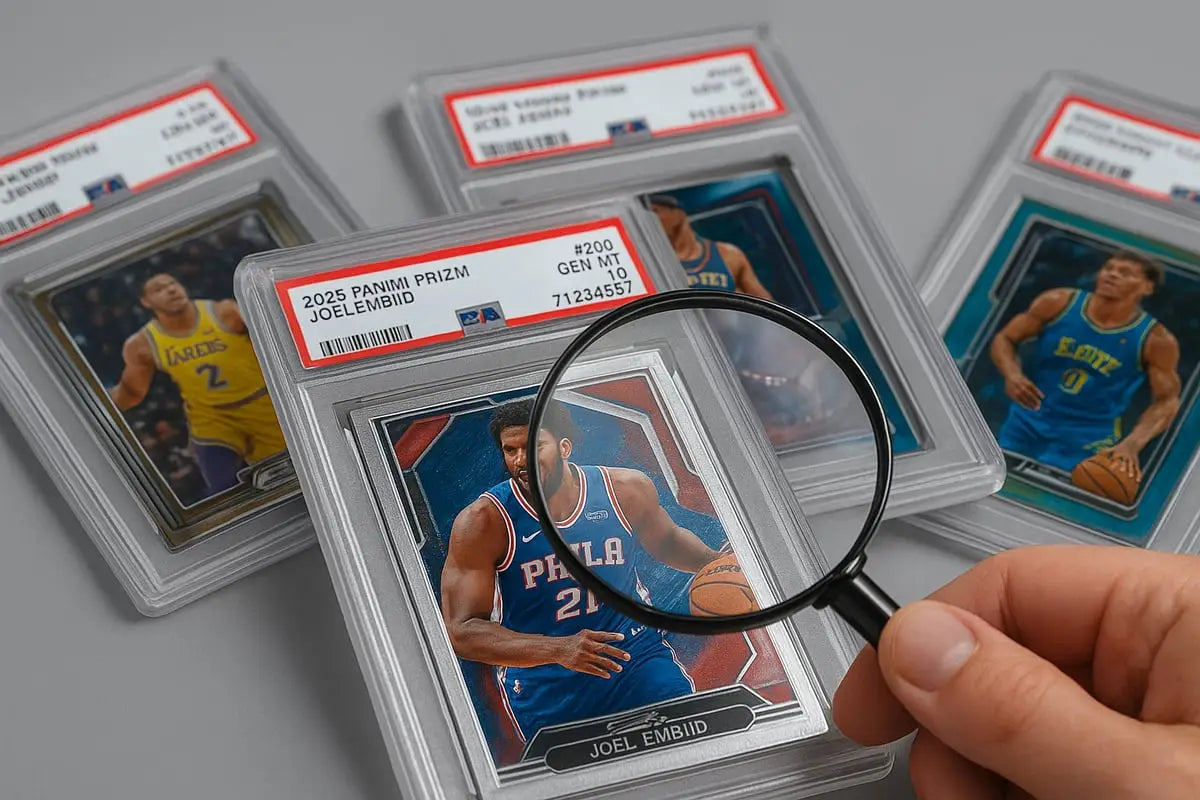
Grading remains at the heart of the basketball cards hobby. Major companies like PSA, BGS, SGC, and CSG continue to dominate the landscape, each with their own grading scales and encapsulation styles. The process starts with submitting your basketball cards for evaluation, where experts assess centering, corners, edges, and surface. In 2026, new technologies such as AI-assisted grading and digital fingerprinting have made the process more consistent and transparent.
Collectors now benefit from real-time tracking of submissions and digital certificates. For a detailed breakdown of how modern grading works and what to expect, see this guide on sports card grading explained.
Why Grading Matters
Grading directly influences the value and liquidity of basketball cards. A card graded PSA 10 or BGS 9.5 often commands a significant premium over ungraded counterparts. Recent data shows that premium-graded cards can sell for several times the price of raw versions, highlighting the importance of condition in the modern market.
For collectors, grading offers confidence and verifiable quality. Investors especially value graded basketball cards, as they are easier to buy, sell, and trade across global marketplaces. The added trust from third-party authentication supports both short-term flips and long-term holding strategies.
Authentication and Avoiding Fakes
With the rise in popularity of basketball cards, counterfeit and altered cards have also increased. Authenticators now use advanced tools, including holograms, serial numbers, and blockchain verification, to fight against fakes. These technologies help collectors confirm the legitimacy of rare inserts, autographs, and high-value rookie cards.
When evaluating cards, always look for official seals and check serial numbers against company databases. Blockchain-backed authentication is quickly becoming the norm, making it easier to track provenance and ensure your basketball cards are genuine.
Card Condition and Preservation
Preserving the condition of basketball cards is crucial for maintaining their value. Key factors include centering, corner sharpness, edge integrity, and surface clarity. Even minor flaws can significantly impact the resale price, with mint cards often fetching two to three times more than near-mint examples.
Proper storage is essential. Use penny sleeves, top loaders, magnetic holders, and sturdy cases to protect cards from dust, moisture, and bending. Regularly inspect your collection and avoid excessive handling. Investing in quality storage solutions helps ensure your basketball cards remain in top condition for years to come.
Collecting Strategies and Building Your Collection
Building a successful collection of basketball cards in 2026 requires both passion and strategy. Whether you are after investment returns or the thrill of the hobby, a thoughtful approach will help you maximize your enjoyment and potential gains. Let us explore how to set your goals, source cards, understand the market, and engage with the thriving card community.
Setting Goals: Investment vs. Hobby Collecting
Before diving into basketball cards, clarify your objectives. Are you collecting for the love of the sport, the nostalgia of iconic moments, or are you aiming to build a portfolio that appreciates over time? Many collectors blend both approaches, balancing personal favorites with high-potential investments.
For investors, diversify across eras—vintage cards offer stability, while modern rookies can yield rapid gains. Hobbyists may focus on favorite teams, players, or unique inserts. Setting clear goals helps you stay focused and avoid impulsive purchases. Ask yourself: Do you want to showcase your collection or grow its value? Your answer shapes your journey in basketball cards.
Sourcing Cards: Retail, Hobby Shops, and Online Marketplaces
Finding basketball cards in 2026 is easier and more diverse than ever. Retail stores offer convenience but often limit premium releases. Local hobby shops provide expert advice, access to exclusive products, and the chance to build relationships with fellow collectors. Online marketplaces are booming, giving you access to global inventory, auctions, and price comparison tools.
When exploring brands, it is worth reviewing resources like the Panini basketball cards overview to understand the landscape of available products. Each sourcing method has its pros and cons, so combine them to maximize opportunities and discover hidden gems. Remember, where you buy can impact both the authenticity and value of your basketball cards.
Understanding Card Values and Market Trends
Staying informed is essential in the dynamic world of basketball cards. Use platforms like eBay, auction houses, and dedicated price guides to track recent sales. Analytics tools now aggregate sales data, helping you spot trends and time your purchases or sales effectively.
Pay attention to player performance, rookie debuts, and limited print runs, as these factors can cause sudden spikes in value. Following market trends not only helps you make smarter decisions but also protects you from overpaying during hype cycles. Knowledge is your best asset in maximizing the value of your basketball cards.
Participating in Box Breaks and Group Breaks
Box breaks have become a cornerstone of basketball cards culture. In a break, collectors pool funds to open sealed boxes, then divide the contents based on teams, players, or random draws. This approach offers a cost-effective way to chase rare cards and adds excitement through live streaming and community engagement.
Many breakers offer special boxes with higher hit rates, known as Breaker’s Delight, which increase your chances of landing premium inserts or autographs. Box breaks are a fun way to build your collection, connect with others, and experience the thrill of discovery.
Trading, Networking, and Community Engagement
The basketball cards community thrives on interaction and shared passion. Card shows and conventions provide opportunities to trade, learn, and see rare cards in person. Online forums, Discord groups, and social media platforms are excellent for networking and staying updated on releases and trends.
The growth of WNBA cards has brought fresh energy and new collectors into the hobby, as highlighted in the WNBA trading cards experience significant growth article. Engaging with the community opens doors to trading, advice, and friendships that enrich your collecting experience.
Avoiding Common Pitfalls
Success in basketball cards requires avoiding common mistakes. Beware of chasing hype without research, as trends can shift quickly. Protect yourself from scams by verifying sellers, especially in online transactions, and always check for authenticity and condition before buying.
Remember lessons from past market booms and corrections: patience, research, and discipline are crucial. By learning from the experiences of others and staying true to your collecting goals, you can navigate the basketball cards landscape confidently and avoid costly missteps.
The Basketball Card Market in 2026: Trends and Insights
The market for basketball cards in 2026 is more dynamic than ever, attracting a growing base of collectors and investors worldwide. From evolving demographics to digital innovation, the industry continues to adapt and expand, offering fresh opportunities and challenges for both newcomers and seasoned enthusiasts.
Market Growth and Demographics
The basketball cards market has experienced robust growth from 2023 to 2026, with industry reports estimating a double-digit annual growth rate. This surge is partly driven by a younger, tech-savvy audience and a noticeable increase in female collectors. In 2025, major authenticators graded over 26 million cards, underscoring the rising demand and confidence in the hobby.
Collectors now span all age groups, and the community is more global than ever. Social media and online platforms have made it easier for enthusiasts to connect, learn, and trade, further fueling market expansion.
Investment Performance and High-Profile Sales
Basketball cards have proven to be a compelling alternative investment. Recent years saw record-breaking sales, with modern cards like LeBron James Exquisite and Luka Doncic Prizm Gold fetching impressive sums at auction. Compared to traditional assets, some basketball cards have outperformed stocks and real estate, though market volatility remains a factor.
A table of notable high-profile sales:
| Card | Year Sold | Sale Price |
|---|---|---|
| LeBron James Exquisite RPA | 2025 | $2.7 million |
| Luka Doncic Prizm Gold | 2026 | $1.3 million |
| 1986 Fleer Michael Jordan (PSA 10) | 2026 | $900,000 |
The allure of six-figure auctions continues to attract new investors.
The Impact of Technology and Social Media
Technology is shaping the future of basketball cards in profound ways. Platforms like YouTube, Instagram, and TikTok have become central to hobby culture, driving engagement through live box breaks and influencer content. The rise of digital-only releases and blockchain authentication is changing how collectors buy and verify cards, while analytics tools offer real-time pricing data.
Social media communities have grown rapidly, making it easier to share discoveries, follow trends, and participate in virtual events. This digital shift is making basketball cards more accessible and transparent.
Licensing, Supply, and Print Runs
Licensing agreements remain a driving force in the basketball cards market. In 2026, the competition between Panini, Topps, and Upper Deck has led to exclusive releases and innovative product lines. For more detailed insights on Panini’s latest releases and trends, see Basketball Panini cards insights.
Limited print runs and serial-numbered parallels are now the norm, increasing scarcity and collector interest. The chase for superfractors and exclusive inserts keeps demand high, while brand exclusives shape collecting strategies.
International Expansion and Global Demand
Basketball cards have gained significant traction in Asia, Europe, and Australia. The growing presence of international stars in the NBA and WNBA has elevated global demand for rookie and autograph cards. Sales data shows strong appreciation for cards featuring players from overseas, and partnerships with international leagues continue to expand the market’s reach.
Collectors worldwide now participate in online breaks and auctions, creating a truly global marketplace.
Sustainability and Eco-Friendly Initiatives
Sustainability is becoming a priority for manufacturers in 2026. Major brands have adopted recycled materials for packaging and reduced plastic use in card cases and wrappers. Some companies now offer digital alternatives to traditional cards, further minimizing environmental impact.
Eco-conscious collectors are responding positively, and these initiatives are expected to become standard industry practice.
Future Outlook: What’s Next for Basketball Cards?
Looking ahead, the basketball cards market is poised for continued innovation. Artificial intelligence, digital collectibles, and augmented reality experiences are likely to enhance the hobby. However, challenges such as market saturation, regulatory changes, and economic fluctuations may affect growth.
Collectors should stay informed and adaptable as the landscape evolves, ensuring long-term enjoyment and value from their basketball cards.
As you’ve seen, the world of basketball cards in 2026 is more exciting and diverse than ever, whether you’re starting your collection or looking to invest for the long term. With so many new releases, digital innovations, and exclusive parallels, there’s truly something for every type of collector. If you’re ready to put your knowledge into action or discover the latest cards and collectibles, I invite you to explore trusted selections from a reliable source. Take the next step in your collecting journey and Shop Now for the cards that inspire you.


