The market for baseball cards for sale has transformed dramatically over the past few years, creating exciting opportunities for collectors and investors alike. Whether you're searching for vintage Mickey Mantle rookies or modern prospect cards, understanding the current marketplace dynamics helps you make informed purchasing decisions. Recent high-profile sales have demonstrated that rare baseball cards can command seven-figure prices, while affordable options remain accessible for collectors at every budget level.
Understanding the Current Baseball Card Market
The sports card industry has experienced remarkable shifts in recent years, with market dynamics constantly evolving. While basketball cards have gained significant market share, baseball cards maintain their position as cornerstone collectibles with dedicated audiences worldwide.
Today's market reflects a diverse ecosystem where vintage classics coexist with modern releases. Collectors actively seek baseball cards for sale across multiple categories, from pre-war tobacco issues to contemporary autograph cards. The accessibility of online marketplaces has democratized the hobby, allowing buyers to compare prices, verify authenticity, and access inventory that was previously limited to regional card shows.
Market Trends Shaping 2026
Several key trends define the current landscape for baseball cards for sale. Digital integration continues expanding, with blockchain authentication and NFT crossovers creating hybrid collecting experiences. Traditional physical cards remain dominant, but technology enhances verification processes and provenance tracking.
The collectible trading cards market shows sustained growth across multiple sports categories, driven by increased mainstream recognition and investment interest. Baseball cards benefit from this expanded attention while maintaining unique characteristics that distinguish them from other sports collectibles.
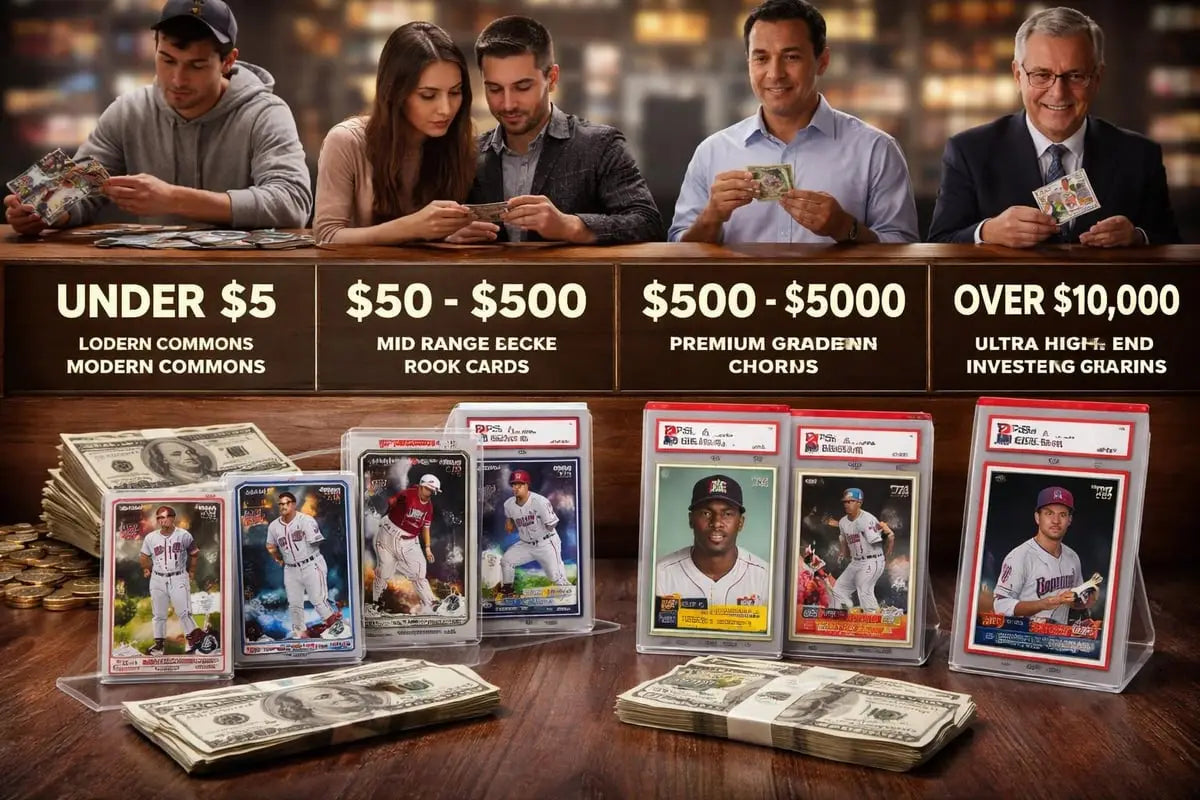
Price segmentation has become more pronounced, with ultra-premium cards reaching record valuations while entry-level options remain affordable. This accessibility ensures new collectors can participate without substantial capital investment, gradually building collections that match their interests and budgets.
Types of Baseball Cards for Sale
Understanding the different categories helps collectors identify which baseball cards for sale align with their collecting goals. Each category offers distinct characteristics, investment potential, and emotional appeal.
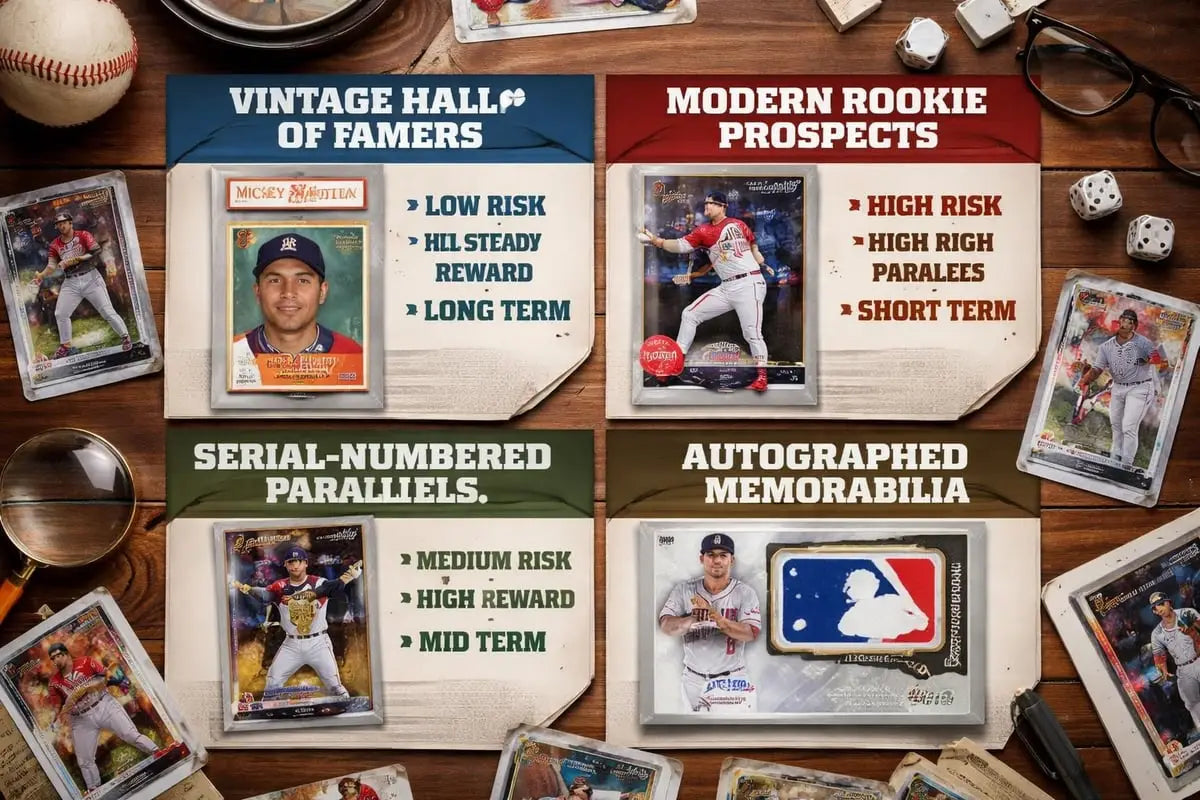
Vintage Cards (Pre-1980)
Vintage baseball cards represent the hobby's foundation, featuring legendary players from baseball's golden eras. These cards typically command premium prices due to scarcity, historical significance, and nostalgic appeal.
Key vintage categories include:
- Pre-war tobacco cards (1909-1941): T206, T205, and other tobacco-era issues
- Post-war classics (1948-1969): Bowman and early Topps releases
- 1970s offerings: Topps monopoly era with distinctive designs
Condition dramatically affects vintage card values, making professionally graded examples significantly more valuable than raw cards. Collectors seeking CGC graded baseball cards can benefit from third-party authentication that verifies both authenticity and condition.
Modern Cards (1980-Present)
Modern baseball cards for sale encompass an explosion of manufacturers, insert sets, and parallel variations. The 1980s overproduction era gave way to premium products with limited print runs and authenticated autographs.
| Era | Characteristics | Notable Features |
|---|---|---|
| 1980s | Mass production, multiple brands | Rookie card boom, speculative bubble |
| 1990s-2000s | Premium products emerge | Autographs, memorabilia cards, serial numbering |
| 2010s-Present | Limited production, high-end focus | On-card autographs, low-numbered parallels, prospect focus |
Modern releases emphasize rookie cards of emerging stars and prospects. The excitement surrounding young talent creates volatile markets where cards can appreciate rapidly based on player performance.
Investment-Grade Cards
Investment-focused collectors prioritize baseball cards for sale that demonstrate strong appreciation potential. These typically include:
- Hall of Fame rookie cards in high grades
- Low-numbered parallels of superstar players
- Rare vintage cards with documented scarcity
- Autographed cards from legendary players
Recent examples like the Paul Skenes rookie card valued at over $1 million demonstrate how unique cards can achieve extraordinary valuations. However, most investment-grade cards appreciate more modestly over extended timeframes.
Grading and Authentication Essentials
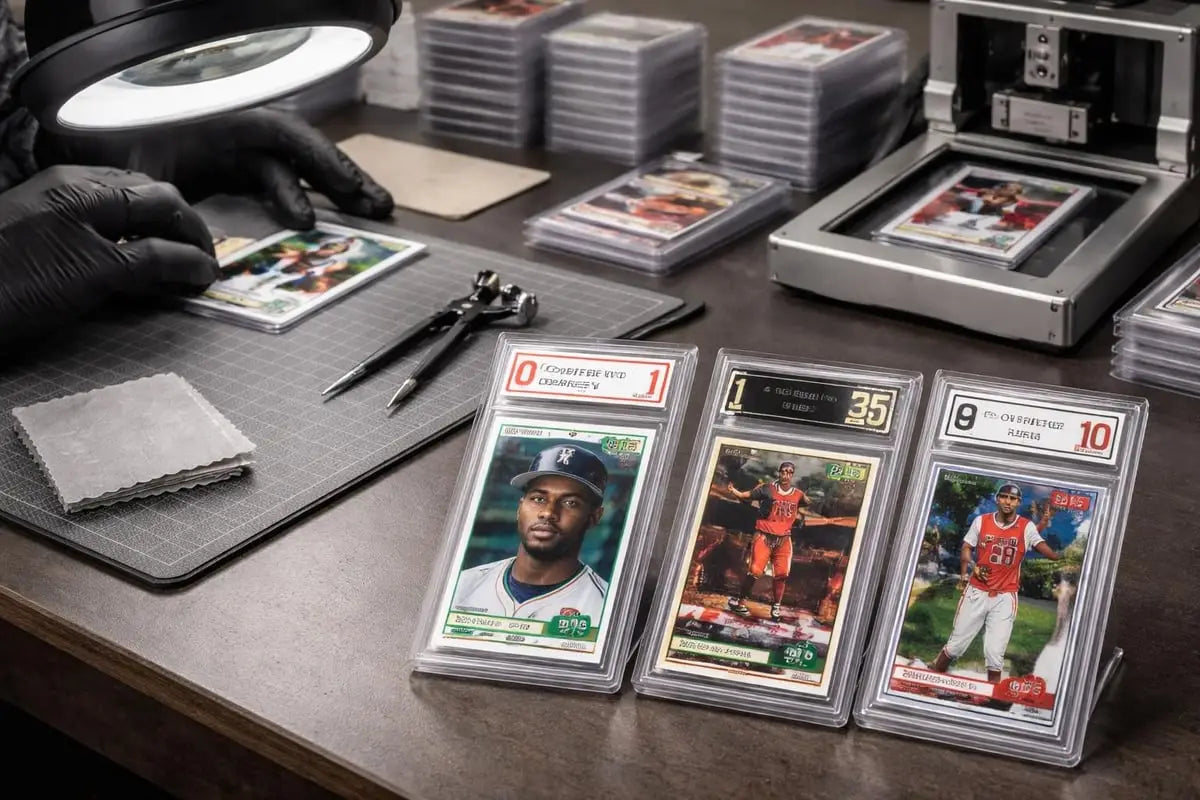
Professional grading services provide standardized condition assessment for baseball cards for sale, creating transparency and confidence in transactions. Understanding grading fundamentals helps buyers evaluate whether professionally graded cards justify their premium prices.
Major Grading Companies
Three companies dominate the baseball card grading landscape:
PSA (Professional Sports Authenticator) remains the industry leader with the broadest market acceptance. PSA grades on a 10-point scale, with PSA 10 (Gem Mint) representing the highest condition tier. Population reports track how many examples of each card receive specific grades, informing rarity assessments.
BGS (Beckett Grading Services) offers detailed sub-grades for centering, corners, edges, and surface. The BGS Black Label (Pristine 10) represents the most difficult grade to achieve, reserved for perfect cards across all categories.
SGS (Sportscard Guaranty) provides another authentication option with growing market presence. Each service uses tamper-evident holders that protect cards while displaying certification information.
Grading Scale and Value Impact
| Grade | Designation | Condition Description | Value Impact |
|---|---|---|---|
| 10 | Gem Mint | Perfect condition | 5-10x ungraded |
| 9 | Mint | Near-perfect with minor imperfections | 2-4x ungraded |
| 8 | Near Mint-Mint | High quality with slight wear | 1.5-2x ungraded |
| 7 | Near Mint | Clean card with noticeable flaws | Similar to ungraded |
| 6 or below | Various | Visible condition issues | Below ungraded value |
Submitting cards for grading involves costs ranging from $20-$150+ per card depending on service level and turnaround time. Collectors should calculate whether potential value increases justify grading expenses before submission.
Where to Find Baseball Cards for Sale
Multiple channels offer access to baseball cards for sale, each with distinct advantages and considerations. Successful collectors often utilize multiple sources to maximize selection and value opportunities.
Online Marketplaces
Digital platforms have revolutionized how collectors buy and sell cards. Dedicated trading card marketplaces like TradingCardsMarketplace provide curated inventory with detailed condition descriptions and competitive pricing. These specialized platforms understand collector needs better than general auction sites.
Online advantages include:
- Extensive inventory spanning all price points
- Detailed photographs showing card condition
- Seller ratings and transaction history
- Convenient search filters by player, year, and set
- Secure payment processing and buyer protection
However, online purchasing prevents physical inspection before buying. Reputable sellers provide comprehensive photos and accurate descriptions to compensate for this limitation.
Card Shows and Conventions
Regional and national card shows offer opportunities to examine baseball cards for sale in person. These events gather dealers from multiple markets, creating competitive pricing environments. Collectors can negotiate directly with sellers, inspect cards under magnification, and discover inventory not listed online.
Major shows feature authentication services on-site, allowing immediate verification of high-value purchases. The social aspect of card shows also provides networking opportunities with fellow collectors who share knowledge about market trends and collecting strategies.
Local Card Shops
Brick-and-mortar hobby shops provide personalized service and immediate gratification. Shop owners often possess deep product knowledge and can guide collectors toward cards matching their interests and budgets. Many shops also host breaking events where collectors can participate in group box openings, splitting products to reduce individual costs.
Building relationships with local dealers creates access to preview inventory before it reaches wider markets. Shops may also accept trades, allowing collectors to upgrade collections without additional capital investment.
Pricing and Value Assessment
Determining fair market value for baseball cards for sale requires understanding multiple pricing factors. Values fluctuate based on player performance, market sentiment, condition, and scarcity.
Price Guide Resources
Several resources help collectors research current values:
- Beckett Price Guides: Long-standing publications providing monthly value updates
- eBay sold listings: Real transaction data showing actual selling prices
- Auction house results: Premium card sales through major auction companies
- Population reports: Grading company data revealing card scarcity at each grade level
Successful buyers consult multiple sources before making significant purchases. Price guides provide baseline valuations, but actual transaction data reveals what buyers currently pay.
Understanding Value Drivers
Baseball cards for sale derive value from several interconnected factors. Player achievement represents the primary driver, with Hall of Famers and active superstars commanding premium prices. Rookie cards typically carry higher values than subsequent releases of the same player.
Scarcity significantly impacts pricing, whether from limited production runs, survival rates of vintage cards, or low populations at high grade levels. Condition creates dramatic value differences, particularly for older cards where high-grade examples are exceptionally rare.
Market timing influences short-term pricing. Cards of players performing well during seasons often experience temporary appreciation, while controversies or poor performance can depress values. Patient collectors capitalize on these fluctuations by purchasing during market corrections.
Building Your Collection Strategically
Successful collecting combines passion with strategy. Whether focusing on baseball cards for sale featuring a favorite team, player, or era, thoughtful planning maximizes satisfaction and potential returns.
Setting Clear Collecting Goals
Define specific objectives before making purchases:
- Complete set building: Assembling all cards from particular releases
- Player collecting: Acquiring comprehensive collections of favorite players
- Investment focus: Prioritizing cards with appreciation potential
- Personal nostalgia: Recapturing childhood memories through vintage cards
- Modern parallels: Chasing rare numbered variants of current players
Clear goals prevent impulsive purchases and help maintain collection coherence. Many successful collectors maintain multiple focused collections rather than accumulating random cards without underlying strategy.
Budget Management
Establishing and maintaining budgets prevents overspending while ensuring regular collection growth. Consider allocating monthly amounts for baseball cards for sale, allowing flexibility for exceptional opportunities while maintaining fiscal discipline.
Budget strategies include:
- Setting maximum prices for individual cards
- Reserving funds for major purchases like graded vintage cards
- Balancing affordable volume purchases with occasional premium acquisitions
- Factoring grading costs into purchase decisions
- Maintaining emergency reserves for unexpected opportunities
Authentication and Avoiding Counterfeits
The increasing value of premium baseball cards for sale has unfortunately attracted counterfeiters. Protecting yourself requires understanding authentication methods and recognizing warning signs.
Counterfeit Detection
High-value vintage cards face the greatest counterfeiting risk. Sophisticated fakes can deceive even experienced collectors, making professional authentication essential for expensive purchases.
Red flags indicating potential counterfeits:
- Prices significantly below market value
- Sellers unwilling to provide detailed photographs
- Unusual card stock texture or printing quality
- Inconsistent centering compared to authentic examples
- Reluctance to authenticate through reputable services
When purchasing ungraded vintage cards, consider requiring professional authentication before finalizing transactions. The modest cost of authentication services provides valuable protection against costly mistakes.
Third-Party Authentication Benefits
Professional grading services authenticate cards before encapsulation, verifying they represent genuine original issues rather than reprints or counterfeits. This authentication function often provides more value than condition grading for expensive vintage cards.
Authenticated cards carry market premiums reflecting buyer confidence. The permanent encapsulation also protects cards from handling damage while providing tamper-evident security.
Market Outlook and Future Trends
The market for baseball cards for sale continues evolving as technology, demographics, and cultural trends intersect. Understanding emerging patterns helps collectors position themselves for future opportunities.
Digital Integration
Blockchain authentication and digital twins are creating new verification methods for physical cards. Some manufacturers now include NFC chips in premium cards, linking physical items to digital certificates stored on blockchains. This technology enhances provenance tracking and reduces counterfeiting risks.
Industry statistics demonstrate increasing digital engagement across collecting categories. While physical cards remain dominant, hybrid collecting experiences that bridge tangible and digital realms are gaining traction.
Demographic Shifts
Younger collectors entering the hobby bring different preferences and purchasing behaviors. Modern prospect cards and short-print parallels appeal to collectors who appreciate the thrill of chasing rare variations. This demographic also demonstrates comfort with online transactions and digital authentication methods.
Established collectors increasingly view baseball cards for sale as alternative investments, allocating portions of diversified portfolios to premium cards. This institutional interest brings additional capital and liquidity to high-end market segments.
Market Accessibility
The barrier to entry for new collectors has never been lower. Understanding basic concepts like base cards, parallels, and autographs helps beginners navigate the marketplace effectively. Educational resources and transparent pricing create environments where collectors can learn while building meaningful collections.
Stories like an 11-year-old discovering valuable cards demonstrate that treasure hunting remains possible regardless of budget or experience level. While mega-deals capture headlines, the hobby's foundation rests on accessible collecting experiences that deliver satisfaction at every price point.
Selling Strategies for Maximum Returns
Understanding how to sell baseball cards for sale effectively helps collectors upgrade collections and realize investment returns. Data-proven strategies demonstrate that timing, presentation, and platform selection significantly impact final sale prices.
Optimal Timing
Market timing influences sale prices substantially. Selling during peak demand periods maximizes returns:
- Season performance: Cards of players having exceptional seasons appreciate during playoff runs
- Anniversary years: Milestone anniversaries for legendary players or historic sets create demand spikes
- Hall of Fame announcements: Induction news triggers immediate interest in player cards
- Product release cycles: New product launches renew interest in related vintage cards
Patient sellers who wait for favorable conditions typically achieve better results than those who sell urgently without regard for market timing.
Presentation Matters
Professional presentation increases buyer confidence and willingness to pay premium prices. High-quality photographs showing cards from multiple angles help buyers assess condition accurately. Detailed descriptions noting any flaws maintain transparency while demonstrating seller credibility.
For valuable cards, professional grading before sale often returns more than the grading cost through increased sale prices. Buyers pay premiums for authenticated, professionally graded cards compared to raw examples of uncertain condition.
Advanced Collecting: Breaking and Group Purchases
Modern collecting increasingly involves collaborative purchases that reduce individual costs while maintaining excitement. Breaking events allow multiple collectors to share premium products that would be prohibitively expensive for single buyers.
How Breaking Works
Product breaking involves purchasing sealed boxes or cases and distributing contents among multiple participants. Breakers typically sell slots corresponding to teams, divisions, or random assignments. Participants receive cards matching their purchased slots after the breaker opens the product during live streams.
This approach provides several advantages:
- Access to premium products at fractional costs
- Reduced risk compared to purchasing entire boxes
- Social engagement through live breaking events
- Opportunity to acquire specific teams without unwanted cards
However, breaking carries risks including receiving no significant cards if your assigned teams underperform in the particular product. Understanding breaking mechanics and selecting reputable breakers with transparent practices protects participants.
Hobby Box Investments
Collectors interested in opening sealed products should understand hobby box dynamics before making purchases. Hobby boxes contain higher-end content than retail versions, including exclusive parallels, autographs, and memorabilia cards not available in standard releases.
Calculating expected value helps determine whether purchasing sealed products makes financial sense. Most boxes contain total card value below box price, with occasional "hits" of premium cards offsetting numerous lower-value pulls. Collectors who enjoy the opening experience and accept variance typically find sealed products more satisfying than those seeking guaranteed returns.
Finding quality baseball cards for sale in 2026 requires knowledge of grading standards, market dynamics, and authentication practices that protect collectors from costly mistakes. Whether you're pursuing vintage Hall of Famers, modern rookie prospects, or building complete sets, the current market offers unprecedented access to inventory across all price ranges and collecting strategies. Explore authenticated, professionally curated inventory at TradingCardsMarketplace, your trusted online source for trading cards and related collectibles where every collector finds cards matching their passion and budget.