

Protecting valuable baseball cards requires more than simply storing them in a box. Baseball card sleeves serve as the essential first line of defense against damage, wear, and environmental factors that can diminish a card's condition and value. Whether you're safeguarding a vintage Mickey Mantle rookie card or organizing your latest hobby box pulls, understanding the various types of protective sleeves available helps collectors make informed decisions about preserving their investments. This comprehensive guide explores everything collectors need to know about selecting, using, and maintaining baseball card sleeves for optimal protection.
Understanding Baseball Card Sleeve Types
The market offers numerous protective sleeve options, each designed for specific protection levels and storage needs. Standard penny sleeves represent the most basic and economical choice, providing a thin layer of polypropylene that shields cards from fingerprints, dust, and minor scratches. These sleeves typically measure 2.5 by 3.5 inches, accommodating standard-sized cards with a snug fit.
Penny Sleeves and Basic Protection
Penny sleeves earned their name from their affordable price point, often costing just pennies per sleeve when purchased in bulk quantities. These ultra-thin protectors work well as the first layer in a multi-tiered protection system. Collectors frequently place cards in penny sleeves before inserting them into more rigid holders, creating a barrier that prevents the card surface from making direct contact with harder plastics.
Key benefits of penny sleeves include:
- Affordable protection for large collections
- Transparent design for easy viewing
- Acid-free materials that prevent chemical damage
- Space-efficient storage solution
- Compatible with additional protective layers
Most serious collectors view penny sleeves as essential baseline protection rather than standalone storage. The thin material offers minimal protection against bending, crushing, or moisture damage, making them insufficient for high-value cards without additional safeguards.
Materials and Manufacturing Standards
Understanding the materials used in baseball card sleeves helps collectors make choices that preserve rather than damage their collections. Polypropylene remains the most common material for basic sleeves due to its clarity, flexibility, and non-reactive properties. This plastic polymer resists yellowing over time and doesn't contain harmful chemicals that could interact with card surfaces.
The manufacturing process significantly impacts sleeve quality. Premium sleeves undergo rigorous quality control to ensure consistent thickness, proper sealing at edges, and absence of manufacturing defects. According to detailed manufacturing specifications, variations in thickness tolerances can affect how well sleeves protect against wear and environmental exposure.
Archival-Quality Considerations
For long-term preservation, collectors should prioritize archival-quality sleeves that meet conservation standards. The Library of Congress specifications for archival materials emphasize the importance of acid-free, lignin-free materials that won't deteriorate or discolor over decades of storage. These standards apply directly to trading card preservation, where chemical stability prevents yellowing, brittleness, and surface damage.
| Material Type | Clarity | Durability | Archival Quality | Cost |
|---|---|---|---|---|
| Standard Polypropylene | Good | Moderate | Yes | Low |
| Premium Polypropylene | Excellent | High | Yes | Medium |
| Polyethylene | Fair | Low | Variable | Very Low |
| PVC (Not Recommended) | Good | Moderate | No | Low |
Sizing and Fit Specifications
Proper sizing ensures baseball card sleeves provide effective protection without causing damage through excessive tightness or allowing movement from loose fit. Standard baseball cards measure 2.5 by 3.5 inches, matching the dimensions established by tobacco companies in the early 20th century. However, collectors encounter various card sizes across different eras and special editions.
Modern manufacturers produce sleeves in multiple sizes to accommodate these variations. Comprehensive sizing guides detail the specifications for standard cards, thick cards containing jersey pieces or autographs, oversized inserts, and vintage cards with non-standard dimensions.
Matching Sleeves to Card Thickness
Card thickness varies significantly based on manufacturing era, special features, and parallel versions. Base cards from standard sets typically measure 20-35 points in thickness, while memorabilia cards containing jersey swatches or autograph patches can exceed 100 points. Selecting sleeves that accommodate these thickness variations prevents damage from forcing cards into undersized protection.
Common thickness categories include:
- Standard cards: 20-35 point sleeves
- Premium inserts: 35-55 point sleeves
- Jersey/patch cards: 55-100 point sleeves
- Extra-thick memorabilia: 100-180 point sleeves
When building a collection that includes CGC graded baseball cards, understanding how professional grading affects card dimensions helps in selecting appropriate storage solutions post-grading.
Multi-Layer Protection Systems
Experienced collectors implement layered protection approaches that combine different sleeve types for comprehensive safeguarding. This system typically begins with a penny sleeve as the base layer, followed by semi-rigid holders or top loaders for structure, and concludes with outer sleeves or storage boxes for environmental protection.
The penny sleeve layer prevents direct contact between the card and harder protective materials, reducing the risk of surface scratches or indentations. Semi-rigid holders add stability without the full rigidity of top loaders, making them ideal for shipping or temporary storage. Top loaders provide the strongest protection against bending and crushing while maintaining visibility.
Top Loaders and Magnetic Holders
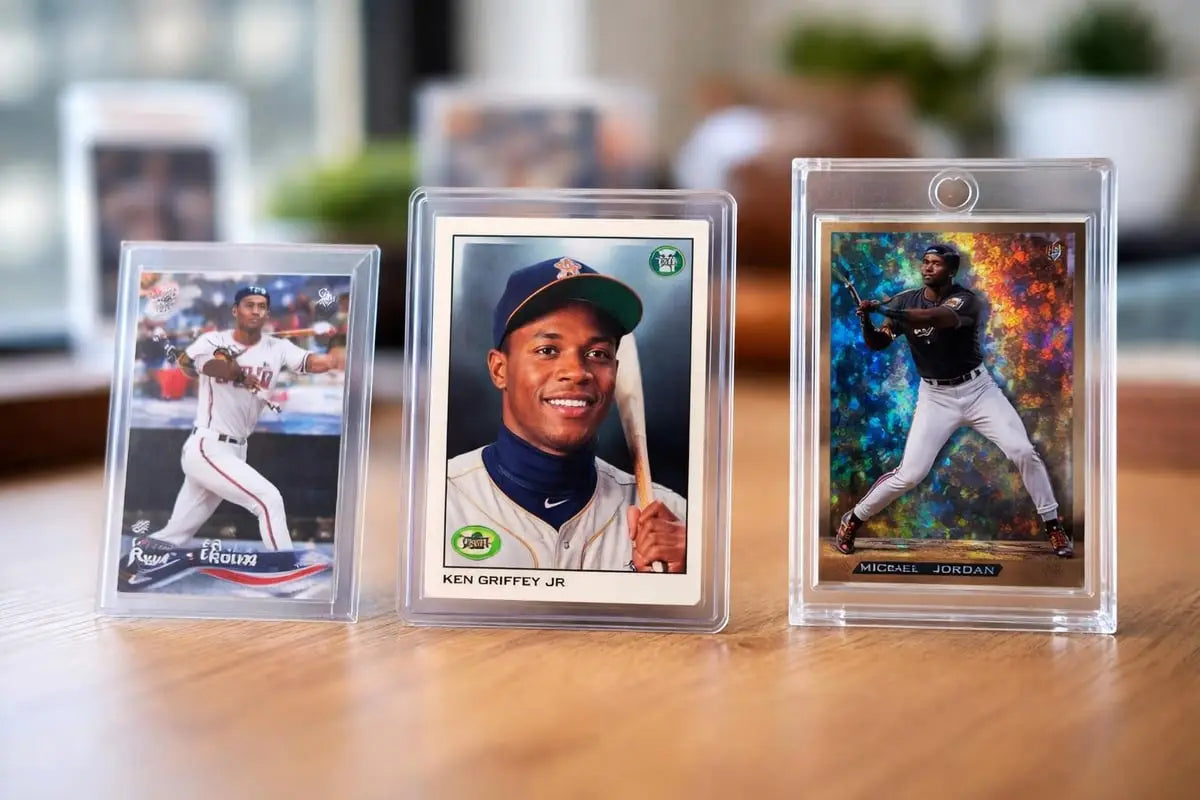
Top loaders consist of rigid plastic sleeves with an opening at the top, allowing cards to slide in while remaining fully enclosed on three sides. These holders resist bending exceptionally well and stack efficiently for storage. Magnetic holders represent a premium option, using strong magnets to seal cards between two rigid plastic panels without requiring the card to slide through an opening.
According to current market trends, collectors increasingly prefer magnetic holders for their ease of use and superior protection, despite higher costs compared to traditional top loaders. The magnetic design eliminates the need to slide cards in and out repeatedly, reducing wear on card edges.
Storage Environment and Long-Term Preservation
Even the highest-quality baseball card sleeves cannot fully compensate for poor storage conditions. Temperature fluctuations, humidity extremes, and direct sunlight exposure all contribute to card deterioration regardless of protective sleeves used. Optimal storage maintains consistent temperatures between 65-70 degrees Fahrenheit with relative humidity levels of 30-50 percent.
Light exposure, particularly ultraviolet radiation, causes fading and discoloration over time. While some premium sleeves incorporate UV-resistant materials, they provide limited protection compared to storing cards in dark or low-light environments. Best practices for baseball card storage emphasize combining quality sleeves with appropriate environmental controls.
Organizing Protected Collections
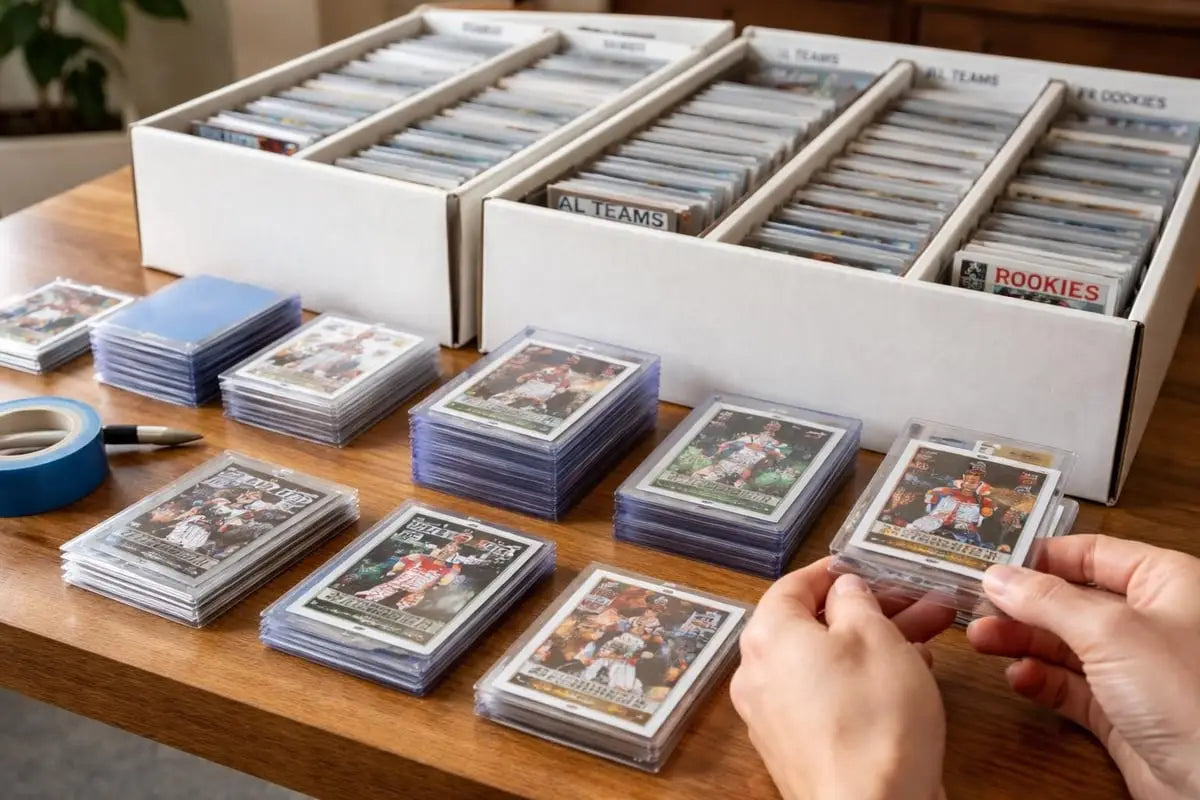
Systematic organization maximizes the benefits of protective sleeves while facilitating easy access to specific cards. Many collectors organize by team, player, year, or set completion status. Storage boxes designed specifically for sleeved cards accommodate standard dimensions while providing structural support and protection from external impacts.
| Storage Method | Capacity | Accessibility | Protection Level | Best For |
|---|---|---|---|---|
| Storage Boxes | 500-800 cards | Moderate | Good | Bulk collections |
| Binders with Pages | 100-500 cards | High | Moderate | Display collections |
| Monster Boxes | 3000-5000 cards | Low | Excellent | Long-term storage |
| Shoe Boxes | Variable | High | Poor | Temporary sorting |
Collectors focusing on specific teams can organize their protected cards efficiently by visiting resources like all baseball teams to ensure comprehensive coverage and proper categorization.
Sleeve Selection for Different Card Values
Not all cards warrant the same level of protective investment. Developing a tiered protection strategy based on card value optimizes both protection and budget allocation. Common cards from recent sets may only require penny sleeves and basic storage boxes, while rookie cards, autographs, and vintage collectibles deserve premium protection.
High-value cards exceeding several hundred dollars should receive maximum protection through magnetic holders or professional grading services. Mid-tier cards valued between twenty and several hundred dollars benefit from top loaders or semi-rigid holders with penny sleeve underlayers. Base cards and commons function well with simple penny sleeve protection in organized storage boxes.
Budget Allocation Strategies
Value-based protection tiers:
- Premium tier (cards over $500): Magnetic holders or professional grading
- High tier ($100-$500): Top loaders with penny sleeves
- Medium tier ($20-$100): Semi-rigid holders with penny sleeves
- Low tier (under $20): Penny sleeves in storage boxes
This graduated approach ensures expensive cards receive appropriate protection without overspending on protective materials for lower-value items. When purchasing new releases through hobby box breaks, immediately assessing and protecting hit cards preserves their condition and value.
Handling and Maintenance Best Practices
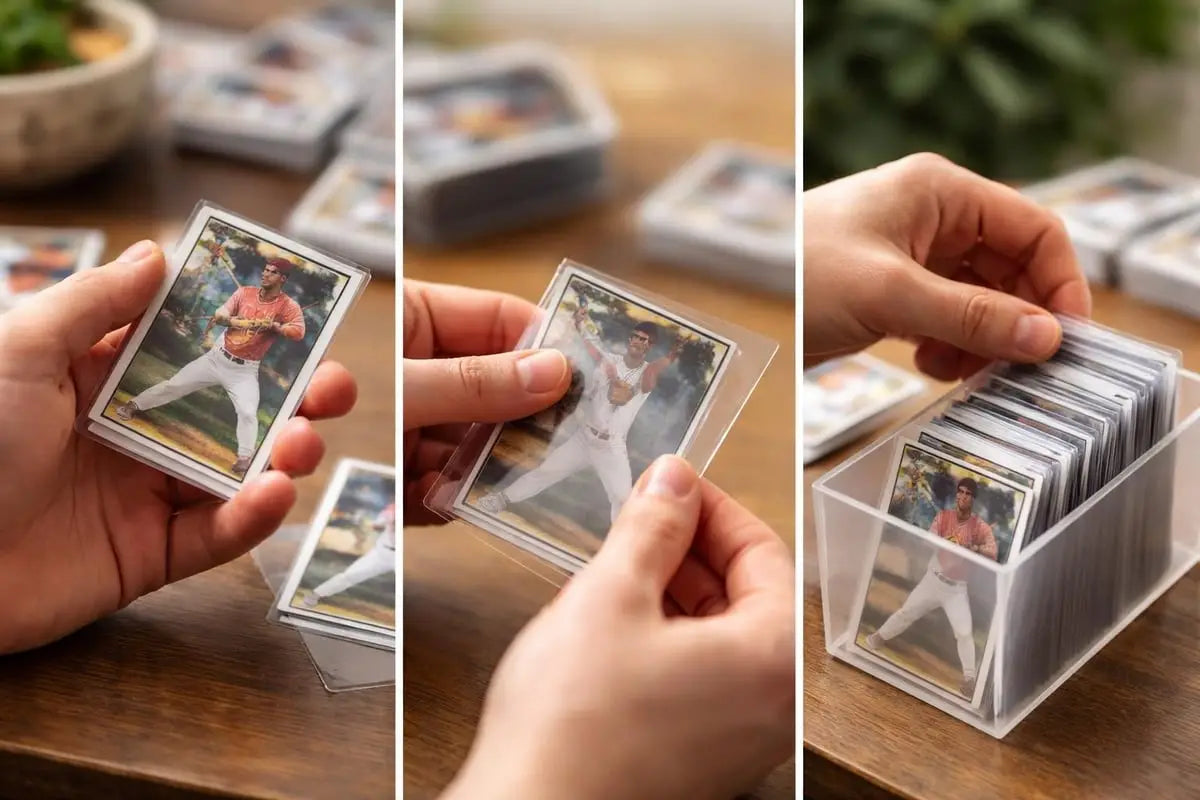
Even with proper sleeves, improper handling undermines protection efforts. Always handle sleeved cards by their edges rather than touching surfaces, as oils from skin can transfer through thinner sleeve materials. When inserting cards into sleeves, work slowly and carefully to avoid bending corners or edges during the process.
Regular inspection of sleeves identifies wear, tears, or cloudiness that compromises protection. Replace damaged sleeves immediately to maintain consistent protection levels. Soft card sleeves require more frequent inspection than rigid holders due to their thinner construction and greater susceptibility to tears.
Cleaning and Replacement Schedules
Dust and debris accumulation on sleeve surfaces obscures card visibility and potentially scratches cards when sleeves are handled. Gentle cleaning with microfiber cloths removes surface dust without creating static electricity that attracts more particles. Avoid using chemical cleaners or abrasive materials that might damage plastic surfaces or leave residues.
Establishing replacement schedules based on sleeve type and usage frequency maintains optimal protection:
- High-use display sleeves: Replace every 6-12 months
- Storage penny sleeves: Inspect annually, replace as needed
- Rigid holders: Replace when scratched or cracked
- Magnetic holders: Check seal integrity every 2-3 years
Specialty Sleeves for Unique Cards
Certain baseball cards require specialized protective solutions beyond standard offerings. Oversized cards, thick memorabilia cards, and vintage cards with irregular dimensions need custom-fit sleeves designed for their specific measurements. Manufacturers produce specialty sleeves for these situations, though they typically cost more than standard options.
Graded cards present unique storage challenges since professional grading companies seal cards in custom holders. These graded slabs require specialized sleeves or storage boxes designed to accommodate their larger dimensions and rigid construction. Resources like expert reviews of card protectors help collectors identify appropriate protection for various card types and special situations.
Vintage Card Considerations
Vintage baseball cards from the 1950s and earlier often feature different dimensions, thicker cardstock, or condition issues requiring special attention. Pre-war tobacco cards, for instance, may have slightly different measurements than modern standards. Using sleeves specifically manufactured for vintage dimensions prevents damage from forcing cards into ill-fitting modern sleeves.
Condition-sensitive vintage cards benefit from archival-quality sleeves that prevent further deterioration while maintaining their current state. These premium sleeves cost more initially but provide long-term value preservation that justifies the investment for rare and valuable vintage pieces.
Cost Considerations and Bulk Purchasing
Baseball card sleeves represent an ongoing expense for serious collectors, making cost management important for budget sustainability. Bulk purchasing significantly reduces per-unit costs, with quantities of 1,000 or more sleeves often available at substantial discounts compared to smaller packages. However, bulk buying requires storage space and upfront capital investment.
Comparing suppliers helps identify best value options without sacrificing quality. Online retailers, local card shops, and specialty suppliers each offer different pricing structures and bulk discount thresholds. General information about protective sleeves provides context for understanding various product categories and price points across the market.
Typical pricing ranges (per 100 units):
- Economy penny sleeves: $1-3
- Premium penny sleeves: $3-6
- Semi-rigid holders: $8-15
- Standard top loaders: $10-20
- Magnetic holders: $25-50
Building relationships with suppliers through TradingCardsMarketplace provides access to competitive pricing and reliable product quality for ongoing protection needs.
Common Mistakes and How to Avoid Them
Many collectors inadvertently damage their cards through protection-related errors. Using PVC-based sleeves represents one of the most serious mistakes, as this material degrades over time and can permanently damage card surfaces through chemical reactions. Always verify that sleeves are made from polypropylene or other archival-safe materials.
Overstuffing storage boxes or binders creates pressure that can bend or warp cards despite protective sleeves. Maintain reasonable fill levels that allow cards to sit naturally without compression. Similarly, storing cards horizontally in stacks places weight pressure on bottom cards, potentially causing damage over time.
Avoiding Environmental Damage
Temperature and humidity extremes cause significant damage even when cards are properly sleeved. Attics, basements, and garages typically experience dramatic environmental fluctuations that accelerate deterioration. Store protected collections in climate-controlled living spaces whenever possible, keeping them away from windows, heating vents, and moisture sources.
Direct sunlight exposure fades colors and degrades both cards and protective sleeves. Even brief exposure during sorting or organization sessions contributes to cumulative damage over years. Work with collections in indoor lighting away from windows, and return cards to dark storage promptly after handling.
Integration with Overall Collection Management
Baseball card sleeves form one component of comprehensive collection management alongside organization, valuation, and trading activities. Digital inventory systems help track which cards receive various protection levels, facilitating systematic upgrades as cards appreciate in value. Photographing cards before sleeving them provides documentation of condition for insurance and potential future sales.
Regular collection audits identify cards requiring protection upgrades based on market value changes. Rookie cards from recent seasons may dramatically increase in value following strong player performance, warranting enhanced protection beyond initial penny sleeves. Monitoring market trends helps collectors proactively protect appreciating assets before condition issues diminish value.
For collectors interested in buying, selling, or trading protected cards, exploring auction opportunities and daily deals provides access to quality collectibles that benefit from immediate proper storage upon acquisition.
Protecting baseball cards with appropriate sleeves preserves both their physical condition and monetary value for years to come. By understanding materials, implementing multi-layer protection systems, and maintaining proper storage environments, collectors safeguard their investments effectively. Whether you're organizing a massive collection or protecting a few prized cards, TradingCardsMarketplace offers the products, expertise, and community support to help you maintain your collection at peak condition while connecting with fellow enthusiasts who share your passion for the hobby.


