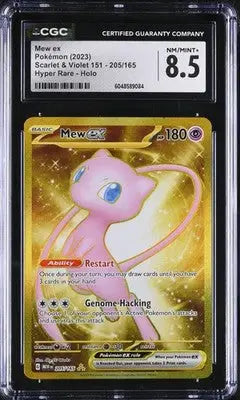
```html The Origin & Lore: The Pokemon Trading Card Game (TCG) first...
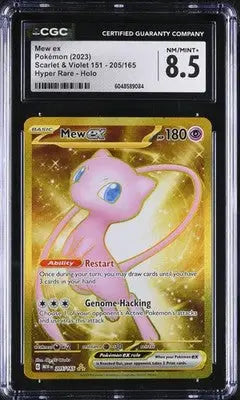
The Origin & Lore: The Pokémon Trading Card Game (TCG) made its...
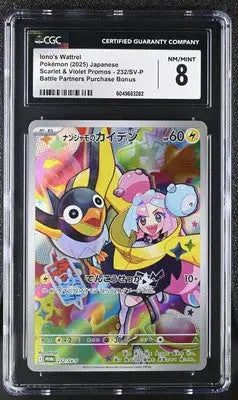
The Origin & Lore: The Pokémon Trading Card Game (TCG) was first...
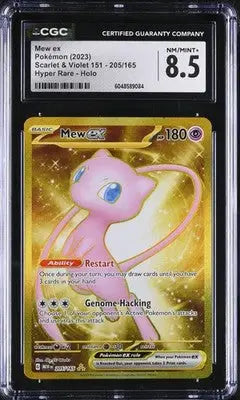
The Origin & Lore: The Pokémon Trading Card Game (TCG) emerged from...
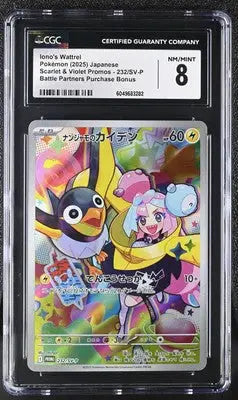
The Origin & Lore: The Pokemon trading card game (TCG) first emerged...
![Pokemon Zapdos ex (202/165) [Scarlet & Violet 151] Graded PSA 9 Mint - Trading Cards (Singles): TCG Card Single](http://www.tradingcardsmarketplace.com/cdn/shop/collections/psa-graded-pokemon-cards.webp?v=1774899499&width=1500)
The Origin & Lore: The Pokémon Trading Card Game (TCG) began its...
Collectors across Corona and the Inland Empire keep a lively Pokémon scene going—from long-time fans with binders full of vintage holos to newer players chasing the latest alternate arts. If you’re considering moving a few singles, offloading sealed booster boxes, or parting with a graded slab or two, you’ll find a mix of local options and regional shops within an easy drive.
Whether you’ve uncovered first-edition Wizards of the Coast cards from the 90s, have modern hits from recent sets, or just want to find a home for bulk and duplicates, you can explore nearby hobby stores, trade nights, and online platforms. Many area shops focus on community events, tournaments, and sealed product, and some may evaluate collections depending on condition and current inventory needs.
Can't find a local shop? Browse our full inventory online at TradingCardsMarketplace.com — we ship nationwide.
Condition is the foundation of value. Buyers scrutinize centering, corners, edges, and surfaces for whitening, scratches, and print lines. Even a small flaw can swing a price tier. Rarity also matters—short-printed secret rares, first editions, and historically significant sets usually outpace more common cards. Demand ebbs and flows with gameplay trends, set hype, and pop culture interest, so recent sales data is the best compass.
Grading adds another layer. Professionally graded slabs with high scores reduce uncertainty, while raw cards depend on the buyer’s assessment. A PSA 10 can sell for multiples of a PSA 8, and sometimes a clean raw copy earns near-slab pricing if buyers are confident in its condition. Ultimately, the strongest offers go to cards that are both scarce and impeccably preserved.
Local selling can be efficient: you get quick feedback, potential same-day cash, and less shipping risk. Shops may offer trade credit that stretches further if you want new product or supplies. On the other hand, online marketplaces open your cards to a broader audience, which can help maximize price—especially for rare singles and graded slabs where extra eyeballs matter.
Many Corona collectors compare options. If you’re testing the waters beyond the local scene, TradingCardsMarketplace.com can help you gauge current listings and connect with interested buyers regionally or nationwide, while still allowing you to check in with nearby stores for convenience or trade value.
Local buyers often seek clean singles for decks or binders, graded slabs of chase cards, sealed booster boxes and ETBs from recent sets, and complete or near-complete binders organized by set. Japanese promos, bulk for building decks, and unique pre-release stamped cards can also draw attention if properly protected and documented.
Within a short drive, shops like Four Color Fantasies, Ryan’s Comics, Quest Comics and Games, and GMI Games & Hobbies may be options to contact. Policies change, so call ahead to confirm what they’re evaluating.
Some nearby stores may review full collections depending on condition, demand, and current inventory. Organize your cards and be ready with a list of highlights to make evaluation easier.
Grading can pay off for high-end cards in excellent condition, but it adds time and cost. Check recent sales for graded vs. raw copies of the same card to decide if it’s worth it.
Often, yes—WotC-era holos and first editions tend to be strong. That said, modern alternate arts and low-pop slabs can compete in value, especially for iconic Pokémon.
Many buyers take bulk, but rates vary. Separate bulk rares, trainers, and energy from common/uncommon bulk to streamline offers.
Check set symbols, rarity, edition (first edition/shadowless), and condition. Then review recent sales for that exact card and grade to set realistic expectations.
Corona’s proximity to a network of Inland Empire and Orange County hobby stores gives sellers multiple ways to move cards—from quick local trades to reaching broader audiences online. Compare options, protect your best pieces, and don’t rush rare items; informed sellers typically secure the fairest outcomes.
Disclaimer: Shop details, inventory, buying policies, and event schedules may change over time. Always verify directly with the store before visiting or attempting to sell cards.
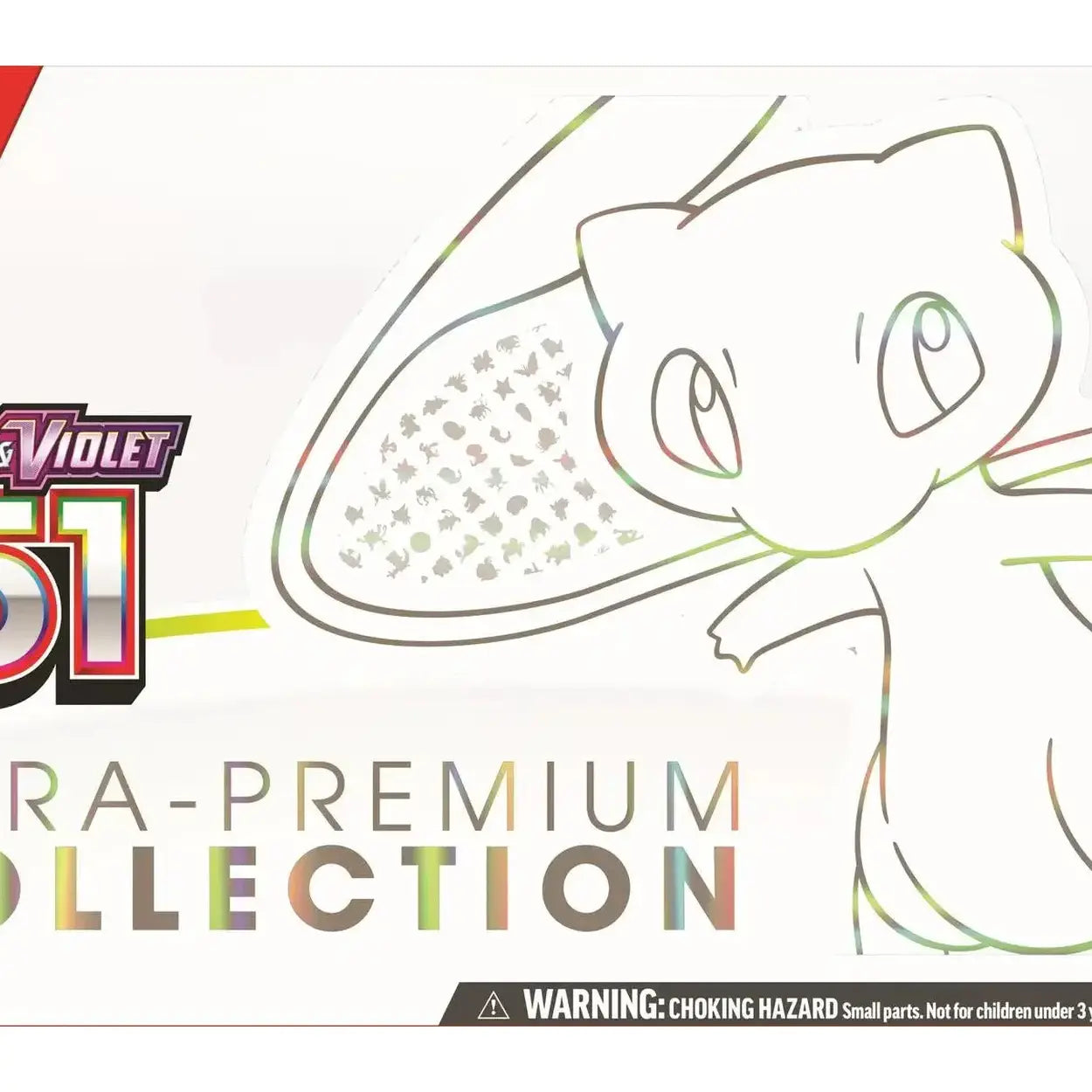
The Origin & Lore: The Pokémon Trading Card Game (TCG), introduced by...
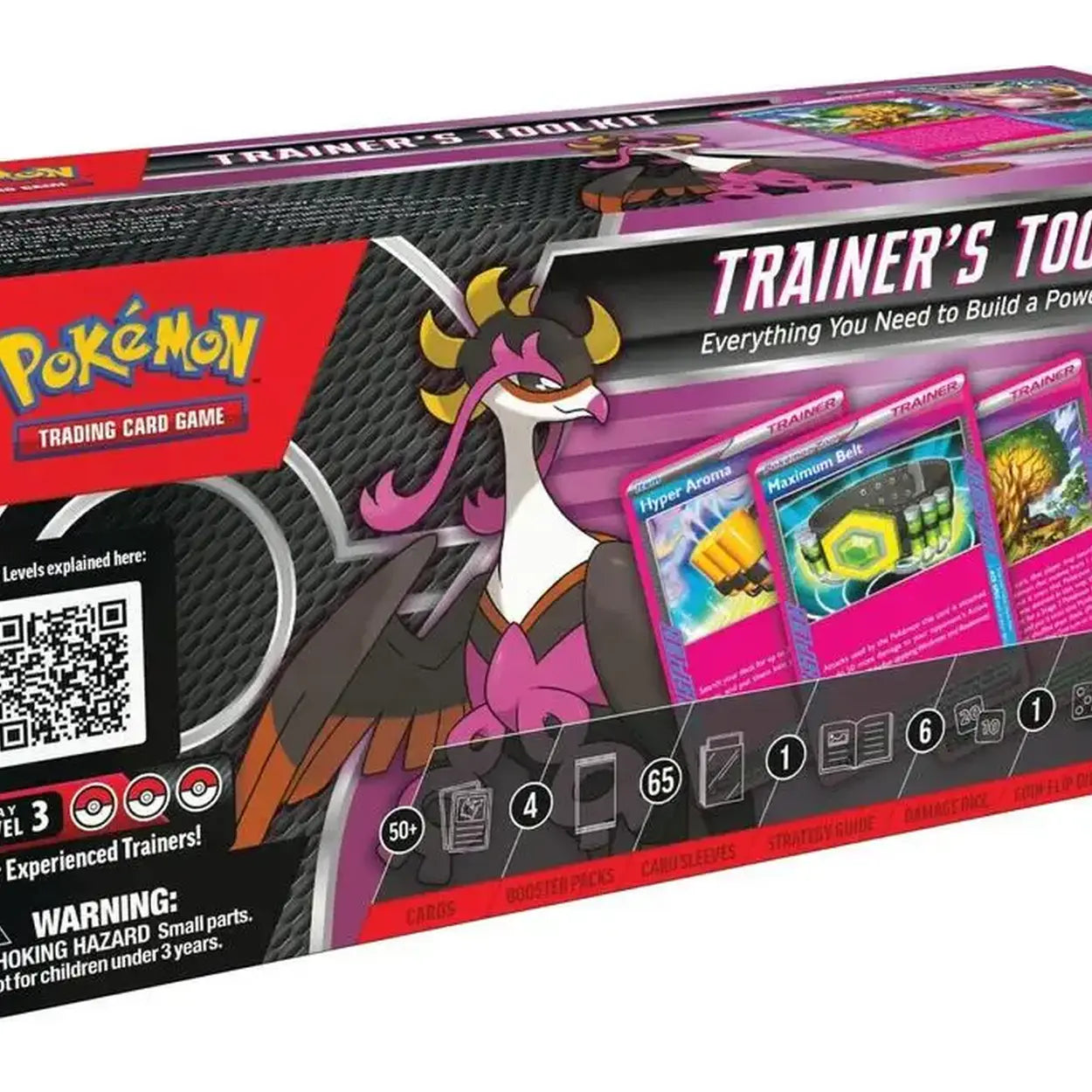
The Origin & Lore: The collection of Pokemon Trainer Boxes has its...
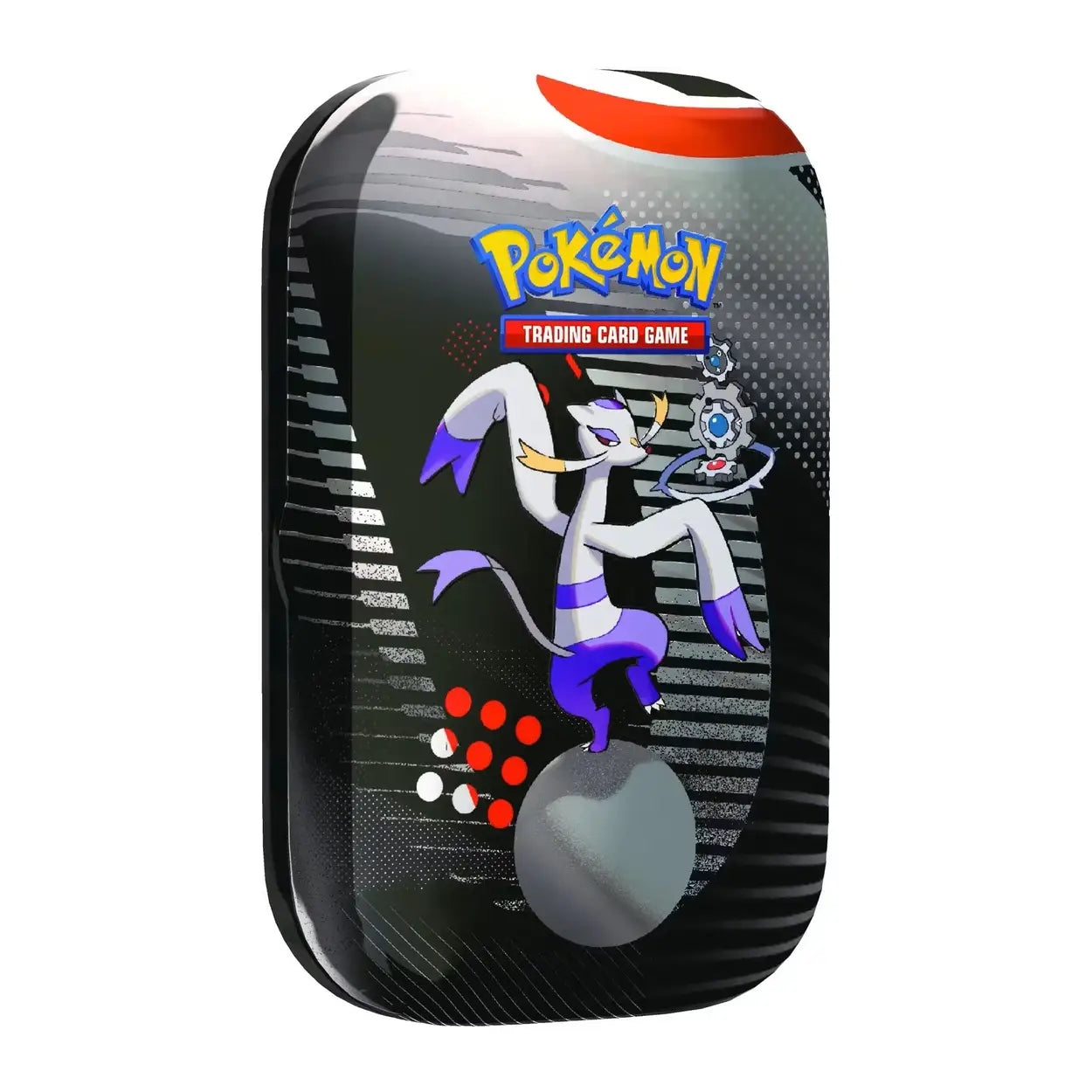
The Origin & Lore: The Pokemon franchise, created by Satoshi Tajiri and...
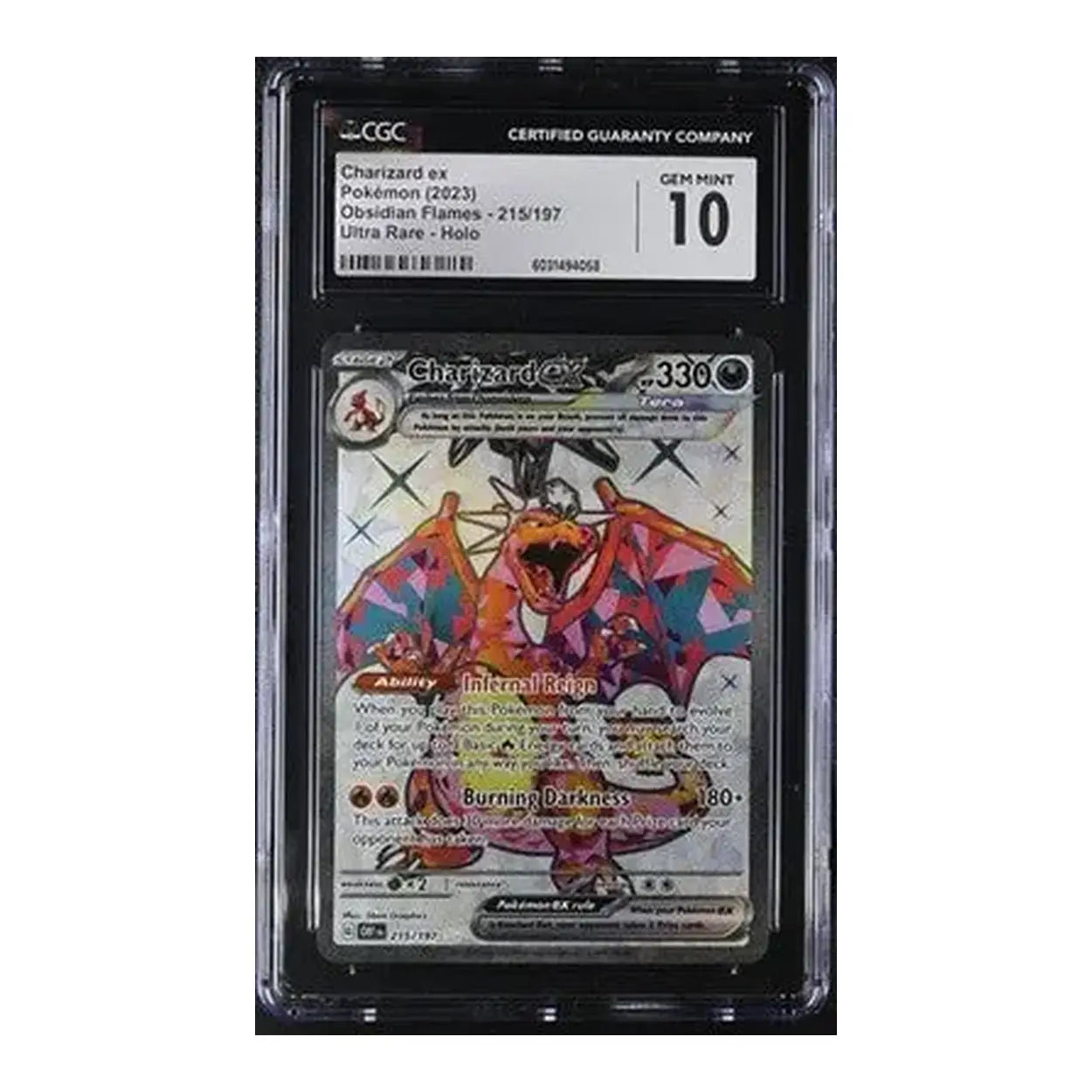
The Origin & Lore: The Charizard Pokémon Cards collection is integral to...
The Origin & Lore: The Bulbasaur Pokémon Cards collection is an essential...