The football card market continues to evolve rapidly in 2026, presenting both seasoned collectors and newcomers with unprecedented opportunities to build valuable portfolios. Understanding which cards offer the strongest combination of appreciation potential, player performance outlook, and market demand has become essential for anyone serious about this hobby. Whether you're focused on modern rookies, established stars, or vintage classics, identifying the best football cards to buy requires careful analysis of multiple factors including scarcity, condition, brand prestige, and player trajectory.
Understanding Football Card Value Drivers
The foundation of smart football card investing begins with recognizing what makes certain cards more valuable than others. Several key factors influence pricing and long-term appreciation potential in today's market.
Player performance remains the most significant driver of card values. Rookie quarterbacks who demonstrate elite skills command premium prices, while skill position players who consistently deliver statistical excellence maintain strong collector interest. Championships, MVP awards, and record-breaking achievements create immediate value spikes that can permanently elevate a player's card prices.
Scarcity and Print Runs
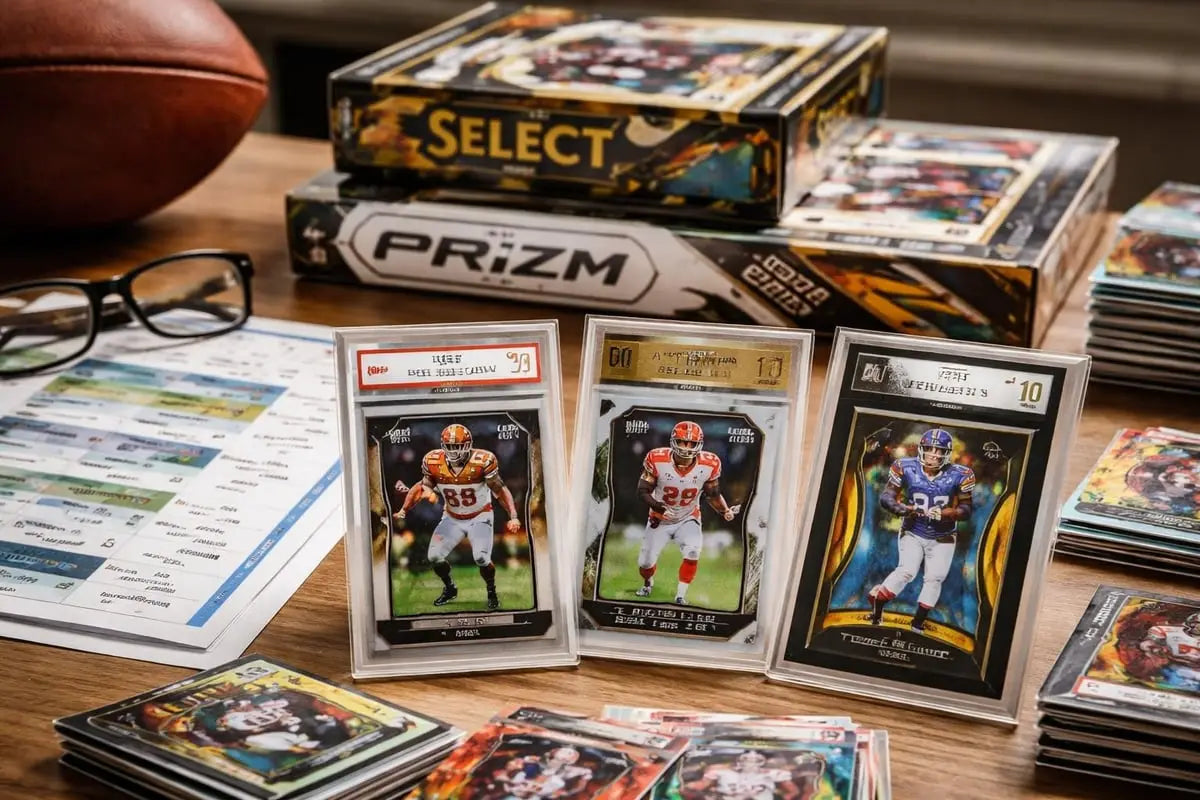
Limited production numbers create urgency among collectors. Modern manufacturers like Panini use numbered parallels to establish scarcity tiers:
- Base cards: Widely available, accessible entry points
- Numbered parallels (/99, /49, /25): Mid-tier scarcity with moderate premiums
- Low-numbered parallels (/10, /5): High-value chase cards
- One-of-ones (1/1): Ultimate scarcity commanding maximum prices
Understanding these tiers helps you determine which best football cards to buy align with your budget and investment strategy.
Professional Grading Impact
Third-party grading from PSA, BGS, or SGC provides authentication and condition verification that significantly affects value. A PSA 10 rookie card can command three to five times the price of an ungraded equivalent. Collectors seeking the best football cards to buy should prioritize high-grade examples, especially for modern releases where gem mint copies exist in greater quantities than vintage issues.
| Grading Company | Market Share | Premium for Gem Mint | Turnaround Time |
|---|---|---|---|
| PSA | 60% | 3-5x raw price | 30-90 days |
| BGS | 25% | 3-6x raw price | 45-120 days |
| SGC | 15% | 2-4x raw price | 20-60 days |
Top Rookie Cards for 2026 Investment
Rookie cards represent the cornerstone of most football card portfolios. The 2025 NFL Draft class and recent breakout performers offer compelling opportunities for collectors evaluating the best football cards to buy this year.
First-round quarterbacks from elite programs consistently deliver strong returns. Cards featuring signal-callers who land in favorable offensive systems with quality coaching staffs tend to appreciate faster than those in rebuilding situations. Beyond quarterbacks, running backs with three-down capability and wide receivers demonstrating separation skills warrant serious consideration.
Panini Prizm Rookies
Panini Prizm has established itself as the flagship modern football card product. The rainbow of parallel variations creates collecting depth, while the clean design appeals to both traditionalists and new enthusiasts. Base Prizm rookies of top prospects offer affordable entry points, typically ranging from $20-$100 depending on player hype.
Silver Prizm parallels command 2-3x premiums over base versions and have become the standard benchmark for rookie card values. Color-matched team parallels (/299 or /199) provide middle-ground scarcity without reaching numbered parallel price levels.
Panini Select and Chronicles Options
Select offers a more premium aesthetic with three distinct tiers: Concourse, Premier Level, and Field Level. Premier Level rookies strike an excellent balance between accessibility and prestige, making them among the best football cards to buy for collectors seeking quality without extreme prices.
Chronicles bundles multiple Panini designs into one product, creating affordable access to various rookie card styles. While individual Chronicles rookies carry less prestige than flagship products, they provide excellent portfolio diversification at lower cost points. Many collectors at TradingCardsMarketplace use Chronicles to sample different designs before committing to premium boxes.
Established Star Cards Worth Buying
While rookies generate excitement, proven veterans offer stability and consistent demand. The best football cards to buy aren't limited to first-year players-elite performers with Hall of Fame trajectories provide reliable long-term value.
Patrick Mahomes cards continue commanding premium prices following multiple championships and MVP awards. His base Prizm rookie has appreciated over 400% since 2017, while graded examples exceed $2,000 for PSA 10 copies. Numbered parallels and autographed versions represent significant investments but offer blue-chip stability.
Justin Jefferson emerged as one of the league's premier receivers, making his rookie cards essential holdings. Collectors who invested in his 2020 Prizm rookies have seen substantial appreciation. His continued excellence suggests further growth potential, particularly for low-numbered parallels and autographed versions.

Championship Impact on Card Values
Super Bowl victories create immediate market reactions. Cards of championship quarterbacks typically surge 20-40% in the week following a title, though prices often moderate after initial euphoria. Smart collectors target these cards during the regular season before playoff runs begin, then decide whether to hold through potential championships or sell into the hype.
The detailed analysis of top football cards shows how championship catalysts drive measurable ROI improvements across multiple product lines.
Vintage Football Cards as Long-Term Investments
Pre-2000 football cards offer different value propositions than modern issues. Lower print runs, historical significance, and Hall of Fame legacies create enduring demand that transcends current player performance.
1986 Jerry Rice rookies remain cornerstone investments. As arguably the greatest receiver in NFL history, Rice's Topps rookie card maintains steady appreciation. PSA 9 examples trade in the $800-$1,200 range, while PSA 10 copies exceed $5,000. The card's iconic status ensures continued collector interest regardless of market fluctuations.
1989 Troy Aikman, Barry Sanders, and Deion Sanders rookies represent the strongest vintage options from the late 1980s. All three players achieved Hall of Fame status, cementing their cards as permanent hobby staples. Score and Topps versions offer accessibility, while Pro Set and Upper Deck parallels provide scarcity premiums.
Vintage Card Condition Challenges
Finding high-grade vintage football cards presents significant challenges. Centering issues, print defects, and decades of handling mean PSA 9 or BGS 9 examples command substantial premiums. Collectors should carefully examine corners, edges, and surface quality before purchasing raw vintage cards, as professional grading costs can exceed card values for common players.
Brand Comparison and Product Selection
Understanding which football card brands and products deliver the best value helps collectors allocate budgets effectively. Not all releases offer equal investment potential or collecting enjoyment.
Panini holds exclusive NFL licensing, making their products the only options for official team logos and uniforms. Within Panini's extensive lineup, certain releases consistently outperform others in terms of appreciation and market liquidity.
| Product Line | Price Point | Best For | Resale Liquidity |
|---|---|---|---|
| Prizm | $150-300/box | Overall investment | Excellent |
| Select | $200-400/box | Premium aesthetics | Very Good |
| Chronicles | $80-150/box | Budget diversification | Good |
| Mosaic | $120-200/box | Mid-range collecting | Very Good |
| Donruss Optic | $100-180/box | Affordable rookies | Good |
Hobby vs. Retail Boxes
Hobby boxes purchased from card shops or online retailers contain better odds for autographs, memorabilia cards, and numbered parallels compared to retail blasters found in big-box stores. While hobby boxes cost significantly more, they provide superior value for serious collectors seeking the best football cards to buy. Retail products serve casual collectors or those seeking affordable entertainment without investment expectations.
The ranking of football card releases offers deeper insights into brand performance across multiple collecting objectives.
Autographed and Memorabilia Cards
Signature cards and jersey relics add authentication and tangible player connection that base cards cannot provide. These special inserts often represent the best football cards to buy for collectors prioritizing uniqueness over population size.
On-card autographs where players sign directly on the card front command premiums over sticker autographs. Panini's high-end products like Flawless, National Treasures, and Immaculate deliver on-card signatures with elegant designs, though box prices typically exceed $1,000. For budget-conscious collectors, products like Prizm Draft Picks and Chronicles offer sticker autographs at fraction of premium product costs.
Memorabilia Card Considerations
Jersey cards, patch cards, and multi-swatch relics create visual appeal and player connection. However, memorabilia cards generally appreciate slower than rookie cards or autographs unless they feature game-used patches from significant events like Super Bowls or Pro Bowls. Event-used memorabilia commands higher premiums than generic player-worn jersey swatches.
Collectors should verify memorabilia authenticity through product information sheets that specify whether items are game-used, player-worn, or event-used. This transparency helps determine fair market value and investment potential.
Market Timing and Buying Strategies
Knowing when to purchase cards proves as important as knowing which cards to target. The best football cards to buy become even better investments when acquired at optimal times during market cycles.
Off-season buying typically offers lower prices as casual collectors lose interest between February and August. Draft speculation creates spring volatility, but post-draft corrections often present buying opportunities for rookie cards of players whose landing spots disappointed the market but offer long-term potential.
Weekly Market Patterns
Card prices fluctuate based on game performance. Buying Monday through Wednesday after poor performances or during bye weeks often yields better prices than purchasing Thursday through Sunday when excitement peaks. This pattern particularly affects current players rather than retired legends or established stars.
Breaking news about injuries, trades, or contract extensions creates immediate market reactions. Patient collectors who avoid emotional purchases during breaking news often find better entry points after initial volatility settles. The comprehensive buying guide explores timing strategies in greater detail.
Grading Submission Strategies
Submitting cards for professional grading requires strategic thinking about costs, turnaround times, and potential grade outcomes. Not every card justifies grading expenses, which typically range from $15-$100 per card depending on service level and declared value.
Cards worth grading generally fall into these categories:
- Rookie cards of stars or prospects where PSA 10 premiums exceed $200
- Vintage cards in apparent gem mint condition
- Low-numbered parallels (/25 or lower) in pristine condition
- Autographed cards with authentication concerns
Bulk grading submissions reduce per-card costs but increase turnaround times to 90+ days. Express services deliver faster results at premium prices, justified only for high-value cards where market timing matters.
Grade Expectations and Raw Card Assessment
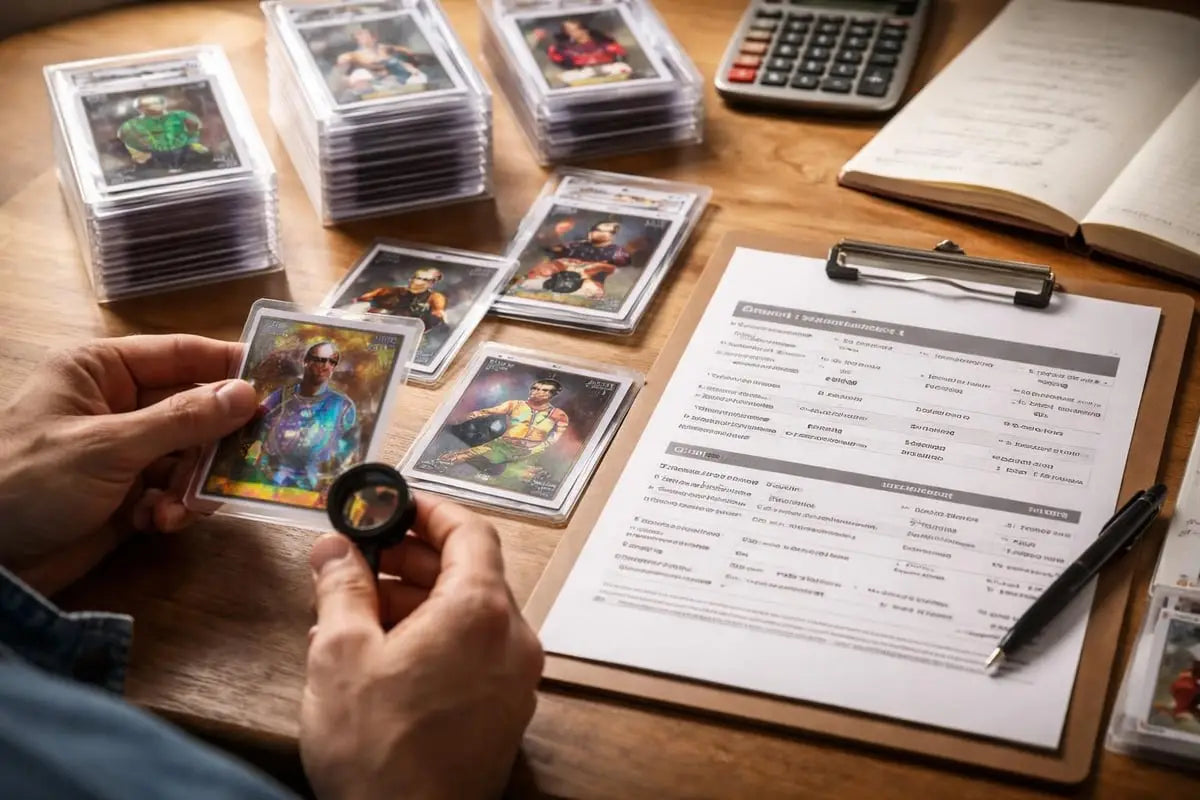
Learning to accurately assess raw card condition prevents costly grading disappointments. Corners, centering, edges, and surface quality all impact final grades. Cards with any visible corner wear rarely achieve PSA 10 or BGS 9.5 grades, while centering outside 55/45 or 60/40 ratios typically caps grades at PSA 9.
Investing in a jeweler's loupe and researching grading standards helps collectors make informed submission decisions. Online grading guides and comparison tools provide valuable education before committing to grading costs.
Building a Balanced Portfolio
Diversification principles from traditional investing apply equally to football cards. The best football cards to buy for your portfolio depend on risk tolerance, investment timeline, and collecting preferences.
Conservative portfolios emphasize Hall of Fame rookies, graded vintage cards, and established stars with proven track records. These cards offer stability and steady appreciation but limited explosive growth potential. Examples include graded Joe Montana or Jerry Rice rookies, or high-grade Patrick Mahomes base rookies.
Aggressive portfolios concentrate on current rookies, breakout candidates, and speculative prospects. Higher risk accompanies higher potential returns, as career-altering injuries or performance declines can devastate values. This approach suits collectors comfortable with volatility and willing to actively manage holdings.
Balanced portfolios combine both strategies, allocating 60-70% to stable blue-chip cards while reserving 30-40% for higher-risk speculation. This middle path provides downside protection while maintaining upside exposure.
Storage and Preservation Best Practices
Protecting your investment requires proper storage conditions and handling procedures. Even the best football cards to buy lose value through improper care.
Cards should be stored in:
- Penny sleeves for basic protection
- Top loaders for individual card rigidity
- Card savers for grading submissions
- Team bags for grouped organization
- Storage boxes in climate-controlled environments
Environmental factors like humidity, temperature fluctuations, and UV exposure damage cards over time. Storage locations should maintain 40-50% relative humidity and temperatures between 60-70°F. Avoid basements prone to flooding, attics with extreme temperatures, or areas with direct sunlight exposure.
Similar preservation principles apply to all trading cards in your collection, whether you're protecting basketball parallels or other valuable cards.
Selling Strategies and Exit Planning
Understanding how to monetize holdings ensures you capture appreciation when ready to sell. Different selling platforms offer varying fee structures, audience reach, and transaction speeds.
eBay provides maximum exposure and competitive bidding but charges 12-15% in combined fees. Auction-style listings work best for rare cards where demand uncertainty exists, while Buy It Now listings suit cards with established market values.
COMC and similar consignment platforms handle photography, listing, and shipping for 20-30% commission. These services benefit collectors with large inventories but limited time for individual sales management.
Card shows and local dealers offer immediate cash but typically pay 50-70% of market value. This option suits collectors prioritizing speed over maximum returns.
Tax Implications
Football card sales may trigger capital gains tax obligations depending on holding periods and profit amounts. Cards held longer than one year qualify for preferential long-term capital gains rates in most jurisdictions. Maintaining purchase records and tracking cost basis helps accurately report taxable gains. Consulting tax professionals ensures compliance with applicable regulations.
Avoiding Common Pitfalls
Even experienced collectors make mistakes that reduce returns or create frustration. Recognizing common errors helps you avoid them when selecting the best football cards to buy.
Overpaying during hype cycles represents the most frequent mistake. Rookie cards often peak during draft week or early season excitement, then decline as reality moderates expectations. Waiting 2-4 weeks after initial releases typically offers better pricing.
Neglecting condition assessment leads to purchasing cards that won't grade well or have hidden defects. Always request additional photos of corners, edges, and centering before buying raw cards online.
Chasing every hot prospect spreads budgets too thin and increases exposure to busts. Focusing on 3-5 carefully researched players per draft class produces better results than attempting comprehensive coverage.
Ignoring authentication when buying autographs or memorabilia creates risk of purchasing counterfeits. Stick to certified autographs from reputable manufacturers or cards already authenticated by PSA/DNA or JSA.
The comparison of mega football card boxes helps collectors evaluate product authenticity and value propositions before major purchases.
Modern vs. Vintage Investment Approaches
Collectors often debate whether modern cards or vintage issues offer superior investment potential. Both categories present compelling cases, and the best football cards to buy depend on individual preferences and market perspectives.
Modern cards benefit from:
- Higher print quality and consistency
- More accessible grading populations
- Active player performance creating dynamic markets
- Greater variety through parallels and inserts
- Lower entry costs for rookie cards
Vintage cards offer:
- Historical significance and nostalgia value
- Lower total populations due to age attrition
- Established Hall of Fame legacies eliminating performance risk
- Scarcity premiums for high-grade examples
- Cultural relevance beyond sports collecting
Neither approach definitively outperforms the other across all timeframes. Market conditions, player legacies, and collecting trends influence which era delivers stronger returns during specific periods.
International Players and Market Expansion
Football's growing global popularity creates opportunities in cards featuring international players. While American college stars dominate draft classes, players from Germany, Australia, and other nations increasingly impact NFL rosters.
International player cards often trade at discounts compared to American prospects with similar draft positions or performance metrics. This creates value opportunities for patient collectors willing to hold cards as global markets develop. As football expands internationally, cards of pioneering international players may appreciate as their cultural significance grows.
Building a valuable football card collection in 2026 requires balancing current market analysis with long-term vision, understanding which products deliver the strongest combination of appreciation potential and collecting enjoyment. Whether you're targeting modern rookies, established stars, or vintage Hall of Famers, focusing on quality over quantity and maintaining proper storage practices protects your investment. Explore the extensive inventory at TradingCardsMarketplace, your trusted online source for trading cards and related collectibles, to discover authenticated cards that align with your collecting goals and start building a portfolio positioned for long-term success.