

The sports card collecting market has experienced remarkable growth in recent years, with collectors and investors recognizing the substantial value hidden within their collections. Whether you've inherited a vintage collection, accumulated modern rookie cards, or simply want to liquidate part of your portfolio, knowing how to sell sports cards effectively can mean the difference between maximizing profits and leaving money on the table. The current marketplace offers multiple avenues for sellers, each with distinct advantages depending on your cards' value, condition, and your timeline for selling.
Understanding the Current Sports Card Market
The sports card industry has transformed dramatically over the past decade. According to market analysis of the sports trading card sector, online marketplaces have expanded significantly, while blockchain technologies are beginning to reshape authentication and ownership verification. This evolution has created unprecedented opportunities for collectors looking to sell sports cards.
Market Value Drivers
Several factors influence what buyers will pay for your cards:
- Player performance and career trajectory: Current stats and championship wins directly impact card values
- Card scarcity and print runs: Limited editions and serial-numbered cards command premium prices
- Historical significance: Rookie cards and milestone achievement cards retain long-term value
- Pop culture moments: Viral highlights or documentary features can spike demand unexpectedly
- Condition and grading status: Professional grading dramatically affects sale prices
The market experiences seasonal fluctuations tied to sports calendars. Baseball card values often peak during playoff seasons, while basketball cards see increased interest around the NBA Finals. Understanding these cycles helps you time your sales for maximum return.
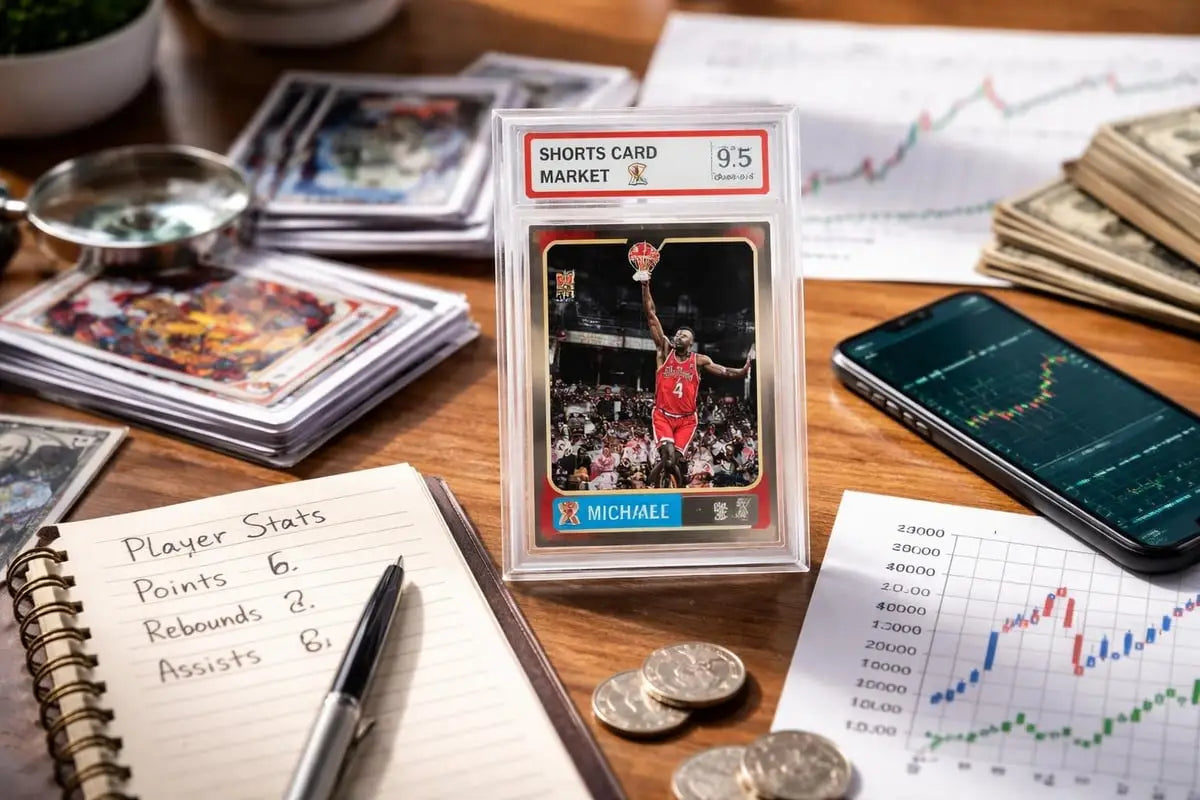
Preparing Your Cards for Sale
Before you sell sports cards, proper preparation significantly impacts your final sale price. Professional presentation demonstrates seriousness and builds buyer confidence.
Grading Your Valuable Cards
Professional grading services authenticate your cards and assign condition scores. For high-value cards, grading is essential. The process involves submitting cards to companies like PSA, BGS, or SGC, who encapsulate them in protective cases with assigned grades.
| Grading Company | Turnaround Time | Typical Cost | Best For |
|---|---|---|---|
| PSA | 30-90 days | $25-$150 | Vintage and modern cards |
| BGS | 20-60 days | $30-$200 | Modern cards with subgrades |
| SGC | 15-45 days | $20-$100 | Vintage baseball cards |
Cards grading 9 or 10 often sell for multiples of their raw card value. Even a difference between an 8 and a 9 can represent hundreds or thousands of dollars depending on the card. Consider watching practical grading advice to understand whether your cards warrant professional evaluation.
Organizing and Cataloging
Create a detailed inventory of your collection before listing items. Document each card's year, manufacturer, player name, card number, and condition. High-quality photographs from multiple angles help potential buyers assess cards accurately.
For ungraded cards, be honest about condition issues. Mention centering problems, corner wear, surface scratches, or print defects. Transparency builds trust and reduces dispute likelihood after sales.
Choosing Where to Sell Sports Cards
Multiple platforms exist for selling cards, each serving different seller needs and card values. Selecting the right venue depends on your collection's composition and your selling objectives.
Online Marketplaces
Digital platforms dominate modern sports card sales. eBay remains the largest marketplace, offering massive buyer reach but charging fees around 13-15% of sale prices. Recent sales data provides pricing guidance, and the auction format works well for rare or highly desirable cards.
COMC (Check Out My Cards) operates differently, accepting bulk submissions and listing cards on your behalf. This consignment model suits sellers with large collections who prefer minimal hands-on involvement. Platform specialists handle photography, listing creation, and shipping logistics.
Specialty platforms like TradingCardsMarketplace cater specifically to card collectors, attracting buyers actively seeking trading cards rather than general auction browsers. These focused marketplaces often yield better prices for mid-range cards because audiences already understand card values and condition standards.
Local Options
Card shops and shows provide immediate payment and face-to-face transactions. Dealers typically offer 50-70% of market value since they need profit margins for resale. This approach works best when you need quick cash or have common cards that would struggle to sell individually online.
Local selling advantages:
- Immediate payment without waiting for auctions to end
- No shipping logistics or packaging requirements
- Personal interaction allowing negotiation
- No online marketplace fees
Card shows attract serious collectors willing to pay fair prices for desired cards. Renting table space costs $50-200 depending on show size, but you keep 100% of sale proceeds.
Social Media and Community Groups
Facebook groups dedicated to specific sports or card types connect sellers directly with interested collectors. These communities eliminate middleman fees, though you sacrifice buyer protections that established platforms provide.
Instagram has become surprisingly effective for high-end card sales. Building a follower base takes time, but engaged audiences often pay premium prices because they trust established sellers' expertise and authenticity guarantees.

Pricing Strategies That Work
Setting appropriate prices determines how quickly you sell sports cards and whether you maximize value. Research separates successful sellers from those whose listings languish unsold.
Research Comparable Sales
Never guess at pricing. eBay's "sold listings" filter shows actual sale prices, not asking prices. Search for your exact card, filtering by condition and grading status if applicable. Recent sales (past 30-60 days) provide the most accurate market indicators.
For graded cards, population reports from grading companies reveal how many examples exist at each grade level. Lower populations justify premium pricing, while high populations in a particular grade suggest competitive pricing strategies.
Pricing Methods
| Strategy | When to Use | Advantage |
|---|---|---|
| Auction format | Rare cards, uncertain value | Market determines final price |
| Buy It Now | Common cards, known values | Quick sales, predictable income |
| Best Offer | Mid-range cards | Flexibility while setting minimum |
| Firm pricing | Graded gems, key rookies | Premium positioning |
The current market trends show that flexibility often beats rigid pricing. Buyers appreciate the ability to negotiate, and accepting reasonable offers moves inventory faster than holding out for perfect prices.
Starting auctions at $0.99 might seem risky, but competitive bidding on desirable cards frequently pushes final prices above market value. This approach works particularly well for cards with established demand and multiple interested collectors.
Creating Effective Listings
Your listing quality directly impacts sale success when you sell sports cards. Professional presentations attract serious buyers and justify premium prices.
Photography Standards
Clear, well-lit photographs are non-negotiable. Use natural lighting or a lightbox to eliminate shadows. Capture front and back images, plus close-ups of corners, edges, and any defects.
For graded cards, photograph the entire slab including the label. Buyers want to verify grade, certification number, and slab condition. Scratched or damaged cases sometimes deter buyers even when the card itself is pristine.
Writing Compelling Descriptions
Include all relevant information systematically:
- Card identification: Player name, year, manufacturer, set name, card number
- Condition details: Grade if professionally assessed, or your honest condition evaluation
- Special features: Autographs, memorabilia pieces, serial numbering, parallels
- Provenance: Pack-pulled, original owner, storage history if notable
- Shipping details: Methods offered, insurance options, delivery timeline
Use keywords that buyers search for. Terms like "rookie card," "short print," "refractor," or "vintage" help your listings appear in relevant searches. For collectors browsing CGC graded baseball cards, specific grading information in titles improves visibility.
Description writing tips:
- Lead with the most important information
- Use bullet points for easy scanning
- Mention any defects honestly and prominently
- Include measurements for oversized or oddly-sized cards
- Reference recent comparable sales to justify pricing
Managing Transactions Safely
Protecting yourself during sales prevents fraud and ensures smooth transactions when you sell sports cards.
Payment Methods
PayPal Goods and Services offers buyer and seller protection, though fees reduce your proceeds. Avoid Friends and Family payments, which eliminate recourse if disputes arise. Many platforms include integrated payment processing that handles transactions securely.
For high-value cards (over $1,000), consider requiring signature confirmation on delivery. Document everything: photographs of packaging, tracking numbers, and insurance receipts protect against false claims.
Shipping Best Practices
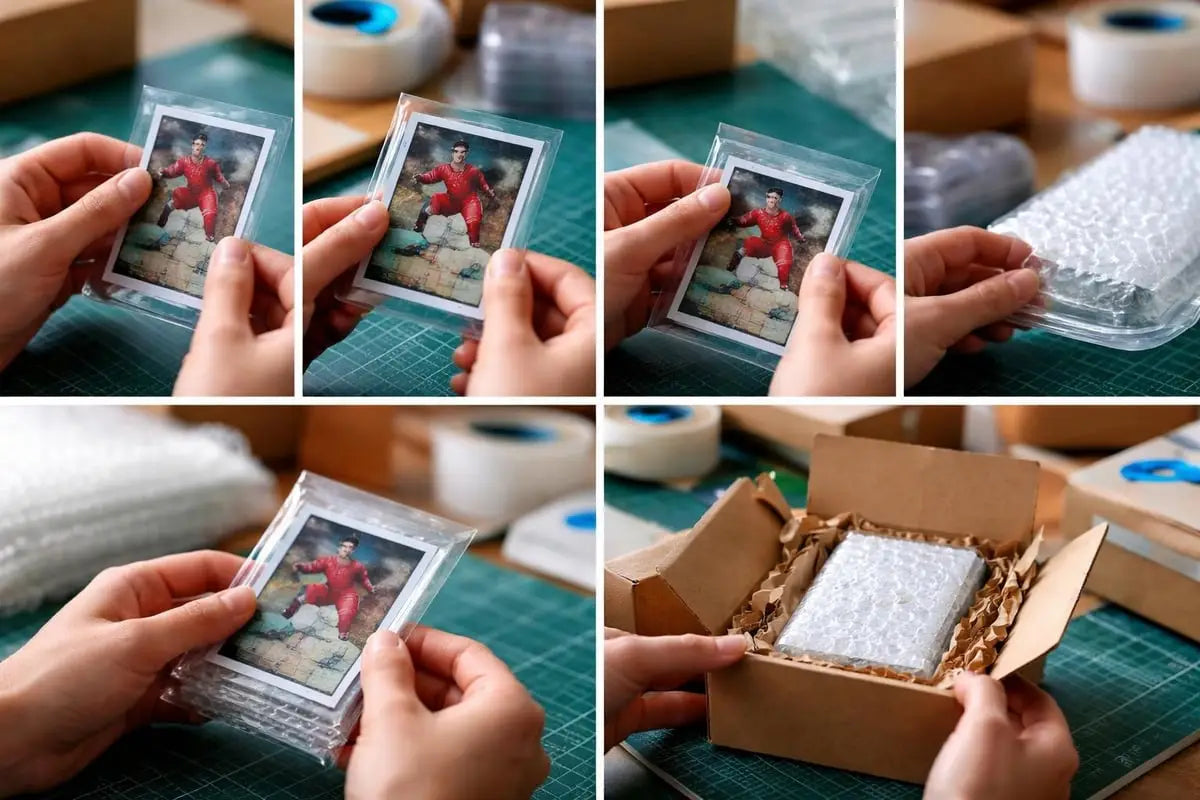
Proper packaging prevents damage and disputes. Standard methods include:
- Penny sleeves protect card surfaces from scratches
- Toploaders provide rigid protection for cards during transit
- Team bags seal toploaders preventing cards from sliding out
- Bubble mailers or cardboard boxes for outer packaging
- Painter's tape instead of regular tape (easier for buyers to remove)
Never use rubber bands or paper clips, which damage cards. For especially valuable cards, consider using card savers inside bubble wrap, placed in boxes rather than mailers.
Tax Considerations and Record Keeping
Selling cards can create tax obligations. The IRS considers profits from collectibles sales as capital gains, taxable at your ordinary income rate up to a maximum of 28%.
Documentation Requirements
Maintain records of:
- Original purchase prices and dates
- Grading service fees and submission costs
- Marketplace fees and shipping expenses
- Sale dates and final sale prices
- Buyer information and transaction numbers
Capital gains equal sale price minus your cost basis (original price plus improvement costs like grading). If you sell sports cards inherited from family members, special basis rules apply. Consulting a tax professional familiar with collectibles ensures compliance while minimizing tax burden.
Building Long-Term Selling Success
Successful card selling often evolves into ongoing business rather than one-time liquidation. Reputation and expertise compound over time, attracting repeat buyers and premium prices.
Developing Expertise
Specializing in particular sports, eras, or card types builds authority. Buyers trust specialists over generalists because expertise suggests better authentication and accurate grading assessments. Following industry news keeps you informed about emerging players and market shifts.
Stories like the rare Paul Skenes card discovery demonstrate how quickly individual card values can spike based on player performance or unique circumstances. Staying connected to sports news helps you capitalize on these moments.
Growing Your Selling Operation
As you gain experience, consider expanding beyond personal collection sales:
- Source inventory from yard sales, estate sales, and storage auctions
- Build relationships with local collectors looking for consignment options
- Attend shows regularly to network and identify undervalued cards
- Leverage social proof by sharing successful sales and satisfied customer testimonials
- Create content sharing your expertise through blogs, videos, or social posts
Many successful card dealers started by simply learning how to sell sports cards from their childhood collections, then leveraged that knowledge into profitable businesses.
Avoiding Common Selling Mistakes
Learning from others' errors saves time and money when you sell sports cards.
Overgrading Your Cards
Sellers consistently overestimate their cards' conditions. What appears as a 9 to an owner often grades as a 7 or 8 under professional evaluation. Centering issues, print defects invisible to casual inspection, and minor surface wear all impact grades significantly.
Submit cards for professional grading only when potential value increases justify costs. A $20 card rarely benefits from $30 grading fees, but a raw card potentially worth $500 as a PSA 9 justifies the investment.
Ignoring Market Timing
Panic selling during market dips locks in losses. Unless you need immediate funds, patience usually rewards sellers. Conversely, riding obvious bubbles past their peaks costs money. The 2020-2021 card market surge saw many sellers hold too long, watching values decline as speculative buyers exited.
Poor Communication
Responding promptly to buyer questions increases sale likelihood. Detailed answers about condition, shipping options, or card specifications build confidence. After sales, providing tracking numbers immediately and following up on delivery demonstrates professionalism.
Emerging Technologies and Future Trends
The sports card market continues evolving with technology integration reshaping how collectors buy and sell.
Digital Authentication
Blockchain verification and digital certificates are beginning to supplement traditional authentication. These technologies create permanent, tamper-proof records of ownership and authenticity, potentially reducing fraud while simplifying provenance tracking.
Fractional Ownership
Platforms now enable multiple investors to own shares of expensive cards, democratizing access to blue-chip collectibles. This trend may impact how you sell sports cards in the future, as fractional buyers represent an additional market segment.
AI and Valuation Tools
Artificial intelligence tools increasingly assist with card valuation, analyzing sold listings and identifying pricing patterns faster than manual research. While human expertise remains crucial, these technologies help sellers price more accurately and identify market opportunities.
The integration of these innovations with established collecting practices creates a dynamic marketplace where informed sellers maintain significant advantages over those relying solely on outdated approaches.
Successfully selling sports cards requires understanding market dynamics, preparing inventory professionally, selecting appropriate sales channels, and executing transactions safely. Whether you're liquidating an inherited collection or building an ongoing card business, these strategies maximize returns while protecting your interests. TradingCardsMarketplace provides the specialized platform and knowledgeable community to help you connect with serious collectors ready to pay fair prices for quality cards. Your trusted online source for trading cards and related collectibles.


