The baseball card market in 2026 continues to thrive as collectors and investors recognize the value locked within their collections. Whether you've inherited a box of vintage cards from your grandfather's attic or you're a modern collector looking to liquidate specific assets, understanding how to sell baseball cards effectively can mean the difference between leaving money on the table and maximizing your returns. The collectible trading card market has evolved significantly, with recent sales of rare cards reaching over $1 million, demonstrating the potential value within this thriving marketplace.
Understanding Today's Baseball Card Market
The baseball card industry has experienced remarkable growth over the past few years. According to current baseball card market statistics, the market continues to expand as both traditional collectors and new investors enter the space. This growth creates opportunities for sellers who understand market dynamics and buyer preferences.
Market Trends Shaping 2026 Sales
Several key trends influence how to sell baseball cards successfully in today's environment:
- Digital integration with traditional collecting creates hybrid marketplaces
- Professional grading services command premium prices for authenticated cards
- Rookie and debut cards generate exceptional demand and value
- Vintage cards from the 1950s-1980s maintain strong collector interest
- Modern parallels and limited editions attract investor attention
The collectible trading cards market analysis reveals that franchise collaborations and premium grading services are reshaping how collectors approach purchases. Understanding these trends helps sellers position their cards effectively.
Evaluating Your Baseball Card Collection
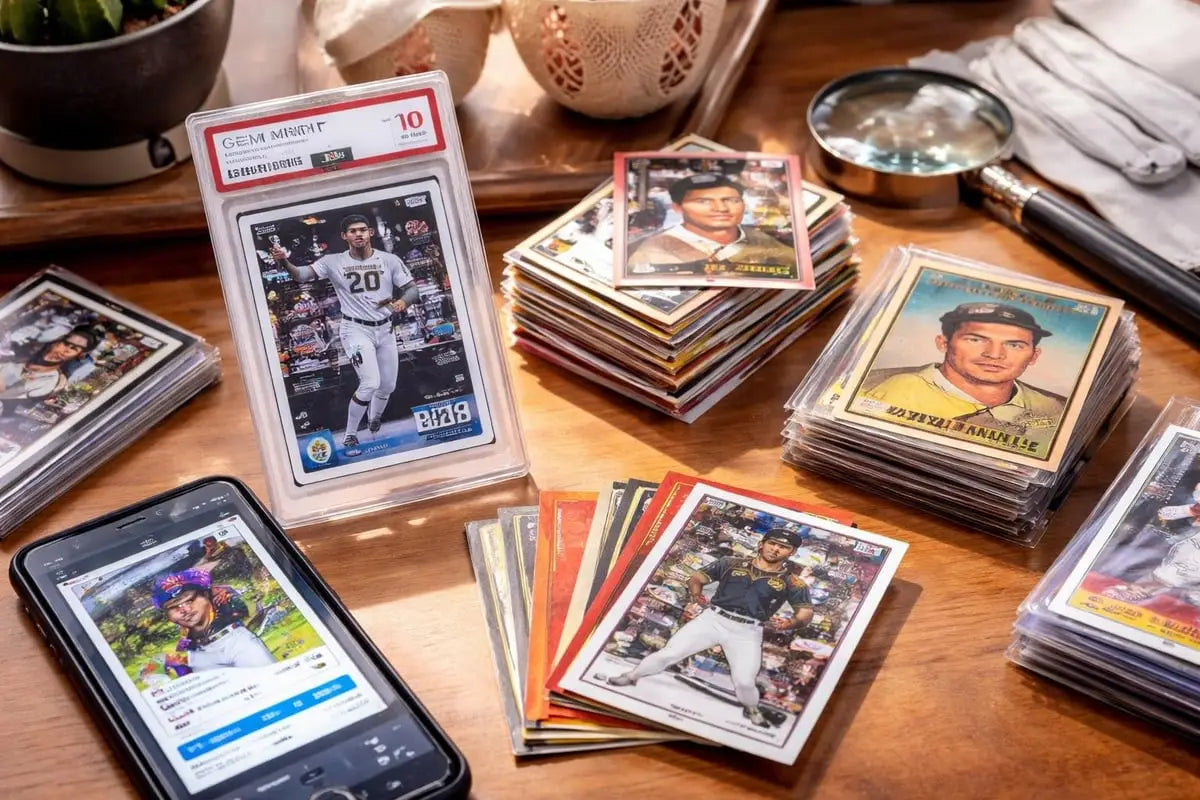
Before you sell baseball cards, conducting a thorough evaluation determines which items deserve individual attention versus bulk sale treatment. Not all cards carry equal value, and strategic assessment maximizes your total returns.
Identifying High-Value Cards
Start by separating cards based on these criteria:
- Player significance (Hall of Famers, MVPs, rookie cards)
- Card age and era (pre-1980 vintage, modern rookies)
- Brand and set (Topps flagship, Bowman Chrome, premium releases)
- Visible condition (corners, centering, surface quality)
- Special features (autographs, memorabilia, serial numbers)
Recent examples demonstrate the extraordinary potential of certain cards. A unique Paul Skenes debut patch card sold at auction for over $1 million, highlighting how rare modern cards can command exceptional prices.
Understanding Condition Grades
Card condition dramatically affects value. Professional grading companies use a 10-point scale:
| Grade | Condition | Value Impact |
|---|---|---|
| PSA 10/BGS 10 | Gem Mint | Premium 3-10x raw value |
| PSA 9/BGS 9 | Mint | Strong 2-5x raw value |
| PSA 8/BGS 8 | Near Mint-Mint | Moderate 1.5-3x raw value |
| PSA 7 and below | Various conditions | Minimal to no premium |
Professional grading makes sense for cards potentially worth $100 or more in raw condition. The investment in grading fees pays dividends when you sell baseball cards to serious collectors who demand authentication.
Preparing Cards for Sale
Proper preparation protects your investment and attracts qualified buyers. Taking the essential steps before selling ensures you present cards professionally and secure maximum value.
Professional Grading Decisions
When to grade:
- Vintage rookie cards of star players
- Modern rookies or parallels numbered under 100
- Any card in apparent gem mint condition
- Cards with autographs or memorabilia pieces
- High-demand current players
When to sell raw:
- Commons and base cards without star power
- Cards with visible condition issues
- Modern base cards of role players
- Cards valued under $50 in current condition
The grading process typically takes 30-90 days depending on service level selected, so plan your timeline accordingly when you decide to sell baseball cards.
Photography and Documentation
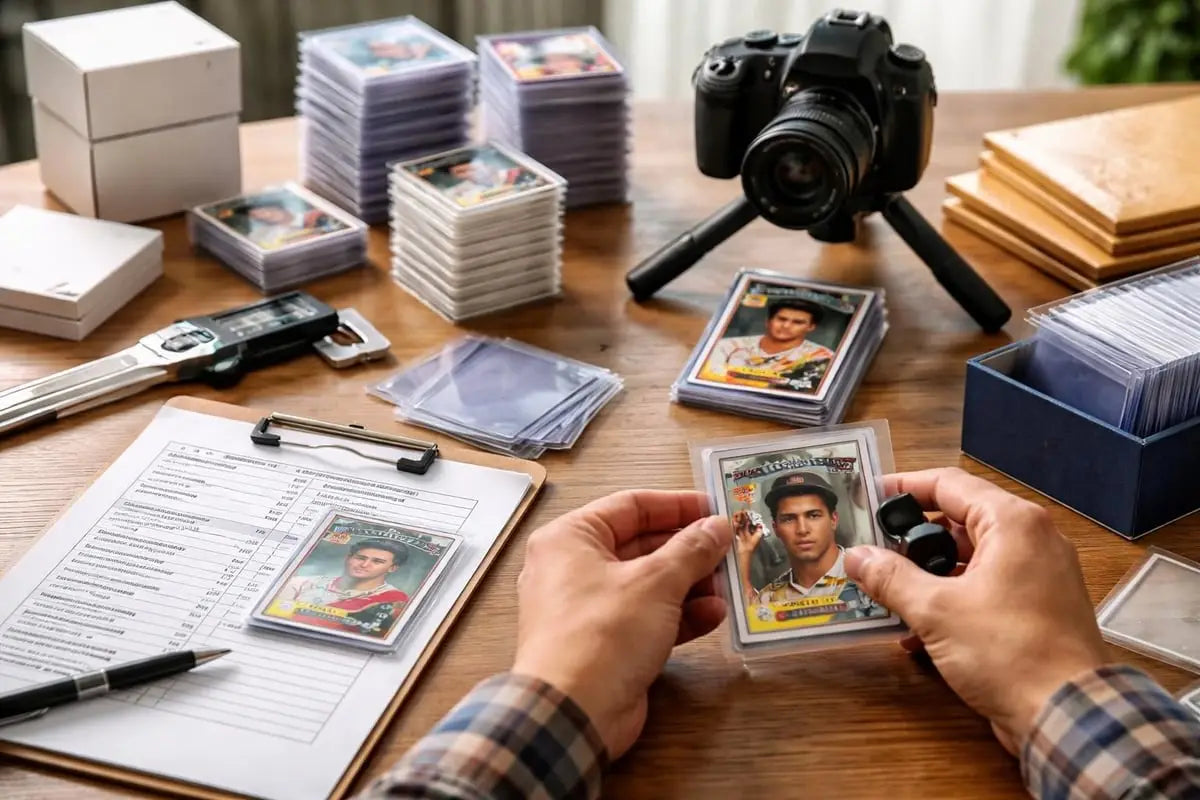
High-quality images drive sales in online marketplaces. Capture these essential shots:
- Front and back in clear, natural lighting
- Close-ups of corners showing condition
- Serial numbers or special markings for authentication
- Graded slab holders showing certification labels
- Any flaws or imperfections for transparency
Document provenance when possible. Cards pulled from fresh packs, inherited collections with history, or purchased from reputable dealers carry additional credibility.
Choosing Where to Sell Baseball Cards
Multiple sales channels exist, each with distinct advantages, fee structures, and buyer demographics. Selecting the right platform depends on card value, quantity, and your timeline.
Online Marketplaces
eBay remains the largest marketplace:
- Massive buyer audience worldwide
- Auction and fixed-price listing options
- Established buyer protection programs
- Fees typically 12-15% of final sale price
Learning how to effectively sell on eBay provides a competitive advantage in this crowded marketplace.
Specialized platforms offer targeted audiences:
Platforms like TradingCardsMarketplace cater specifically to card collectors, providing a focused community of serious buyers. These specialized marketplaces often feature lower fees and more knowledgeable customer bases than general auction sites.
| Platform Type | Best For | Fee Range | Sale Speed |
|---|---|---|---|
| General auction sites | All card types | 10-15% | 7-14 days |
| Card-specific marketplaces | Quality singles | 5-12% | 3-30 days |
| Social media groups | Quick sales | 0-5% | 1-7 days |
| Local card shops | Bulk lots | 40-60% of value | Immediate |
Auction Houses and Consignment
For particularly valuable cards worth thousands or tens of thousands of dollars, auction houses provide professional marketing and attract serious collectors. Major auction houses specializing in sports memorabilia handle high-value consignments and manage the entire sales process.
Consider auction options when you have graded cards valued above $5,000 or complete vintage sets. Auction houses typically charge 15-20% seller's premiums but deliver access to deep-pocketed collectors.
In-Person Options
Card shows and conventions:
- Direct buyer interaction and immediate payment
- Opportunity to network with dealers
- No shipping hassles or online fees
- Limited to local or regional audiences
Check trading card collectibles shows for upcoming events in your area where you can sell baseball cards face-to-face with collectors.
Local card shops:
- Instant cash offers
- Convenient for bulk collections
- Typically pay 40-60% of retail value
- Best for cards you need to move quickly
Pricing Your Cards Competitively
Accurate pricing requires market research and realistic expectations. Overpricing leads to stagnant listings, while underpricing leaves money on the table.
Research Comparable Sales
Focus on actual sold prices, not asking prices. Key resources include:
- eBay sold listings (filter by "Sold" items)
- PWCC Marketplace recent auction results
- 130Point.com for population reports and sales data
- Beckett Price Guide for general market values
- Sports Card Investor for trending player analysis
When researching how to sell baseball cards at optimal prices, look for cards matching these criteria:
- Same player and card number
- Same year and manufacturer
- Similar condition or grade
- Recent sales within 30-60 days
- Actual completed transactions
Dynamic Pricing Strategies
For auction listings:
- Start at 70-80% of expected value to generate bidding
- Use reserve prices for expensive cards
- Schedule endings for Sunday evenings (peak traffic)
- Consider 7-day auctions for maximum exposure
For fixed-price listings:
- Price 5-10% above recent sold comps initially
- Reduce by 5% every two weeks without offers
- Accept reasonable offers (within 15% of asking)
- Bundle related cards for volume discounts
Market conditions fluctuate based on player performance, card releases, and seasonal trends. Adjust your strategy when you sell baseball cards to capitalize on hot markets or move inventory during slower periods.
Marketing Your Baseball Cards Effectively
Compelling listings convert browsers into buyers. Professional presentation and detailed information build trust and justify premium prices.
Writing Effective Descriptions
Your listing descriptions should include:
- Card specifics: Player name, year, manufacturer, card number, parallel type
- Condition details: Grade (if applicable), corner sharpness, centering, surface quality
- Special features: Autographs, memorabilia, serial numbers, rookie card status
- Shipping terms: Methods offered, insurance options, handling time
- Return policy: Terms and conditions for buyer protection
Example strong description:
"2024 Bowman Chrome Paul Skenes Auto PSA 10 - Rookie Card. Gem mint autograph of the 2024 NL Rookie of the Year. Perfect centering, flawless edges, crystal-clear signature. Ships in protective sleeve within 24 hours via USPS Priority with insurance. 30-day return policy if not satisfied."
Optimizing for Search and Discovery
- Use relevant keywords in titles without keyword stuffing
- Select accurate categories for proper classification
- Add all applicable tags for filtering and search
- Include measurements and specifics that buyers search
- Update listings regularly to maintain visibility
Managing Sales and Shipping
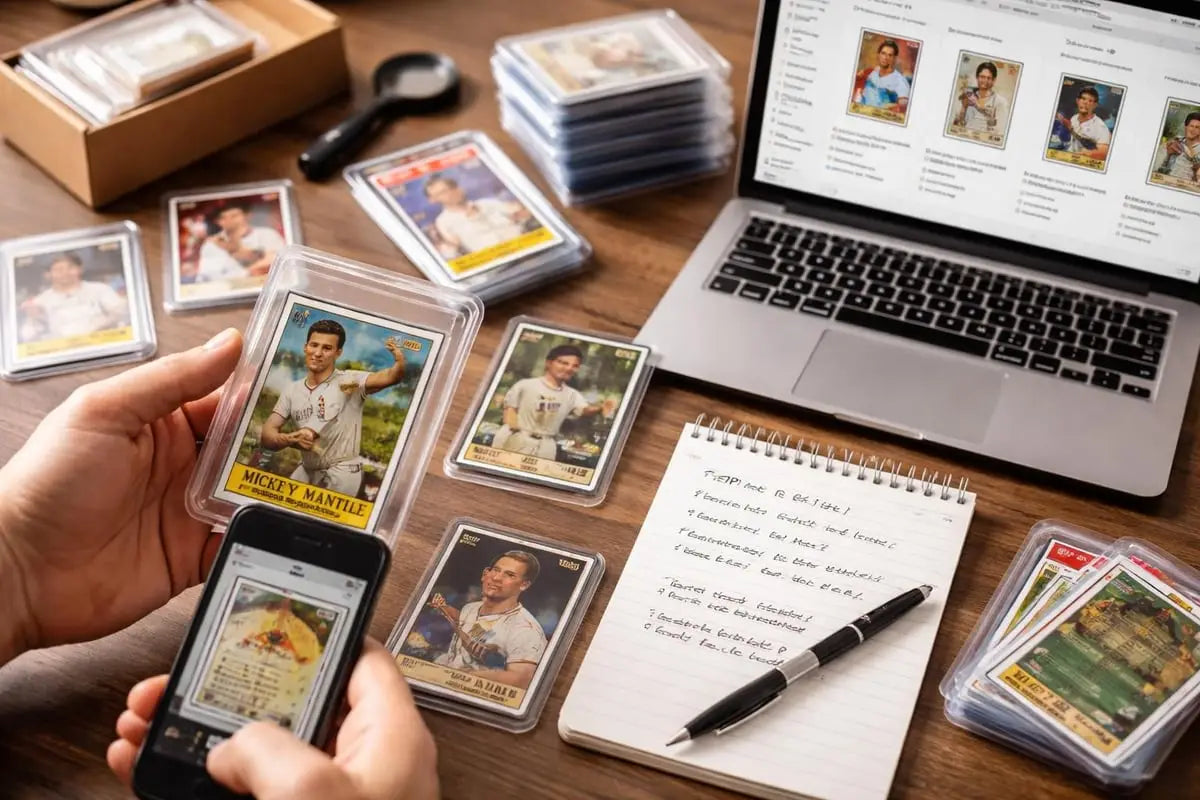
Once you sell baseball cards, professional fulfillment ensures positive feedback and repeat buyers. Proper packaging prevents damage and builds your reputation.
Packaging Standards
For raw cards:
- Penny sleeve protection
- Top loader or semi-rigid holder
- Cardboard reinforcement
- Bubble mailer envelope
- Fragile stickers and clear labeling
For graded cards:
- Original grading company slab
- Bubble wrap on all sides
- Cardboard sandwich protection
- Sturdy box appropriately sized
- Insurance for cards over $100
For multiple cards:
- Individual penny sleeves for each card
- Bundle in team bags or storage boxes
- Substantial padding on all sides
- Double boxing for orders over $500
Shipping and Insurance
| Card Value | Recommended Shipping | Insurance |
|---|---|---|
| Under $20 | First Class Mail | Optional |
| $20-$100 | Priority Mail | Recommended |
| $100-$500 | Priority Mail | Required |
| Over $500 | Priority Mail Signature | Required |
Track all shipments and provide tracking numbers promptly. Communication builds buyer confidence and prevents disputes. When buyers know exactly when to expect their cards, satisfaction ratings improve significantly.
Building Long-Term Success
Successful sellers develop systems and reputations that generate consistent sales. Whether you plan to sell baseball cards occasionally or build an ongoing business, these practices create sustainable results.
Maintaining Seller Reputation
Prioritize customer service:
- Respond to inquiries within 24 hours
- Ship within stated handling times
- Package professionally every time
- Handle disputes professionally and promptly
- Request feedback after successful transactions
Build credibility through consistency:
- Accurate descriptions prevent returns
- Competitive pricing attracts buyers
- Professional communication builds trust
- Fast shipping encourages repeat business
- Fair return policies demonstrate confidence
Staying Informed on Market Trends
The baseball card market evolves constantly. Staying current on emerging trends like debut patch cards helps you identify opportunities before markets peak.
Subscribe to industry resources:
- Sports card YouTube channels and podcasts
- Market data platforms tracking sales trends
- Social media groups focused on baseball cards
- Industry publications and newsletters
- Grading company population reports
Tax and Legal Considerations
When you sell baseball cards regularly or in significant volumes, understanding tax obligations protects you from future complications.
Tax Reporting Requirements
Occasional sales:
- Single card sales under $600 generally unreported
- Platforms may issue 1099-K forms for sales exceeding thresholds
- Capital gains rules apply for appreciated collectibles
- Cost basis matters for inherited collections
Frequent selling:
- Regular activity may constitute business income
- Self-employment tax obligations may apply
- Business expense deductions become available
- State sales tax collection requirements vary
Consult tax professionals familiar with collectibles when selling substantial quantities or high-value items. Proper documentation of purchase prices, grading fees, and shipping costs supports accurate reporting.
Authentication and Fraud Prevention
Protect yourself and buyers by:
- Using reputable grading services (PSA, BGS, SGC)
- Avoiding trimmed or altered cards
- Documenting pack-fresh pulls with video
- Verifying autographs through authentication services
- Reporting suspected counterfeits to platforms
Building a reputation for authenticity attracts serious collectors willing to pay premium prices. Your commitment to selling only legitimate cards establishes trust that translates into higher values and faster sales.
Maximizing Returns on Different Card Types
Different categories of baseball cards require tailored approaches to achieve optimal results when you decide to sell.
Vintage Cards (Pre-1980)
High-demand eras and players:
- 1952 Topps Mickey Mantle remains the holy grail
- 1950s-1960s rookie cards of Hall of Famers
- Complete sets in good condition
- Regional and oddball issues
- Error cards and variations
Grade vintage cards even with minor flaws. A PSA 4 of a key vintage rookie often sells for more than an ungraded example in similar condition because authentication alone adds value.
Modern Rookies and Prospects
Current market drivers:
- First Bowman cards of top prospects
- Flagship rookie cards of award winners
- Limited parallels and autographs
- Topps Chrome refractors and variations
Timing matters significantly with modern cards. Selling during a player's hot streak or award season maximizes values. Conversely, consider holding elite rookies through temporary slumps if long-term potential remains strong.
Autographed and Memorabilia Cards
Authentication is essential:
- On-card autographs command premiums over sticker autos
- Game-used memorabilia adds tangible connection
- Limited print runs increase scarcity value
- Certificate of authenticity documentation
Provide clear images of authentication holograms and certificates when marketing these cards. Buyers pay premium prices but demand verification of legitimacy.
Successfully selling baseball cards in 2026 requires understanding market dynamics, preparing cards professionally, choosing appropriate sales channels, and maintaining excellent customer service throughout the process. Whether you're liquidating an inherited collection or strategically selling individual pieces, the principles outlined above help you maximize returns while building positive relationships with buyers. TradingCardsMarketplace provides the specialized platform and collector-focused community you need to sell baseball cards effectively, connecting serious sellers with qualified buyers in a trusted environment designed specifically for trading card enthusiasts.