

The pokemon tcg continues to captivate players worldwide, drawing both seasoned competitors and new fans with its dynamic gameplay and vibrant community.
This guide offers the most comprehensive exploration of advanced strategies for 2026, designed to empower you with practical insights and winning tactics. Whether you are new to the game or a tournament veteran, you will find actionable advice to help you conquer evolving formats.
Inside, discover in-depth meta analysis, expert deck building, gameplay sequencing, resource management, counter-strategies, and preparation for high-level events. Mastering these elements will position you for tournament success. Read on to gain your competitive edge.
Understanding the 2026 Pokémon TCG Meta
The evolving landscape of the pokemon tcg meta shapes how players build, play, and succeed at every competitive level. A solid grasp of the current environment is essential for anyone striving to stay ahead in 2026.
Overview of the Current Meta Landscape
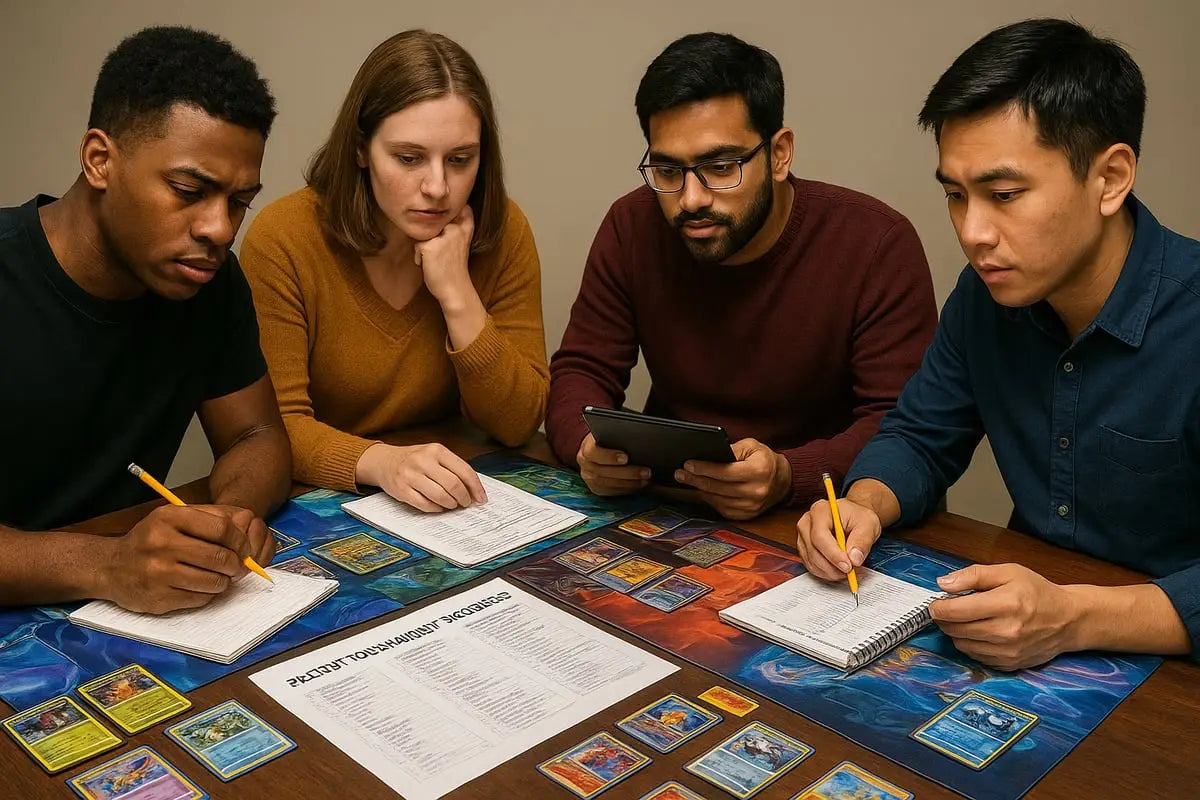
In the pokemon tcg, “meta” refers to the most popular and successful strategies, decks, and archetypes dominating the competitive scene. Understanding the meta is crucial, as it allows players to anticipate threats, choose optimal decks, and make informed tech decisions.
The 2026 season introduced several major expansions, each bringing unique mechanics and fresh rule changes to the pokemon tcg. Key innovations this year include the Energy Sync mechanic, which allows for dynamic energy management, and Trainer Synergy cards that enhance combo potential. Additionally, the introduction of the “Dual Prize” rule has shifted the pace of games, rewarding strategic knockouts and tighter resource management.
Let’s break down the top-performing archetypes in 2026:
| Archetype | Playstyle | Example Decks |
|---|---|---|
| Aggro | Fast, offensive | Lightning Surge, Blaze Rush |
| Control | Disruptive, slow | Misty Lock, Night Guard |
| Combo | Synergy-focused | Energy Chain, Vortex Loop |
| Stall | Defensive, attrition | Wall Fortress, Heal Pulse |
Compared to 2025, the pokemon tcg meta has seen a notable rise in combo and stall decks, partly due to the increased power of new Trainer Synergy cards. Aggro remains strong but must contend with more resilient control builds. According to recent tournament data and Worlds 2025 Top 8 Decks and Meta Analysis!, the shift toward hybrid archetypes and innovative tech choices has led to greater deck diversity.
New card releases, especially those featuring versatile Pokémon VMAX and Supporters with flexible effects, have broadened the competitive pool. The role of online play and digital platforms has grown, too. Players now test strategies in real time, share data, and adapt more quickly than ever before.
Predicting Meta Shifts and Adapting Early
Anticipating changes in the pokemon tcg meta is a skill that separates top competitors from the rest. Players and teams closely monitor set leaks, analyze early card spoilers, and track conversations on community forums to predict what archetypes will rise or fall.
Staying ahead in the pokemon tcg begins with active playtesting. Testing new cards and matchups helps identify emerging strengths and weaknesses before they become widespread. Community tournaments and online ladder play also provide valuable insight into evolving trends.
For example, the sudden popularity of the “Vortex Loop” combo deck caught many by surprise early in the 2026 season, while once-dominant aggro builds like “Blaze Rush” have seen reduced play as control decks adapted with better disruption tools. Conversely, the resurgence of stall archetypes demonstrates how quickly the meta can shift when players innovate with new mechanics.
Adaptation is key. As the season progresses, successful players adjust their pokemon tcg strategies, rotating out outdated tech cards and optimizing their lists for the latest threats. Keeping a flexible approach, regularly reviewing tournament results, and engaging with the online community ensures you remain prepared for whatever the meta brings.
Mastering Deck Building Fundamentals
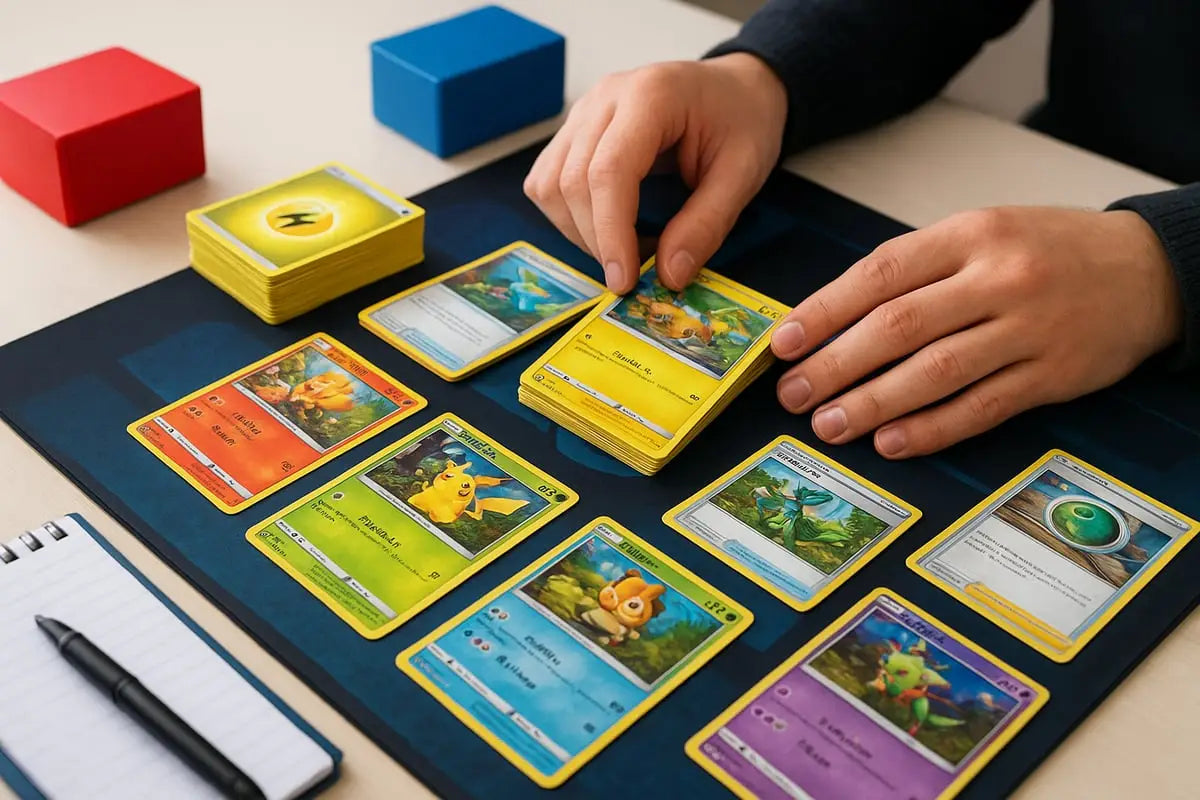
Building a top-tier deck in the pokemon tcg requires more than simply gathering strong cards. Every successful deck starts with a deep understanding of core construction principles, careful attention to new mechanics, and the strategic use of tech cards. Whether you are new to the pokemon tcg or a seasoned competitor, mastering these fundamentals sets the stage for tournament success.
Essential Deck Construction Principles
The foundation of every pokemon tcg deck lies in choosing an archetype. Most decks fall into aggro, control, midrange, combo, or stall categories. Aggro decks aim for fast knockouts, while control decks focus on disrupting opponents. Midrange blends aggression and resilience, combo decks engineer specific card interactions, and stall decks win by outlasting rivals.
A balanced deck typically contains 12–20 Pokémon, 28–32 Trainer cards, and 10–16 Energy. Consistency engines, like search and draw cards, help you find key pieces quickly. Tech inclusions—flexible cards that counter popular threats—add adaptability. Synergy is critical: all cards should support your main strategy and win condition.
Consider this table for a quick archetype overview:
| Archetype | Playstyle | Key Traits |
|---|---|---|
| Aggro | Fast offense | High damage, speed |
| Control | Disruption | Lockdown, resource denial |
| Midrange | Balanced | Flexibility, sustain |
| Combo | Engineered | Card interactions |
| Stall | Endurance | Healing, stalling tactics |
For a more detailed breakdown of deck construction, including optimal card ratios and meta countering, see Pokémon TCG Deck-Building Strategies for Competitive Play in 2025.
Sample decklist structure:
Pokémon (16)
4 Basic Attacker
3 Main Evolution
2 Backup Attacker
3 Support Pokémon
4 Utility/Search Pokémon

Trainer (30)
4 Draw Supporter
4 Search Item
3 Stadium
4 Boss's Orders
3 Recovery
12 Utility/Tech

Energy (14)
10 Basic Energy
4 Special Energy
Consistency and balance are the pillars of every pokemon tcg deck.
Incorporating 2026 Cards and Mechanics
The 2026 pokemon tcg expansions introduce groundbreaking mechanics that reshape deck-building priorities. New rule changes impact energy attachments, Trainer interactions, and evolution timing. Adapting your deck to leverage these innovations is essential for tournament play.
Start by identifying must-have cards for your chosen archetype. Aggro decks may benefit from high-speed attackers released in 2026, while control decks could utilize new disruption-based Trainers. Integrating 2026 Supporter cards can provide unique effects, like resource recycling or hand disruption, that were not available in previous sets.
When testing new builds, focus on synergy with existing strategies. Playtest with proxies to evaluate how new cards perform under pressure. Adjust your Trainer and Energy counts to maintain consistency, especially as new mechanics may shift the effectiveness of older staples.
Refining your deck is a continuous process. Engage in small-group testing sessions or participate in online tournaments to gather data. Track which new cards consistently deliver value and which ones underperform. Staying proactive with 2026 releases ensures your pokemon tcg deck remains competitive as the meta evolves.
Side Decking and Tech Choices
Tech cards are your secret weapon in the pokemon tcg, allowing you to counter the most prevalent threats. Popular techs in 2026 might include cards that disrupt hand size, remove special energy, or neutralize stadium effects. Rotating tech options based on your local or online meta can give you a decisive edge.
To choose effective techs, monitor community forums and recent tournament results. If a specific archetype dominates, prioritize tech cards that target its weaknesses. For example, if a stall deck is popular, include cards that bypass healing or remove obstacles from play.
Successful tech choices often appear in championship decklists. Examples from recent events include single copies of disruption Trainers, energy denial cards, or unique Pokémon that counter current meta threats. Regularly review and update your tech lineup to stay one step ahead.
A flexible approach to teching ensures your pokemon tcg deck is prepared for both expected and surprise challenges. Strategic teching, combined with solid fundamentals and adaptation to new cards, is the hallmark of a championship-caliber deck builder.
Sequencing and In-Game Decision Making
Sequencing is one of the most crucial skills in the pokemon tcg, separating casual play from competitive mastery. Every action you take in a match, from drawing to attacking, can influence the flow of the game and determine your path to victory.
Mastering sequencing requires more than just knowing your cards. It demands anticipation, precision, and adaptability. Let us explore how you can optimize your sequencing and decision-making for success in the evolving 2026 pokemon tcg meta.
The Importance of Sequencing
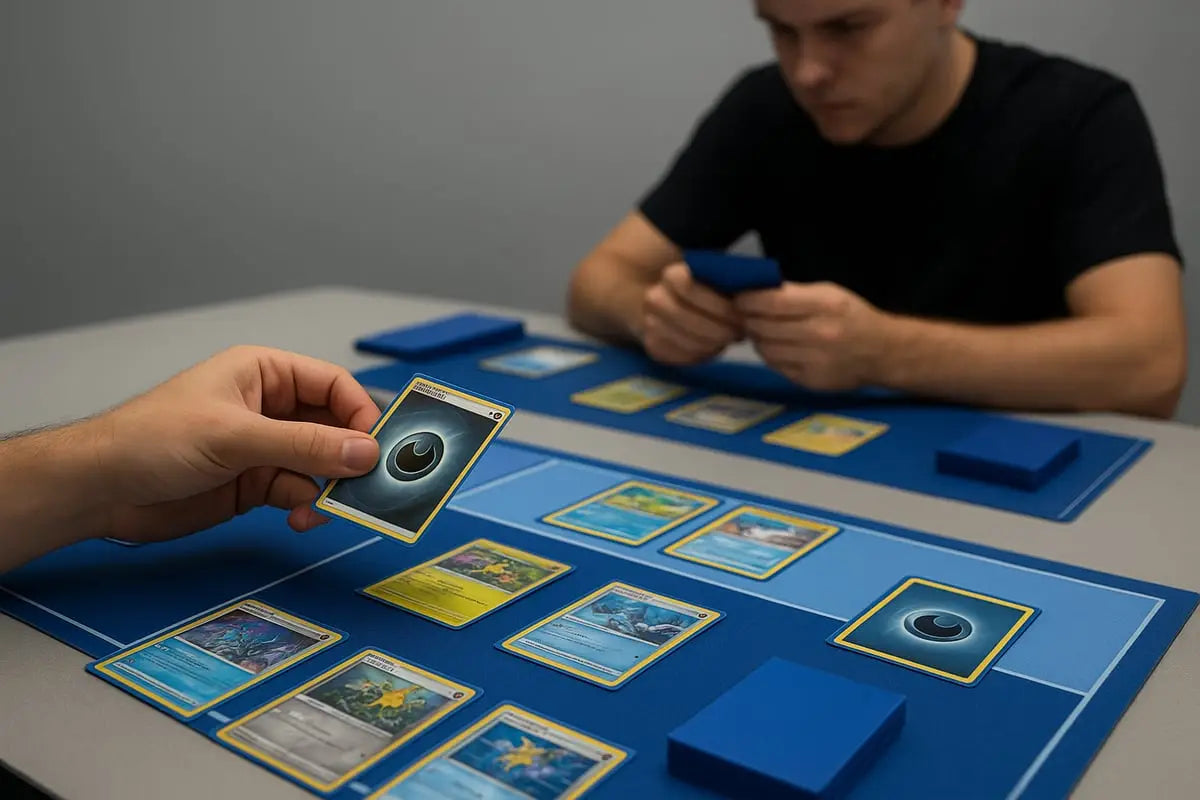
In the pokemon tcg, sequencing refers to the precise order in which you play your cards and activate effects during your turn. Getting this order right can mean the difference between a smooth victory and a missed opportunity.
A typical turn in pokemon tcg follows these steps:
- Draw a card from your deck.
- Bench Basic Pokémon if space allows.
- Attach an Energy card to one of your Pokémon.
- Play Trainer and Supporter cards to search, heal, or disrupt.
- Evolve Pokémon at the right moment.
- Use Abilities before attacking.
- Declare your attack.
Missteps in this sequence can lead to wasted resources or lost tempo. For example, using a search card before drawing might miss you a critical piece. Forgetting to use an ability before evolving can lose you a key effect.
Common sequencing mistakes include:
- Playing Supporters before using all draw or search effects.
- Evolving too early and missing abilities.
- Attaching Energy to the wrong Pokémon.
- Forgetting to check for knockout potential before attacking.
Best practices for sequencing in pokemon tcg:
- Always consider potential draws before searching or shuffling your deck.
- Prioritize using abilities that require the Pokémon to be active.
- Plan your evolution timing based on both offense and defense.
- Keep track of your opponent’s board state and possible responses.
Developing strong sequencing habits will give you a consistent edge in matches, especially as new mechanics and powerful cards enter the pokemon tcg landscape in 2026.
Advanced Decision-Making Scenarios
Beyond basic sequencing, advanced decision-making is what sets top pokemon tcg players apart. On key turns, you must weigh risk against reward, predict your opponent’s plays, and know when to change course.
Key decision-making scenarios include:
| Scenario | Question to Ask | Example Outcome |
|---|---|---|
| Risk vs. Reward | Is the payoff worth it? | Using a risky draw card to dig for a win condition. |
| Reading the Opponent | What might they have? | Playing around a potential Boss’s Orders. |
| Pivoting Strategies | Should I switch tactics? | Switching from aggro to control when behind. |
Consider these tactics in high-stakes pokemon tcg games:
- Evaluate your hand for multiple lines of play. Sometimes a conservative approach wins more games than bold moves.
- Watch for signals from your opponent, such as hesitations or specific card plays, to infer their hand.
- Be ready to pivot strategies mid-game. If your main attacker is neutralized, shift focus to alternate win conditions.
Learning from top-level matches is invaluable. Study championship games to see how pros sequence their turns and adapt under pressure. If you want deeper insights, the Trading cards marketplace blog often features expert breakdowns of real tournament scenarios.
By practicing these advanced skills, you will find yourself making smarter decisions and capitalizing on every opportunity in the pokemon tcg. The difference between good and great players often comes down to a single, well-sequenced turn.
Resource Management and Tempo Control
Mastering resource management and tempo control is essential for every serious pokemon tcg competitor. The modern game rewards players who can stretch their resources, manage limited cards, and dictate the pace of play. Whether you are a seasoned veteran or a rising star, understanding these fundamentals gives you a measurable edge in high-stakes matches.
Energy Attachments and Resource Conservation
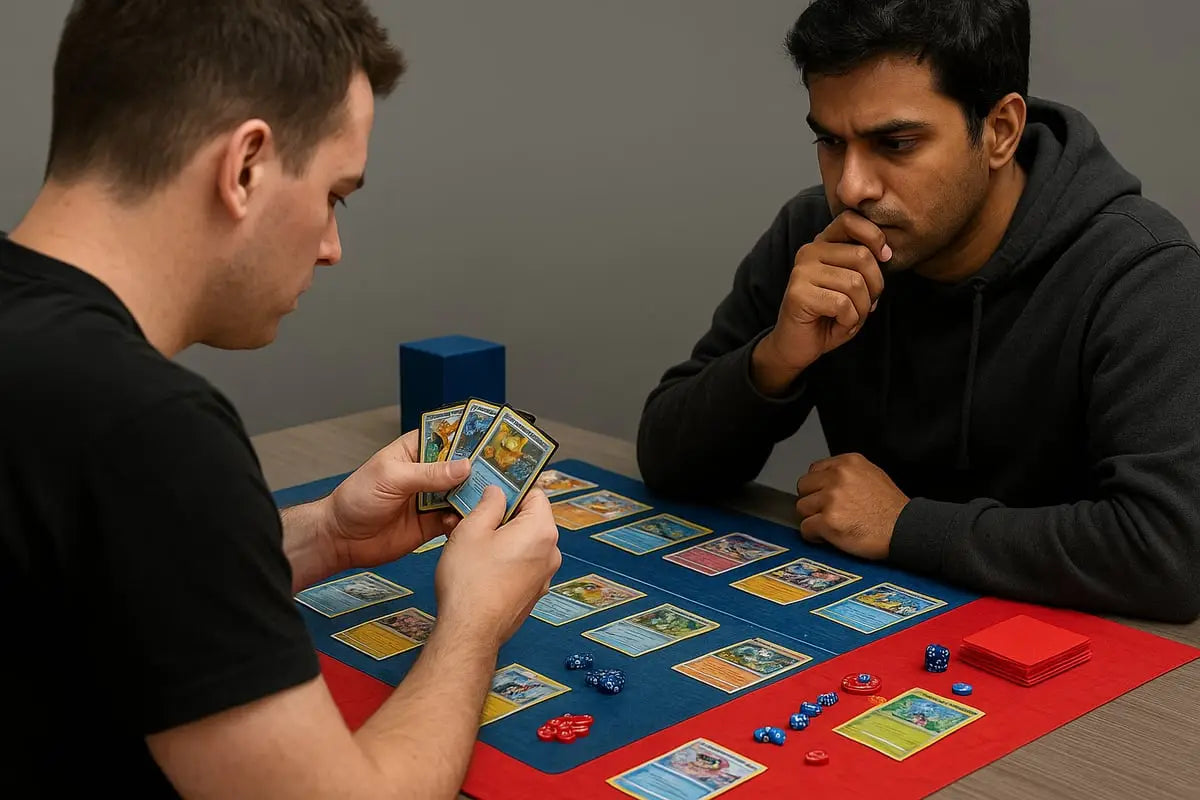
Energy is the lifeblood of every pokemon tcg deck. Attaching energy efficiently means powering up attackers while preserving options for future turns. Smart players avoid overcommitting energy to one Pokémon unless it secures a crucial knockout. Instead, they spread attachments to maintain flexibility.
Consider these energy management tips:
- Attach to benched Pokémon to prep backup attackers.
- Use energy acceleration abilities only when necessary.
- Track opponent’s potential for energy denial.
Resource conservation extends beyond energy. Managing discard piles, recycling used cards, and not overextending are vital. Monitoring the Pokémon TCG Market Split: Top Cards Surge 383% While Chase Cards Cool in November 2025 helps players understand the value of key cards and informs smart deck investments for long-term success in the pokemon tcg.
Maximizing Draw Power and Timing Supporters/Items
Consistent draw power separates average and elite pokemon tcg players. Drawing into the right cards at the right time is not luck—it is the result of careful deck construction and in-game sequencing. Plan supporter usage so you do not waste powerful effects when your hand is already strong.
Tips for maximizing draw efficiency:
- Use Items before playing a draw Supporter to thin the deck.
- Avoid playing multiple draw cards in the same turn if not necessary.
- Hold onto situational Supporters for pivotal moments.
Timing is everything. Well-timed Items can swing board positions, while early or late Supporter use can determine your ability to recover from setbacks. Always assess your hand and board before committing to major plays in the pokemon tcg.
Board State, Prize Race Tempo, and Comebacks
Controlling the board and managing the prize race tempo are core to competitive pokemon tcg strategy. Aggressive decks push for quick knockouts, while control decks slow the game, forcing opponents to overcommit. Recognizing when to play aggressively and when to hold back is a skill that wins tournaments.
When behind, comeback strategies include:
- Using disruption cards to slow the opponent.
- Targeting bench sitters or support Pokémon for easy prizes.
- Conserving key resources for a late-game swing.
Tempo swings often occur after a key knockout or when a player recovers from a resource deficit. Study championship replays to see how top players regain control, adapting their plans based on evolving board states in the pokemon tcg.
Counter-Strategies and Teching Against the Meta
Staying competitive in the pokemon tcg requires more than just piloting top-tier decks. The evolving meta constantly introduces new threats, making counter-strategies essential for success at every level of play. Understanding how to anticipate and respond to popular archetypes is a critical skill for both newcomers and seasoned competitors.
To begin, effective players study tournament results and community discussions to pinpoint dominant decks and their weaknesses. Identifying these meta threats allows you to select targeted counters, such as Pokémon with type advantages or Trainer cards that disrupt common strategies. For instance, when aggro decks dominate, including defensive techs or healing options can shift matchups in your favor. In the pokemon tcg, knowledge of the meta landscape is your first line of defense.
Building flexible decks is another cornerstone of advanced play. Incorporate versatile cards that can adapt to multiple archetypes, rather than focusing solely on one matchup. Disruption cards are invaluable in this regard:
- Hand control: cards that force discards or shuffle the opponent’s hand
- Energy denial: tools that remove or lock down Energy attachments
- Stadiums: arenas that limit specific strategies or abilities
Rotating tech choices based on local events and online trends keeps your deck unpredictable. When rogue decks or surprise techs emerge, having a well-rounded list ensures you are not caught off guard. In the pokemon tcg, adaptability often separates consistent winners from the rest.
Looking back at past meta-breakers provides valuable lessons. These decks often exploited overlooked weaknesses or introduced innovative combos that shifted the competitive landscape. By monitoring online chatter and analyzing how these breakthroughs occurred, you can recognize early signs of new threats. When you need to quickly source specific counter cards mentioned in discussions or tournament reports, browsing Pokémon TCG product listings helps you stay prepared and responsive.
Mastering counter-strategies and teching effectively is a continuous process. By staying informed, building adaptable decks, and accessing the right resources, you position yourself to outmaneuver the meta and achieve lasting success in the pokemon tcg.
Preparing for Competitive Play in 2026
Stepping into the world of high-level pokemon tcg competition in 2026 demands more than just a strong deck. Success hinges on thorough preparation, smart use of resources, and a resilient mindset. Whether you are gearing up for local leagues or aiming for championship events, your journey starts long before you shuffle your cards.
Tournament Preparation and Mindset
A disciplined approach to tournament prep is vital for any pokemon tcg competitor. Begin by building a structured practice regimen. Regular testing with friends, local groups, or online partners helps you master your deck and identify weaknesses. Scrimmages under timed conditions simulate the real event, sharpening your decision-making.
Refine your decklist through repeated play, tracking results and tweaking card choices for consistency. Analyze matchups against top meta decks, adjusting your strategy to address common threats. Before the event, pack essentials such as:
- Sleeved decks and a backup
- Printed decklists
- Damage counters and dice
- Playmat and tokens
- Healthy snacks and water
Mental preparation is just as crucial. Review tournament rules, understand the structure, and set realistic goals. Practice mindfulness techniques to manage nerves and maintain focus during high-pressure rounds. Manage your time efficiently, ensuring you are never rushed during matches. By blending technical skill with mental readiness, you maximize your pokemon tcg performance.
Leveraging Community and Online Resources
The broader pokemon tcg community is a valuable asset for honing competitive skills. Engage with online playtesting platforms to experiment with new decks and adapt to shifting metas. Join forums and discord servers where experienced players share insights, decklists, and tournament reports.
Follow professional players and content creators for up-to-date meta analysis and strategy tips. Participate in local leagues and online tournaments to gain practical experience and expand your network. Card shows are also excellent opportunities for community engagement and discovering rare cards—learn more about these events at Learn about card shows.
Stay informed about official announcements, errata, and policy updates from tournament organizers. Monitoring these channels helps you react swiftly to changes that could impact your pokemon tcg deck choices. Leverage every available resource to stay ahead of the competition.
The Role of Trading and Card Acquisition
Staying competitive in the pokemon tcg requires timely access to the latest cards. Monitor upcoming set releases and secure must-have cards early, as demand spikes around major tournaments. Develop strategic trading practices by networking with other players, both in person and online.
Attend card shows, local events, and use online marketplaces to source rare or high-value cards. Efficient collection management is key—organize your inventory to track playsets, rotate out-of-format cards, and identify trade assets. For a comprehensive look at available sets and to bolster your deckbuilding options, explore Pokémon TCG card collections.
By prioritizing proactive acquisition and smart trading, you maintain a robust collection that adapts to the evolving pokemon tcg meta. This ensures you are always ready to build and test new strategies as the competitive landscape shifts.
As you explore these advanced strategies and prepare to take your Pokémon TCG skills to the next level in 2026, remember that having the right cards is just as important as mastering the game’s evolving meta. Whether you’re refining your deck, hunting for new releases, or building a winning collection, you deserve a trusted source for all your trading card needs. If you’re ready to put these insights into action and assemble your strongest deck yet, Shop Now for the latest cards and collectibles that will set you up for success in every match.


