The panini nba trading card market has undergone dramatic transformations over the past several years, reshaping how collectors and investors approach basketball memorabilia. As one of the most significant players in sports collectibles, Panini's relationship with the NBA has defined an entire generation of trading cards, creating iconic products that have become household names among enthusiasts. Understanding the landscape of panini nba cards, from flagship releases to limited editions, provides collectors with essential knowledge for navigating this dynamic marketplace in 2026.
The Panini NBA Partnership Evolution
Panini's exclusive relationship with the NBA created a dominant presence in basketball trading cards that lasted for over a decade. The partnership produced some of the most sought-after cards in modern collecting history, establishing product lines that became synonymous with quality and innovation. However, the trading card landscape shifted dramatically when Fanatics secured rights to become the exclusive NBA trading card partner starting in 2026, marking a pivotal transition point for the industry.
Historical Partnership Milestones
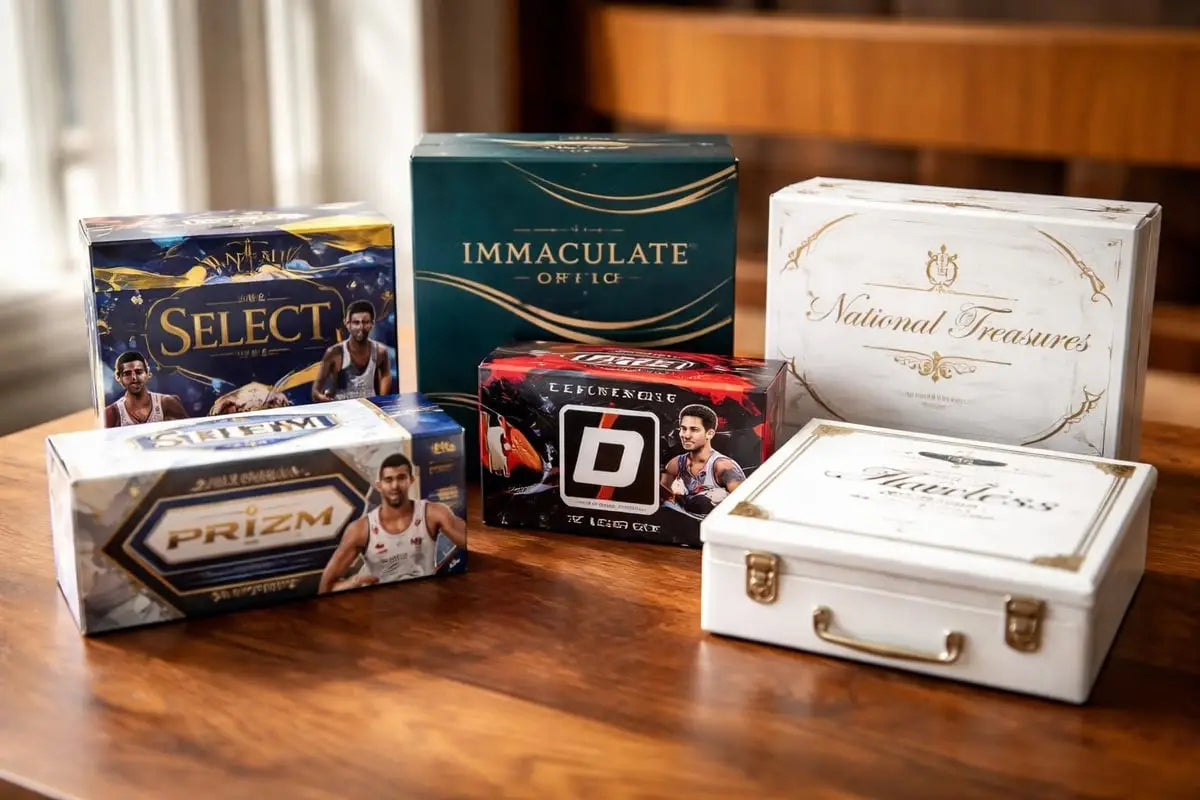
The collaboration between Panini and the NBA delivered numerous groundbreaking releases that defined modern basketball card collecting. Prizm, Select, and National Treasures became flagship brands that collectors actively pursue across all price ranges. These products introduced innovative printing technologies, autograph configurations, and memorabilia integration that elevated the entire category.
Extension agreements throughout the partnership years demonstrated the strong relationship between both organizations, creating stability in the market that allowed products to mature and develop loyal followings. This consistency helped establish clear hierarchies among product lines, making it easier for collectors to understand which releases aligned with their collecting goals and budgets.
Major Panini NBA Product Lines
Understanding the distinct characteristics of different panini nba product lines helps collectors make informed purchasing decisions and build focused collections. Each release targets specific segments of the collector market, from budget-conscious enthusiasts to high-end investors seeking premium memorabilia cards.
Flagship Retail Products
Panini Prizm stands as the most recognizable basketball card product in the modern era. Known for its signature refractor technology and rainbow of parallel variations, Prizm delivers accessibility while maintaining strong secondary market value. Base rookie cards from this line consistently command attention, particularly for star players and promising rookies.
Donruss Optic provides another retail-focused option with similar refractor aesthetics at competitive price points. These products offer:
- Multiple parallel tiers including Silver, Holo, and various color-matched versions
- Autograph inserts featuring current stars and rookies
- Insert sets highlighting specific achievements or player groupings
- Accessible hobby box and blaster configurations for different budgets
Select occupies the middle ground between retail accessibility and premium features. The tri-color design aesthetic and concourse-level organization of base cards create a distinctive collecting experience that appeals to both set builders and hit chasers.
Premium and High-End Releases
| Product Line | Price Range | Key Features | Target Collector |
|---|---|---|---|
| Immaculate | $400-600 | Patch autos, low print runs | Premium investors |
| Flawless | $2,000-3,500 | Diamond cards, 1/1s | Ultra-high-end |
| National Treasures | $500-800 | Rookie patch autos, booklets | Serious collectors |
| Noir | $300-500 | On-card autos, artistic design | Premium enthusiasts |
These premium panini nba offerings feature significantly lower production numbers, guaranteed autographs or memorabilia cards, and often include on-card signatures rather than sticker autographs. The Rookie Patch Autograph (RPA) cards from National Treasures represent some of the most valuable modern basketball cards, routinely selling for thousands of dollars for star players.
Parallel Cards and Rainbow Chasing
The parallel card system employed across panini nba products creates layers of scarcity and collecting challenges that drive engagement. Understanding parallel structures helps collectors identify valuable variations and pursue complete rainbow sets of favorite players.
Common Parallel Structures
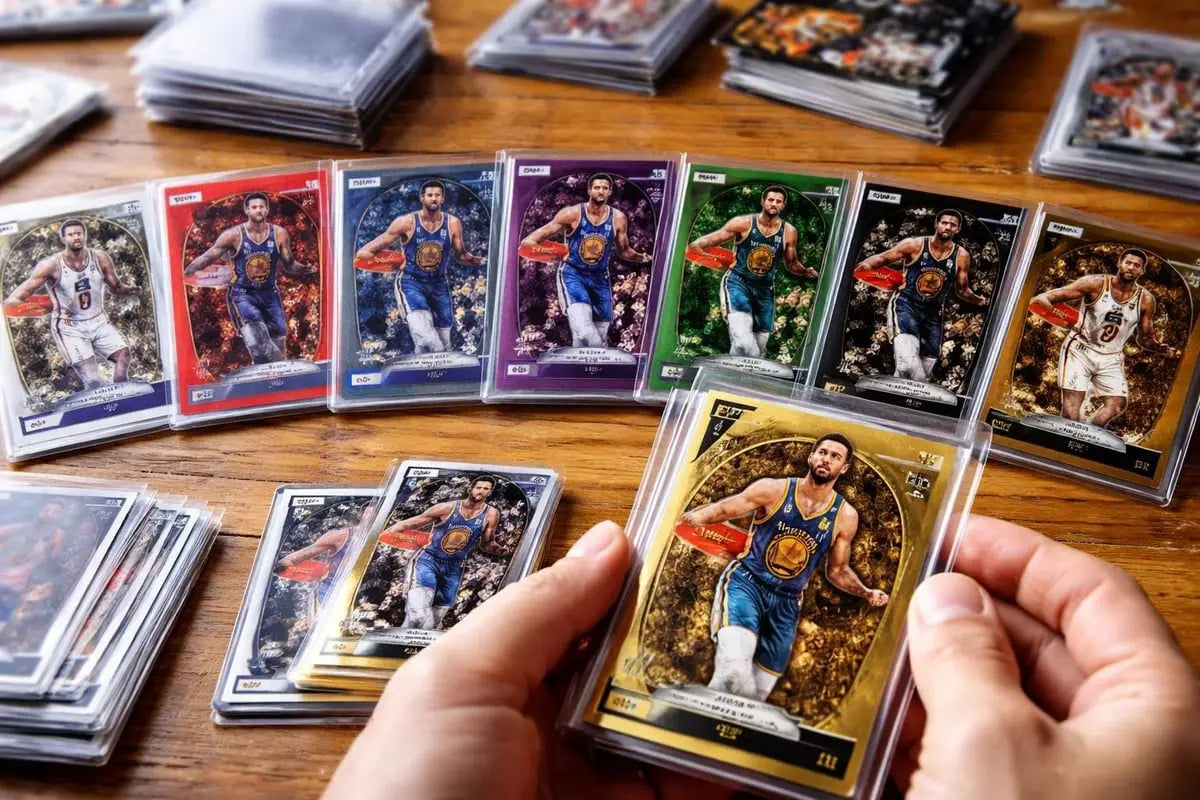
Most Panini basketball products follow similar parallel hierarchies, though naming conventions vary by product line. Base parallels typically include Silver or Prizm base versions, followed by color parallels numbered to specific quantities. The numbering system directly correlates to scarcity and value, with lower print runs commanding premium prices.
Popular parallel categories include:
- Base Prizm/Refractor - Unnumbered, widely available
- Color Parallels - Team colors, holiday themes (numbered /199, /149, /99)
- Serial-Numbered Tiers - Gold (/10), Black (1/1), other low-numbered versions
- Retail-Exclusive Parallels - Silver, Pink, Purple variations found only in retail products
- Hobby-Exclusive Parallels - Choice, Scope, and other specialized versions
Rainbow collecting, the pursuit of every parallel variation of a single card, has become increasingly popular among dedicated player collectors. This approach requires significant investment and patience, as some parallels like 1/1 Black versions may only surface occasionally in the secondary market.
Autograph and Memorabilia Cards
Autograph and memorabilia cards represent the premium content within panini nba products, driving much of the excitement in modern box breaks and pack openings. These cards feature actual signatures, game-worn jersey pieces, or both, creating tangible connections between collectors and their favorite players.
Autograph Card Types
On-card autographs command higher values and collector preference compared to sticker autographs. On-card signatures are signed directly on the card surface, while sticker autographs involve pre-signed labels affixed during production. Premium products like Flawless and National Treasures emphasize on-card autographs, while more accessible products may include a mix of both types.
Rookie autographs carry particular significance in the basketball card market. First-year player signatures from flagship products often define a player's cardboard legacy, with certain RPA variations becoming the definitive rookie cards for collecting purposes. Products like Prizm basketball cards showcase various parallel levels that collectors actively pursue.
Memorabilia Card Considerations
Patch cards containing larger, more distinctive pieces of game-worn jerseys typically command premiums over standard jersey cards. Multi-color patches, especially those featuring team logos or NBA logos, drive particular interest among collectors. National Treasures has built its reputation largely on spectacular patch content within its rookie patch autograph cards.
Memorabilia authenticity remains a point of discussion in the hobby. All panini nba memorabilia cards come with manufacturer guarantees, though the specific game usage of materials varies. Some premium products specify game-worn materials, while others may include player-worn items from photo shoots or promotional events.
Rookie Cards and Prospect Collecting
Rookie cards form the foundation of basketball card collecting, representing a player's first officially licensed trading cards. The panini nba rookie card landscape includes multiple products released throughout a player's first season, creating various "first" card options for collectors to consider.
Defining Rookie Cards in 2026
The NBA trading card season typically begins before the regular season, with products like Hoops and Donruss releasing early in the fall. These become the first available rookie cards for the draft class, though they may not carry the same long-term value as later flagship releases. Prizm and Select rookie cards, typically released mid-season, often emerge as the most recognizable and valuable rookie cards for most players.
Rookie card designations appear on cards throughout a player's first season in products released before their second season begins. This means a single player might have dozens of different "rookie cards" across various panini nba products, each with different values, designs, and scarcity levels.
Collecting Strategies for Rookies
| Approach | Investment Level | Risk/Reward | Best For |
|---|---|---|---|
| Base rookies of stars | Low-Medium | Medium/Medium | New collectors |
| Numbered parallels | Medium-High | Medium/High | Active traders |
| Rookie patch autos | High-Very High | High/Very High | Serious investors |
| Complete rainbow sets | Very High | Very High/Very High | Player specialists |
Basketball parallel cards like those featuring emerging talents offer entry points at various price levels, allowing collectors to participate in rookie markets regardless of budget.
Smart collectors often diversify rookie investments across multiple players and product types rather than concentrating resources on single high-end cards. This approach mitigates risk while maintaining upside potential across the portfolio.
The 2026 Transition and Market Impact
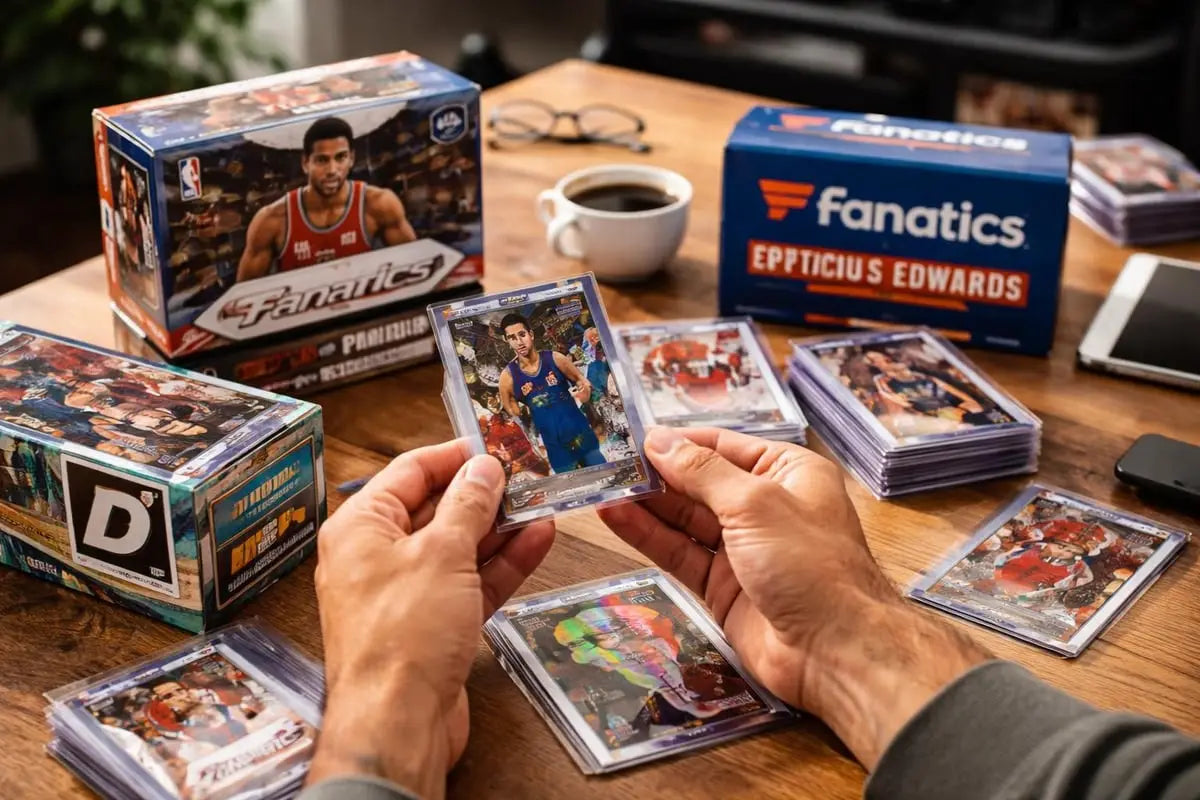
The shift from Panini to Fanatics as the exclusive NBA trading card partner in 2026 represents the most significant change in basketball card licensing in over a decade. This transition affects product availability, market values, and collecting strategies as the industry adapts to new manufacturers and product lines.
Final Panini NBA Products
Panini's last licensed NBA products are being released throughout early 2026, creating a definitive endpoint for products that defined basketball card collecting for an entire generation. These final releases carry additional significance as the last opportunities to acquire new panini nba cards featuring current players and recent rookies under official NBA licensing.
Collector sentiment around these final products varies. Some view them as potential future premiums due to their status as the last Panini NBA releases, while others focus resources on emerging Fanatics products. Historical precedent from other sports card transitions suggests that established, popular products typically maintain value based on their intrinsic qualities rather than simply their position in licensing transitions.
Market Adjustment Period
Secondary market dynamics are experiencing fluctuations as collectors, investors, and dealers navigate the transition. Legal challenges between industry participants add uncertainty to an already complex situation, though the fundamental appeal of basketball cards remains strong regardless of manufacturer.
Established panini nba products with proven track records and strong collector bases should maintain relevance in the secondary market. Cards of established superstars, historic rookie cards, and premium inserts from popular products face less transition risk than newer or less-established releases.
Grading and Authentication
Professional grading services protect collector investments and establish objective quality standards for panini nba cards. Understanding grading scales, submission processes, and market premiums for graded cards helps collectors make informed decisions about which cards warrant grading expenses.
Major Grading Companies
PSA (Professional Sports Authenticator) and BGS (Beckett Grading Services) dominate the basketball card grading market. Both companies use 10-point scales, though their specific criteria and subgrade systems differ. PSA emphasizes simplicity with a single numerical grade, while BGS provides subgrades for centering, corners, edges, and surface quality.
A PSA 10 or BGS 9.5/10 grade can multiply a card's value several times over compared to ungraded equivalents, particularly for key rookie cards and premium parallels. However, grading costs, submission times, and return shipping expenses mean that not all cards justify the investment. Cards worth less than $100 in ungraded condition rarely make financial sense for grading unless collectors seek long-term protection rather than immediate profit.
When to Grade Panini NBA Cards
Consider grading when cards meet these criteria:
- Significant raw value - Generally $100+ in ungraded condition
- Apparent high grade - Cards with excellent centering, sharp corners, and clean surfaces
- Key rookies or stars - Players with established collecting followings
- Low-numbered parallels - Scarcity warrants authentication and protection
- Long-term holding - Protection matters more than immediate returns
Centering represents the most common grade-limiting factor for modern cards. Even cards with perfect surfaces and corners may receive lower grades if the image isn't precisely centered within the card borders. Examining cards carefully under good lighting before submission helps avoid disappointment and wasted grading fees.
Product Release Strategies and Market Timing
Understanding panini nba product release patterns and market cycles helps collectors optimize purchase timing and maximize value retention. The basketball card calendar follows predictable patterns that create opportunities for strategic buying and selling.
Annual Release Calendar
Basketball card products follow a general seasonal progression:
- October-November - Early season products (Hoops, Donruss)
- December-January - Mid-season flagships (Prizm, Select)
- February-April - Premium and high-end products (National Treasures, Flawless)
- May-August - Late-season and summer releases (Chronicles, various specialty products)
Products typically see peak prices in the weeks immediately following release, driven by box break activity and initial collector enthusiasm. Prices often soften 2-4 weeks post-release as supply increases and initial excitement moderates. Patient collectors frequently find better values by waiting through this initial surge.
Secondary Market Timing
Single card prices fluctuate based on numerous factors beyond simple product release cycles. Player performance drives short-term spikes, with outstanding games or playoff runs temporarily inflating related card prices. These performance bumps rarely sustain long-term, making them risky buying opportunities but potentially profitable selling windows.
Seasonal patterns affect different card types distinctly. Rookie cards typically peak during a player's first playoff appearance or at season's end if they've performed well. Established star cards maintain more stable pricing year-round, with moderate increases during playoff periods.
Building a Panini NBA Collection
Successful collecting requires clear goals, consistent strategies, and realistic budgets aligned with personal interests and financial situations. Whether pursuing complete sets, player collections, or investment portfolios, focused approaches deliver better satisfaction and value than random accumulation.
Collection Types and Approaches
Set building appeals to completionist collectors who enjoy the challenge of assembling full base sets or insert sets. Modern panini nba products often include 200-300 card base sets plus numerous insert sets targeting different collecting interests. Set building provides clear objectives and defined endpoints, though parallel variations can extend the challenge indefinitely.
Player collecting focuses resources on specific athletes, accumulating various cards, autographs, and memorabilia featuring chosen players. This approach creates natural buying opportunities as new products release while maintaining defined scope. Successful player collectors often specialize in specific product types or card eras rather than attempting to acquire every card ever produced.
Rookie prospecting involves identifying promising young players early and accumulating their cards before broader market recognition drives prices upward. This investment-oriented approach requires basketball knowledge, risk tolerance, and patience as prospects develop. Many collectors combine modest positions across multiple prospects rather than concentrating resources on individual players.
Budget Management Strategies
Establishing realistic collecting budgets prevents financial stress and ensures long-term hobby sustainability. Consider these budget frameworks:
| Monthly Budget | Strategy | Typical Purchases |
|---|---|---|
| $50-100 | Retail-focused | Blasters, hangers, singles |
| $100-300 | Mixed retail/hobby | Occasional hobby boxes, targeted singles |
| $300-500 | Hobby boxes | Monthly flagship product boxes |
| $500+ | Premium/investment | High-end boxes, graded cards, key rookies |
Exploring marketplace options for singles often provides better value than box breaks for collectors targeting specific cards or players. Breaking boxes delivers entertainment value and chase excitement but rarely produces cards equal to box cost on a consistent basis.
Innovative Panini NBA Initiatives
Throughout their NBA partnership, Panini introduced numerous innovative programs connecting collectors with the basketball experience. These initiatives demonstrated creativity in bringing trading cards to life beyond traditional pack-and-card formats.
Event-Based Programs
Panini's Rising Stars partnership created unique collecting opportunities tied to NBA All-Star Weekend festivities. These programs included instant cards produced during games, special pack distributions at events, and exclusive content available only to attendees. Such initiatives rewarded engaged collectors while creating genuine scarcity through limited distribution channels.
Cross-promotional partnerships like the Monopoly collaboration brought trading cards to mainstream audiences beyond traditional hobby channels. These creative approaches introduced Panini products to potential new collectors while providing existing enthusiasts with novel collecting experiences.
Digital Integration
Digital card platforms emerged as significant components of the broader trading card ecosystem, though physical panini nba cards maintained primacy among serious collectors. Digital offerings provided lower entry points and instant gratification while physical cards preserved tangible ownership and long-term value appreciation potential.
The relationship between physical and digital collecting continues evolving, with some crossover redemption programs allowing digital collectors to claim physical cards and vice versa. These hybrid approaches may become more common as new manufacturers enter the market with fresh perspectives on collector engagement.
Women's Basketball and WNBA Cards
While NBA products dominated Panini's basketball card catalog, the company also invested in WNBA trading cards, helping grow awareness and collecting opportunities for women's basketball. New WNBA product launches demonstrated commitment to the women's game even as industry transitions approached.
Growing WNBA Card Market
The WNBA trading card market experienced substantial growth in recent years, driven by increased media coverage, league expansion, and star player emergence. Record-breaking sales of rookie cards for players like Caitlin Clark demonstrated mainstream interest extending beyond traditional basketball card demographics.
WNBA card products typically followed similar structures to NBA releases but at smaller scales reflecting market size differences. Prizm, Donruss, and other familiar product names appeared in WNBA versions, providing consistency for collectors interested in both leagues. As women's basketball continues gaining prominence, related trading cards should see corresponding interest growth.
Authentication and Counterfeit Concerns
As panini nba card values increased, counterfeit concerns emerged across the hobby. Understanding authentication methods and purchasing through reputable channels protects collectors from fraudulent cards and altered items.
Identifying Authentic Panini NBA Cards
Genuine Panini products include specific security features and quality standards that help distinguish them from counterfeits:
- Holographic elements on autograph stickers and parallel cards
- Consistent cardstock quality and printing standards
- Proper licensing marks including NBA and NBPA logos
- Serial numbering that matches product specifications
- Quality control measures visible in cutting and finishing
Purchasing from established dealers, verified breakers, and reputable marketplaces significantly reduces counterfeit risk. Cards pulled directly from sealed products carry inherent authenticity, while secondary market purchases benefit from seller reputation consideration and platform protections.
Altered Card Detection
Card alteration represents a more sophisticated fraud form than simple counterfeiting. Altered cards might involve trimming to improve centering, surface cleaning, or corner reconstruction. Professional grading provides protection against altered cards through expert examination, though even graded card holders can theoretically be counterfeited.
Extreme caution applies when purchasing high-value cards outside graded holders, particularly cards with characteristics that significantly impact value like centering or surface condition. When substantial money is involved, investing in professional grading or authentication provides peace of mind worth the service costs.
Market Trends and Value Drivers
Understanding factors that influence panini nba card values helps collectors make informed buying and selling decisions. Both short-term fluctuations and long-term trends affect different cards and product types in varying ways.
Short-Term Value Drivers
Player performance creates immediate price reactions in related cards. Outstanding individual games, playoff success, awards, and milestone achievements typically trigger buying interest that pushes prices upward. These spikes often prove temporary as attention shifts to the next performance or trending player.
Product release cycles generate temporary price depressions for similar existing products as collector attention and resources focus on new releases. Cards from recent similar products often see softening prices as fresh options become available, creating buying opportunities for patient collectors targeting specific cards rather than newest releases.
Long-Term Value Factors
Sustained player excellence remains the primary long-term value driver for basketball cards. Hall of Fame careers create lasting demand for rookie cards and premium inserts featuring legendary players. While short-term fluctuations occur, cards of all-time greats typically maintain strong floors and appreciation potential over multi-year periods.
Product reputation and collecting tradition also influence long-term values. Certain panini nba products like Prizm have established themselves as the definitive rookie cards for their respective years, creating persistent demand regardless of short-term market conditions. This collecting consensus develops over years and proves resistant to sudden changes.
Print run scarcity provides fundamental value support, particularly for numbered parallels and limited releases. While demand fluctuations affect prices, genuinely scarce cards maintain relevance through simple supply limitations. One-of-one cards of desirable players will always attract interest regardless of broader market conditions.
Legal and Industry Developments
The trading card industry faced significant legal challenges and business developments affecting panini nba products and the broader marketplace. Understanding these dynamics provides context for market changes and future directions.
Antitrust and Competition Concerns
Monopoly allegations against Panini highlighted tensions in an industry experiencing rapid consolidation and exclusive licensing arrangements. These legal challenges reflected broader questions about competition, licensing structures, and market access that affect collectors through product availability and pricing.
The exclusive licensing model employed in modern sports cards creates natural monopolies for specific sports and periods. While this ensures consistent product quality and clear rights management, it also concentrates market power in ways that invite regulatory scrutiny and competitive complaints.
Industry Restructuring
Licensing changes and new market entrants fundamentally reshape the trading card landscape in 2026. The shift from Panini to Fanatics for NBA cards represents the most visible change, but broader industry consolidation continues across multiple sports and card categories. These structural changes create uncertainty but also opportunities as new manufacturers and products emerge.
Collectors navigating this transition should focus on fundamental card quality, player performance, and personal collecting enjoyment rather than speculation about manufacturer advantages. Great cards featuring excellent players maintain value regardless of who produces them or what legal disputes occur in corporate boardrooms.
The panini nba trading card era defined modern basketball collecting through innovative products, accessible entry points, and premium offerings serving collectors at every level. As the industry transitions to new licensing arrangements, understanding Panini's product legacy helps collectors make informed decisions about existing holdings and future purchases. Whether you're seeking premium NBA cards from established players or building comprehensive player collections, TradingCardsMarketplace provides the trusted source you need for quality cards and reliable service across all your collecting interests.