

Optic football cards have revolutionized the sports card collecting landscape since Panini introduced the Donruss Optic brand. These chromium-based cards feature distinctive prismatic technology that creates eye-catching visual effects, making them highly desirable among collectors and investors. The combination of modern printing techniques, limited parallel variations, and strong rookie card content has positioned optic football cards as essential additions to any serious collection. Whether you're a seasoned collector or just entering the hobby, understanding what makes these cards special will help you make informed purchasing decisions and build a valuable portfolio.
Understanding the Optic Football Card Brand
Panini's Donruss Optic line represents a premium chromium product that bridges the gap between affordability and high-end collecting. The brand debuted as an evolution of traditional Donruss releases, incorporating refractor card technology that creates stunning visual effects through specialized coating processes. Each base card features a reflective surface that shifts colors when viewed from different angles, similar to the technology that made Topps Chrome products famous in the baseball card world.
Key Features of Optic Cards
The distinguishing characteristics of optic football cards set them apart from standard cardboard releases. Chromium stock provides durability and a premium feel that collectors appreciate. The prismatic coating creates rainbow-like reflections that make cards visually striking under proper lighting conditions. This technology isn't just about aesthetics-it also serves as an authentication feature that's difficult to counterfeit.
Product configuration varies across different box types, each offering unique value propositions:
| Box Type | Average Cards | Autographs/Memorabilia | Parallel Variations | Price Range |
|---|---|---|---|---|
| Blaster | 40-60 cards | 0-1 guaranteed | Retail exclusives | $25-$40 |
| Hobby | 20-24 cards | 1-2 guaranteed | Premium parallels | $100-$150 |
| Mega Box | 60-80 cards | 1 guaranteed | Exclusive colors | $50-$75 |
| Hanger | 30-40 cards | Not guaranteed | Limited parallels | $15-$25 |
The 2024-25 Panini Donruss Optic Football Blaster Box represents a typical retail configuration that provides accessible entry points for collectors.
The Parallel Rainbow System
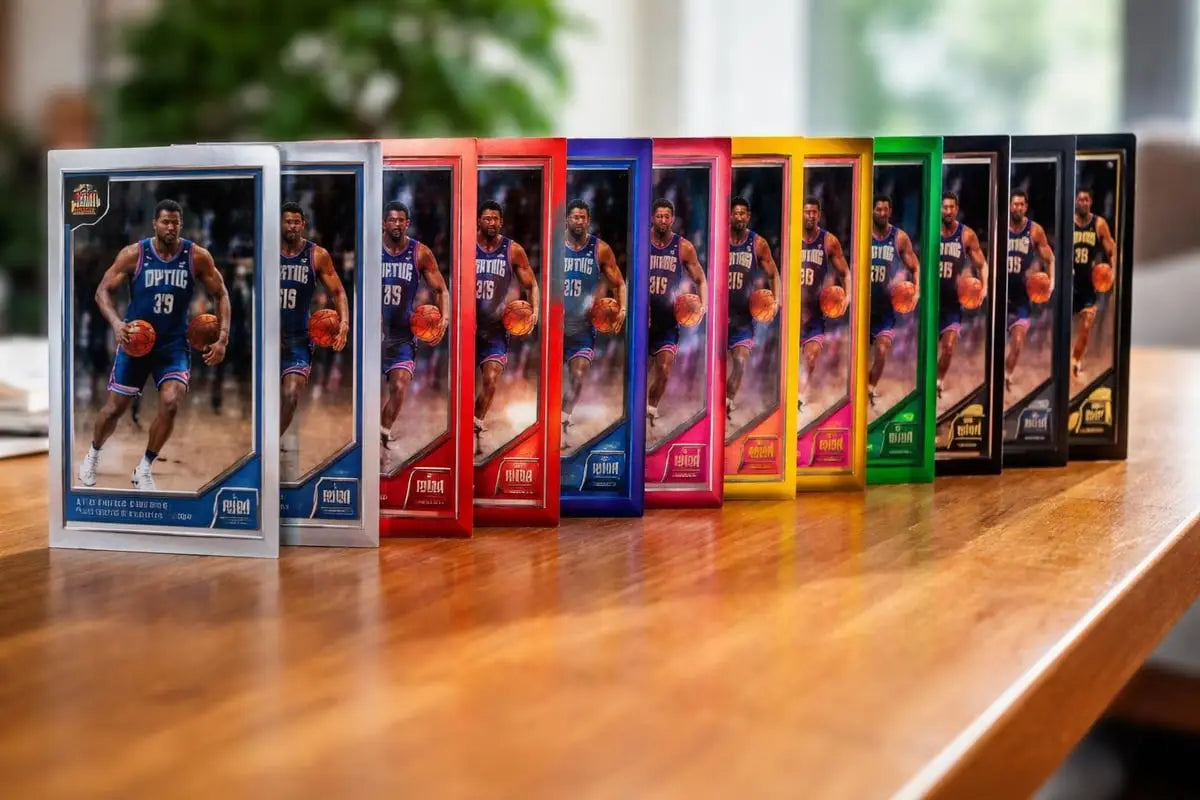
One of the most compelling aspects of collecting optic football cards is the extensive parallel rainbow system. Unlike base sets where each card appears identically, Optic releases feature the same player image in multiple color variations with different rarity levels. This creates collecting challenges that appeal to completionists and investors seeking scarce versions.
Common Parallel Tiers
Base Optic cards form the foundation of every set, printed in large quantities and featuring the standard prismatic finish. These represent the most affordable entry point for acquiring specific players.
Retail-exclusive parallels include Purple Shock, Pink, and Purple variations that only appear in blaster boxes and retail packs. These mid-tier parallels typically number between 50 and 299 copies per card, creating moderate scarcity.
Hobby-exclusive parallels feature premium colors like Gold, Blue, Red, and Green, often numbered to specific quantities. The most valuable include:
- Gold (/10) - Ten copies per card
- Black (/1) - One-of-one cards
- Gold Vinyl (/5) - Five copies with special finishing
- Red (/99) - Ninety-nine copies per card
Collectors at TradingCardsMarketplace frequently search for specific parallel variations to complete rainbow sets, which include acquiring every color variation of a particular player's card. This pursuit drives significant secondary market activity and creates long-term collecting goals.
Autograph and Insert Content
Beyond base cards and parallels, optic football cards include autographed versions and specialized insert sets. Rated Rookie autographs appear in chromium format, combining the visual appeal of Optic technology with authentic signatures from top draft picks. These represent some of the most valuable cards in each year's release.
Insert sets like Rated Rookies, All-Stars, and Legends provide additional collecting dimensions. Each insert category typically receives its own parallel rainbow, multiplying the total number of unique cards available. The 2025 Donruss Optic Football chromium rookie cards showcase how these elements combine in current releases.
Investment Value and Market Trends
The sports card market has experienced significant growth since 2020, with optic football cards participating in this expansion. Understanding value drivers helps collectors make strategic acquisition decisions and build portfolios that appreciate over time.
Factors Affecting Card Values
Player performance remains the primary value determinant. Rookie cards of quarterbacks, wide receivers, and defensive stars from successful teams typically command premium prices. Cards featuring players who win championships, MVP awards, or break records see immediate value increases.
Scarcity levels directly correlate with pricing. A base Optic card might sell for $2-5, while the Gold parallel (/10) of the same player could fetch $200-500, and the Black one-of-one could reach thousands of dollars. This scarcity premium rewards collectors who acquire rare parallels early.
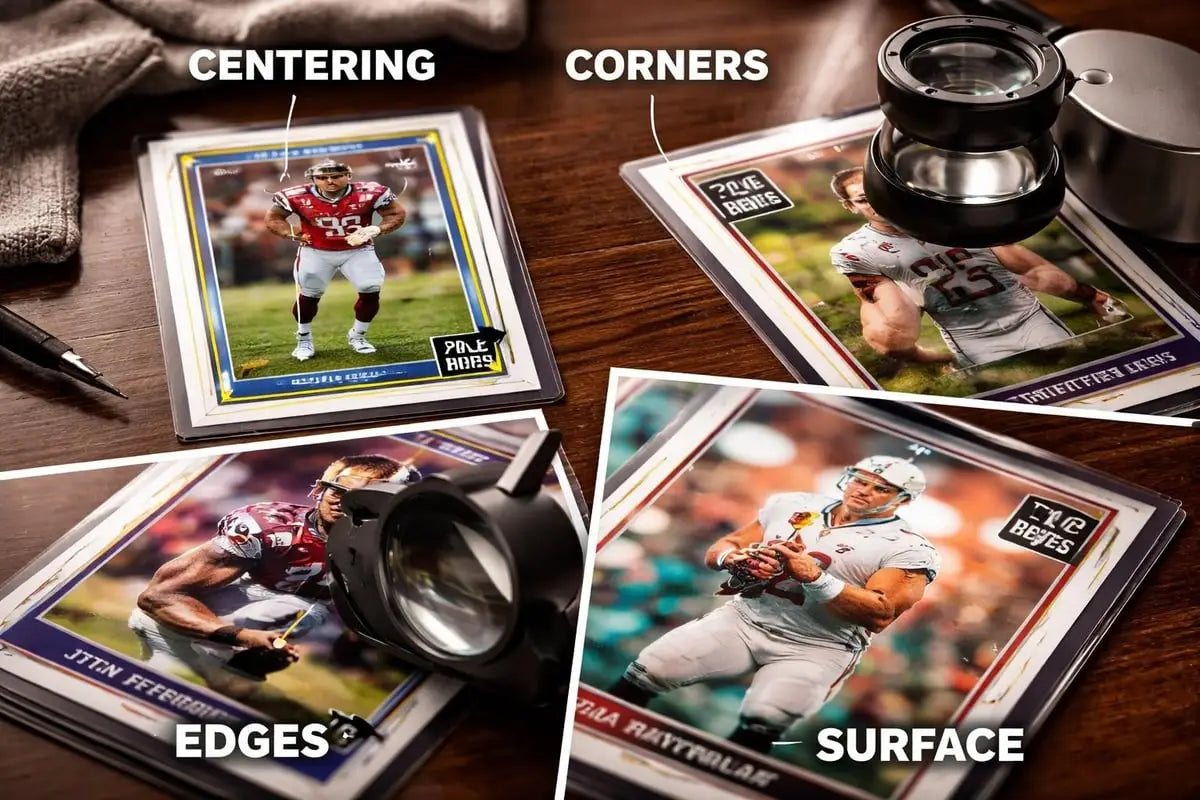
Card condition impacts value significantly, particularly for high-end parallels. Professional grading services like PSA and BGS authenticate cards and assign numeric grades based on centering, corners, edges, and surface quality. Gem Mint 10 grades can multiply values by 2-5 times compared to ungraded equivalents.
Historical data shows that optic football cards from 2017-2020 featuring now-established stars have appreciated substantially. Cards of players like Patrick Mahomes, Justin Jefferson, and Nick Bosa from their rookie Optic releases have seen 300-500% value increases when properly preserved and graded.
Building a Strategic Collection
Successful collecting requires strategy beyond simply purchasing random packs. Whether building for enjoyment, completion, or investment, intentional approaches yield better results and maximize budget efficiency.
Set Completion Approach
Some collectors pursue complete base sets, acquiring every player's base Optic card from a particular year. This approach provides structure and achievable goals while maintaining affordable budgets. The 2023 Donruss Optic Football NFL Hobby Box contains cards needed for set building.
Completing parallel rainbows of favorite players represents an advanced collecting challenge. This requires patience, market monitoring, and willingness to purchase specific cards rather than hoping for pack pulls. Many collectors spend years completing a single player's rainbow from base through Black one-of-one.
Player and Team Focus
Focusing on specific players or teams creates manageable collecting parameters. Fans might pursue every card featuring their favorite team's rookie class or a particular star player across multiple years and product lines. This specialization often leads to deeper market knowledge and better acquisition opportunities.
Benefits of focused collecting include:
- Developing expertise in specific card markets
- Building relationships with dealers specializing in relevant inventory
- Creating themed collections with coherent narratives
- Managing budgets more effectively through targeted purchases
Investment-Oriented Strategies
Investment collectors prioritize cards likely to appreciate based on player trajectories, scarcity, and market trends. This approach emphasizes rookie cards of high-draft picks at value positions, particularly quarterbacks and skill position players from major programs.
Key investment principles include:
- Buy rookie cards early - Prices typically increase as players establish themselves
- Prioritize scarce parallels - Numbered cards under /50 hold value better than base
- Grade valuable cards - Professional authentication protects and enhances values
- Diversify across players - Reduce risk by not concentrating investments in single individuals
- Monitor performance metrics - Statistical achievements drive value changes
The relationship between on-field success and card values creates opportunities for informed collectors who track NFL performance closely. Similar principles apply across sports, as collectors exploring options like Panini Prizm basketball parallels can confirm.
Authenticating and Storing Optic Cards
The premium nature of optic football cards makes proper authentication and storage essential. Protecting investments requires understanding counterfeit risks and implementing preservation best practices.
Authentication Techniques
Genuine optic football cards display consistent manufacturing characteristics. The chromium surface should show uniform prismatic effects without printing flaws or irregular patterns. Autographed versions include certificate of authenticity information and security features embedded during production.
Red flags indicating potential counterfeits:
- Uneven or dull chromium coating
- Misaligned text or images
- Incorrect card stock thickness
- Missing or poorly reproduced logos
- Suspicious autograph characteristics
When purchasing high-value cards, buying from reputable dealers and requesting professional grading provides security. Companies like PSA, BGS, and SGC authenticate cards during the grading process, encapsulating them in tamper-evident holders with certification numbers.
Storage and Preservation
Proper storage prevents damage that destroys value. Optic cards require protection from several environmental factors:
| Threat | Protection Method | Implementation |
|---|---|---|
| Physical damage | Penny sleeves + top loaders | Immediately sleeve all cards |
| UV light exposure | UV-resistant cases | Store away from windows |
| Temperature fluctuation | Climate-controlled space | Maintain 60-70°F consistently |
| Humidity | Silica gel packets | Keep relative humidity 30-50% |
| Touching/handling | Gloves or clean hands | Minimize direct contact |
Collectors should organize cards using storage boxes designed for trading cards, categorizing by player, year, or parallel type. Maintaining detailed inventory lists helps track collection value and identify gaps for completion projects. Digital tools and apps simplify this process, particularly for large collections spanning multiple years and product lines.
Where to Buy and Sell Optic Football Cards
The secondary market for optic football cards operates through multiple channels, each offering advantages and considerations for buyers and sellers.
Primary Market Options
Retail stores like Target, Walmart, and GameStop stock optic football cards in various configurations. Retail provides accessibility and manufacturer-suggested pricing, though popular releases often sell out quickly. Collectors should check restock schedules and arrive early on delivery days for best selection.
Hobby shops offer expertise, higher-end products, and community connections. Local card shops typically stock hobby boxes with better autograph and parallel odds than retail versions. Building relationships with shop owners can provide early access to new releases and insider market knowledge.
Online retailers provide convenience and broader inventory selection. Authorized dealers offer sealed products with guaranteed authenticity, while platforms like TradingCardsMarketplace connect buyers with diverse inventory across multiple sellers.
Secondary Market Platforms
Once cards enter circulation, secondary markets determine actual values based on supply and demand. Online marketplaces like eBay provide the largest buyer pool and transparent pricing through auction and buy-it-now formats. Completed sales data helps establish realistic market values.
Card shows and conventions offer face-to-face transactions where collectors can inspect cards before purchasing. These events provide networking opportunities and access to dealers specializing in specific niches. National conventions feature major dealers with extensive inventory spanning decades.
Social media groups on platforms like Facebook and Reddit facilitate direct collector-to-collector transactions. These communities often provide fair pricing and reduced fees compared to major platforms, though buyers must exercise caution regarding authentication.
When selling valuable cards, sellers should:
- Research comparable recent sales to establish pricing
- Document card condition with high-quality photographs
- Consider professional grading for cards worth over $100
- Choose selling platforms based on fees and buyer demographics
- Package cards securely using appropriate protective materials
Annual Release Cycles and Product Variations
Understanding Panini's release schedule helps collectors plan purchases and budget throughout the year. Optic football cards typically release in late fall or early winter, several months after the NFL season begins. This timing allows inclusion of rookie cards featuring players in NFL uniforms rather than college gear.
Recent Release History
The 2018 Donruss Optic Football set established patterns that continue in current releases. Each year brings subtle variations in design themes, insert sets, and parallel color schemes while maintaining core chromium technology.
Typical annual timeline:
- September-October - Product announcements and preview cards
- November-December - Primary release and initial market activity
- January-March - Continued box breaks and secondary market stabilization
- April-August - Values adjust based on playoff performance and offseason news
Collectors should monitor this cycle to optimize purchase timing. Buying boxes during initial release provides excitement of first packs, while waiting several months often yields better individual card prices as supply increases.
Product Line Extensions
Beyond standard Optic releases, Panini occasionally produces variations like Optic Rated Rookies, which focus exclusively on first-year players with expanded parallel rainbows. International versions and retail-exclusive configurations create additional collecting dimensions.
The brand's success in football has led to Optic releases across other sports, including Donruss Soccer products that employ similar chromium technology. This cross-sport consistency helps collectors understand parallel structures and value relationships regardless of sport.
Maximizing Long-Term Collection Value
Building a valuable collection of optic football cards requires patience, market knowledge, and strategic decision-making over multiple years. Collectors who treat their hobby as a long-term investment typically achieve better results than those seeking quick profits.
Market Research and Education
Staying informed about NFL developments, rookie performances, and market trends provides competitive advantages. Following sports news helps predict which players might see value increases, while monitoring card market publications reveals pricing trends and emerging collecting patterns.
Essential research activities include:
- Tracking sales data on major platforms weekly
- Reading industry publications and blogs
- Joining collector communities for shared knowledge
- Attending card shows to network and observe trends
- Following professional grading population reports
Understanding which rookie classes show strength and which veterans maintain demand helps guide acquisition strategies. Collectors should also study historical patterns-for example, how quickly values typically rise for Pro Bowl selections or championship-winning players.
Balancing Enjoyment and Investment
While financial considerations matter, successful collectors maintain enthusiasm for the hobby beyond monetary returns. Collecting should provide enjoyment through completing sets, acquiring favorite players, or participating in community activities. This balanced approach prevents burnout and maintains long-term engagement.
Many collectors allocate budgets between "investment cards" featuring high-upside rookies and "personal collection" cards of favorite players regardless of projected appreciation. This strategy satisfies both financial goals and emotional connections to the hobby.
Regular portfolio reviews help assess collection direction and identify opportunities for improvement. Selling duplicate parallels or cards of players who underperformed creates capital for pursuing higher-priority acquisitions. Much like collectors of refractor parallel cards from other sports, football Optic enthusiasts benefit from periodic collection reassessment.
Optic football cards represent one of the most dynamic and rewarding collecting categories in modern sports cards, combining visual appeal with investment potential and set-building challenges. By understanding parallel systems, authentication methods, and market dynamics, collectors can build valuable portfolios that appreciate over time while enjoying the thrill of the hobby. Whether you're searching for specific parallels to complete rainbows or exploring new releases, TradingCardsMarketplace offers the selection and expertise to help you find exactly what your collection needs.


