The hockey card collecting hobby has experienced remarkable growth over the past several years, transforming from a childhood pastime into a sophisticated investment market. Collectors today navigate a complex landscape of grading standards, market valuations, and authentication processes while pursuing cards featuring both legendary Hall of Famers and emerging NHL stars. Whether you're a seasoned collector or just beginning to explore this fascinating world, understanding the fundamentals of card condition, rarity, and market dynamics will help you build a collection that brings both personal satisfaction and potential financial returns.
Understanding Hockey Card Grading and Condition
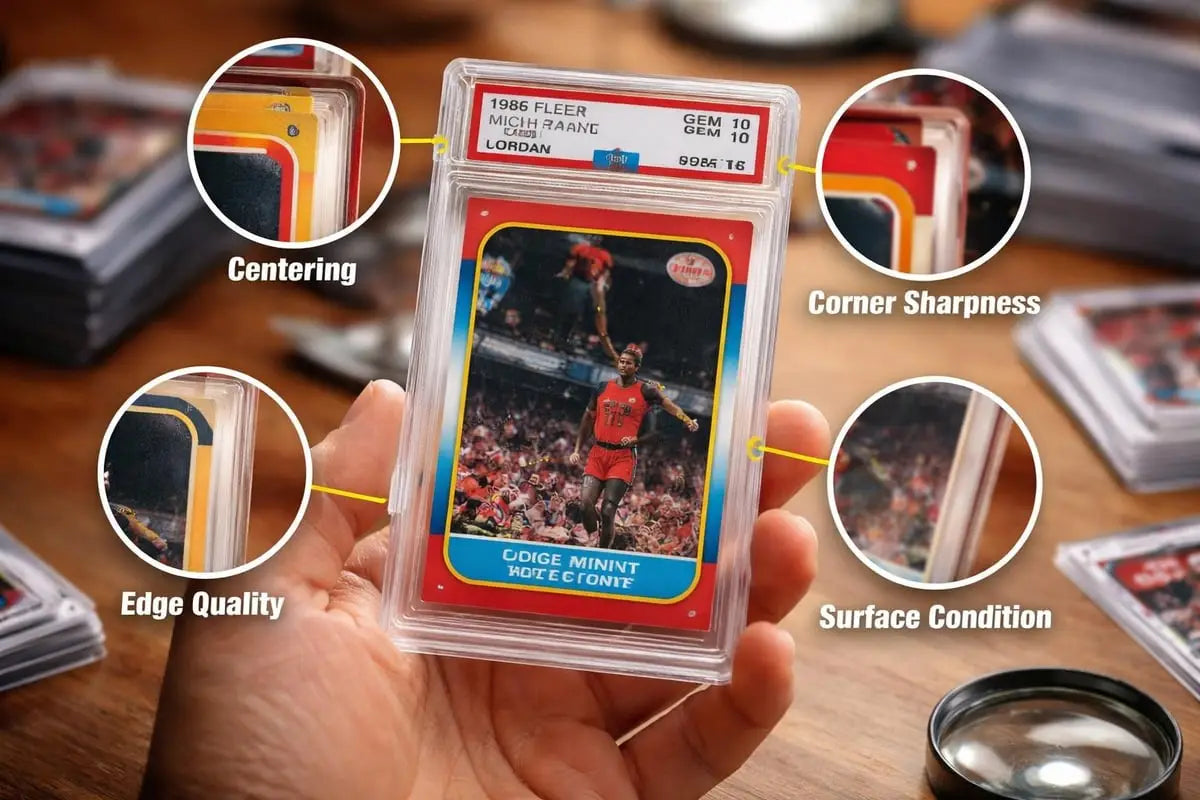
The condition of a card represents the single most important factor in determining its value. Professional grading companies like PSA, BGS (Beckett Grading Services), and SGC evaluate cards on strict criteria including centering, corners, edges, and surface quality. A card graded PSA 10 (Gem Mint) can command exponentially higher prices than the same card in PSA 7 condition.
The Grading Scale Explained
Professional grading services use a numerical scale that collectors must understand before making significant purchases:
- PSA 10 (Gem Mint): Perfect card with sharp corners, no surface wear, and excellent centering
- PSA 9 (Mint): Minor imperfections visible only under close inspection
- PSA 8 (Near Mint-Mint): Slight corner wear or minor centering issues
- PSA 7 (Near Mint): Noticeable but not severe condition issues
- PSA 6 and below: Moderate to significant wear affecting collectibility
Understanding these grades helps collectors make informed purchasing decisions when evaluating hockey card values. Raw, ungraded cards represent a gamble, as their true condition remains uncertain until professionally evaluated. The grading process costs money, typically ranging from $20 to $100+ per card depending on turnaround time and declared value.
Why Condition Matters More Than Ever
The modern collecting market has become increasingly sophisticated, with buyers expecting detailed condition information before committing to purchases. Cards featuring even slight corner wear or centering issues may sell for 30-50% less than perfectly graded examples. This emphasis on condition means proper storage becomes critical from the moment you acquire a card.
| Condition Factor | Impact on Value | Detection Method |
|---|---|---|
| Centering | High impact (20-40% value difference) | Measure border widths with ruler or template |
| Corner Wear | Critical (can reduce grade by 2+ points) | Magnified inspection under strong light |
| Surface Scratches | Moderate to high | Angle card under direct light source |
| Edge Chipping | Moderate | Close examination of all four edges |
Collectors should invest in proper storage supplies including penny sleeves, top loaders, and climate-controlled environments to preserve card condition over time. Temperature fluctuations and humidity can cause warping, while direct sunlight fades colors and damages surfaces irreversibly.
Identifying Valuable Hockey Cards in Today's Market
Not all hockey cards hold equal value, and understanding which factors drive market prices helps collectors focus their acquisition strategies. Several key elements determine whether a card appreciates over time or remains a modest collectible.
Player performance and legacy significantly impact card values. Rookie cards of players who become Hall of Fame inductees typically appreciate steadily. Connor McDavid, Sidney Crosby, and Wayne Gretzky rookie cards exemplify this principle, with values climbing as career achievements accumulate. Historical cards featuring legendary players from earlier decades continue attracting serious collectors willing to pay premium prices.
Scarcity and production numbers create supply-and-demand dynamics that influence pricing. Modern parallel cards numbered to specific quantities (like /99 or /25) generate higher values than base cards printed in unlimited quantities. Vintage cards from the 1970s and earlier often command premiums simply due to survival rates, as many cards from that era were damaged or discarded over time. Those interested in vintage 1970s hockey cards discover a market where condition-sensitive pricing rules supreme.
Modern Insert Cards and Parallels
Contemporary hockey card products feature complex insert schemes that create various scarcity levels:
- Base Cards: Standard cards found in most packs, minimal scarcity
- Numbered Parallels: Limited production variants (/999, /299, /99, /25, /10, /5, 1/1)
- Autograph Cards: Player-signed cards with varying scarcity levels
- Memorabilia Cards: Game-used jersey, stick, or patch pieces embedded in cards
- Special Inserts: Short-printed variations with unique designs or themes
Understanding which hockey cards hold significant monetary value requires knowledge of both player marketability and card rarity. A numbered parallel of a superstar rookie will always outperform an unnumbered base card of the same player.
Building a Strategic Hockey Card Collection
Successful collectors approach the hobby with clear goals and realistic budgets. Some focus exclusively on specific teams, like those building comprehensive collections through resources highlighting all hockey teams. Others pursue complete sets from particular years or chase autograph cards of favorite players.
Establishing Your Collecting Focus
Before investing significant capital, determine your primary collecting motivation:
- Team collecting: Acquiring cards from your favorite franchise creates manageable scope
- Player collecting: Following specific athletes from rookies through career milestones
- Set building: Completing entire product releases for satisfaction and potential value
- Investment focus: Targeting cards with strongest appreciation potential
- Era specialization: Concentrating on specific decades or production periods
Each approach requires different strategies and budget allocations. Team collectors might pursue commons and stars equally, while investment-focused collectors concentrate exclusively on key rookies and rare parallels.
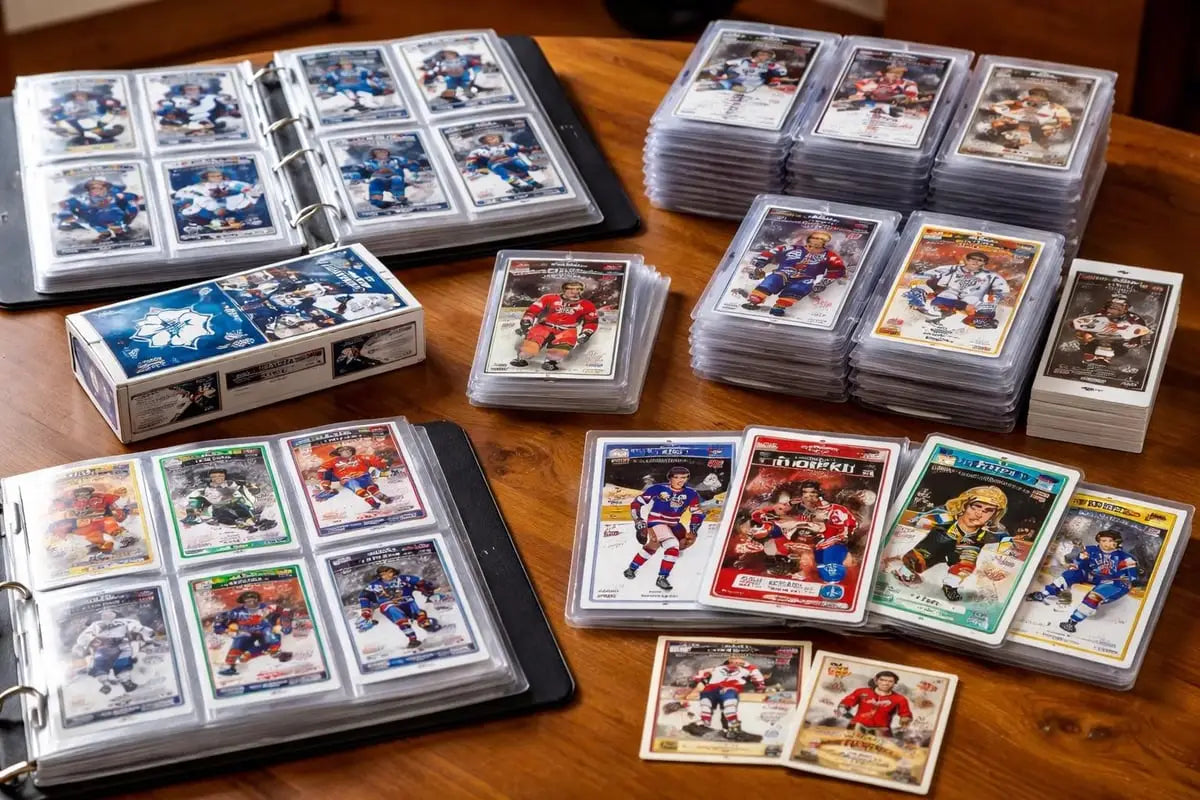
The recent surge in hockey card collecting has brought new participants into the hobby, increasing competition for premium cards while creating more liquid secondary markets. This growth benefits collectors through improved buying and selling opportunities but also drives prices higher for the most desirable items.
Budget Management and Patience
Establishing spending limits prevents the excitement of collecting from creating financial stress. Many successful collectors allocate monthly budgets and track purchases meticulously. Tips for investing in hockey cards emphasize patience and research, discouraging impulsive purchases driven by short-term hype.
Research before buying represents the most valuable habit collectors can develop. Understanding recent sales data through platforms like eBay's sold listings, COMC, and auction house results provides realistic pricing context. Cards experiencing sudden price spikes often return to more sustainable levels, making patient collectors more successful long-term.
Major Hockey Card Brands and Products
The hockey card market features several established manufacturers producing products at various price points and quality levels. Understanding brand positioning helps collectors select products aligned with their goals and budgets.
Upper Deck Dominance
Upper Deck holds exclusive NHL licensing rights, making their products the primary choice for hockey collectors. Their product lines range from affordable retail options to premium releases costing hundreds of dollars per box:
| Product Tier | Price Range | Target Collector | Key Features |
|---|---|---|---|
| Series 1/2 | $80-150/box | Mainstream collectors | Young Guns rookie cards, complete sets |
| SP Authentic | $150-250/box | Mid-range collectors | Future Watch autographs, memorabilia |
| The Cup | $500-800/box | Premium collectors | Low-numbered patches, autographs |
| Ultimate Collection | $300-500/box | High-end collectors | Autographs, premium memorabilia |
The Young Guns subset from Upper Deck Series 1 has become the definitive modern rookie card for NHL players, with values often exceeding those from other product lines. Similar to how collectors explore hobby boxes of baseball cards, hockey enthusiasts must understand product differentiation.
Panini and Historical Brands
While Upper Deck dominates current production, Panini previously held NHL licenses and their older products remain collectible. Vintage brands like O-Pee-Chee, Topps, and Parkhurst produced the classic cards from the 1950s through 1990s that appeal to nostalgic collectors.
O-Pee-Chee cards from the 1970s and 1980s represent the most widely collected vintage hockey cards, with Wayne Gretzky's 1979-80 rookie card standing as the hobby's most iconic piece. These cardboard treasures showcase simpler designs but carry tremendous historical significance.
Authentication and Avoiding Counterfeits
As hockey card values have increased, counterfeit cards have become a serious concern. High-value vintage cards and modern autographs face particular scrutiny, making authentication services essential for significant purchases.
Professional Authentication Services
Third-party authentication provides buyers with confidence when investing in expensive cards:
- PSA/DNA: Authenticates autographs and validates card legitimacy
- JSA (James Spence Authentication): Specializes in autograph verification
- BGS: Combines grading with autograph authentication
- SGC: Focuses on vintage card grading and authentication
These services examine cards using specialized equipment, comparing them against known authentic examples and identifying telltale signs of counterfeiting. While authentication adds upfront costs, it protects against purchasing worthless fakes.
Common counterfeiting red flags include inconsistent printing quality, incorrect card stock thickness, color variations from authentic examples, and suspicious autograph characteristics. Collectors should research specific cards before purchasing and request detailed photos showing card backs, edges, and any unique identifiers.
When focusing on specific franchises, resources about collecting Boston Bruins hockey cards emphasize the importance of authentication for vintage team cards. This principle applies across all teams and eras.
Storage and Preservation Best Practices
Protecting your collection from environmental damage ensures cards maintain condition and value over time. Professional collectors implement comprehensive storage systems addressing multiple risk factors.
Essential Storage Supplies
Building proper storage infrastructure requires initial investment but pays dividends through preserved card quality:
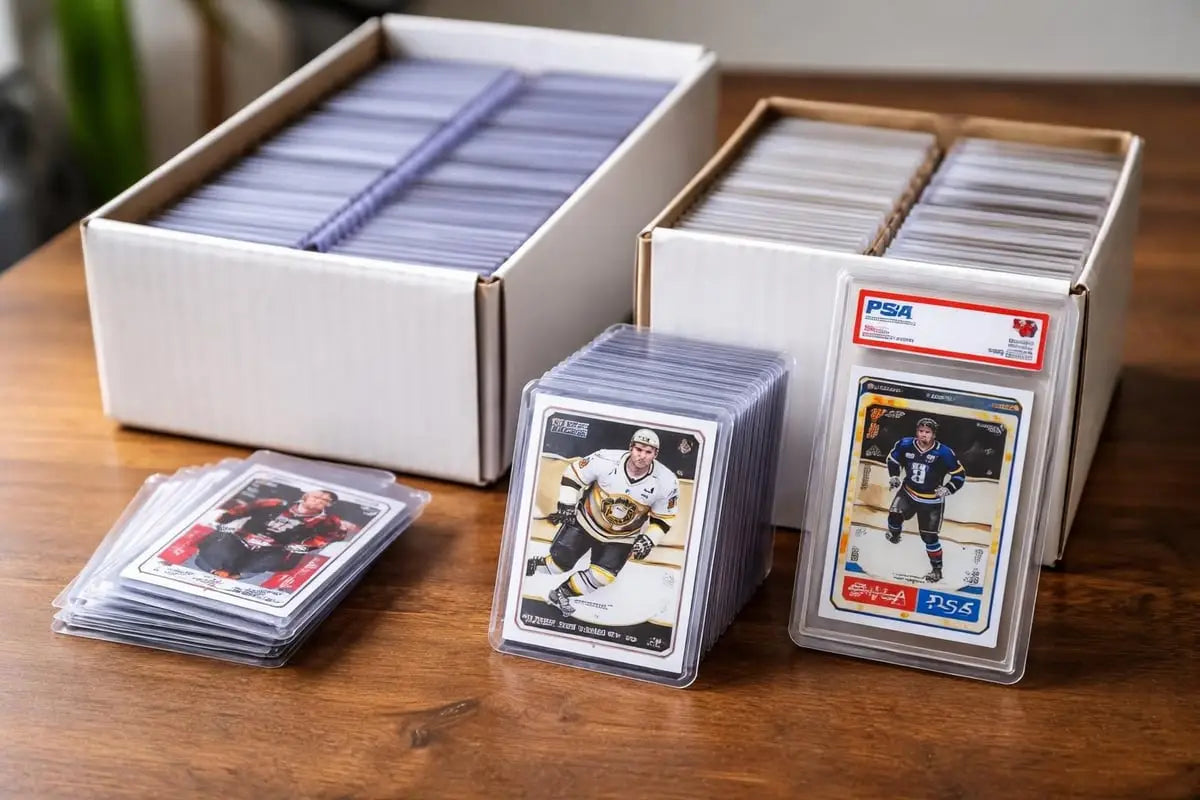
- Penny sleeves: Thin plastic sleeves providing first layer of protection
- Top loaders: Rigid plastic holders for individual card storage
- Card savers: Semi-rigid holders preferred for grading submissions
- Storage boxes: Acid-free cardboard or plastic containers for bulk storage
- Binders with protective pages: Display options for less valuable cards
Never use PVC-based products, as they emit chemicals that damage cards over extended periods. Quality storage products use polypropylene or other inert materials that won't react with cardboard and ink.
Environmental Controls
Temperature and humidity fluctuations pose serious threats to card integrity. Ideal storage conditions maintain 65-70°F temperature with 40-50% relative humidity. Avoid basements prone to flooding, attics experiencing extreme temperature swings, and areas with direct sunlight exposure.
Climate-controlled storage protects against warping, color fading, and adhesive deterioration on memorabilia cards. Collectors with valuable holdings often invest in dedicated storage areas with environmental monitoring equipment.
Market Trends and Investment Considerations
The hockey card market experiences cyclical trends influenced by player performance, generational preferences, and broader economic conditions. Understanding these patterns helps collectors time purchases and sales more effectively.
Recent years have seen increased interest in prospects and young stars, with the best hockey cards to collect often featuring players in their first three NHL seasons. This speculation-driven approach creates volatility, as prospect cards can surge or crash based on NHL success.
Factors Driving Current Market Values
Multiple elements influence hockey card pricing in 2026:
- Player awards and achievements: Hart Trophy winners, Vezina recipients, and milestone accomplishments
- Playoff performance: Stanley Cup champions and playoff MVP awards boost card values
- Scarcity levels: Lower print runs command premiums over mass-produced alternatives
- Grading population reports: Fewer high-grade examples increase competition and prices
- Generational appeal: Cards from collectors' youth often carry nostalgic premiums
Understanding factors that contribute to hockey card rarity helps predict which cards may appreciate over time. Limited production parallels, printing errors, and historically significant cards often outperform standard releases.
When to Buy and Sell
Market timing significantly impacts returns on hockey card investments. Buying during market corrections or before player breakouts maximizes profit potential, while selling during peak hype captures maximum value.
Pre-season represents optimal buying periods as prices often decline without games driving attention. Conversely, playoff runs and award seasons create selling opportunities when demand peaks. Patient collectors who understand these cycles consistently outperform those making emotional decisions.
Connecting With the Collecting Community
The social aspect of card collecting enriches the hobby beyond simple acquisition and storage. Engaging with fellow enthusiasts through various channels provides education, trading opportunities, and shared enthusiasm.
Online Communities and Resources
Digital platforms have revolutionized how collectors interact and transact:
- Trading forums: Blowout Cards, FCB, and Sports Card Forum facilitate discussions and trades
- Social media groups: Facebook groups and Reddit communities share breaks, sales, and information
- YouTube channels: Content creators provide box breaks, market analysis, and collecting tips
- Price tracking tools: 130 Point, Card Ladder, and Market Movers monitor market trends
These resources help collectors stay informed about rare hockey cards entering the market and developing price trends. Active participation builds knowledge and networking opportunities that benefit collectors at all experience levels.
Local Card Shops and Shows
Despite digital growth, physical card shops and conventions remain vital to the hobby. These venues offer opportunities to examine cards personally before purchasing, something online buying cannot replicate. Building relationships with reputable dealers provides access to premium inventory and trustworthy selling channels.
Card shows ranging from small local events to major national conventions attract hundreds or thousands of collectors. These gatherings facilitate networking, enable bulk purchasing at competitive prices, and create excitement through group breaks and special releases.
For collectors seeking reliable sources for building their collections, having access to platforms like TradingCardsMarketplace provides convenient options for discovering available inventory across multiple sellers and product lines. Whether you're pursuing specific team collections, chasing rookie cards, or building complete sets, having access to diverse inventory sources streamlines the acquisition process while ensuring competitive pricing and buyer protection.
Building a meaningful hockey card collection requires balancing passion with practical knowledge about condition, authenticity, and market dynamics. Success comes from establishing clear collecting goals, implementing proper storage practices, and staying informed about industry trends that affect values. Whether you're drawn to vintage legends or contemporary superstars, TradingCardsMarketplace offers the diverse inventory and trusted marketplace environment that helps collectors at every level find the cards that matter most to them.