The derek jeter rookie card represents one of the most sought-after collectibles in modern sports card history. As the legendary New York Yankees shortstop built a Hall of Fame career spanning two decades, his first-year cards have become centerpieces in countless collections. Whether you're a seasoned investor or new to the trading card market, understanding the nuances of Jeter's rookie cards can help you make informed decisions about buying, selling, and preserving these valuable pieces of baseball history.
Understanding Derek Jeter's Rookie Card Landscape
Derek Jeter's rookie cards were released in 1993, capturing the beginning of what would become a storied 20-year career with the Yankees. Unlike some players who have a single definitive rookie card, Jeter appears on multiple 1993 releases, each with distinct characteristics and market values.
The most valuable among these is the 1993 SP Foil, widely regarded as the premium derek jeter rookie card. This card features distinctive foil technology that was innovative for its time, though it also makes the card susceptible to surface damage. Mint condition examples command premium prices because the reflective surface shows even minor imperfections.
The Major Rookie Card Variations
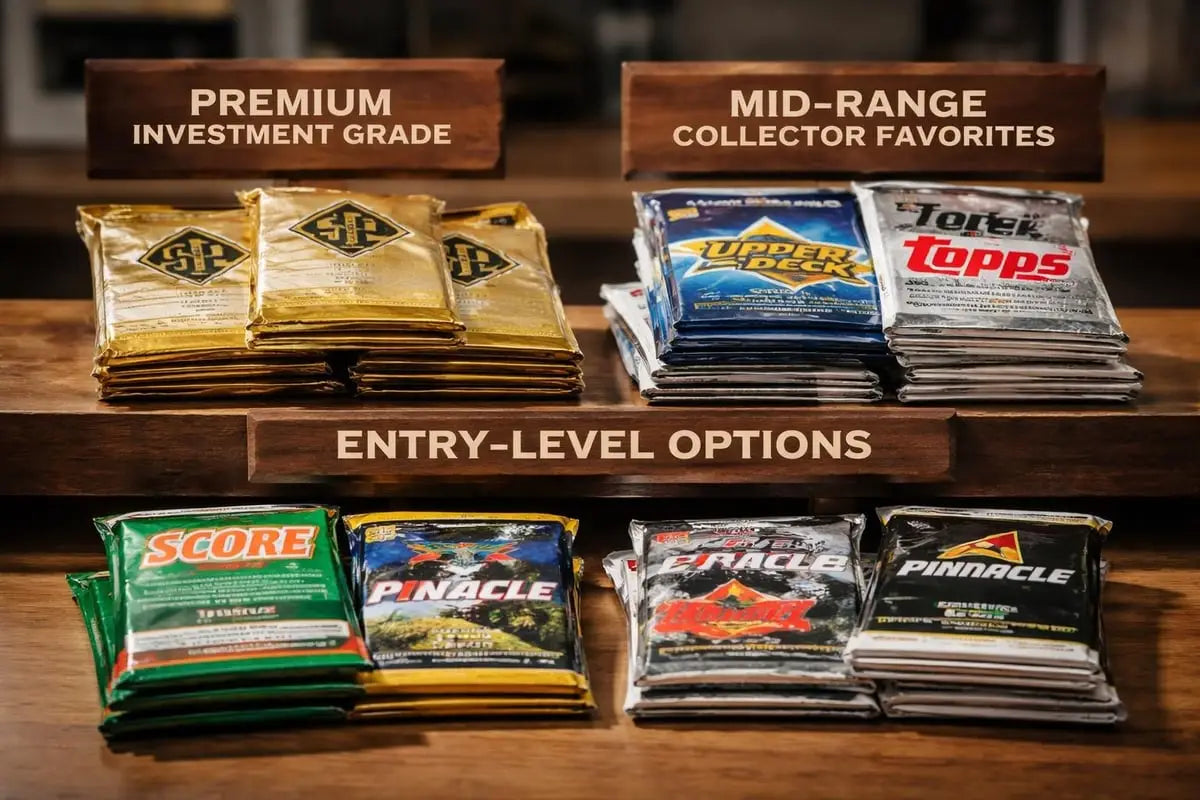
Collectors and investors should familiarize themselves with the primary Jeter rookie cards from 1993:
- 1993 SP Foil (#279) - The crown jewel of Jeter rookies
- 1993 Upper Deck (#449) - Popular choice with strong demand
- 1993 Topps (#98) - Classic flagship set with widespread availability
- 1993 Score (#489) - Budget-friendly entry point for collectors
- 1993 Pinnacle (#457) - Mid-tier option with solid design
- 1993 Bowman (#511) - Traditional favorite among purists
Each variation offers different investment profiles and accessibility for buyers at various price points. The variety of Jeter's rookie cards allows collectors to choose based on budget and investment strategy.
Grading and Its Impact on Value
Professional grading has transformed the trading card industry, and nowhere is this more evident than with high-profile rookie cards. Third-party grading companies like PSA (Professional Sports Authenticator), BGS (Beckett Grading Services), and SGC (Sportscard Guaranty Corporation) authenticate and grade cards on a numerical scale.
For a derek jeter rookie card, grading can mean the difference between a few hundred dollars and tens of thousands. A PSA 10 (Gem Mint) grade represents perfection: sharp corners, perfect centering, pristine surface, and flawless edges. These specimens are exceptionally rare, especially for the SP Foil, which is notoriously difficult to grade highly due to its delicate surface.
Grade Value Comparison
| Grade Level | Condition Description | Value Multiplier | Market Impact |
|---|---|---|---|
| PSA 10/BGS 10 | Gem Mint - Flawless | 10-50x base | Highest demand |
| PSA 9/BGS 9 | Mint - Near perfect | 3-8x base | Strong market |
| PSA 8/BGS 8 | Near Mint-Mint | 1.5-3x base | Solid liquidity |
| PSA 7/BGS 7 | Near Mint | 1-1.5x base | Entry level |
The 1993 Topps #98 Derek Jeter card graded SGC 10 provides an excellent example of how grading affects pricing, with recent market data showing significant premiums for top-tier specimens.
Record-Breaking Sales and Market Trends
The trading card market has witnessed explosive growth in recent years, with Derek Jeter rookie cards participating in this surge. In 2020, a PSA 10 1993 SP Foil Derek Jeter rookie card sold for $99,100, setting a record that captured mainstream media attention and highlighted the investment potential of premium sports cards.
This sale wasn't an isolated incident. The broader market for Jeter's rookies has shown consistent strength, driven by several factors:
Sustained Demand Drivers:
- Jeter's Hall of Fame induction in 2020
- Yankees' massive global fanbase
- Limited supply of high-grade examples
- Growing institutional interest in alternative assets
- Nostalgia factor from 1990s collectors now with disposable income
The most expensive Derek Jeter baseball cards demonstrate how condition, scarcity, and player legacy combine to create significant value. These top-tier sales establish benchmarks that influence the entire market.
Investment Considerations for Collectors
Approaching a derek jeter rookie card as an investment requires the same diligence you'd apply to any asset purchase. Unlike stocks or bonds, trading cards carry unique considerations around authenticity, storage, and market liquidity.
Strategic Acquisition Approaches
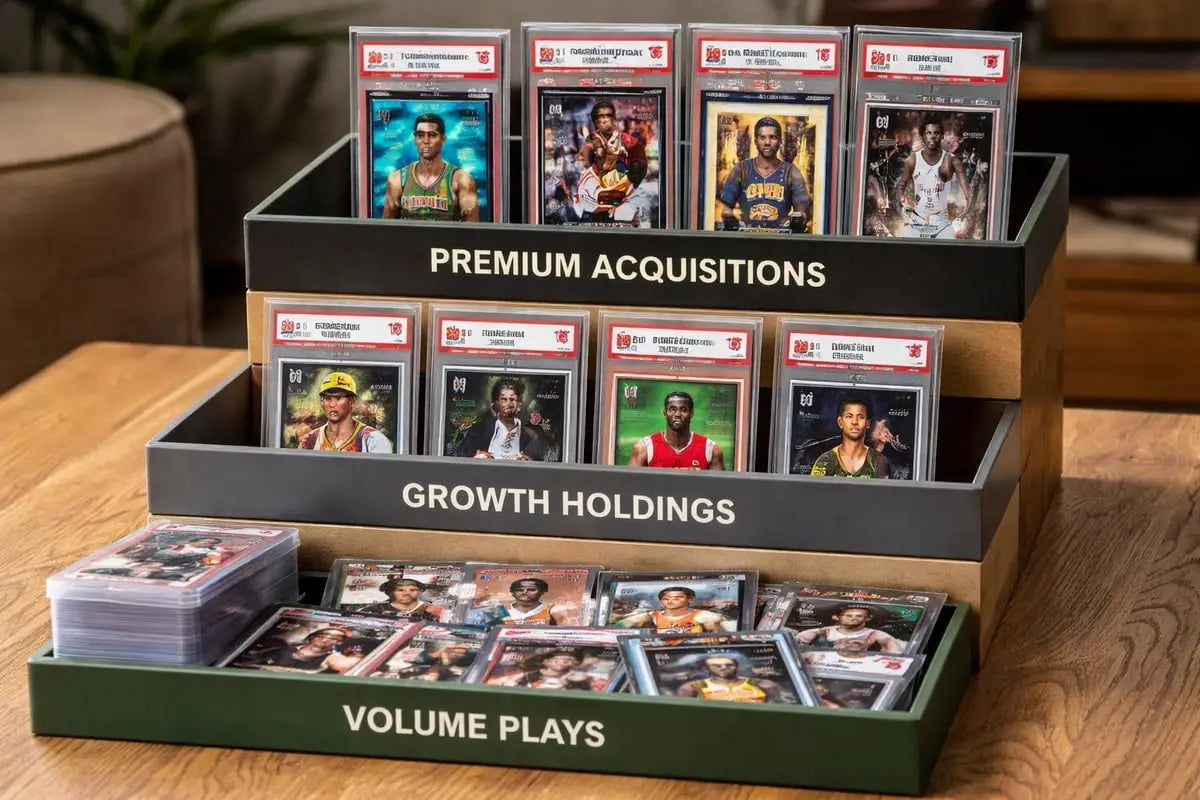
Premium Strategy: Focus exclusively on PSA 10 or BGS 9.5+ examples of the SP Foil. These represent the highest quality tier and historically appreciate most consistently. Entry costs are substantial, often exceeding $50,000 for PSA 10 SP Foils, but liquidity remains strong among serious collectors.
Balanced Approach: Target PSA 9 or BGS 9 examples across multiple variations. The 1993 Upper Deck #449 in high grade offers excellent value proposition with strong collector appeal at more accessible price points than the SP Foil.
Volume Building: Acquire multiple lower-grade examples (PSA 7-8) or even raw cards with strong eye appeal. This strategy requires more storage space and careful selection but allows portfolio diversification within the Jeter rookie market.
Serious collectors should explore marketplace auctions where competitive bidding can sometimes yield favorable acquisition prices compared to fixed-price listings.
Authenticating and Protecting Your Investment
Counterfeit cards represent a persistent challenge in the hobby, particularly for high-value items like premium Jeter rookies. Professional grading provides authentication alongside numerical assessment, offering buyers protection against forgeries.
When purchasing ungraded cards, examine these critical factors:
- Print quality: Authentic 1993 cards have specific dot patterns visible under magnification
- Card stock: Each manufacturer used distinctive paper weight and finish
- Color saturation: Reproductions often show color variations from originals
- Edge characteristics: Original cuts have specific characteristics that counterfeits struggle to replicate
Beyond authentication, proper storage is essential for value preservation. Even graded cards require protection from environmental factors:
| Storage Factor | Recommendation | Why It Matters |
|---|---|---|
| Temperature | 65-70°F constant | Prevents warping and adhesive breakdown |
| Humidity | 35-50% relative | Stops moisture damage and mold |
| Light exposure | Minimal UV | Prevents fading and surface degradation |
| Physical protection | Card savers/holders | Guards against scratches and impact |
Graded cards in their sealed holders provide excellent protection, but they still benefit from secondary storage in climate-controlled environments away from direct sunlight.
Market Dynamics and Timing Considerations
The trading card market operates with seasonal patterns and event-driven fluctuations that savvy collectors can leverage. Derek Jeter rookie card prices typically spike around specific catalysts:
High-Demand Periods:
- Hall of Fame induction anniversaries
- Yankees playoff runs and championships
- Major sports card conventions and shows
- End-of-year holiday buying season
- Tax refund season (February-April)
Conversely, summer months often see softened demand as collectors focus on outdoor activities and family vacations. Strategic buyers may find better opportunities during these quieter periods.
Understanding what Derek Jeter rookie cards are worth requires monitoring recent sales data, not just listing prices. Actual transaction values provide accurate market assessment, while asking prices may reflect seller optimism more than true market value.
Comparing Across the 1993 Rookie Class
While Jeter dominates the 1993 baseball card market, he shares that rookie class with other notable players. Understanding comparative values helps contextualize Jeter's position:
1993 Rookie Class Market Leaders:
- Derek Jeter (Yankees) - Premium tier
- Jason Giambi (Athletics) - Mid-tier value
- Mike Piazza (Dodgers) - Strong but separate market
- Jim Thome (Indians) - Solid collector interest
Jeter's cards command significant premiums over his classmates, reflecting both his career achievements and the Yankees' brand power. This price differential has widened over time as Jeter's legacy solidified with Hall of Fame induction and continued media presence.
The marketplace for baseball team collectibles demonstrates how team affiliation influences card values, with Yankees items consistently commanding premium prices across player eras.
Building a Jeter Collection Strategy
Collectors approach derek jeter rookie card acquisition with varying goals. Some focus on completion, seeking all major variations. Others prioritize condition, targeting only the highest-graded examples. Still others view these cards primarily as financial investments within alternative asset portfolios.
Collection Building Pathways
Completionist Approach: Acquire all recognized 1993 Jeter rookie cards regardless of grade. This strategy emphasizes variety over condition, creating a comprehensive showcase of the player's first-year cards. Budget requirements range from moderate to substantial depending on grade expectations.
Quality-Focused Strategy: Purchase fewer cards but only in exceptional condition. A single PSA 10 SP Foil provides more prestige and potentially better investment returns than multiple lower-grade variations combined.
Set Registry Participation: Join PSA or BGS set registry programs that rank collections based on card grades and completion. This competitive element adds community engagement to collecting while potentially increasing resale value for complete, high-grade sets.
Regardless of approach, maintaining detailed records of purchases, including transaction dates, prices, and seller information, proves valuable for insurance purposes and eventual sales. The order management tools available through professional marketplaces help collectors track their portfolio effectively.
Future Outlook and Long-Term Potential
Predicting future values for any collectible involves uncertainty, but several factors suggest continued strength for premium Jeter rookie cards. His Hall of Fame status provides permanent historical significance, while the finite supply of high-grade examples creates scarcity economics.
The broader alternative investment landscape has embraced trading cards as a legitimate asset class. Institutional platforms now facilitate fractional ownership of expensive cards, potentially expanding the buyer pool for six-figure specimens. This increased liquidity and accessibility could support higher valuations over time.
However, collectors should maintain realistic expectations. The explosive growth of 2020-2021 represented an exceptional period driven by pandemic-related factors, stimulus spending, and speculative enthusiasm. More moderate appreciation rates appear likely in the intermediate term as the market matures and normalizes.
Positive Long-Term Indicators:
- Generational nostalgia as 1990s collectors reach peak earning years
- Limited production of true rookie cards in modern sets
- Jeter's continued media presence and brand partnerships
- Yankees' sustained global fanbase and market reach
- Growing international interest in American sports collectibles
Potential Headwinds:
- Economic recession reducing discretionary spending
- Generational preference shifts toward digital collectibles
- Market saturation at premium price points
- Authentication concerns affecting buyer confidence
Monitoring market resources like the SGC 9-graded 1993 Topps #98 price guide provides ongoing insight into value trends and market sentiment across different grade levels.
Navigating the Buying and Selling Process
Whether acquiring or liquidating a derek jeter rookie card, understanding marketplace dynamics ensures optimal outcomes. Online platforms, local card shops, and auction houses each offer distinct advantages and considerations.
Online marketplaces provide broad reach and competitive pricing but require careful seller vetting. Established platforms with buyer protection programs reduce transaction risk. Physical card shops offer immediate assessment and payment but may not match online pricing for premium items. Major auction houses deliver maximum exposure for six-figure cards but charge substantial seller fees.
For buyers, patience often yields better results than impulsive purchases. Setting price alerts and monitoring market trends helps identify favorable entry points. Sellers benefit from timing listings around high-demand periods and presenting cards with professional photography and detailed condition descriptions.
Working with reputable sellers through established platforms like TradingCardsMarketplace provides transaction security and access to verified inventory across various price points and condition levels.
Derek Jeter rookie cards represent both nostalgic collectibles and serious investment vehicles for baseball card enthusiasts. Understanding the variations, grading impact, market dynamics, and authentication requirements empowers collectors to make informed decisions aligned with their goals and budgets. Whether you're seeking a single premium specimen or building a comprehensive collection, TradingCardsMarketplace offers the selection, expertise, and secure transaction environment to support your collecting journey with confidence.