The world of basketball trading cards has evolved from simple cardboard collectibles into a sophisticated investment market where individual cards can command six or seven-figure price tags. Whether you're a seasoned collector seeking rare Michael Jordan rookies or a newcomer interested in current NBA stars, understanding the nuances of this dynamic market is essential for building a valuable collection. From grading standards to market trends, the basketball card industry continues to captivate enthusiasts and investors alike.
The Evolution of Basketball Trading Cards
Basketball trading cards emerged as promotional items in the early 20th century, but the modern era truly began with sets from Topps and Fleer in the 1980s. The release of the 1986-87 Fleer set, featuring Michael Jordan's iconic rookie card, transformed the hobby from casual collecting into serious investing.
Throughout the 1990s, manufacturers like Upper Deck, Skybox, and Stadium Club introduced premium products with enhanced photography and innovative card designs. These companies created tiered product lines ranging from affordable base sets to high-end releases featuring autographs and memorabilia cards.
The digital age has revolutionized how collectors buy, sell, and authenticate their cards:
- Online marketplaces expanded access to global inventory
- Digital price guides provided real-time valuation data
- Social media communities enabled knowledge sharing and networking
- Live breaking sessions created new acquisition methods
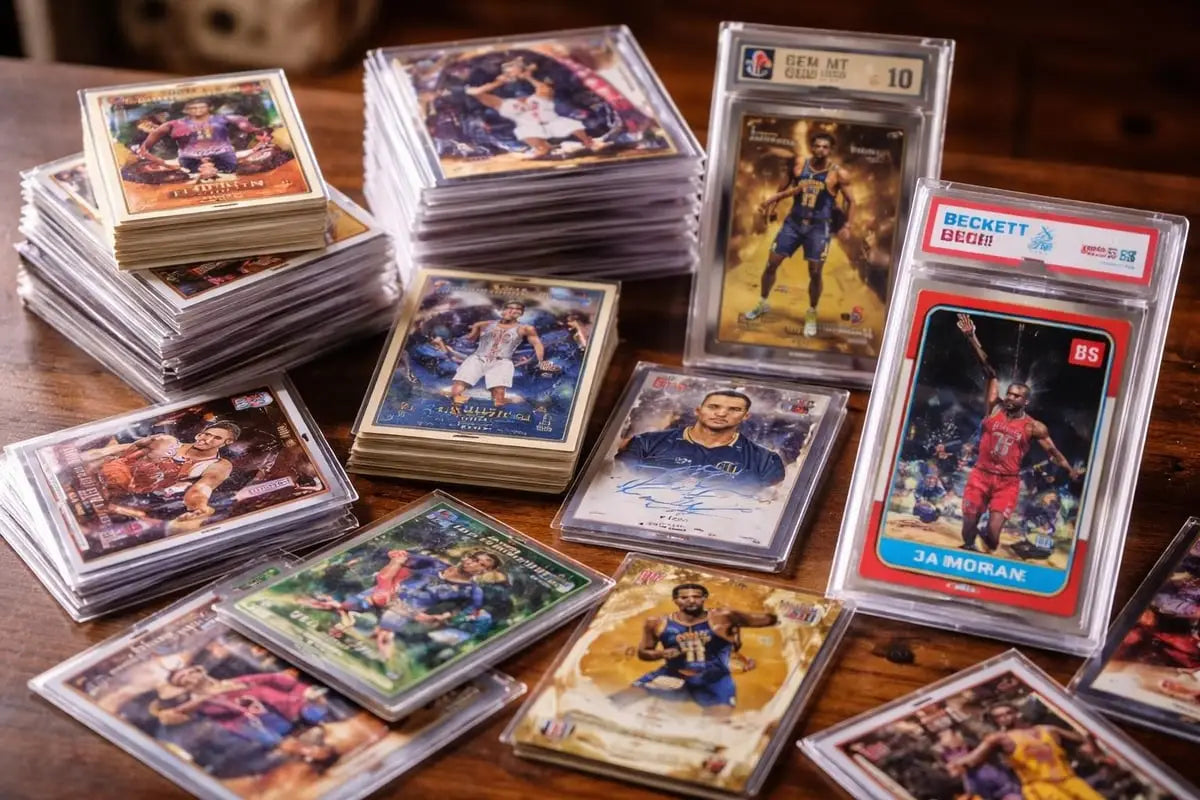
The past decade witnessed unprecedented growth as basketball trading cards attracted mainstream attention. High-profile auction results and celebrity collectors brought new participants into the market, driving demand for both vintage legends and contemporary stars.
Understanding Card Values and Market Dynamics
Determining the worth of basketball trading cards requires analyzing multiple interconnected factors. Player performance remains the primary driver, as on-court success directly correlates with card demand. Championships, MVP awards, and All-Star selections typically boost values significantly.
Key Valuation Factors
Card condition stands as perhaps the most critical element in pricing. Professional grading services like PSA, BGS, and SGC evaluate cards on a numerical scale, with higher grades commanding substantial premiums. A PSA 10 card might sell for ten times more than the same card in PSA 8 condition.
Rarity determines scarcity within the market. Limited print runs, serial numbering, and special parallels create tiered availability. Autographed cards and game-worn memorabilia pieces typically carry enhanced value due to their unique nature.
Factors influencing basketball card values extend beyond the card itself to encompass broader market conditions, including economic trends, generational preferences, and media coverage. Understanding these dynamics helps collectors make informed acquisition decisions.
| Factor | Impact Level | Considerations |
|---|---|---|
| Player Performance | Very High | Current season stats, career trajectory, playoff success |
| Card Condition | Very High | Centering, corners, edges, surface quality |
| Rarity | High | Print run, serial numbering, insert odds |
| Manufacturer | Medium | Brand reputation, product tier, release year |
| Market Trends | Medium | Economic conditions, hobby popularity, demographics |
The emergence of young stars creates speculative opportunities where collectors invest in rookies before their careers fully develop. This strategy carries higher risk but offers potential for significant returns when players achieve superstar status.
Professional Grading and Authentication
Professional grading protects collectors from counterfeits while providing standardized condition assessment. Third-party grading companies examine cards under controlled conditions, assign numerical grades, and encapsulate them in tamper-evident holders.
The grading process evaluates four primary components:
- Centering measures border uniformity and image positioning
- Corners examines sharpness and absence of wear
- Edges assesses smoothness and chipping
- Surface inspects for scratches, print defects, and staining
Submitting cards for grading involves costs ranging from $20 to several hundred dollars per card depending on service level and declared value. Collectors must weigh grading fees against potential value increases to ensure economic viability.
Authentication services verify autographed cards through signature analysis and chain-of-custody documentation. Reputable companies maintain databases of authentic signatures and employ experts trained in detecting forgeries.
Building a Strategic Collection
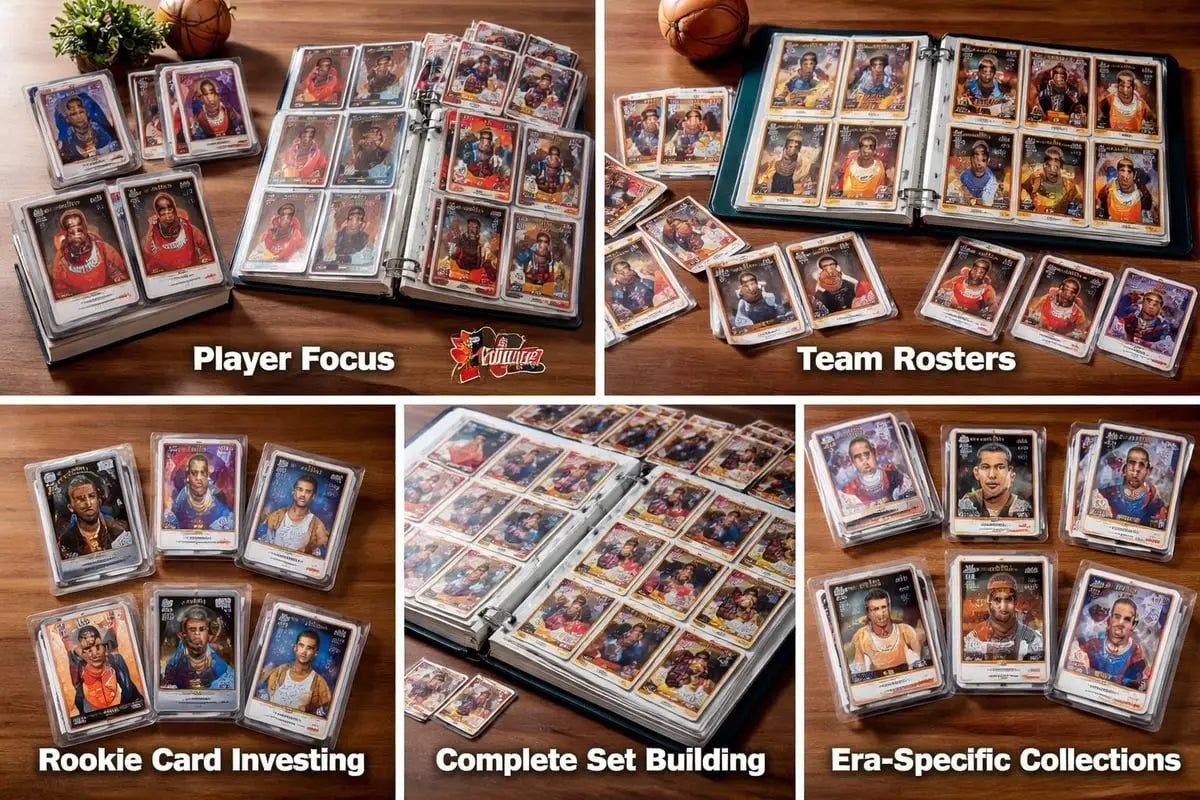
Successful collecting requires clear objectives and disciplined execution. Some collectors focus on specific players, building comprehensive "player collections" that include various card types and years. Others pursue complete sets, team collections, or thematic groupings based on personal interests.
Budget allocation determines acquisition strategies and collection scope. Establishing spending limits prevents emotional purchases while maintaining financial responsibility. Many collectors dedicate fixed monthly amounts toward their hobby, balancing immediate desires with long-term goals.
Acquisition Methods
Modern collectors access inventory through multiple channels, each offering distinct advantages. Online marketplaces provide extensive selection and competitive pricing, though they require vigilance regarding seller reputation and return policies. TradingCardsMarketplace offers curated selections with authentication guarantees, simplifying the buying process for both novice and experienced collectors.
Card shows enable in-person examination before purchase while fostering community connections. Dealers often negotiate prices, particularly for multiple-card purchases. Breaking sessions, where participants purchase spots in unopened product, offer lottery-like excitement with potential for significant hits.
Storage and preservation protect collection value over time. Proper supplies including penny sleeves, top loaders, and climate-controlled environments prevent deterioration. Organizational systems using categorization and inventory management software help track holdings and identify gaps.
Current Market Trends and Future Outlook
The basketball card market experienced explosive growth between 2020 and 2022, with record-breaking sales and unprecedented participation. While the market has moderated from peak prices, sustained interest indicates long-term viability beyond speculative bubbles.
Trading card trends shaping collecting in 2026 include technological integration, expanded international participation, and environmental consciousness among manufacturers. Digital integration through NFTs and blockchain verification represents emerging frontiers, though physical cards retain dominant market share.
Current trends influencing the basketball card landscape:
- Increased focus on international players reflecting global NBA talent
- Premium products commanding higher retail prices with enhanced content
- Fractional ownership platforms enabling investment in high-value cards
- Sustainability initiatives using eco-friendly materials and packaging
Women's basketball cards have gained recognition as the WNBA's popularity surges. Stars like Caitlin Clark and Angel Reese attract collector attention, creating new market segments with growth potential. All basketball teams offer diverse collecting opportunities beyond traditional NBA focus.
Grading population reports influence scarcity perception by documenting how many examples exist in each grade. Low population counts for high grades create competitive bidding situations, particularly for iconic cards. Collectors monitor these reports when evaluating acquisition opportunities.
Navigating the Modern Marketplace
Successfully participating in today's basketball trading cards market requires knowledge, patience, and strategic thinking. Market research through price databases, completed sales data, and community forums provides essential information for informed decisions.
Price Research Resources
Multiple platforms track basketball card values through algorithmic analysis of completed transactions. These tools aggregate data from auctions, private sales, and marketplace listings to generate estimated values. However, condition variations and market volatility mean actual sale prices may differ from published guides.
Understanding basketball card value in today's market requires recognizing the distinction between asking prices and actual sales. Cards frequently list at optimistic prices without finding buyers, so reviewing sold data provides more accurate market assessment than current listings.
| Research Tool | Strengths | Limitations |
|---|---|---|
| Price Guides | Historical context, broad coverage | Lag time, condition variability |
| Auction Results | Verified sales, competitive market | Selection bias toward premium cards |
| Marketplace Data | Current listings, availability | Asking vs. selling price discrepancy |
| Community Forums | Real-world experience, trend spotting | Anecdotal evidence, opinion-based |
Timing significantly impacts both buying and selling success. Player performance surges create short-term demand spikes, while off-season periods may offer acquisition opportunities at lower prices. Monitoring the NBA calendar helps collectors anticipate market movements.
Rookie Cards and Investment Potential
Rookie cards represent players' first officially licensed trading cards and typically command premium prices compared to subsequent releases. The rookie card designation holds special significance in collecting culture, making these cards centerpieces of player collections.
Modern products include multiple rookie card variations through base cards, numbered parallels, autographs, and memorabilia versions. This proliferation creates different investment tiers where collectors choose between affordable base rookies and expensive premium versions.
Evaluating rookie card investment potential involves:
- Analyzing player position and playing style for longevity
- Assessing draft position and team situation
- Monitoring early career performance and development trajectory
- Considering market saturation from excessive product releases
First-year players generate speculation as collectors attempt to identify future superstars before prices escalate. This approach requires accepting that most players never achieve elite status, meaning many rookie investments depreciate rather than appreciate.
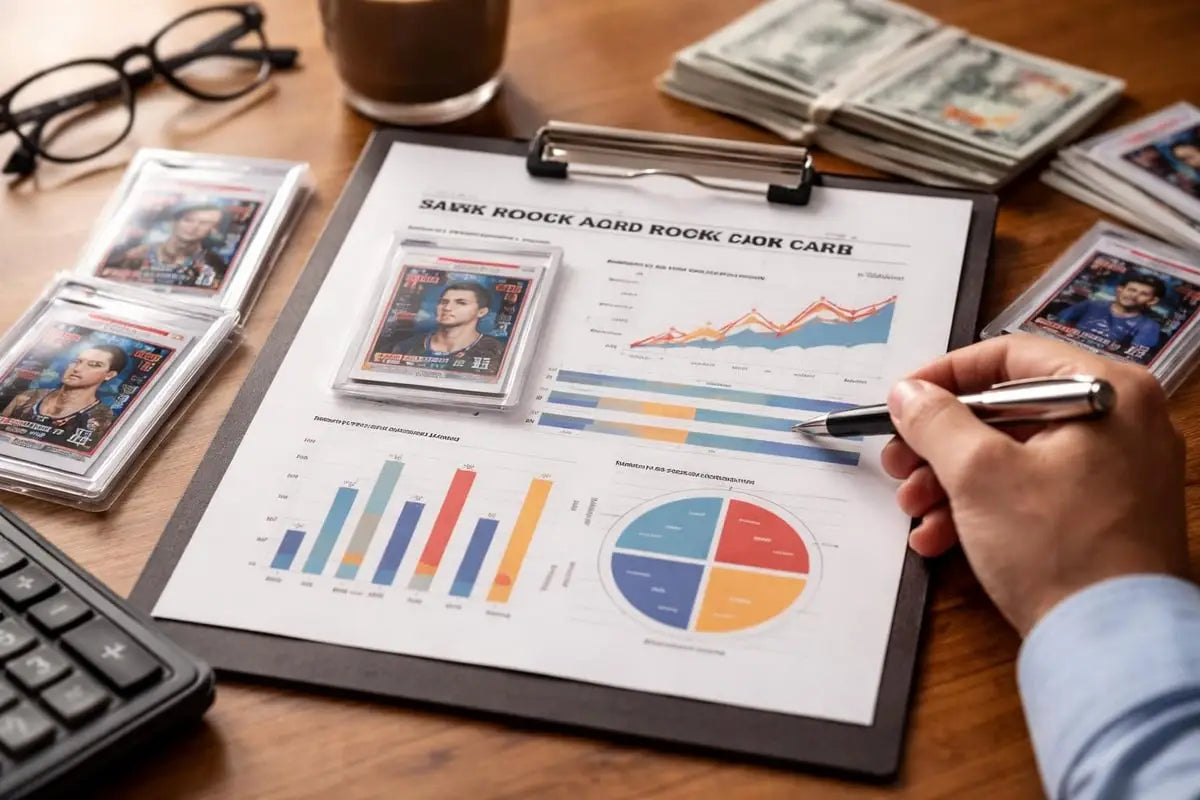
Established veterans offer stability compared to speculative rookies. Hall of Fame players and championship winners maintain consistent demand, providing portfolio balance. Diversifying across player tiers and career stages manages risk while maintaining growth potential.
Protecting Your Investment
Security measures safeguard both physical cards and financial investments. Insurance policies specifically designed for collectibles protect against theft, damage, and loss. Documentation including purchase receipts, grading certificates, and inventory lists supports claims when necessary.
Safe storage prevents environmental damage from humidity, temperature fluctuation, and light exposure. Professional collectors invest in climate-controlled storage solutions, though careful attention to basic preservation principles suffices for most collections.
Digital documentation through photography and database management creates recovery tools if physical loss occurs. Regular inventory audits verify holdings and identify any discrepancies requiring investigation.
Determining collection worth involves periodic valuation assessments reflecting market changes. Tracking acquisition costs against current values informs portfolio management decisions and insurance coverage adjustments.
Authentication and Counterfeit Prevention
The basketball card market's profitability attracts counterfeiters who produce fake cards and altered items. Learning authentication techniques protects collectors from fraudulent purchases that undermine collection value and personal finances.
Examining card stock, printing quality, and specific details helps identify suspicious items. Authentic vintage cards display characteristics consistent with original manufacturing methods, while counterfeits often reveal subtle discrepancies under close inspection.
Third-party grading provides authentication alongside condition assessment, offering dual protection. Graded cards carry presumption of authenticity, though even grading companies occasionally make mistakes requiring vigilant secondary verification.
Purchasing from reputable sellers with established track records reduces counterfeit risk. Seller ratings, return policies, and authentication guarantees provide protection when buying high-value basketball trading cards. Valuing basketball cards includes confirming authenticity before committing to purchases.
Product Selection and Release Calendars
Basketball card manufacturers release numerous products annually, each targeting different collector segments through price points and content. Understanding product hierarchies helps collectors allocate budgets effectively and identify suitable options for their objectives.
Product categories include:
- Retail products sold through mass merchants at accessible prices
- Hobby exclusive products distributed through specialty shops with enhanced content
- Ultra-premium products featuring substantial autograph and memorabilia content
- Value products offering affordable entry points for budget-conscious collectors
Release calendars dictate when new products become available, creating anticipation and demand cycles. Major releases around draft season, season opening, and playoff periods attract maximum attention and participation.
Choosing NBA trading cards involves evaluating product specifications including configuration, hit rates, and checklist composition. Manufacturer reputation and historical product performance inform selection decisions among competing options.
Product reviews from breaking channels, collector forums, and industry publications provide insights into value propositions and potential pitfalls. Researching before purchase prevents disappointment and maximizes acquisition efficiency.
Community Engagement and Resources
The basketball card community offers knowledge sharing, trading opportunities, and social connections that enhance the collecting experience beyond simple accumulation. Participating in online groups, local clubs, and industry events creates networks supporting hobby growth.
Social media platforms host active communities where collectors showcase acquisitions, discuss market trends, and arrange transactions. These spaces democratize access to information previously limited to industry insiders and established dealers.
Comprehensive guides to basketball trading cards consolidate information for collectors seeking foundational knowledge and advanced strategies. Educational resources accelerate learning curves and help avoid common beginner mistakes.
Trading with other collectors facilitates collection improvement without monetary transactions. Finding collectors with complementary needs creates mutually beneficial exchanges that satisfy both parties while building relationships.
Industry publications and podcasts deliver news, analysis, and expert commentary keeping collectors informed about market developments. Subscription services offer premium content including market reports and investment recommendations.
Long-Term Collecting Strategies
Sustainable collecting balances enjoyment with financial responsibility, treating cards as both personal passion and potential investments. Setting realistic expectations prevents disappointment while maintaining hobby satisfaction.
Portfolio diversification across players, eras, and price points manages risk inherent in collectible markets. Concentration in single players or products creates vulnerability to performance declines or market corrections affecting specific segments.
Long-term success factors include:
- Continuous education about market dynamics and product offerings
- Disciplined budgeting preventing financial overextension
- Patience waiting for optimal buying and selling opportunities
- Flexibility adapting strategies as markets and interests evolve
- Documentation supporting tax obligations and insurance claims
Exit strategies deserve consideration even when collecting primarily for enjoyment. Understanding liquidation options including auctions, consignment, and direct sales prepares collectors for eventual portfolio transitions.
Generational collecting creates legacy value where collections pass to children or family members. Organizing and documenting holdings facilitates these transfers while preserving collection integrity and educational value.
Building a meaningful basketball trading cards collection combines knowledge, strategy, and passion for the sport and its players. Whether pursuing vintage legends or investing in contemporary stars, informed decision-making protects your investment while maximizing enjoyment. TradingCardsMarketplace provides the expertise, selection, and authentication you need to confidently build your collection, offering trusted access to quality basketball trading cards backed by industry knowledge and customer service excellence.