Baseball card collecting is entering a new era, and the thrill of finding baseball cards in a box has never been greater. With interest soaring among both newcomers and seasoned collectors, it is the perfect time to explore the excitement and value hidden in each sealed pack. Imagine the rush of uncovering rare cards, completing sets, and joining a vibrant community that shares your passion.
This comprehensive guide will walk you through every aspect of collecting, from understanding box types to storage, expert tips for maximizing value, and the hottest 2026 trends. Get ready to master the art of box collecting at every level.
Understanding Baseball Card Boxes: Types and Configurations
Baseball cards in a box are the foundation of modern collecting, offering excitement, variety, and the thrill of discovery with every sealed package. For both seasoned enthusiasts and newcomers, understanding the types and configurations of these boxes is essential for building a valuable and enjoyable collection.
What Is a Box in Baseball Card Collecting?
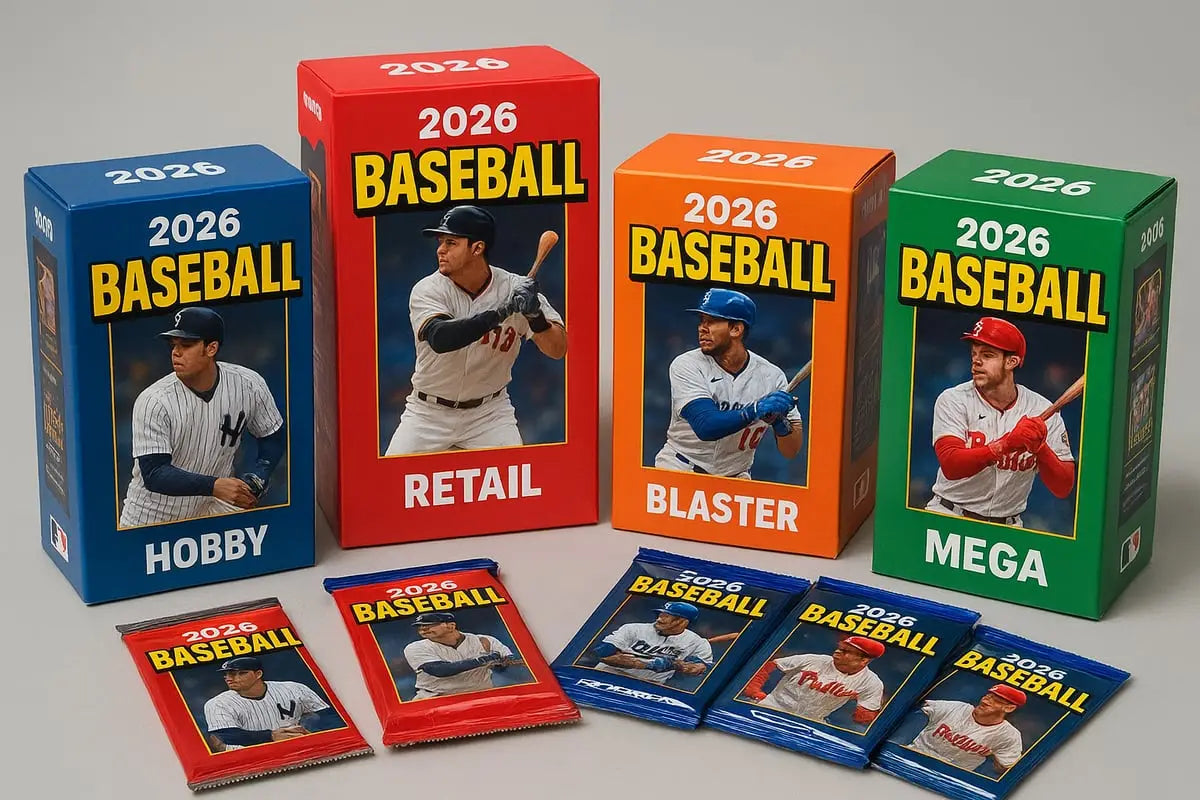
A "box" in the world of baseball cards in a box refers to a sealed container of multiple card packs, typically from a single product line and release year. Collectors and investors often seek out boxes because they contain the possibility of pulling rare cards, autographs, or exclusive inserts that are not available in individual packs. There are several main types of boxes, each designed for different collecting goals and budgets.
Types of Boxes: Hobby, Retail, Blaster, and Mega
The variety of baseball cards in a box is reflected in the types available:
| Box Type | Packs per Box | Cards per Pack | Exclusive Features |
|---|---|---|---|
| Hobby | 12–36 | 8–14 | Guaranteed hits, rare inserts |
| Retail | 8–24 | 5–12 | Retail-only parallels |
| Blaster | 5–12 | 4–8 | Affordable, bonus inserts |
| Mega | 10–20 | 5–10 | Special parallels, extra packs |
Hobby boxes are prized for their high-end content and better odds for autographs or memorabilia cards. Retail boxes, often found in big-box stores, may offer exclusive parallels. Blaster and mega boxes are designed for affordability and accessibility, making them popular entry points for collectors.
Configurations: Packs, Inserts, and Guaranteed Hits
Configurations for baseball cards in a box vary by brand and product line. A standard box might contain 24 packs with 8 cards each, while premium releases may feature fewer packs but guarantee autographed or relic cards. Look for:
- Guaranteed hits: Autographs, memorabilia, or rare inserts included in hobby boxes.
- Special inserts: Parallels, short prints, and case hits.
- Pack and card counts: Impact the total number of cards and your odds for valuable pulls.
Collectors should always review product checklists to understand what each box offers before making a purchase.
Popular Brands and 2026 Market Trends
Top brands producing baseball cards in a box for 2026 include Topps Series 1, Bowman Chrome, and Panini Prizm. These brands are known for their innovative inserts, quality control, and strong resale value. Limited-run anniversary sets and exclusive parallels are driving demand this year.
Recent Sports Trading Card Market Trends show a surge in box sales, with hobby boxes leading the market in both price and popularity. Average hobby box prices have increased by 15 percent since 2024, reflecting the growing interest in sealed products and the chase for rookie cards and unique inserts.
Pros and Cons of Buying Boxes vs. Packs or Sets
When considering baseball cards in a box, weigh these factors:
Pros:
- Higher odds of rare inserts and autographs
- Excitement of opening multiple packs at once
- Potential long-term investment value
Cons:
- Higher upfront cost compared to single packs
- No guarantee of pulling high-value cards
- Risk of duplicate cards within a box
Buying complete sets offers certainty, but lacks the thrill and potential upside of opening sealed boxes.
How Box Types Influence Collecting Strategy
Your approach to collecting baseball cards in a box should match your goals. Hobby boxes are ideal for those seeking rare hits and investment potential, while blaster and retail boxes suit casual collectors or those building sets on a budget. Mega boxes offer a balance of affordability and exclusive content. The type of box you choose will shape your collecting experience, influence your odds for valuable pulls, and determine the best strategies for storage, grading, and resale.
Key 2026 Baseball Card Box Releases and Trends
The landscape for baseball cards in a box is evolving rapidly, with 2026 shaping up to be a landmark year for collectors and investors alike. Exciting new releases, innovative features, and changing market dynamics are redefining what it means to build a truly exceptional collection.
Notable 2026 Product Releases
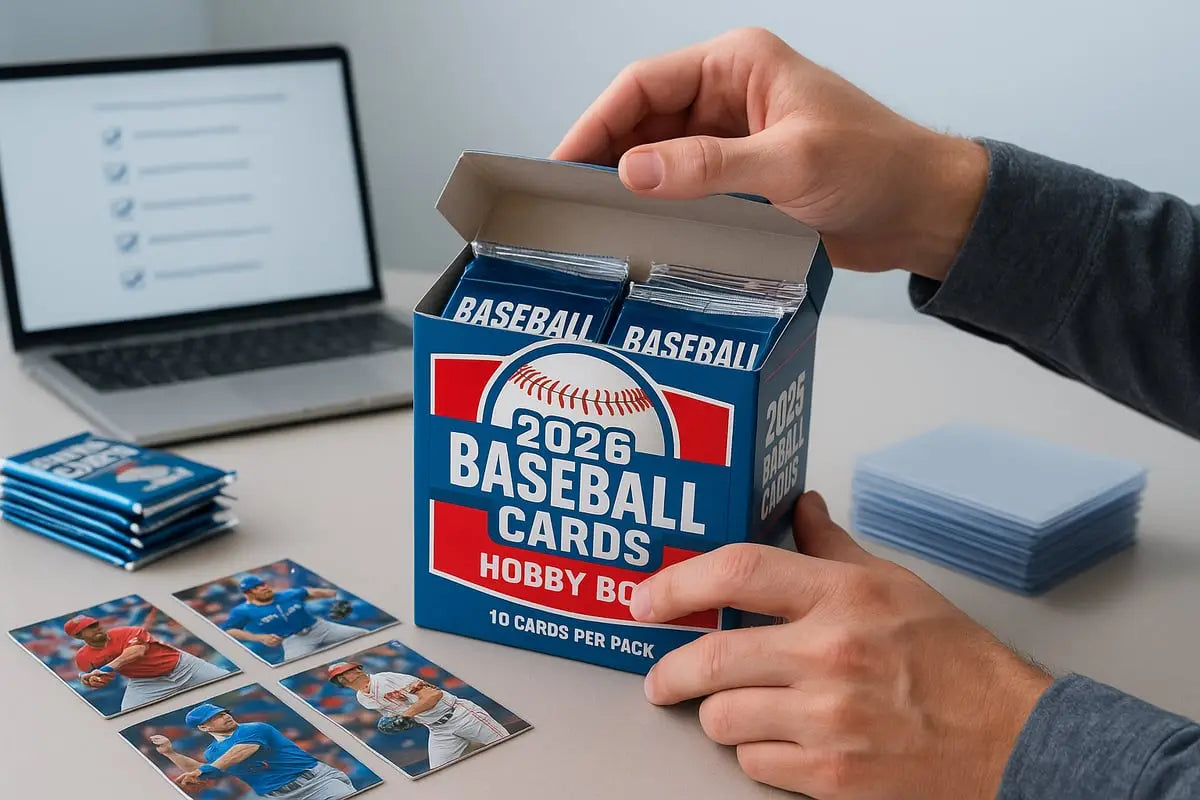
Collectors seeking baseball cards in a box this year will notice several headline-grabbing products. Leading brands like Topps, Bowman, and Panini are rolling out flagship sets with a fresh twist for 2026. Topps Series 1 is once again at the forefront, featuring expanded rookie checklists and commemorative inserts celebrating baseball milestones.
Special anniversary editions are a highlight, offering exclusive parallels and limited-run cards that drive pre-order demand. Bowman Chrome continues to attract prospect hunters, while Panini Prizm introduces new color parallels and a revamped autograph lineup. Across these brands, sealed boxes often include guaranteed hits such as autographs or memorabilia cards, fueling excitement with every unboxing.
The influence of the 2026 rookie class is significant. Stellar debuts and anticipated call-ups are shaping which baseball cards in a box become most sought after. Major league events, like international series and all-star games, inspire themed inserts and short prints. Collectors are closely watching pre-order pricing trends, with some releases already commanding premium prices due to projected scarcity and collector hype.
Emerging Trends in Box Collecting
Innovation is transforming the experience of collecting baseball cards in a box. Digital integration is at the forefront, with QR codes and digital redemption cards offering seamless access to exclusive online content. NFT tie-ins are growing more common, allowing collectors to own both physical and digital versions of their favorite cards.
Sustainability has become a priority for leading brands. Eco-friendly packaging and responsible production practices are being introduced to reduce environmental impact, appealing to collectors who value green initiatives. Parallel cards and serial-numbered inserts are more prominent than ever, giving each box a unique chase element and increasing the thrill of the hunt.
Group box breaks are surging in popularity, both in-person and through online communities. These events foster camaraderie and create opportunities to share the excitement of opening baseball cards in a box with fellow enthusiasts. Online forums and live streams make it easier than ever to connect with other collectors, discuss recent pulls, and stay informed about market trends.
Collector preferences are shifting toward vintage-inspired designs and player-focused sets, blending nostalgia with modern innovation. The drive for unique inserts, creative artwork, and story-driven content is reshaping the types of boxes that gain traction in 2026. For further insight on this year's most influential trends, check out the analysis at 8 Baseball Card Storylines To Follow In 2026.
Manufacturers are also experimenting with new box configurations and guaranteed content, making baseball cards in a box more accessible and rewarding. These innovations, compared to previous years, are elevating the experience for both seasoned collectors and newcomers. As the hobby continues to expand, expect even more ways to enjoy and invest in baseball cards in a box throughout 2026.
How to Buy Baseball Card Boxes in 2026
Buying baseball cards in a box can be exciting and rewarding, but the process has evolved significantly for 2026. Understanding where to shop and how to verify authenticity is essential for collectors at every level. Let us break down the main steps to ensure you make informed decisions and maximize your collecting experience.
Where to Buy: Retailers and Online Marketplaces
There are several reliable options for purchasing baseball cards in a box in 2026. Local card shops remain a favorite for collectors who value personal service, instant access, and the ability to inspect boxes before purchase. These shops often host community events, provide expert advice, and may even offer discounts for regular customers.
Big-box retailers, such as national chain stores, also stock a variety of baseball cards in a box. These locations are convenient and frequently replenish inventory, but selection can be limited, and boxes often sell out quickly, especially after major releases.
Online stores and marketplaces have grown rapidly, offering extensive selections and the convenience of shopping from home. These platforms provide access to both current releases and older boxes. However, buyers must be vigilant about authenticity and seller reputation.
| Buying Channel | Pros | Cons |
|---|---|---|
| Local Card Shops | Inspect before buying, expert advice | Limited hours, smaller selection |
| Big-Box Retailers | Convenience, frequent restocks | Sells out quickly, less variety |
| Online Marketplaces | Wide selection, easy comparison | Risk of fakes, shipping costs |
When choosing where to buy, always consider the reputation of the seller and check for customer reviews. Trusted platforms make it easier to find authentic baseball cards in a box, and some even offer buyer protection policies.
What to Look For When Buying
When shopping for baseball cards in a box, authenticity should be your top priority. Look for security seals, intact shrink wrap, and proper branding on the packaging. Avoid boxes with signs of tampering, such as loose wrapping or mismatched labels.
Timing your purchase is key. Release calendars are announced months in advance, and buying early can secure better prices or access to limited editions. Compare prices across multiple sources to ensure you are getting a fair deal, and watch for seasonal promotions or pre-order specials.
Be cautious of red flags that could indicate a scam:
- Prices significantly below market value
- Unverified or poorly rated sellers
- Vague or missing product photos
- Offers that pressure you to act quickly
To maximize your investment, research which baseball cards in a box offer the best odds for rare inserts or autographed cards. Review checklists and odds published by manufacturers to guide your decision.
Staying informed about trends and release schedules will help you identify the most promising boxes to add to your collection. Collectors who plan ahead often secure the best finds and avoid disappointment.
Trading Cards Marketplace: Your Trusted Source
For those seeking a dependable platform to purchase baseball cards in a box, Trusted Baseball Cards Marketplace stands out as a top choice. This site features a comprehensive selection of 2026 releases, including both hobby and retail boxes from leading brands.
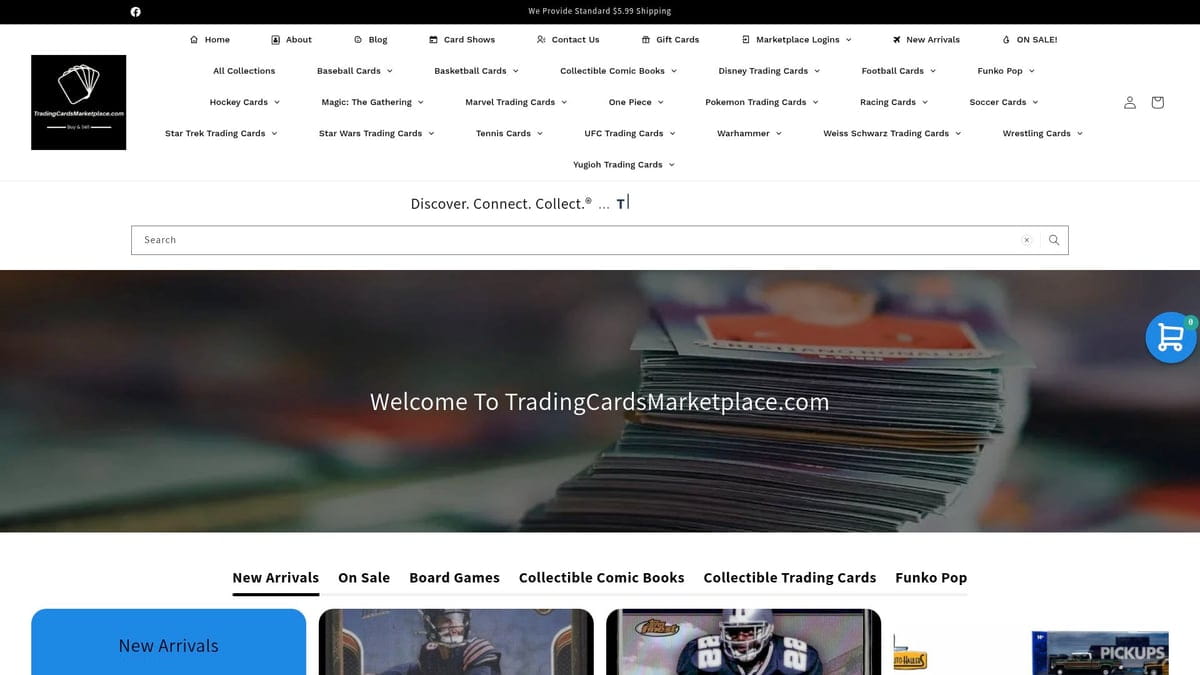
The platform ensures secure transactions, flat-rate shipping, and a streamlined browsing experience. Collectors can also find graded cards, essential supplies, and participate in community events such as live box breaks and card shows.
Choosing a trusted source gives you confidence in authenticity, variety, and customer service, making your journey into baseball cards in a box both enjoyable and secure.
Opening, Organizing, and Cataloging Your Box Collection
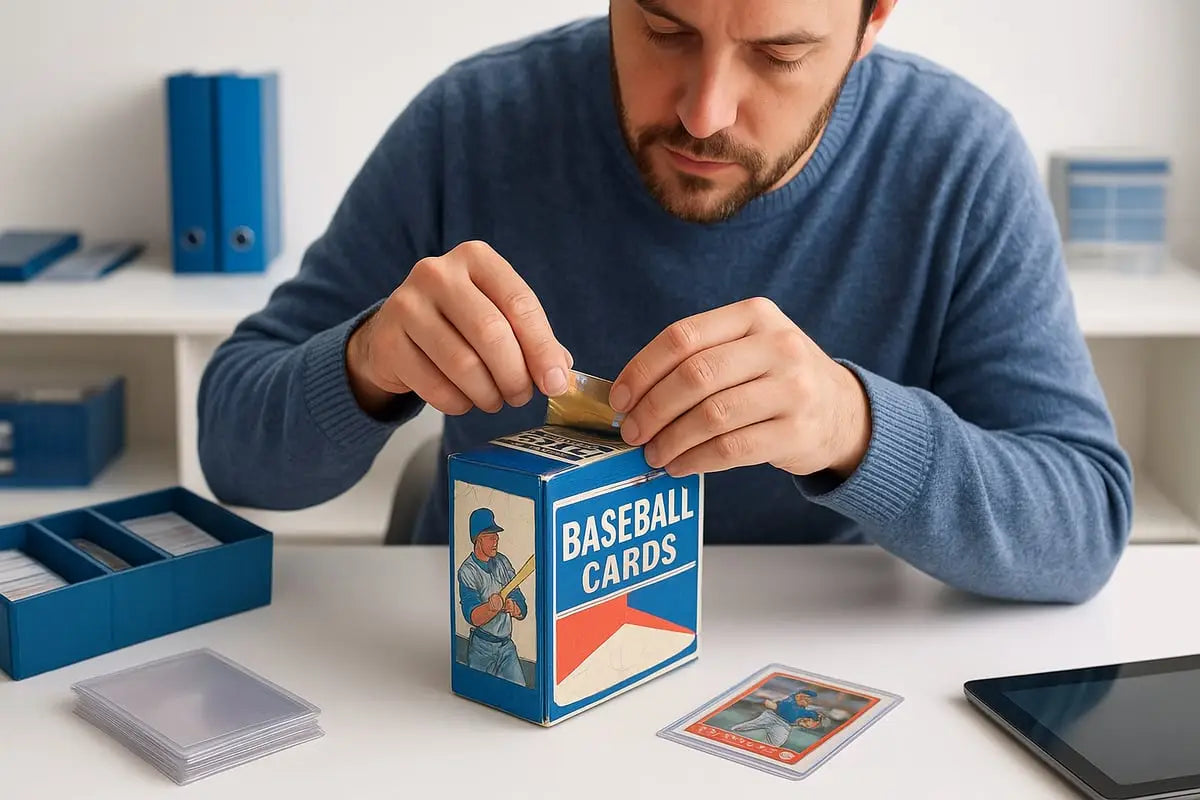
Opening a fresh box is one of the most exciting moments in the hobby. Whether you are chasing rare hits or building out your collection, starting with proper preparation helps protect your investment and maximize enjoyment. Let's walk through the essential steps for handling, sorting, and keeping track of your baseball cards in a box.
Best Practices for Opening Boxes
Begin by setting up a tidy, well-lit workspace. Clear enough space to comfortably lay out packs and cards. Wash your hands or consider wearing gloves to prevent oils or dirt from damaging surfaces. Some collectors like to record their box breaks using a phone or camera, creating a video log of their pulls.
Open each pack gently, avoiding bending or nicking the cards. As you reveal cards, place them in neat stacks by type or value. Use soft sleeves for immediate protection of any standout rookies, autographs, or low-numbered parallels. Handling baseball cards in a box this way reduces the risk of accidental damage and preserves future value.
Organize cards as you go, grouping them by set or category. Take notes or snap quick photos of significant pulls. This documentation is especially useful if you plan to grade or sell cards later. Enjoy the anticipation with every pack, knowing each careful step makes your collection stronger.
Sorting and Organizing Cards
Once your box is open, sorting is the next step. Many collectors organize baseball cards in a box by team, player, year, or card type. Using checklists to track set completion can make the process smoother and more rewarding. Sorting trays help separate base cards from inserts and hits, while binders and storage boxes keep everything in order.
Digital tools can streamline your organization. Spreadsheet templates or collector apps allow you to log details like card number, condition, and unique features. For those focused on team collecting, the All Baseball Teams Card Guide is a valuable resource for quickly locating cards for every MLB team from your box pulls.
Consider these sorting strategies:
- By team for easier trades with other collectors
- By player to spotlight favorites or rising stars
- By set or year to complete annual checklists
- By rarity, separating base from special inserts
As you sort baseball cards in a box, keep high-value cards protected and store them separately. Consistent organization saves time and helps you spot missing pieces or duplicates for trading.
Cataloging and Inventory Management
Maintaining a digital catalog is key for serious collectors. Start by creating a spreadsheet or using an app designed for tracking baseball cards in a box. Record information such as card name, number, year, set, and condition. Many platforms allow you to attach images, making it easier to verify details or share with other hobbyists.
Cataloging your baseball cards in a box offers several benefits. It simplifies insurance claims, eases resale or trading, and helps you monitor collection growth over time. Photographing high-value cards with clear, well-lit images adds an extra layer of security and documentation.
Popular cataloging tools include database-driven websites and collector-focused inventory apps. Regularly updating your records ensures you always know what is in your collection, making it easier to spot trends, gaps, and opportunities. Staying organized is a hallmark of successful collectors who want to maximize both enjoyment and value.
Grading, Valuing, and Selling Cards from Your Box
Grading is a crucial step for collectors who want to maximize the potential of baseball cards in a box. Professional grading not only authenticates your cards but also assigns a condition score that significantly influences value. In 2026, the demand for graded cards continues to grow, especially for rare pulls and rookie cards.
Understanding Grading Services and What to Grade
Several professional grading services are trusted by collectors of baseball cards in a box. The most recognized in 2026 include PSA, BGS (Beckett Grading Services), SGC, and CGC. Each service offers unique features, turnaround times, and fee structures.
| Grading Service | Reputation | Turnaround | Special Features |
|---|---|---|---|
| PSA | Industry leader | Standard to Express | Registry, strong resale value |
| BGS | High accuracy | Fast to Standard | Subgrades, thick cases |
| SGC | Vintage focus | Fast | Black slabs, lower fees |
| CGC | Newer, growing | Standard | Digital tracking |
Before submitting, evaluate which baseball cards in a box are worth grading. Focus on:
- Centering: Are the borders even?
- Corners: Are they sharp and undamaged?
- Surface: Look for scratches or print flaws.
- Edges: Check for wear or chipping.
Cards with high grades (usually 9 or 10) command the most attention and value.
How Grading Impacts Value and Market Trends
Grading can transform the value of baseball cards in a box. A gem mint grade often multiplies a card's worth compared to its raw version. In recent years, some graded rookie cards pulled from boxes have seen value increases of 200% or more within months of release. For 2026, collectors are especially targeting limited parallels and autographed cards for grading due to their strong resale performance.
To stay informed on which cards and sets are trending in value, consult resources like SCF Card Database Statistics, which provide up-to-date sales data and population reports. This helps you decide which baseball cards in a box are most promising for grading and resale.
Submitting and Selling Graded Cards
When you are ready to submit, package your baseball cards in a box carefully. Use penny sleeves and semi-rigid holders, complete all required paperwork, and choose secure shipping options. Turnaround times can vary by service and submission type, so plan accordingly.
Once your cards are graded, you can sell them through several channels:
- Online auctions (eBay, Goldin)
- Specialized marketplaces
- Card shows and collector events
- Social media groups
Graded cards from 2026 box releases are already drawing attention from investors and set builders. Case studies show that rare inserts and low-numbered rookies, especially those graded PSA 10, are setting new price records at auctions.
Whether you focus on flipping hits or building a long-term collection, understanding the grading and selling process is key to making the most of baseball cards in a box. Careful evaluation, informed decisions, and the right platforms can help you maximize both enjoyment and value.
Protecting, Storing, and Displaying Your Box Collection
Protecting your baseball cards in a box collection is essential for preserving both sentimental and financial value. With the 2026 collecting landscape evolving, modern collectors need robust protection, smart storage, and creative display solutions to keep their investments safe and visually appealing.
Card Protection Essentials
Every collector knows that proper protection is the first line of defense for baseball cards in a box. Start with penny sleeves for basic cards, offering a thin, affordable shield. For higher-value cards or inserts, upgrade to top loaders or magnetic holders, which provide rigid support and prevent bending.
Use one-touch cases for ultra-rare pulls or autographed cards. Choose supplies made from acid-free, archival-quality plastics to prevent long-term damage. This is vital as studies show that improper storage materials can cause up to 30 percent loss in card value over time.
Here is a quick comparison of common protection options:
| Protection Type | Best For | Level of Protection |
|---|---|---|
| Penny Sleeves | Base cards | Basic |
| Top Loaders | Parallels, inserts | Moderate |
| Magnetic Holders | Hits, autographs | High |
| One-Touch Cases | Super-premium cards | Highest |
Always handle baseball cards in a box with clean hands or gloves to avoid fingerprints. Protecting your collection from dust, moisture, and accidental drops preserves both the appearance and future value of your cards.
Storage Solutions for Boxes and Cards
Smart storage is just as important as protection when it comes to baseball cards in a box. Store cards in acid-free boxes or binders, sorted by set or year for easy access. For sealed boxes, use sturdy storage containers that stack well and minimize pressure on the boxes at the bottom.
Climate control is crucial. Keep your collection in a cool, dry place away from direct sunlight. Fluctuations in temperature and humidity can warp cards and boxes, leading to irreversible damage.
Consider investing in display cases or safes for high-value items. For serious collectors managing multiple boxes, digital cataloging is a must. Tools like spreadsheets, inventory apps, or even specialized platforms help track what you own, prevent duplicates, and organize insurance documentation. The Order Management for Collectors resource is an excellent way to streamline your tracking process, especially as your baseball cards in a box collection grows.
Examples from seasoned collectors show that well-organized storage not only protects your investment but also makes it easier to enjoy and share your collection with others.
Displaying Your Collection
Displaying your baseball cards in a box collection adds enjoyment and pride. Use stands or wall-mounted frames for showcasing prized cards and unopened boxes. Glass display cases offer both visibility and security, letting you highlight rare finds while keeping them protected from dust and curious hands.
For inspiration, many collectors look to setups seen at Card Shows and Collector Events, where creative display ideas and security strategies are shared. Whether you prefer a minimalist shelf or a dedicated memorabilia room, a thoughtful display boosts both the aesthetic and value of your collection.
Advanced Collecting Strategies and Community Engagement
Entering the advanced stage of collecting baseball cards in a box involves more than opening packs. It is about building connections, developing expertise, and embracing new opportunities that the hobby offers. Let us explore the essential strategies and community-driven activities that set top collectors apart.
Group Box Breaks and Community Events
Group box breaks are a dynamic way to experience the thrill of opening baseball cards in a box with others. Collectors either meet in person or join online streams to split the cost of a box and share the cards by team or player. This approach increases your odds of landing valuable hits and allows you to connect with fellow hobbyists.
Participating in live events or scheduled online breaks fosters a sense of camaraderie. You can learn from experienced collectors, discuss recent pulls, and celebrate big finds together. Whether you prefer local card shops or virtual platforms, group breaks remain a cornerstone of the modern collecting experience.
Building Relationships and Networking
Forming strong relationships with local card shops and collector groups is key to mastering baseball cards in a box. Shop owners often provide early release information, trade opportunities, and access to exclusive events. Collector groups, both in-person and online, are invaluable for sharing knowledge, organizing trades, and staying informed about market shifts.
Social media platforms and forums have become essential for networking. They offer real-time updates on releases and can reveal emerging market trends, such as the rising popularity of international players. For deeper insight into how these trends influence the hobby, see the 2025 Offseason Spotlight: PSA Data Shows Ohtani and International Stars on Top.
Advanced Trading and Set Completion Strategies
Trading is integral to building a comprehensive collection of baseball cards in a box. Advanced collectors use checklists, inventory apps, and set-specific forums to identify gaps and arrange fair trades. Prioritizing communication and transparency ensures positive experiences and long-term relationships.
To complete rare sets or acquire short-printed inserts, consider:
- Participating in targeted trading groups
- Attending local and national card shows
- Utilizing online platforms for large-scale swaps
Consistent organization and active participation in the community will keep your collection growing and your knowledge sharp.
Investing in Sealed Boxes and Collector Success Stories
Investing in sealed baseball cards in a box can yield long-term rewards, especially as certain releases gain historical significance or feature standout rookie classes. Evaluate risks by researching product print runs, player lineups, and market trends before making large purchases.
Many collectors diversify by holding sealed boxes, selling singles, and trading for high-potential cards. Attending conventions and group events in 2026 provides access to exclusive releases and expert insights. Success stories often highlight collectors who combined smart investment, community engagement, and a passion for the hobby to build impressive, valuable collections.
As you explore the ins and outs of collecting baseball cards in a box for 2026, you deserve a source that makes every step rewarding—from finding the latest releases to connecting with fellow enthusiasts. At Trading Cards Marketplace, you can discover a wide range of hobby and retail boxes, enjoy secure shopping, and tap into a vibrant community of collectors. Whether you are seeking that rare card, organizing your collection, or gearing up for your next box break, you will find everything you need in one trusted place. Ready to take your collection to the next level?
Shop Now