Baseball cards represent more than simple pieces of cardboard featuring athletes. They embody American sporting history, cultural nostalgia, and increasingly, significant financial investments. From their humble origins as tobacco product inserts to today's multi-million dollar auction items, these collectibles have transformed into a sophisticated marketplace. Whether you're starting your first collection or managing a portfolio of vintage treasures, understanding the fundamentals of baseball card collecting proves essential for success in 2026.
The Historical Significance of Baseball Cards
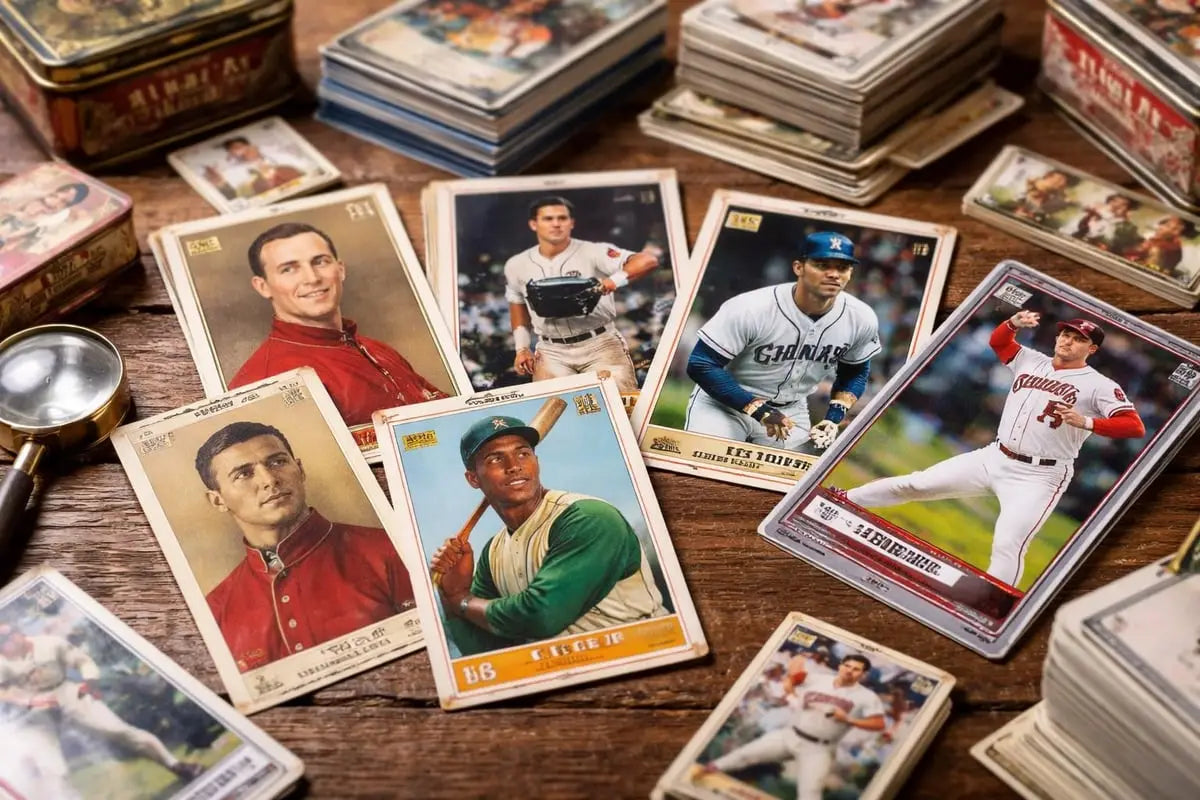
The journey of baseball cards began in the late 1800s when tobacco companies discovered their marketing potential. Early baseball cards served as product stiffeners inside cigarette packages, transforming into coveted collectibles that children and adults eagerly sought. These pioneering cards featured sepia-toned photographs and simple designs, yet they captured the essence of America's favorite pastime during a transformative era.
From Tobacco to Trading Cards
The history of baseball cards reveals fascinating shifts in production and distribution methods. During the early 1900s, manufacturers like American Tobacco Company dominated the market, producing sets that included the now-legendary T206 series. This period established design conventions that influenced card production for generations.
Post-World War II marked a significant transition as candy companies, particularly Topps, revolutionized the industry. The 1952 Topps set introduced larger card dimensions and vibrant color photography, establishing standards that persist today. This innovation coincided with television's rise, amplifying baseball's popularity and creating unprecedented demand for player cards.
The modern era brought sophisticated printing techniques, holographic features, and limited edition releases. Manufacturers now produce various parallel versions of single cards, each with different scarcity levels and design elements. This complexity has transformed collecting from a childhood hobby into a serious investment strategy pursued by individuals and institutions alike.
Understanding Card Values and Grading Systems
Determining baseball card worth requires knowledge of multiple factors that professionals evaluate systematically. Condition stands paramount, with even minor imperfections dramatically affecting value. Corners, edges, surface quality, and centering all contribute to overall grade assignments that determine market prices.
Professional Grading Standards
Professional grading services employ standardized scales that collectors worldwide recognize. The ten-point scale ranges from Poor (1) to Gem Mint (10), with half-point increments distinguishing subtle condition differences. Third-party authentication provides market confidence, particularly for high-value transactions where authenticity concerns arise.
Key grading factors include:
- Corner sharpness - Rounded or damaged corners significantly reduce grades
- Edge condition - Chipping, wear, or whitening along borders
- Surface quality - Scratches, print defects, or staining
- Centering - Image alignment within card borders
- Original gloss - Preservation of factory finish
The grading process involves expert examination under magnification, measuring precise specifications. Cards receive protective cases with certification labels displaying assigned grades. This encapsulation preserves condition while allowing visual inspection, creating standardized products for buying, selling, and trading purposes.
| Grade | Description | Market Impact |
|---|---|---|
| PSA 10 | Gem Mint - Perfect condition | Premium pricing, 3-10x multiplier |
| PSA 9 | Mint - Minor imperfections | Strong value, 2-4x multiplier |
| PSA 8 | Near Mint-Mint | Solid collectible grade |
| PSA 7 | Near Mint | Entry point for vintage cards |
| PSA 6 or below | Various condition issues | Significantly reduced value |
Investment Potential and Market Trends
The financial dimension of baseball cards has exploded since 2020, with record-breaking sales capturing mainstream attention. Some of the most valuable baseball cards have sold for millions, demonstrating their status as alternative investments comparable to fine art or rare automobiles.
Recent market dynamics reveal fascinating patterns. Vintage cards from the pre-1980 era maintain consistent appreciation, particularly Hall of Fame rookies in high grades. Meanwhile, modern cards experience volatility based on player performance, with breakout seasons triggering dramatic price increases. The purchase of a Paul Skenes card for $1.11 million illustrates how contemporary releases can achieve extraordinary values.
Strategic Collecting Approaches
Successful collectors employ various strategies aligned with their goals and budgets. Some focus exclusively on specific players, teams, or card sets, building comprehensive collections within defined parameters. Others pursue investment-grade specimens of proven legends, treating cards as portfolio diversification tools.
Popular collecting strategies include:
- Player collecting - Acquiring every card featuring specific athletes
- Set building - Completing entire production runs from particular years
- Rookie card focus - Targeting first-year professional cards
- Investment flipping - Short-term purchases based on performance trends
- Vintage preservation - Long-term holding of authenticated pre-war cards
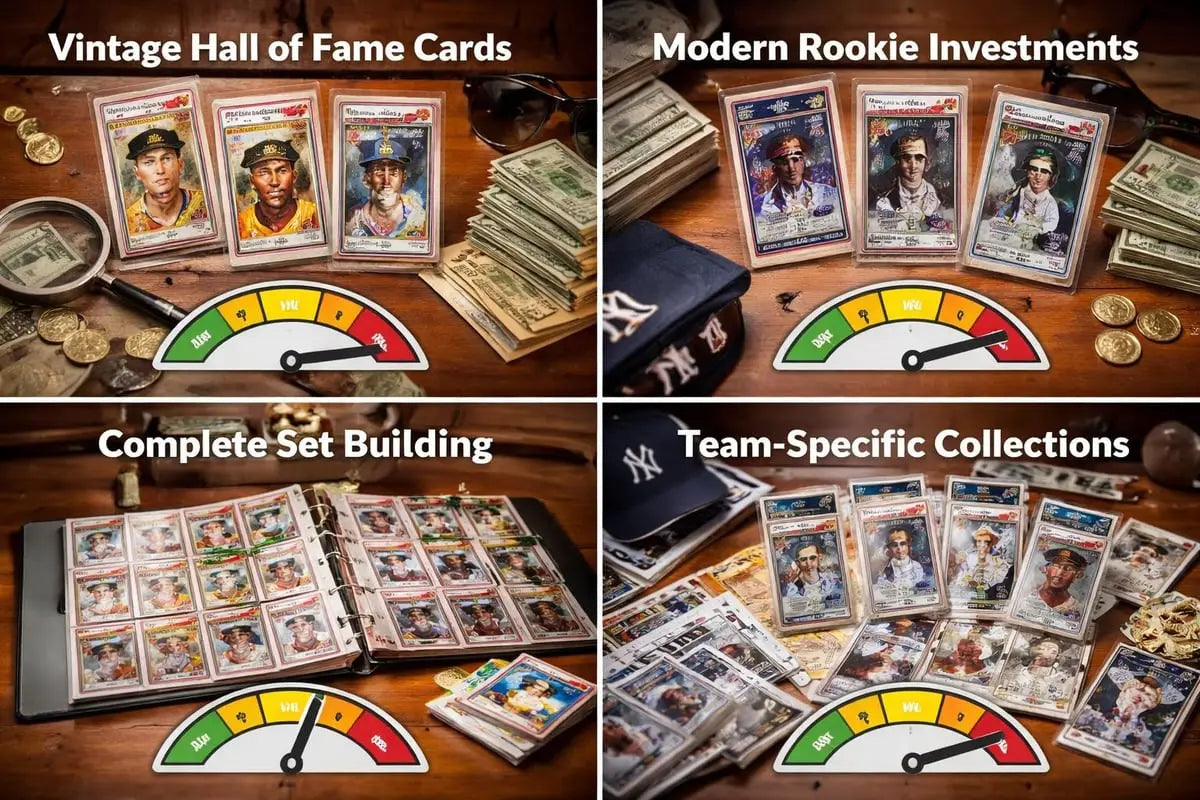
Market liquidity varies considerably across segments. Established stars command active trading with transparent pricing, while obscure players or damaged cards present selling challenges. Understanding these dynamics helps collectors make informed purchasing decisions and maintain realistic expectations about future returns.
Building Your Baseball Card Collection
Starting a collection requires strategic planning rather than impulsive purchasing. Define clear objectives before investing significant resources, considering whether you're pursuing personal enjoyment, financial appreciation, or both. Budget constraints naturally influence available options, with entry points existing across all price ranges.
Research forms the foundation of smart collecting. Comprehensive databases catalog baseball card sets throughout history, providing essential reference materials for identifying cards and understanding their context. Study population reports from grading companies to assess scarcity of specific cards in particular conditions.
Authentication and Acquisition
Purchasing authenticated cards through reputable sources minimizes counterfeit risks that plague high-value transactions. Explore various marketplace options when building your collection, comparing prices across platforms while factoring in seller ratings and return policies. Auction formats often yield competitive pricing for desirable items, though they require patience and strategic bidding.
Storage and preservation directly impact long-term value retention. Proper supplies protect investments from environmental damage:
- Acid-free sleeves preventing chemical degradation
- Top-loaders providing rigid protection for individual cards
- Climate-controlled storage maintaining stable temperature and humidity
- UV-protective cases shielding cards from light exposure
- Organized cataloging systems tracking collection contents
When exploring specialized baseball team collections, focus on acquiring key cards that anchor thematic displays. Complete team sets from significant seasons or cards featuring franchise legends create cohesive collections with narrative appeal beyond individual card values.
Notable Cards and Iconic Sets
Certain baseball cards have achieved legendary status within collecting circles. The T206 Honus Wagner stands as the hobby's most famous card, combining rarity, historical significance, and association with an all-time great player. Fewer than 60 examples exist, with high-grade specimens commanding eight-figure prices at auction.
Landmark Card Series
The 1952 Topps set revolutionized baseball card design and remains highly sought after. Its Mickey Mantle rookie card represents the flagship vintage collectible, regularly selling for six figures in top condition. This set introduced the modern card format that influenced subsequent decades of production.
| Set | Year | Significance | Key Cards |
|---|---|---|---|
| T206 | 1909-1911 | Pre-war tobacco issue | Honus Wagner, Ty Cobb |
| 1952 Topps | 1952 | Modern format pioneer | Mickey Mantle #311 |
| 1955 Topps | 1955 | First Koufax & Clemente rookies | Sandy Koufax, Roberto Clemente |
| 1963 Topps | 1963 | Pete Rose rookie year | Pete Rose #537 |
| 1989 Upper Deck | 1989 | Premium quality innovation | Ken Griffey Jr. #1 |
Recent innovations include patch cards featuring game-worn memorabilia pieces embedded within cards. These modern collectible cards appeal to younger collectors seeking tangible connections to current players. Autographed cards authenticated by manufacturers add another dimension, combining signatures with limited production runs.
Modern Technology and Digital Integration
The baseball card industry has embraced technological advancement while maintaining traditional appeal. Digital platforms facilitate global trading, connecting buyers and sellers across continents through secure marketplaces. Mobile applications provide instant price guides, population data, and collection management tools accessible anywhere.
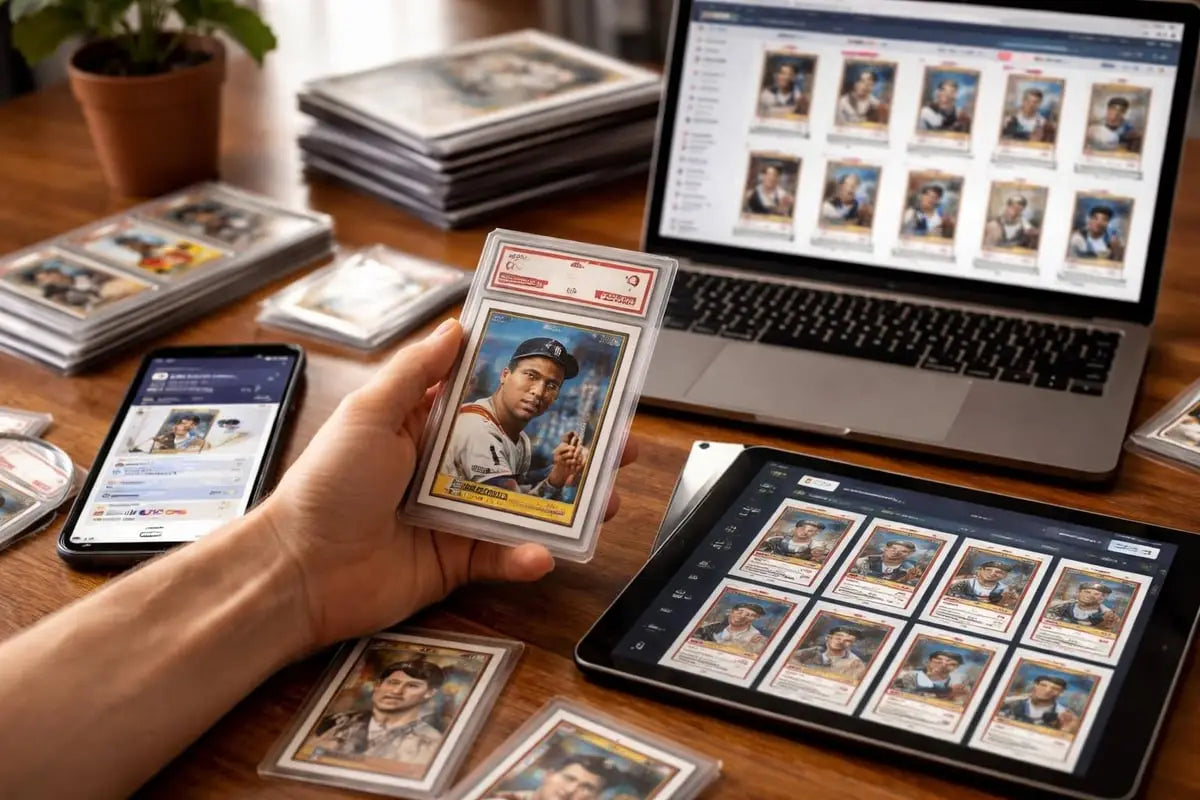
Blockchain technology has introduced digital baseball cards with verified scarcity and ownership records. These NFT-style collectibles exist entirely online, targeting tech-savvy collectors comfortable with cryptocurrency transactions. While controversial among traditionalists, they represent marketplace evolution addressing younger demographics.
Community and Resources
Engaging with collecting communities enhances knowledge and enjoyment. Online forums, social media groups, and local card shows provide networking opportunities with fellow enthusiasts. These interactions facilitate trades, share expertise, and create friendships bonded by common interests.
Educational resources from institutions preserve and study baseball card cultural history, offering academic perspectives on their societal impact. Museums maintain extensive collections showcasing rare specimens and documenting the hobby's evolution across generations.
For those seeking specific cards or exploring auction opportunities, staying informed about upcoming sales proves essential. Major auction houses announce significant consignments months in advance, allowing serious collectors to arrange financing and conduct thorough research before bidding.
Care, Maintenance and Long-Term Preservation
Proper card care extends beyond initial storage decisions. Regular inspection identifies developing issues before they cause permanent damage. Handle cards minimally, using clean hands or cotton gloves when examining valuable specimens. Never use rubber bands, paper clips, or adhesive materials that can leave marks or chemical residue.
Environmental control presents the most critical preservation factor. Fluctuating humidity causes cardboard expansion and contraction, potentially warping cards or loosening surface layers. Maintain relative humidity between 40-50% using dehumidifiers or humidifiers as needed for your climate. Temperature stability prevents condensation that encourages mold growth or adhesive breakdown.
Essential preservation practices:
- Store cards vertically rather than stacking to prevent pressure damage
- Avoid direct sunlight exposure that fades colors over time
- Use archival-quality storage materials free from harmful chemicals
- Create backup documentation through photography and inventory lists
- Consider safe deposit boxes or specialized storage for highest-value cards
Insurance coverage protects significant collections against theft, fire, or natural disasters. Document holdings through professional appraisals, maintaining updated records reflecting current market values. Specialized collectibles insurance provides broader coverage than standard homeowner policies, which often exclude or limit trading card protection.
Market Analysis and Future Outlook
Baseball card markets demonstrate cyclical patterns influenced by broader economic conditions, generational interests, and sporting trends. The 2020-2021 surge reflected pandemic-driven hobby growth, stimulus money availability, and celebrity involvement publicizing high-profile purchases. Subsequent normalization brought price corrections while maintaining elevated interest levels compared to pre-2020 baselines.
Demographic shifts influence which cards appreciate most aggressively. Baby boomers pursuing childhood nostalgia drive vintage card demand, while millennials focus on 1980s-1990s stars from their youth. Generation Z collectors often prefer modern cards featuring active players, creating diverse market segments with distinct pricing dynamics.
The digitization of historical collections improves research capabilities and preserves cultural heritage. These initiatives make rare cards accessible to scholars and enthusiasts worldwide, democratizing knowledge previously confined to institutions or wealthy collectors.
Supply dynamics continually evolve as unopened vintage product surfaces through estate sales or attic discoveries. Each significant find potentially increases population counts for particular cards, affecting scarcity perceptions and market pricing. Conversely, modern production's transparency provides clearer supply parameters from release dates forward.
Baseball cards offer compelling combinations of historical significance, personal nostalgia, and investment potential that few collectibles match. Whether you're drawn to vintage tobacco-era treasures, Hall of Fame rookie cards, or modern memorabilia pieces, success requires education, strategic planning, and proper preservation techniques. TradingCardsMarketplace provides the platform and resources you need to build, manage, and enjoy your collection with confidence, connecting you to fellow enthusiasts and quality inventory across all eras of the hobby.