

The thrill of opening baseball card packs remains one of the most exciting experiences in sports collecting. Whether you're a seasoned collector hunting for rare autographs or a newcomer discovering the hobby, understanding the landscape of modern baseball card packs helps you make informed purchasing decisions. The market has evolved significantly since the golden age of wax packs, now offering diverse products at multiple price points with varying odds of finding valuable cards. This comprehensive guide explores everything you need to know about baseball card packs in 2026, from product types and manufacturers to pricing strategies and smart collecting practices.
Understanding Baseball Card Pack Types
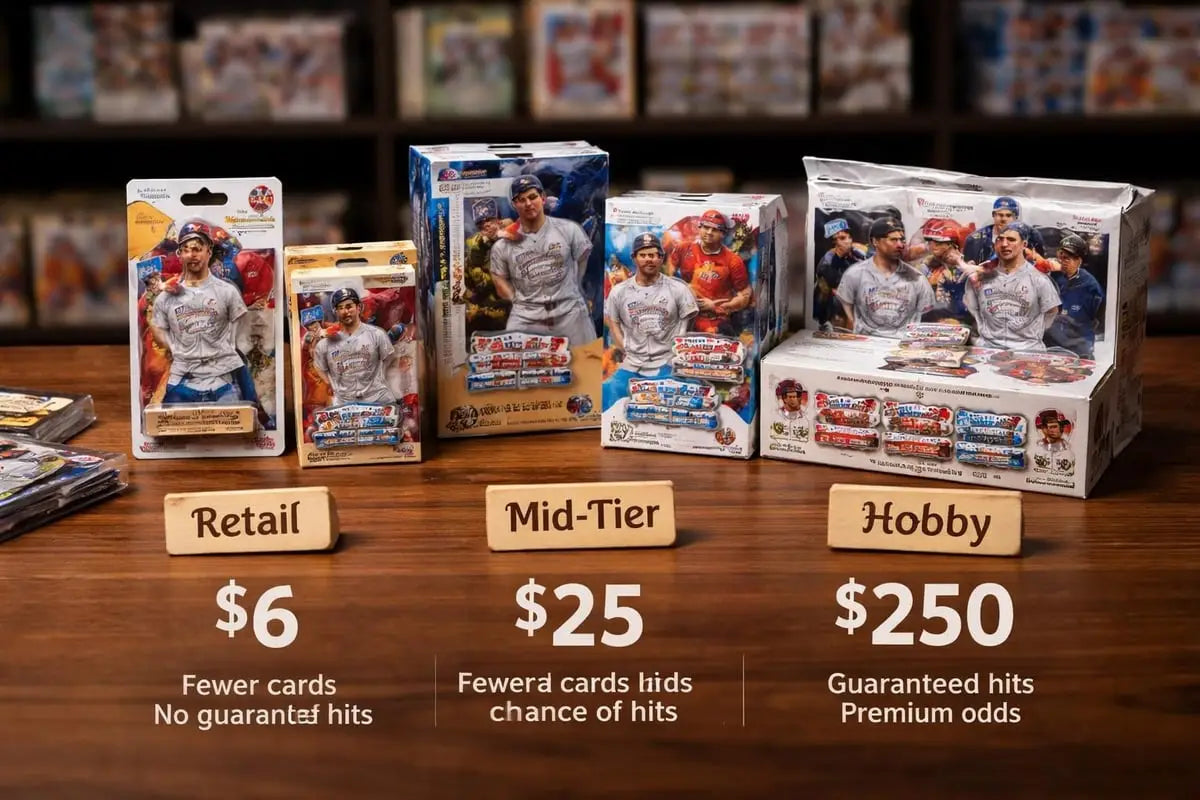
Modern baseball card packs come in several distinct categories, each designed for different collector budgets and goals. The industry has segmented products to serve everyone from casual fans to serious investors.
Retail Packs and Blaster Boxes
Retail baseball card packs represent the most accessible entry point for collectors. These products are available at major chain stores, big-box retailers, and online marketplaces. Retail packs typically contain 8-12 cards and cost between $4 and $10 per pack. Blaster boxes, which contain multiple retail packs along with exclusive insert cards, range from $20 to $40.
The advantage of retail products lies in their convenience and lower price point. However, the odds of finding high-value autographs or memorabilia cards are significantly lower compared to hobby products. Retail packs serve as excellent options for building base sets, introducing children to collecting, or enjoying the pack-opening experience without substantial financial commitment.
Hobby Boxes and Premium Products
Hobby baseball card packs offer enhanced content with guaranteed autographs, memorabilia cards, or numbered parallels. These products are sold exclusively through hobby shops and authorized online dealers. A standard hobby box contains 24 packs and typically costs between $80 and $150, though premium releases can exceed $500.
Popular hobby products from manufacturers like Topps and Bowman include guaranteed "hits" - industry terminology for autographs, relics, or special inserts. The appeal of hobby boxes centers on predictable value delivery and exclusive content not available in retail formats.
| Product Type | Price Range | Cards per Pack | Guaranteed Hits | Best For |
|---|---|---|---|---|
| Retail Pack | $4-$10 | 8-12 | None | Casual collectors |
| Blaster Box | $20-$40 | 40-80 | 1-2 inserts | Budget builders |
| Hobby Box | $80-$150 | 200-300 | 2-4 hits | Serious collectors |
| Premium Box | $300-$800 | 100-200 | 5+ hits | Investors |
Jumbo and Fat Packs
Jumbo packs and fat packs provide middle-ground options between single retail packs and full hobby boxes. These specially configured packs contain 20-40 cards and include exclusive insert opportunities. Pricing typically ranges from $10 to $25 per pack.
Fat packs often feature window displays showing one card from the pack, adding an element of transparency to the purchase. While these products don't guarantee autographs like hobby boxes, they offer better odds than standard retail packs and can be found at most major retailers.
Major Manufacturers and Their Products
The baseball card industry consolidation has resulted in several dominant manufacturers, each with distinct product lines and release schedules. Understanding these brands helps collectors identify which baseball card packs align with their collecting goals.
Topps Flagship and Heritage Series
Topps baseball card products dominate the modern market with multiple releases throughout the year. The flagship Topps Series 1 and Series 2 launch in February and July respectively, covering the entire Major League roster. These products offer the most comprehensive player coverage and remain popular for set building.
Topps Heritage recreates vintage designs from past decades, appealing to collectors who appreciate nostalgic aesthetics. Heritage baseball card packs typically include short-printed variations, chrome parallels, and real autographs from retired legends. The 2026 Heritage series celebrates the 1977 Topps design, featuring wood-grain borders and classic photography styles.
Additional Topps lines include Chrome (premium refractor technology), Update (covering trades and rookies from late season), and specialty releases like Stadium Club and Allen & Ginter. Each product serves different collector preferences and budget levels.
Bowman and Prospect Cards
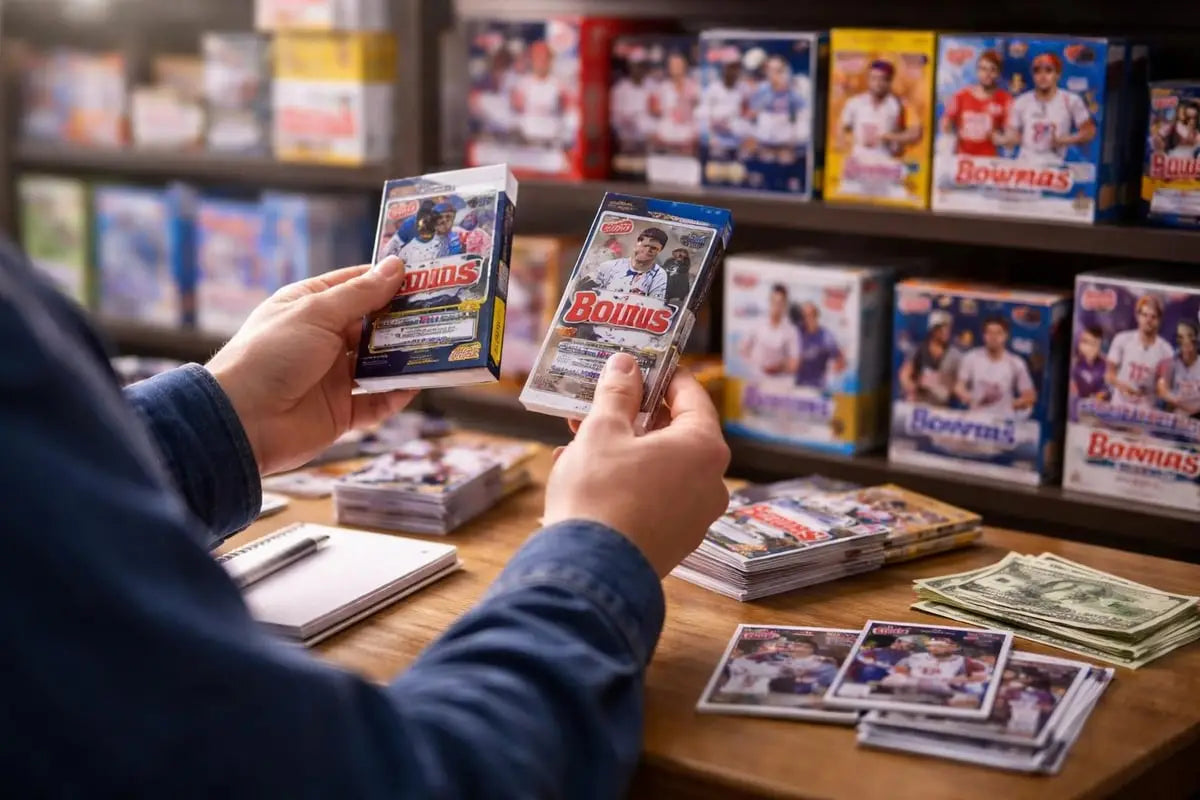
The Bowman brand focuses exclusively on prospect and rookie content, making these baseball card packs essential for collectors hunting future stars. Bowman Chrome, released annually in late summer, features first autographed cards from international prospects and recent draft picks.
Bowman Draft, launched after the MLB amateur draft, showcases newly signed players in their professional uniforms. These products carry significant long-term investment potential, as early autographs of eventual superstars can appreciate dramatically in value. However, prospect cards also carry higher risk since many players never reach the majors.
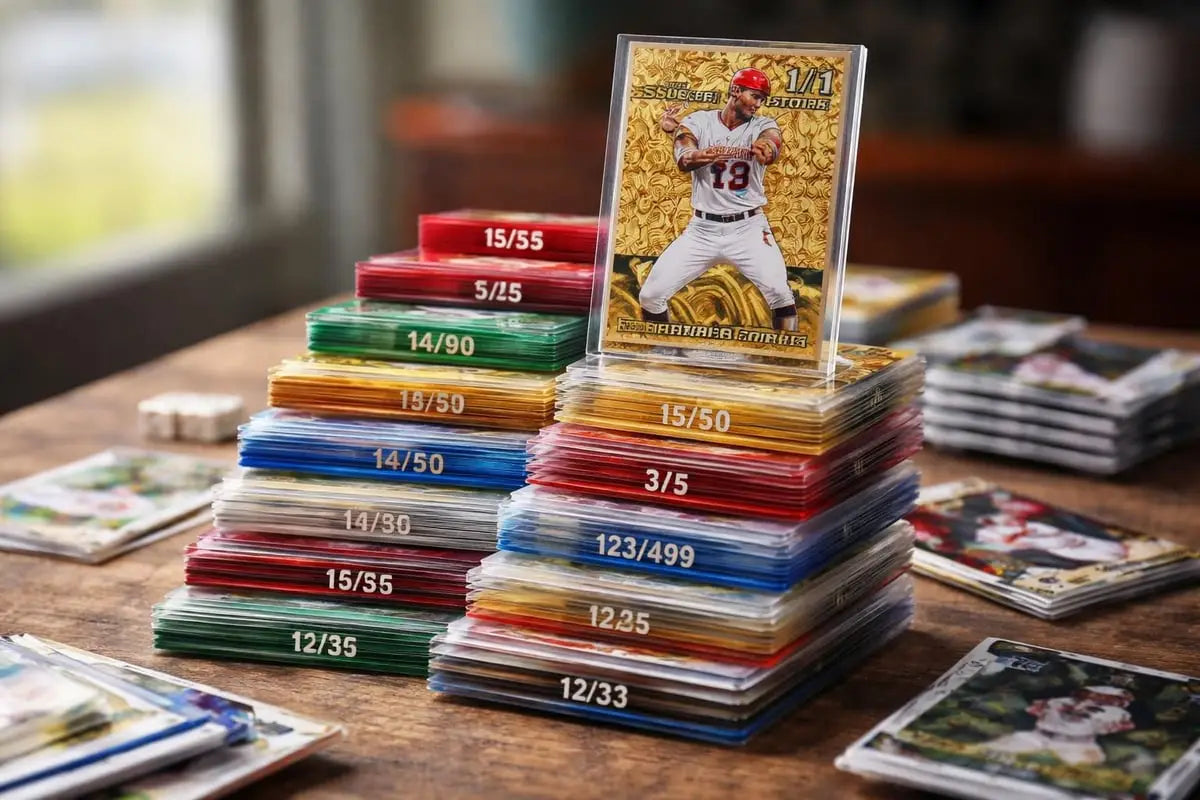
Bowman's chrome technology produces vibrant refractor parallels in rainbow patterns, with rare versions numbered to specific quantities. The superfractor (1/1) parallel represents the ultimate chase card in any Bowman product.
Panini and Alternative Manufacturers
While Panini lost MLB licensing in recent years, their baseball products featuring unlicensed designs remain available through certain retailers. Donruss, a Panini brand, produces baseball card packs without team logos, focusing instead on player photography and creative designs.
Other manufacturers occasionally enter the baseball market with vintage reprint sets or specialty products. However, licensed Topps products dominate shelf space at most retailers and generate the highest secondary market values.
Understanding Insert Cards and Chase Content
Insert cards transform baseball card packs from simple player collections into treasure hunts with varying rarity levels. Modern products feature complex insert hierarchies designed to create excitement and drive box sales.
Autograph and Relic Cards
Autograph cards feature player signatures on-card or via sticker technology. On-card autographs, where players sign directly on the card stock, command premium prices compared to sticker autos. Relic cards contain game-used memorabilia pieces such as jersey swatches, bat fragments, or base material.
The authentication and sourcing of these materials has improved significantly, with manufacturers providing detailed information about the game or season from which memorabilia originated. Some premium products feature multi-swatch relics combining jersey, pants, and hat pieces from single games.
Numbered Parallels and Variations
Parallel cards replicate base designs with different color schemes, printing techniques, or serial numbering. Common parallels appear at rates of one per pack, while rare versions like gold (/50) or superfractor (1/1) require opening hundreds of packs to find.
Short-print variations alter photos, poses, or design elements on specific cards. These variations maintain the same card number as base versions but feature subtle differences that create scarcity. Veteran collectors study checklists carefully to identify valuable variations worth significant premiums.
Insert Set Collections
Themed insert sets appear across multiple baseball card packs, encouraging collectors to build complete sets. Popular insert themes include:
- Rookie debuts: Highlighting first-year players with special designs
- League leaders: Showcasing statistical achievements from previous seasons
- Hall of Fame tributes: Honoring legendary players and career milestones
- Chrome technology: Applying refractor finishes to select cards
- Die-cut shapes: Creating unique card silhouettes and dimensions
Insert sets typically fall at various odds, from common (1:3 packs) to extremely rare (1:case). Understanding these odds helps collectors evaluate whether chasing specific inserts makes financial sense.
Smart Buying Strategies for Baseball Card Packs
Successful collecting requires strategic purchasing decisions based on budget, goals, and market knowledge. These approaches help maximize enjoyment and value from baseball card packs.
Researching Product Reviews and Box Breaks
Before purchasing unopened baseball card packs, watch online box breaks and read product reviews. Box breaks showcase actual pack contents, demonstrating realistic expectations for insert rates and card quality. Many collectors discover that promotional materials overstate excitement while breaks reveal true pack composition.
YouTube channels and collecting forums provide honest feedback about specific products. Pay attention to comments about print quality, autograph selection, and whether advertised odds match actual results. This research prevents disappointment and helps identify products with strong track records.
Timing Purchases Around Market Cycles
Baseball card pack prices fluctuate based on seasonal demand, player performance, and product availability. Buying during initial release often costs more due to hype and limited supply. Waiting 2-3 months typically yields better prices as retailers discount products to clear inventory.
However, exceptional rookie classes or popular releases may maintain premium pricing throughout the year. Monitor your favorite products to understand pricing patterns and identify optimal purchase windows. Some collectors prefer waiting until just before the next year's release when current products reach maximum discounts.
Building Relationships with Local Shops
Establishing connections with local hobby shops provides access to exclusive allocations, pre-release opportunities, and informed advice. Shop owners often reserve desirable products for regular customers and offer loyalty discounts on baseball card packs purchased in volume.
Local shops also serve as valuable resources for learning about the hobby, trading duplicate cards, and discovering which products match your collecting style. Supporting these businesses strengthens the collecting community and ensures continued access to hobby-exclusive releases.
Protecting and Organizing Pack Purchases
Proper storage and organization preserve the condition and value of cards pulled from baseball card packs. Implementing sound practices immediately after opening prevents damage and simplifies collection management.
Immediate Card Protection
Handle all cards by edges to avoid fingerprints and surface damage. Place potentially valuable cards directly into penny sleeves and toploaders before further examination. Even minor edge wear or corner damage significantly reduces grading potential and resale value.
Separate cards into categories: keepers for your collection, potential grading candidates, trade bait, and common duplicates. This sorting system prevents valuable cards from mixing with bulk commons and streamlines future organization efforts.
Long-Term Storage Solutions
Store organized cards in appropriate supplies based on their value and purpose:
- Binders with nine-pocket pages: Ideal for set building and frequently viewed cards
- Storage boxes: Perfect for bulk commons and duplicates awaiting sale or trade
- Magnetic one-touch holders: Suitable for mid-range cards worth $10-$50
- Graded card cases: Necessary for slabbed cards returned from grading services
Climate-controlled environments prevent warping from humidity and fading from sunlight. Avoid basements, attics, and garages where temperature fluctuations damage cards over time. Investment-grade cards deserve professional grading and secure storage in safety deposit boxes or home safes.
Evaluating Baseball Card Pack Value
Determining whether baseball card packs offer fair value requires understanding expected return versus cost. While individual results vary dramatically, analyzing product economics helps collectors make informed decisions.
Calculating Expected Value
Expected value multiplies the probability of pulling specific cards by their market price. For example, if a hobby box costs $100 and guarantees two autographs averaging $30 each, the guaranteed return equals $60. Additional value comes from parallels, inserts, and base rookie cards.
However, expected value rarely equals or exceeds box cost for most products. Manufacturers build profit margins into pricing, and the secondary market adjusts based on actual pull rates. Viewing baseball card packs as entertainment rather than pure investment creates healthier expectations and more enjoyment from the hobby.
Identifying Value Products
Certain products consistently deliver better value propositions than others. Research which releases historically provide strong hit rates, desirable autograph selection, and appealing designs. Products featuring strong rookie classes or popular veterans tend to hold value better than off-year releases with weak player pools.
Compare prices across different sellers before purchasing. Online marketplaces, local shops, and TradingCardsMarketplace often feature competitive pricing on identical products. Factor in shipping costs, sales tax, and seller reputation when evaluating total purchase price.
The Social Aspect of Pack Opening
Opening baseball card packs creates shared experiences and community connections among collectors. Modern technology amplifies these social elements through various platforms and formats.
Group Breaks and Case Shares
Group breaks allow multiple collectors to share the cost and cards from sealed cases. Participants purchase spots representing specific teams, divisions, or random assignments. The breaker opens packs live on camera, distributing cards to participants based on team affiliation.
This format makes expensive products accessible while creating excitement through live reveals. However, participants should research breaker reputation, understand break rules, and accept the randomness inherent in these events. Some team assignments yield significant value while others produce minimal returns.
Trading and Community Building
Opening baseball card packs generates duplicate cards perfect for trading with other collectors. Trading transforms unwanted pulls into desired cards while building relationships within the hobby. Online trading forums, social media groups, and local card shows facilitate these exchanges.
Many collectors find the social interaction more rewarding than the monetary value of their collections. Sharing the excitement of major pulls, discussing player performance, and debating product quality creates lasting friendships centered on baseball card enthusiasm. Engaging with fellow collectors enriches the hobby experience beyond simple pack opening.
Understanding the diverse world of baseball card packs empowers collectors to make purchases aligned with their budgets, goals, and interests. From affordable retail options to premium hobby boxes, the modern market offers something for everyone at every experience level. Whether you're building complete sets, chasing rookie autographs, or simply enjoying the nostalgia of pack opening, informed decisions enhance satisfaction and value from this timeless hobby. TradingCardsMarketplace provides access to the latest releases and hard-to-find products, helping collectors at all levels discover their next great pull.


